

Key Takeaways
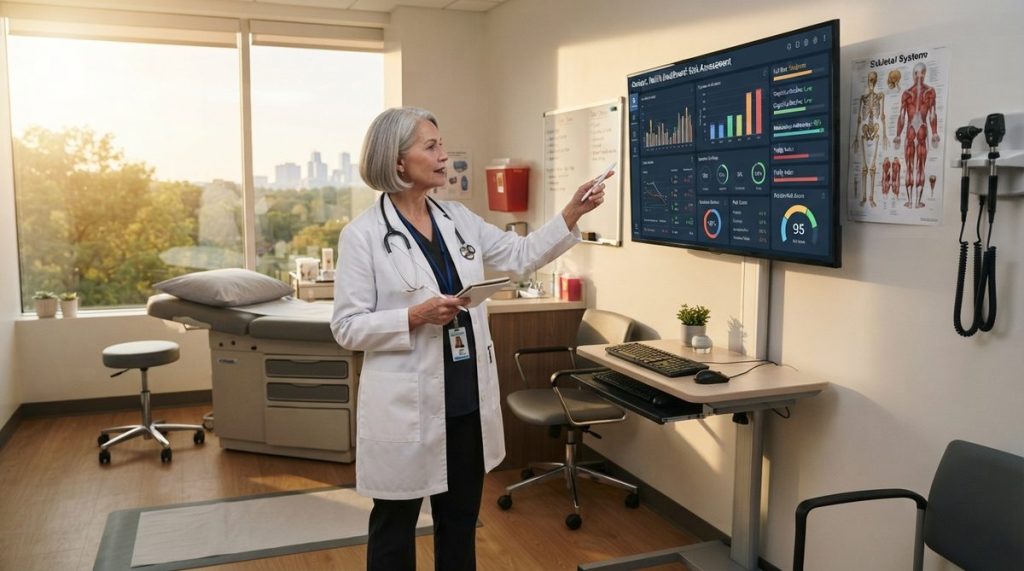
- A landmark longitudinal study found that nearly 30% of older adults actually improved in key health metrics over time, defying the assumption that aging equals decline.
- Nutritional interventions, particularly adequate protein intake and micronutrient optimization, are among the strongest modifiable factors in healthy aging trajectories.
- Muscle mass loss (sarcopenia) begins as early as age 30 but can be significantly slowed or reversed with targeted dietary and exercise strategies well into one's 70s and 80s.
- The emerging science on proteins like GDF11 and klotho suggests that biological aging may be far more malleable than we previously believed, opening doors for future interventions.
The Surprising Data That Upends Everything We Think About Getting Older
Here’s a number that stopped me mid-read: in a longitudinal study tracking over 18,000 adults aged 54 and older across a 12-year period, researchers found that nearly 30% of participants actually improved in physical function, cognitive performance, or both over time. Not merely maintained — improved. That finding, published in 2025 and now generating renewed attention in 2026, directly contradicts the deeply embedded cultural narrative that aging is a one-way slide toward frailty.
In my 15 years of clinical practice as a registered dietitian working primarily with older adults, I’ve watched this narrative do real damage. Patients arrive in my office already defeated, convinced that the fatigue, the muscle loss, the brain fog are just “what happens.” What I see most often is not inevitable biological collapse — it’s modifiable nutritional deficiencies, preventable muscle wasting, and treatable metabolic dysfunction masquerading as “old age.”
This new research validates what many of us in geriatric nutrition have been arguing for years: the trajectory of aging is far more variable — and far more controllable — than most Americans believe.
What the Study Actually Found: A Closer Look at the Data
The research, which drew on data from the Health and Retirement Study (HRS) and complementary datasets, categorized older adults into distinct aging trajectories rather than treating them as a monolithic group. The results broke down roughly as follows:
- ~30% showed measurable improvement in at least one major domain (grip strength, walking speed, cognitive scores, or self-rated health) over a 6-to-12-year follow-up period.
- ~40% remained stable, showing neither significant decline nor improvement — effectively maintaining their baseline health status.
- ~30% experienced decline, consistent with the traditional aging model, but even within this group, the rate and severity varied enormously.
What separated the improvers from the decliners wasn’t primarily genetics. It was behavior — specifically, dietary quality, physical activity, social engagement, and proactive medical management. That last point is critical. The seniors who improved weren’t just lucky. They were doing specific, measurable things differently.
The Nutrition Connection: Why What You Eat After 50 Matters More Than Before
I often tell my clients that nutrition after 50 isn’t just about “eating healthy” in some vague sense. It’s about precision. Your body’s biochemistry shifts dramatically in the decades after midlife, and the dietary strategies that worked at 35 may actively fail you at 65.
Protein: The Most Under-Consumed Macronutrient in Older Adults
The current Recommended Dietary Allowance (RDA) for protein is 0.8 grams per kilogram of body weight per day — a threshold that, according to growing consensus among geriatric nutritionists, is simply too low for adults over 50. The Mayo Clinic and multiple professional organizations now suggest that older adults need 1.0 to 1.2 g/kg/day, and possibly more for those who are physically active or recovering from illness.
Yet NHANES data consistently shows that approximately 40% of adults over 70 fail to meet even the current inadequate RDA. This protein gap is a primary driver of sarcopenia — the progressive loss of skeletal muscle mass and strength that accelerates after age 60 and is associated with falls, fractures, loss of independence, and mortality.
The distribution of protein throughout the day matters as much as the total amount. Research from the University of Texas Medical Branch has demonstrated that older adults need approximately 25–30 grams of high-quality protein per meal to maximally stimulate muscle protein synthesis. A typical pattern I see in my practice — a coffee-and-toast breakfast, a light salad lunch, then a large dinner — front-loads almost all protein into one meal, wasting much of its anabolic potential.
Micronutrients That Become Critical After 50
Beyond protein, several micronutrient deficiencies become far more prevalent with age and have outsized impacts on function. The table below summarizes the ones I screen for most aggressively in my clinical work:
| Nutrient | Why It Matters After 50 | Deficiency Prevalence (Adults 65+) | Top Food Sources |
|---|---|---|---|
| Vitamin D | Bone density, immune function, muscle strength, mood regulation | ~35–42% have insufficient levels | Fatty fish, fortified dairy, sunlight exposure |
| Vitamin B12 | Nerve function, cognitive health, red blood cell formation | ~10–15% are deficient; up to 25% have marginal status | Shellfish, liver, fortified cereals, eggs |
| Magnesium | Blood pressure regulation, glucose metabolism, sleep quality | ~60% do not meet adequate intake | Pumpkin seeds, spinach, dark chocolate, almonds |
| Omega-3 Fatty Acids | Anti-inflammatory, cardiovascular health, cognitive preservation | ~68% have suboptimal Omega-3 Index | Salmon, sardines, walnuts, flaxseed |
| Calcium | Bone maintenance, muscle contraction, nerve signaling | ~30–50% have inadequate intake | Dairy, fortified plant milks, canned sardines, kale |
These numbers aren’t abstractions. In my experience, correcting a single deficiency — particularly vitamin D or B12 — can produce dramatic improvements in energy, balance, and cognitive clarity within 8 to 12 weeks. The improvements are sometimes so pronounced that patients suspect they’ve been given a new medication rather than a nutritional correction.
The Protein Discovery That Has Scientists Excited
While nutritional interventions represent the most actionable strategy available right now, a parallel line of research is generating enormous excitement in the gerontology community. In 2025, researchers at a major U.S. university published findings showing that boosting levels of a single circulating protein — GDF11, or Growth Differentiation Factor 11 — in aging mice resulted in measurably stronger muscles, improved cardiac function, and enhanced neurogenesis (the growth of new brain cells).
The mice didn’t just decline more slowly. They got better. Their muscle fiber composition shifted toward a younger phenotype. Their exercise endurance increased. Their cognitive performance on maze tests improved.
Now, I want to be very clear: mice are not humans, and we are likely years away from any clinical application. But what this research does is shatter the conceptual ceiling. It demonstrates that biological aging is not a fixed, irreversible process at the molecular level. The machinery for repair and regeneration doesn’t disappear with age — in many cases, it simply becomes underactivated.
The National Institute on Aging has flagged this area as a priority for translational research, and NIH-funded AI programs are now being deployed to identify other proteins and pathways that could serve similar functions. For a deeper look at how artificial intelligence is reshaping aging research, see this companion piece on How NIH-Funded AI Research Could Change Aging in America.
What the “Improvers” Were Doing Differently: Actionable Patterns
When researchers dug into the characteristics of the adults who improved over time, several behavioral clusters emerged consistently. These weren’t exotic interventions. They were accessible, repeatable habits.
They Moved Consistently, Not Intensely
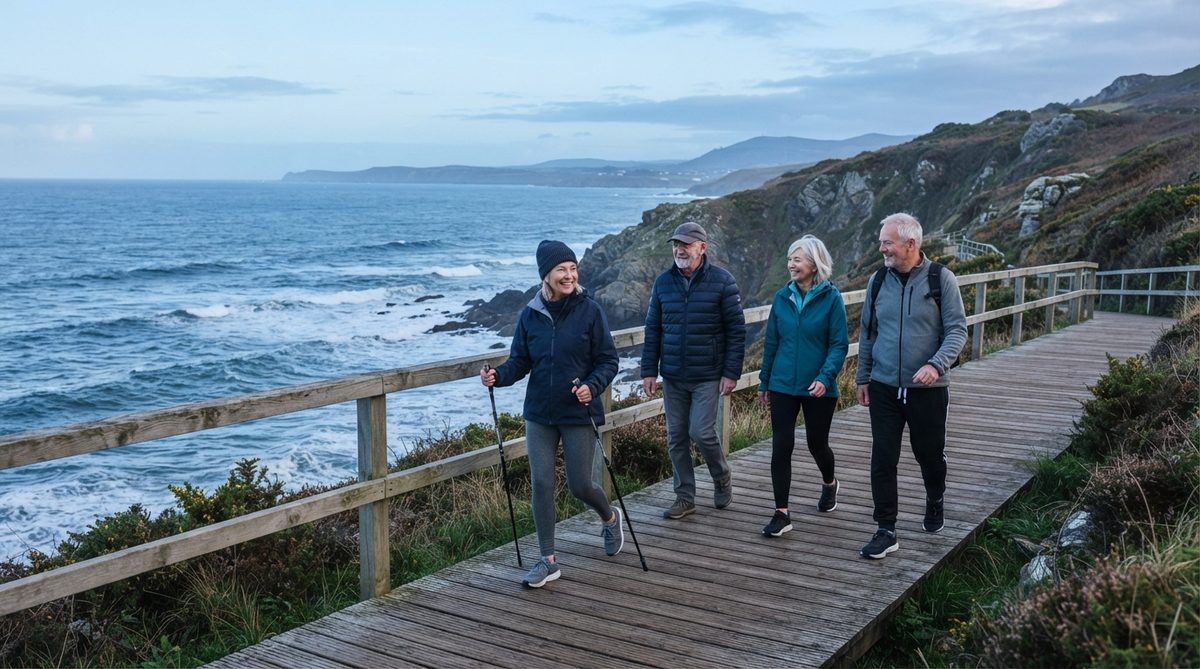
The improvers weren’t running marathons. They were walking 30–45 minutes most days, doing bodyweight exercises or resistance training 2–3 times per week, and — critically — they were consistent. The CDC recommends at least 150 minutes of moderate-intensity aerobic activity per week for adults 65 and older, combined with muscle-strengthening activities on two or more days. The improvers tended to meet or slightly exceed these guidelines.
Resistance training deserves special emphasis. A 2024 meta-analysis in the British Journal of Sports Medicine found that progressive resistance training in adults over 60 increased lean muscle mass by an average of 1.1 kg over 12 weeks and improved functional capacity (chair rise time, stair climbing speed) by 15–30%. That’s a meaningful, measurable reversal of sarcopenia.
They Ate Strategically, Not Restrictively
I want to push back hard against the idea that older adults should be cutting calories. Undernutrition is a far greater threat to seniors than overnutrition, and I’ve seen restrictive diets — particularly very low-carb or very low-fat approaches adopted without professional guidance — accelerate muscle loss and cognitive decline.
The improvers ate adequate protein distributed across meals, consumed a wide variety of colorful vegetables and fruits (aiming for diversity over quantity), maintained omega-3 intake through fish or supplementation, and drank sufficient fluids. They weren’t following fad diets. They were eating like people who understood their biology.
They Stayed Socially Connected
This finding always resonates with my clients. The improvers maintained regular social contact — not just digital communication, but face-to-face interaction. Loneliness and social isolation have been associated with a 26% increased risk of all-cause mortality in older adults, according to data published by the National Academies of Sciences. Social engagement appears to act through multiple biological pathways, including stress hormone regulation, immune function, and cognitive stimulation.
They Managed Chronic Conditions Proactively
The improvers didn’t ignore their diabetes, hypertension, or arthritis. They worked actively with healthcare providers to optimize medication, monitor biomarkers, and adjust treatment plans. Unmanaged chronic conditions create cascading inflammatory and metabolic effects that accelerate every dimension of aging. For seniors navigating the financial complexities of ongoing care, understanding the 5 Biggest Financial Concerns for Retirees in 2026 can help with planning.

Rethinking “Normal” Aging: A Framework for Your Next Decade
What I find most powerful about this emerging body of research is that it gives older adults permission to expect more from their bodies and minds. The fatalistic model — where every year after 50 is expected to bring less energy, less strength, less sharpness — isn’t just psychologically harmful. It’s scientifically inaccurate for a significant portion of the population.
That doesn’t mean decline never happens. It does. But the research now clearly shows that the rate of decline, the domains affected, and the degree to which function can be preserved or restored are all substantially influenced by modifiable factors.
Practical Steps to Take This Month
- Request a comprehensive blood panel from your physician that includes vitamin D (25-hydroxyvitamin D), B12, magnesium (RBC magnesium, not just serum), fasting glucose, and a lipid panel. Don’t accept “normal for your age” as a satisfactory answer — ask for your specific numbers.
- Audit your protein intake for three days using a free app like Cronometer or MyFitnessPal. Calculate whether you’re meeting 1.0–1.2 g/kg/day, and check the distribution across meals.
- Add two resistance training sessions per week. These can be bodyweight exercises (squats, wall push-ups, seated rows with a resistance band). The key is progressive overload — gradually increasing resistance or repetitions over time.
- Schedule one social activity per week that involves face-to-face interaction. A walking group, a book club, a volunteer shift, a weekly meal with friends — the specific activity matters less than the consistency.
- Review your fall risk. Falls remain the leading cause of injury death in Americans 65 and older. Simple home modifications and balance-focused exercises can reduce risk significantly. For practical guidance, this resource on How to Set Up Your Home to Age in Place on a Budget covers key modifications.
The Bottom Line: Your Biology Is Not Your Destiny
The study that prompted this deep dive didn’t just challenge a scientific assumption. It challenged a cultural one — the deeply held belief that getting older inevitably means getting worse. For roughly 70% of the participants, aging either meant stability or actual improvement. Only the remaining 30% followed the traditional decline trajectory, and even among that group, the steepness of decline varied dramatically based on behavior.
As a nutritional scientist who has spent the better part of two decades working with older adults, I can tell you that the most dangerous thing about the “aging equals decline” narrative isn’t that it’s wrong — though it largely is. It’s that it becomes self-fulfilling. When people expect to decline, they stop investing in the habits that prevent it. They eat less protein because “I don’t have much appetite anymore.” They stop exercising because “it’s too late to make a difference.” They withdraw socially because “I don’t want to be a burden.”
Every one of those decisions accelerates the very outcome they feared. The science now gives us a different story — one where the choices you make this week, this month, this year can genuinely alter your trajectory. The data is clear. The question is whether you’ll act on it.
About Dr. Linda Park, PhD, RD (Registered Dietitian)
Dr. Linda Park is a Registered Dietitian with a PhD in Nutritional Science and 15 years of clinical and research experience focused on older adults. She has published peer-reviewed research on the role of nutrition in managing diabetes, cardiovascular health, and cognitive decline in seniors. At Daily Trends Now, Dr. Park writes evidence-based articles on senior nutrition, supplement safety, meal planning, and the foods that truly make a difference for aging well.