

The Statistic That Changed How I Counsel Older Patients
When I tell people that dehydration in older adults is a primary or secondary diagnosis in up to 17% of Medicare hospitalizations, most are genuinely stunned. That figure, drawn from a CDC analysis of hospital discharge data, translates to roughly 500,000 preventable admissions every year—and billions of dollars in healthcare costs that Medicare beneficiaries ultimately help shoulder.
In my 15 years of clinical nutrition practice, I’ve watched dehydration mimic dementia, trigger dangerous drug interactions, and send otherwise healthy 70-year-olds into kidney failure. Yet it remains one of the most under-discussed health threats facing Americans over 50. This deep-dive examines why aging bodies lose their hydration safety net, the warning signs that don’t look like “thirst,” and a concrete prevention plan you can start today.
Why Aging Itself Is a Dehydration Risk Factor
Your Thirst Signal Weakens With Age
The hypothalamus—the brain region that triggers the sensation of thirst—gradually becomes less responsive after about age 50. Research published in the journal Physiology & Behavior found that adults over 65 experienced a 40% reduction in thirst perception compared to younger adults after identical fluid losses during exercise. In plain language: by the time you feel thirsty, you may already be significantly dehydrated.
I often tell my clients that relying on thirst as a hydration cue after 60 is like relying on a smoke detector with a dying battery. It might still go off eventually, but you can’t afford to wait.
Total Body Water Drops Dramatically
A healthy 25-year-old’s body is approximately 60% water. By age 75, that number can fall to 50% or even lower, particularly in women and those with lower lean muscle mass. This smaller reservoir means that even modest fluid deficits—skipping a glass at lunch, sweating on a warm afternoon—have an outsized physiological impact.
Medications Make It Worse
The average American over 65 takes four or more prescription medications daily, according to the National Institute on Aging. Many of the most commonly prescribed classes directly affect hydration:
- Diuretics (hydrochlorothiazide, furosemide) — increase urine output by design
- ACE inhibitors — can alter kidney sodium handling
- Laxatives — pull water into the bowel
- SSRIs and other antidepressants — may cause excessive sweating
- Diabetes medications (SGLT2 inhibitors) — promote glucose and fluid excretion
What I see most often is a patient who starts a new blood pressure medication, doesn’t adjust their fluid intake, and within two weeks is dizzy, confused, or in the emergency room with an electrolyte imbalance. It’s entirely preventable with proactive hydration planning.
The Hidden Consequences: Far Beyond Feeling “A Little Dry”
Cognitive Decline That Mimics Dementia
A landmark 2018 study in Nutrients found that even mild dehydration—defined as just 1-2% body weight loss from fluid—significantly impaired short-term memory, attention, and psychomotor function in adults over 60. Family members and even physicians sometimes mistake these symptoms for early Alzheimer’s disease or vascular dementia.
“An estimated 1 in 5 cases of sudden cognitive change in older emergency department patients is partly or fully attributable to dehydration—not neurological disease.”
— American Geriatrics Society, Clinical Practice Guidelines, 2023
I’ve personally seen clients referred to neurologists for “rapid-onset dementia” who improved dramatically within 48 hours of intravenous fluid replacement. The misdiagnosis cost them weeks of anxiety and thousands of dollars in unnecessary testing.
Kidney Damage and Urinary Tract Infections
Chronic low-grade dehydration forces the kidneys to concentrate urine aggressively, increasing the risk of kidney stones by up to 39% in adults over 65, according to Mayo Clinic data. Concentrated urine also creates a more hospitable environment for bacterial growth, which is why recurrent urinary tract infections (UTIs) are epidemic among older adults—particularly women in assisted living settings where fluid intake is poorly monitored.
Falls, Fractures, and Hospitalizations
Dehydration lowers blood volume, which lowers blood pressure, which causes orthostatic hypotension—that dizzy, lightheaded feeling when you stand up. For someone over 70, that moment of imbalance can mean a hip fracture. The CDC reports that fall-related injuries cost older Americans over $50 billion annually, and dehydration is a modifiable contributor to many of these events.
If you’re planning to age in place, understanding hydration is just as important as home modifications. For a reality check on the full financial picture, see 7 Aging in Place Myths That Cost Retirees Thousands.
Drug Toxicity
When you’re dehydrated, the concentration of medications in your blood rises. Drugs with narrow therapeutic windows—lithium, digoxin, metformin, certain blood thinners—can quickly reach toxic levels. In my practice, I coordinate with pharmacists to flag patients on high-risk medications and build hydration protocols around their dosing schedules.
Warning Signs That Don’t Look Like Thirst
Most people associate dehydration with a dry mouth and dark urine. Those are late-stage indicators. Here are the subtle, earlier signals I train caregivers and clients to watch for:
- Persistent fatigue unrelated to sleep quality — dehydration reduces blood volume, forcing the heart to work harder
- Unexplained irritability or mood changes — fluid balance directly affects neurotransmitter function
- Muscle cramps, especially at night — electrolyte shifts from low fluid intake
- Constipation that worsens despite fiber intake — the colon absorbs more water when the body is depleted
- Dry, flaky skin that “tents” when pinched — the skin turgor test, while less reliable in older skin, still provides clues when combined with other signs
- Headaches that start in late afternoon — often dismissed as tension headaches
- Sudden confusion or difficulty finding words — the cognitive effects mentioned above
“By the time an older adult’s urine is dark amber, they may already have lost 3-4% of their body weight in fluid—enough to impair organ function and increase fall risk by up to 30%.”
A 7-Step Hydration Plan for Adults Over 50
Prevention doesn’t require expensive supplements or complicated tracking apps. After years of refining hydration strategies with my older clients, I’ve distilled the approach into seven actionable steps that work in real life—not just in a clinical trial.
- Set a baseline daily target. For most adults over 50, aim for at least 64 ounces (eight 8-oz glasses) of total fluids daily. If you’re active, live in a hot climate, or take diuretics, increase to 80-96 ounces. Your physician can help personalize this, especially if you have heart failure or kidney disease where fluid restrictions apply.
- Front-load your fluids before noon. Drink 40-50% of your daily target before lunch. This reduces the likelihood of playing catch-up later in the day and minimizes nighttime bathroom trips that disrupt sleep and increase fall risk.
- Pair every medication dose with a full glass of water. This creates a built-in hydration habit tied to something you’re already doing consistently. It also helps certain medications absorb properly.
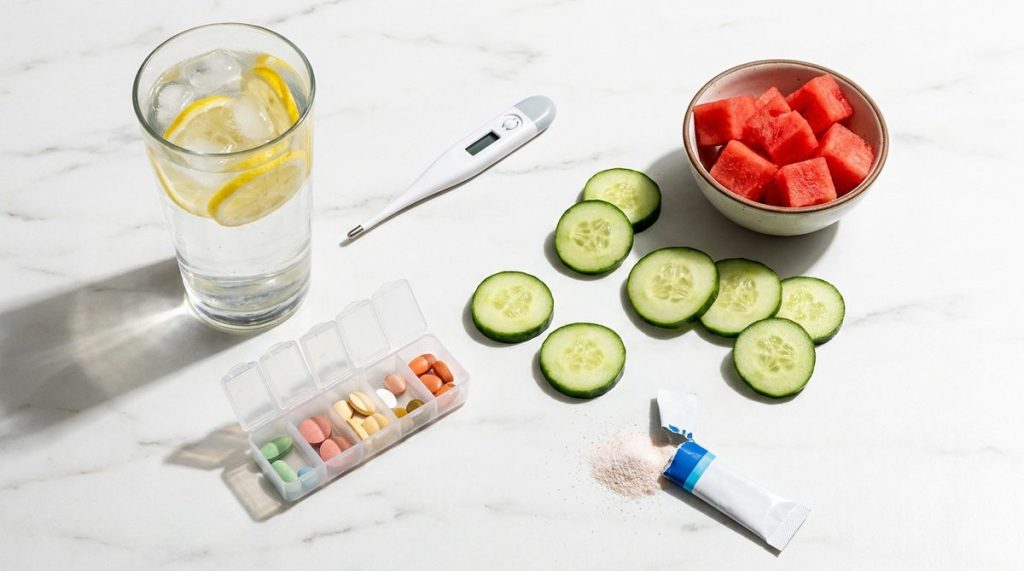
- Eat your water. Roughly 20% of daily fluid intake comes from food. Prioritize high-water-content foods: cucumbers (96% water), watermelon (92%), strawberries (91%), cantaloupe (90%), broths and soups, and plain yogurt (88%). This strategy is especially useful for people who say they “just don’t like drinking water.”
- Use the urine color check twice daily. Aim for pale straw yellow—not clear (which may indicate overhydration) and not dark gold or amber. Check once in the morning and once mid-afternoon.
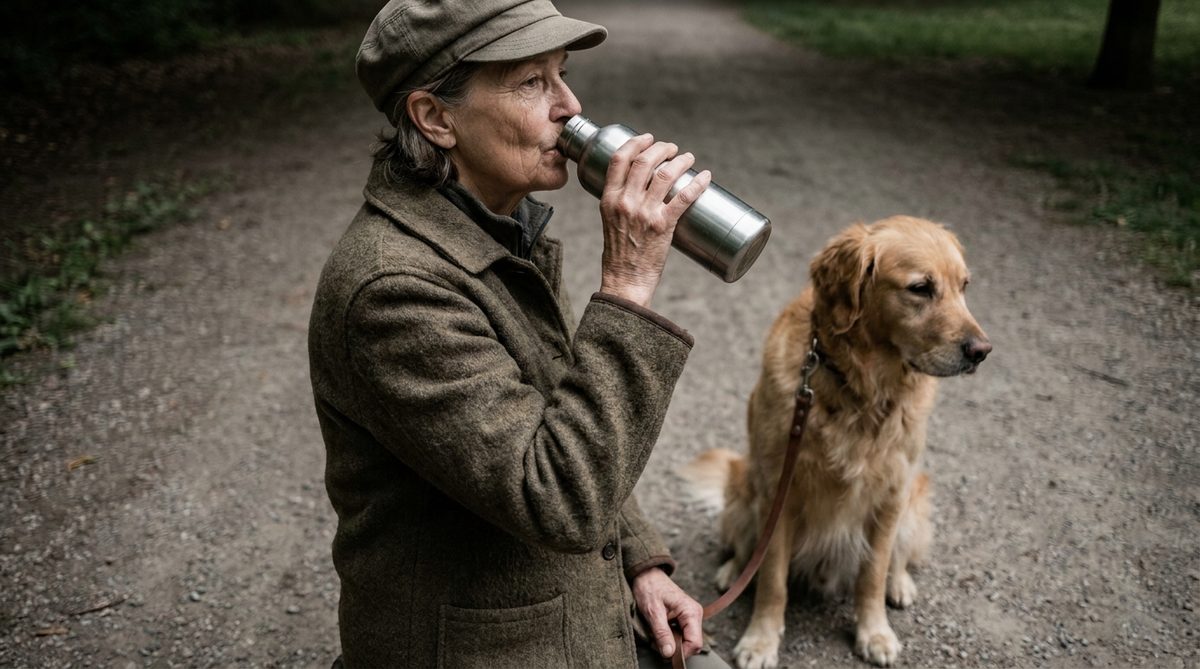
- Set environmental cues. Keep a filled water bottle wherever you spend the most time—your reading chair, your workshop bench, your garden cart. Visibility is the most underrated hydration tool. If you use age-tech devices at home, some smart water bottles now sync with health apps to track intake. You can explore more options in Age Tech Devices That Help Seniors Age in Place Safely.
- Account for “dehydration accelerators.” Coffee, alcohol, extreme heat, airplane travel, high-altitude environments, and intense physical activity all increase fluid needs. On days when any of these factors are present, add 16-24 ounces above your baseline.
The Electrolyte Factor: Beyond Plain Water
Sodium, Potassium, and Magnesium Matter
Hydration isn’t just about water volume—it’s about electrolyte balance. Older adults are particularly vulnerable to hyponatremia (low blood sodium), which can occur from drinking too much plain water without adequate electrolyte intake. Symptoms overlap with dehydration: confusion, fatigue, nausea, and in severe cases, seizures.
I recommend incorporating natural electrolyte sources before reaching for commercial sports drinks, which often contain excessive sugar. A pinch of sea salt in your morning water, a banana with breakfast for potassium, and a handful of pumpkin seeds for magnesium can make a measurable difference.
When Electrolyte Supplements Make Sense
For clients who exercise regularly, live in warm states like Arizona or Florida, or take diuretics, I often suggest low-sugar electrolyte packets (look for brands with under 5 grams of sugar per serving). The best formulations contain sodium, potassium, magnesium, and sometimes zinc—without artificial colors or excessive sweeteners.
Diet adjustments like these are part of a broader strategy for healthy aging. For a comprehensive framework, take a look at 6 Pillars of Healthy Aging After 50 That Actually Work.
Special Considerations for Chronic Conditions
Diabetes
Elevated blood glucose levels cause the kidneys to excrete more water, creating a relentless dehydration cycle. Adults with Type 2 diabetes—which affects over 29% of Americans aged 65 and older, per CDC estimates—need to be especially vigilant about fluid intake. High-water-content, low-glycemic foods like cucumbers and berries serve double duty here.
Heart Failure
This is the one major condition where “drink more water” isn’t universally appropriate. Many heart failure patients have fluid restrictions of 48-64 ounces daily. If you have heart failure, work closely with your cardiologist and a registered dietitian to find your optimal range. Overhydration can be just as dangerous as dehydration in this population.
Chronic Kidney Disease (CKD)
CKD stages 3-5 often require individualized fluid and electrolyte guidelines. Potassium restrictions, in particular, can complicate the “eat your water” strategy, since many high-water fruits are also high in potassium. This is exactly where personalized nutritional counseling becomes essential rather than optional.
What the Latest Research Tells Us
A 2024 cohort study published in The Lancet regional health series followed over 11,000 adults aged 55-75 for a median of six years. Participants who consistently maintained serum sodium levels in the optimal range (135-142 mmol/L)—a proxy for adequate hydration—had a 20% lower risk of developing chronic disease and a 15% lower risk of premature death compared to those with levels suggesting chronic underhydration.
Separately, the National Institutes of Health allocated significant funding in 2025 to study how sustained hydration interventions affect biological aging markers. Early results suggest that adequate hydration may slow epigenetic aging—a finding that complements emerging research on biological age reversal. For more on that fascinating area, see Scientists Reversed Biological Age in 4 Weeks: What It Means.
Practical Tools for Tracking Hydration
You don’t need complex technology, but some tools genuinely help:
- Marked water bottles — bottles with time-based volume markers remind you to sip throughout the day
- Smartphone alarms — set reminders every 90 minutes during waking hours
- Simple tally systems — place eight rubber bands on your water bottle each morning; remove one each time you finish a glass
- Wearable hydration monitors — newer wrist-worn devices estimate hydration status via sweat analysis, though accuracy varies
When to Seek Medical Attention
Dehydration in older adults can escalate quickly from inconvenient to life-threatening. Go to the emergency room or call 911 if you or a loved one experiences:
- Confusion or sudden disorientation that doesn’t resolve within minutes
- Rapid heartbeat with dizziness upon standing
- No urine output for 8 or more hours
- Fainting or near-fainting episodes
- Fever above 101°F combined with inability to keep fluids down
Intravenous rehydration can restore fluid balance within hours, but the downstream consequences—kidney injury, medication toxicity, fall-related fractures—can take weeks or months to resolve. Prevention is always the better investment.
The Bottom Line: Hydration Is a Daily Health Decision
Dehydration in older adults isn’t a minor inconvenience—it’s a clinical condition with cascading consequences for the brain, kidneys, heart, and musculoskeletal system. The physiological changes of aging make it virtually guaranteed that your body won’t alert you in time unless you build proactive habits.
After over a decade of working with older adults managing chronic conditions, I can say with confidence that consistent hydration is one of the highest-impact, lowest-cost interventions available. It doesn’t require a prescription, a specialist referral, or insurance approval. It requires a plan, a water bottle, and the willingness to treat hydration with the same seriousness as your medications.
Start with the seven-step plan above. Share it with your spouse, your friends, your book club. Because the best way to stay out of the emergency room this summer—and every season after—might just be the glass of water sitting within arm’s reach right now.
About Dr. Linda Park, PhD, RD (Registered Dietitian)
Dr. Linda Park is a Registered Dietitian with a PhD in Nutritional Science and 15 years of clinical and research experience focused on older adults. She has published peer-reviewed research on the role of nutrition in managing diabetes, cardiovascular health, and cognitive decline in seniors. At Daily Trends Now, Dr. Park writes evidence-based articles on senior nutrition, supplement safety, meal planning, and the foods that truly make a difference for aging well.