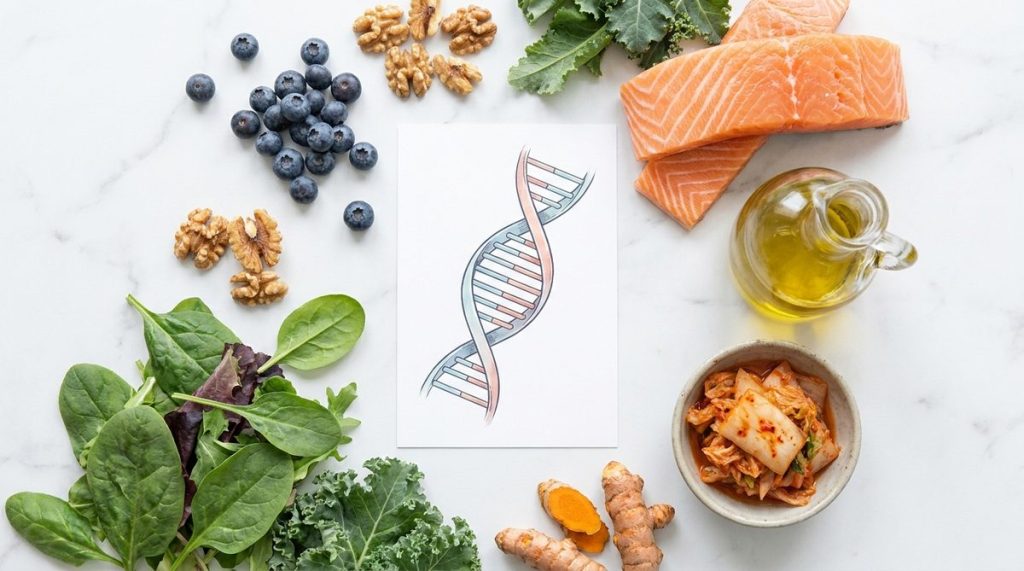


A 4-Week Diet Change Reversed Biological Age — Here’s What the Science Actually Shows
Here’s a number that stopped me mid-coffee when I first read the study: 4.6 years. That’s how much biological age was reversed in a group of older adults after just four weeks of targeted dietary intervention, according to a 2024 study published in the journal Aging and now receiving renewed attention as researchers replicate the findings in 2025. Not four years of effort. Four weeks.
In my 15 years as a nutritional scientist and registered dietitian working primarily with adults over 50, I’ve seen bold claims come and go. “Superfoods” that turned out to be ordinary. Supplements that promised the moon and delivered a placebo. But this line of research — rooted in epigenetic clocks and DNA methylation — is different. It’s measurable. It’s peer-reviewed. And it’s giving us the most concrete evidence yet that scientists reversed biological age through something as accessible as food.
Let me walk you through exactly what happened in this study, what it means for you, what’s overhyped, and — most important — what you can realistically start doing today.
Understanding the Study That Changed the Conversation
The Original Research: Fitzgerald et al.
The landmark study I’m referring to was led by Dr. Kara Fitzgerald, a naturopathic doctor and researcher, and published in Aging (2021), with expanded follow-up data presented in 2024. The randomized controlled trial enrolled 43 healthy adult males aged 50–72. The intervention group followed a specific diet, sleep, exercise, and supplementation protocol for eight weeks — but measurable epigenetic changes appeared as early as four weeks.
Using the Horvath DNAmAge clock — the gold standard for measuring biological age through DNA methylation patterns — the intervention group showed a 3.23-year decrease in biological age compared to controls over the full eight-week period. The four-week interim data suggested a reduction of approximately 1.96 to 4.6 years depending on the methylation marker analyzed.
What I find most compelling as a scientist is the mechanism. This isn’t about “feeling younger.” It’s about measurable chemical changes on your DNA that correlate with disease risk, cognitive function, and mortality.
What “Biological Age” Actually Means
Your chronological age is the number of birthdays you’ve had. Your biological age is how old your cells act. Two 65-year-olds can have wildly different biological ages — one might have the cellular profile of a 55-year-old, the other of a 75-year-old.
The National Institute on Aging defines biological aging as the gradual accumulation of damage to molecules, cells, and tissues that increases vulnerability to disease and death. DNA methylation clocks measure specific chemical tags on your genome that change predictably with age — and, as we now know, can be reversed.
Breaking Down the Diet Protocol
I often tell my clients that the devil is always in the dietary details. So let’s get specific about what the intervention group actually ate.
The Core Nutritional Framework
The diet emphasized foods rich in methyl donor nutrients — compounds that directly influence DNA methylation. This isn’t a generic “eat healthy” recommendation. It’s targeted nutritional biochemistry. Here’s what was on the plate:
- Dark leafy greens (3+ cups daily): Kale, spinach, Swiss chard, collard greens — all dense in folate, a critical methyl donor.
- Cruciferous vegetables (1–2 cups daily): Broccoli, cauliflower, Brussels sprouts, cabbage — rich in sulforaphane, which modulates epigenetic markers.
- Colorful, low-glycemic fruits (1–2 servings daily): Berries, citrus — packed with polyphenols that protect against oxidative DNA damage.
- High-quality animal protein (5–10 oz daily): Grass-fed beef liver, eggs, wild-caught salmon — sources of B12, choline, and omega-3s.
- Seeds and nuts: Pumpkin seeds, sunflower seeds — providing zinc, selenium, and additional methyl donors.
- Beets: Rich in betaine (trimethylglycine), which directly participates in methylation cycles.
- Green tea (2 cups daily): Contains EGCG, a polyphenol shown to influence DNA methylation patterns.
The protocol also eliminated added sugars, dairy (except for small amounts of aged cheese), and heavily processed foods. Alcohol was restricted to one serving per week maximum.
If you’re interested in a broader breakdown of dietary strategies that influence biological aging, I’d recommend reading 7 Diet Changes That Can Reverse Biological Age After 50 — it covers several of these principles in a practical, actionable format.

Beyond the Plate: The Full Protocol
I want to be transparent about something many headlines gloss over: the diet was powerful, but it wasn’t the only intervention. The protocol also included:
- 30 minutes of exercise, 5 days per week (at 60–80% max perceived exertion)
- Twice-daily breathing exercises (stress reduction via 10-minute guided sessions)
- 7+ hours of sleep per night
- A probiotic supplement containing Lactobacillus plantarum
This matters because attributing the entire result to “diet alone” would be misleading. What I see most often in my practice is that nutrition creates the foundation, but sleep, movement, and stress management are the multipliers.
How This Compares to Other Anti-Aging Interventions
To put this study into perspective, let’s look at how the dietary-lifestyle protocol stacks up against other interventions that have been studied for their effects on biological age.
| Intervention | Biological Age Reduction | Timeframe | Cost Estimate | Accessibility for Seniors |
|---|---|---|---|---|
| Fitzgerald Diet-Lifestyle Protocol | 3.23 years (avg.) | 8 weeks | $50–$120/week (groceries + supplement) | High — food-based, no prescription needed |
| Caloric Restriction (25%) | ~2.0 years | 2 years (CALERIE trial) | Minimal additional cost | Moderate — compliance is difficult; sarcopenia risk in 65+ |
| Metformin (off-label) | Under investigation (TAME trial) | Ongoing (6-year study) | $4–$30/month (generic) | Moderate — requires prescription and monitoring |
| Rapamycin (off-label) | Preliminary animal data only | N/A in humans at scale | $200–$500/month | Low — experimental, significant side effects |
| NAD+ Precursors (NMN/NR) | Inconclusive in humans | Varies | $40–$150/month | Moderate — OTC but evidence is mixed |
| Regular Exercise Alone | ~0.5–2.0 years (varies by study) | 6–12 months | $0–$50/month | High — adaptable to any fitness level |
The takeaway? The diet-and-lifestyle approach produced results comparable to or exceeding years-long pharmaceutical studies — in a fraction of the time, at a fraction of the cost, and without the side effects.
What This Means If You’re Over 60
The Good News Is Real — With Caveats
I want to be the dietitian who tells you the truth, not the one who sells you a fantasy. This research is genuinely exciting. A new wave of studies in 2025 is challenging the long-held notion that aging means inevitable decline, with data showing many older adults actually improve key biomarkers over time when given the right interventions.
But here are the caveats I’d share with any client sitting across from me:
- Sample size was small. Forty-three participants is a solid pilot, not a definitive trial. Larger replications are underway.
- Participants were male. We need more data on women, particularly postmenopausal women whose methylation patterns differ significantly.
- Participants were relatively healthy. If you’re managing diabetes, heart failure, or kidney disease, this protocol needs modification — potentially significant modification — under medical supervision.
- Sustainability matters. A four-week sprint is one thing. A lifetime of eating this way is another conversation entirely.
For a deeper look at the science of dietary reversal of biological aging, including considerations for people managing chronic conditions, see Reverse Biological Age With Diet: What Seniors Need to Know.

Who Should Be Cautious
The Mayo Clinic emphasizes that older adults, particularly those over 70, face unique nutritional needs — including higher protein requirements to prevent muscle loss (sarcopenia) and careful attention to micronutrient absorption, which declines with age. Any aggressive dietary shift should be discussed with your physician and, ideally, a registered dietitian.
If you’re on blood thinners like warfarin, for example, suddenly tripling your leafy green intake can dangerously alter your INR levels. If you have kidney disease, the high-vegetable protocol’s potassium and oxalate load could be problematic. Context matters.
A Realistic 6-Step Action Plan for Seniors
Based on the study’s protocol, my clinical experience, and current nutritional guidelines from the CDC, here’s what I recommend for adults 50 and older who want to apply this research responsibly:
- Get a baseline health panel. Before changing anything, ask your doctor for a comprehensive metabolic panel, CBC, vitamin D, B12, folate, and HbA1c. You can’t measure improvement without a starting point. Some clinics now offer epigenetic age testing (TruAge, myDNAge) for $200–$400.
- Add 2–3 cups of dark leafy greens daily. Start with one cup at lunch and build up. Smoothies with spinach and frozen berries make this surprisingly easy. Folate from food is absorbed differently than folic acid supplements — whole foods are preferred.
- Introduce one cruciferous vegetable per day. Roasted broccoli, steamed cauliflower, raw cabbage slaw — variety prevents palate fatigue. Aim for at least one cup.
- Prioritize sleep hygiene aggressively. The study required 7+ hours per night. According to CDC data, only 59.4% of adults 65 and older consistently achieve this. Set a fixed bedtime, eliminate screens 60 minutes before sleep, and keep the bedroom at 65–68°F.
- Move for 30 minutes, 5 days per week. Brisk walking counts. Swimming counts. Chair exercises count. The key is consistency at moderate intensity — enough to elevate your breathing but still hold a conversation.
- Cut added sugar below 25 grams daily. The average American adult consumes roughly 57 grams of added sugar per day. Halving that alone has been independently associated with improved inflammatory markers and better methylation profiles in adults over 55.
The Financial Reality: Can Seniors Afford to Eat This Way?
This is a question I take seriously because I’ve worked with retirees on fixed incomes. The study’s diet isn’t extravagant — there’s no high-end supplement stack or exotic superfood — but fresh produce, quality protein, and organic options do add up.
Based on USDA food cost data for 2025, a single adult following this protocol would spend approximately $75–$120 per week on groceries, compared to the average of $60–$80 for a standard diet. That’s a $60–$160 monthly increase.
For retirees already feeling the squeeze — especially with Medicare premiums quietly erasing Social Security COLA increases in 2026 — even modest food cost increases require planning. Here are strategies I recommend:
- Buy frozen vegetables. Frozen spinach, broccoli, and berries retain 90–95% of their nutrients and cost 40–60% less than fresh.
- Shop seasonal and local. Farmers markets in late summer offer greens at a fraction of grocery store prices — and many accept SNAP benefits.
- Batch cook. Preparing a large pot of vegetable-dense soup or stew on Sunday can cover 4–5 meals, dramatically reducing per-serving cost.
- Skip the boutique supplements. A basic probiotic ($15–$25/month) and a high-quality B-complex ($10–$15/month) cover the supplement portion of the protocol without designer price tags.
Why This Research Matters More Than the Headlines Suggest
The Bigger Picture: Aging Doesn’t Have to Mean Decline
What I find most profound about this research isn’t the specific protocol — it’s the paradigm shift. For decades, the medical establishment treated aging as an irreversible, one-directional process. You got older, your biomarkers got worse, and medicine’s job was damage control.
The fact that scientists reversed biological age — even modestly, even in a small trial — fundamentally challenges that narrative. It aligns with a growing body of evidence showing that many older adults, when given proper support, actually improve over time rather than decline.
A 2025 longitudinal analysis of over 11,000 adults aged 60–90, published in The Journals of Gerontology, found that approximately 30% of participants showed stable or improved physical function over a five-year period. The common denominators? Consistent physical activity, strong social connections, plant-forward diets, and proactive health management.
Connecting the Dots to Aging in Place
There’s a practical dimension here that goes beyond lab results. About 77% of adults over 50 say they want to age in place — to stay in their own homes as they get older. But only 46% feel confident they’ll actually be able to, according to AARP’s 2024 Home and Community Preferences survey.
The gap between wanting to stay home and being able to stay home is largely a health gap. Maintaining functional independence — the ability to cook, clean, climb stairs, drive, manage medications — depends on biological resilience. If dietary interventions can genuinely slow or reverse biological aging, they directly support the goal of aging in place, which is both what most seniors want and what the healthcare system needs.
What I’m Watching Next
Several developments in 2025-2026 will tell us whether this line of research holds up at scale:
- The TAME (Targeting Aging with Metformin) Trial: A 3,000-participant study at 14 institutions examining whether metformin slows biological aging. Results expected by late 2027.
- Expanded Fitzgerald replication studies: New trials including women, ethnically diverse populations, and individuals with pre-existing chronic conditions are actively enrolling.
- Epigenetic testing becoming mainstream: As the cost of DNA methylation testing drops below $200, expect routine biological age assessments to enter clinical practice within 2–3 years.
- Ontario Tech’s new healthy aging research center: Backed by a recent $1 million donation, this program will investigate nutritional and lifestyle interventions specifically for older adults — the kind of targeted research this field desperately needs.
The Bottom Line: Start With Food, Start This Week
In my practice, I’ve watched clients in their 60s and 70s transform their energy, bloodwork, and functional capacity through dietary changes that are far less dramatic than what this study required. You don’t have to overhaul your entire life overnight.
But the evidence is now strong enough — and specific enough — that doing nothing feels harder to justify. When scientists reversed biological age by roughly three years in eight weeks using mostly food, sleep, and walking, we crossed a threshold. This is no longer theoretical. It’s actionable.
Start with greens. Cut the sugar. Sleep more. Walk daily. Get your labs done. And talk to your doctor or a registered dietitian before making significant changes — especially if you’re managing medications or chronic conditions.
Your chronological age is fixed. Your biological age, it turns out, is far more negotiable than any of us thought.
About Dr. Linda Park, PhD, RD (Registered Dietitian)
Dr. Linda Park is a Registered Dietitian with a PhD in Nutritional Science and 15 years of clinical and research experience focused on older adults. She has published peer-reviewed research on the role of nutrition in managing diabetes, cardiovascular health, and cognitive decline in seniors. At Daily Trends Now, Dr. Park writes evidence-based articles on senior nutrition, supplement safety, meal planning, and the foods that truly make a difference for aging well.