

Key Takeaways
- Adults who adopt five specific lifestyle habits after age 50 can gain 12 to 14 additional years of disease-free living, according to Harvard research.
- Healthspan—not just lifespan—is now the primary focus of senior living and aging research in 2025.
- Nutrition quality, not calorie restriction, is the single most modifiable factor in managing chronic conditions after 60.
- Aging in place successfully requires proactive health planning, not just home modifications.
The Statistic That Changed How I Counsel Older Adults
Here’s a number that stops most of my clients mid-sentence: adults who maintain just five core lifestyle habits after age 50 can expect 12 to 14 additional years free of type 2 diabetes, cardiovascular disease, and cancer. That finding, published in the BMJ in 2020 using data from over 110,000 participants in the Harvard Nurses’ Health Study and Health Professionals Follow-Up Study, fundamentally reshaped how I approach nutritional counseling for anyone over 50.
The five habits aren’t exotic. They’re a healthy diet, regular physical activity, a healthy body weight, moderate alcohol intake, and not smoking. Yet fewer than 8% of American adults over 50 consistently practice all five. In my 15 years of clinical practice as a registered dietitian and nutritional scientist, what I see most often is not a lack of desire—it’s a gap between knowing what’s healthy and understanding how to implement it within the realities of aging bodies, fixed incomes, and chronic conditions already in progress.
This article is my deep-dive analysis into the healthy aging habits for seniors that actually move the needle, backed by the latest research from 2024 and 2025, and informed by what I observe working directly with older adults every week.
Healthspan vs. Lifespan: Why the Distinction Matters Now More Than Ever
The conversation in geriatric health has shifted dramatically. In 2025, the focus is no longer just on how long you live but on how long you live well. Researchers call this “healthspan”—the period of life spent in good health, free from the chronic diseases and disabilities that diminish independence.
A 2025 report from the National Institute on Aging highlights that the average 65-year-old American can expect to live another 19.4 years, but roughly 8.5 of those years will involve significant functional limitations. That gap—over a decade of compromised health—is what the healthspan movement aims to close. New research from senior living organizations confirms that healthspan is now the growing priority in aging research funding and residential care models alike.
I often tell my clients that healthspan is the return on investment for every good habit they build today. A 55-year-old who starts strength training and improves protein intake isn’t just adding years—they’re adding functional years, the kind where you can pick up a grandchild, travel independently, or simply walk to the mailbox without fear of falling.
The Five Pillars of Healthy Aging Habits for Seniors
Pillar 1: Nutrition Quality Over Calorie Counting
If there’s one message I could broadcast to every American over 60, it’s this: stop counting calories and start counting nutrients. After 50, the body’s caloric needs decrease by roughly 200 calories per decade, but the need for specific nutrients—protein, calcium, vitamin D, B12, and potassium—actually increases. This creates what geriatric nutritionists call the “nutrient density squeeze.”
The Mayo Clinic recommends that adults over 65 consume 1.0 to 1.2 grams of protein per kilogram of body weight daily to prevent sarcopenia (age-related muscle loss). For a 160-pound person, that translates to 73 to 87 grams of protein per day—far more than most seniors currently consume. NHANES data from 2023 shows that nearly 46% of adults over 70 fall short of even the minimum recommended protein intake.
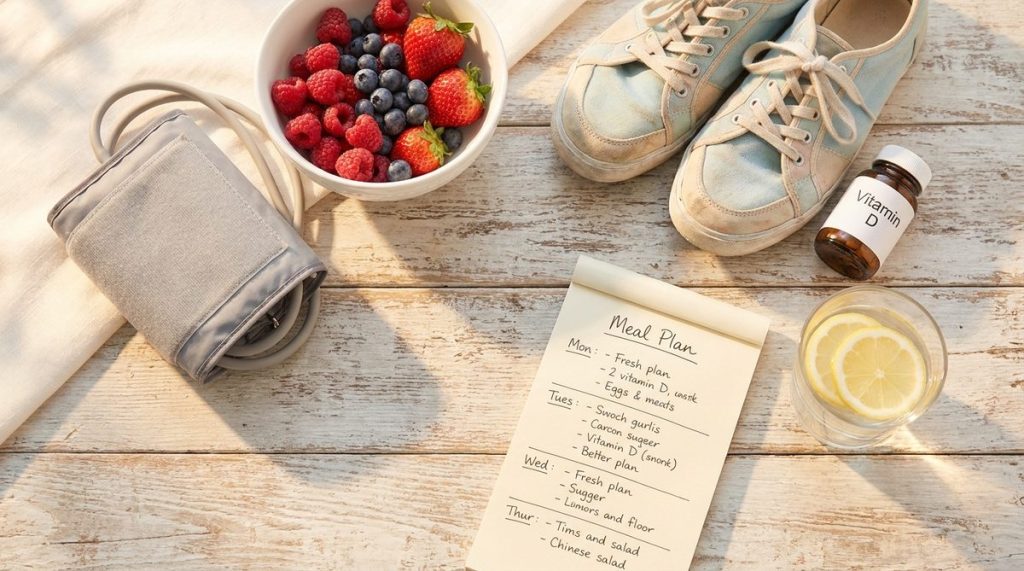
What does this look like in practice? I guide my clients toward what I call the “protein-first plate”: building every meal around a quality protein source (eggs, Greek yogurt, fish, poultry, legumes) and then adding colorful vegetables, healthy fats, and a moderate portion of whole grains. This approach naturally displaces ultra-processed foods, which a 2024 study in The Lancet linked to a 22% higher risk of cognitive decline in adults over 55.
For those interested in the specific role of micronutrients in brain health, I recommend reading Vitamin C and Brain Aging: What New Research Means for Seniors—it covers emerging findings that are directly relevant here.
Pillar 2: Movement That Preserves Independence
The CDC reports that one in four Americans aged 65 and older falls each year, resulting in over 3 million emergency department visits annually. Falls are the leading cause of injury-related death in this age group. Yet the most effective intervention—consistent strength and balance training—remains dramatically underutilized.
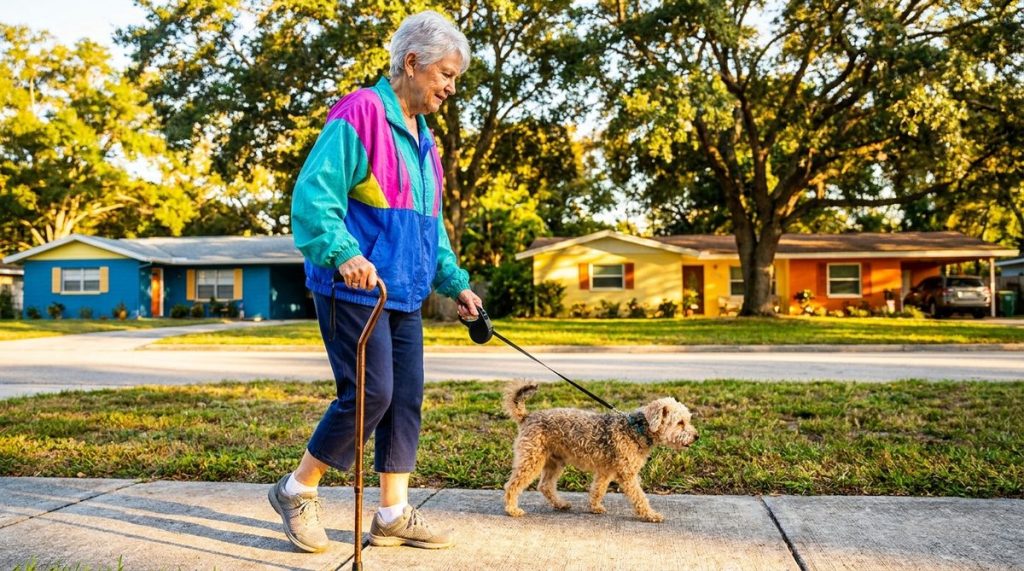
Only 27% of adults over 65 meet the federal Physical Activity Guidelines for both aerobic and muscle-strengthening activities. What I emphasize with my clients is that the goal isn’t to run marathons. It’s functional fitness: the ability to rise from a chair without using your arms, carry groceries, and recover from a stumble before it becomes a fall.
The evidence base for resistance training in older adults is now overwhelming. A 2024 meta-analysis in Sports Medicine found that adults over 60 who performed resistance exercises two to three times weekly experienced a 34% reduction in fall risk and a measurable improvement in walking speed—a clinical marker so predictive of longevity that geriatricians sometimes call it “the sixth vital sign.”
Pillar 3: Sleep as a Chronic Disease Shield
Sleep is the most underrated healthy aging habit for seniors, and I say that without exaggeration. Adults over 65 need seven to eight hours of sleep per night, yet CDC surveillance data shows that more than one-third of older Americans report sleeping fewer than seven hours regularly.
The consequences are not merely feeling tired. Poor sleep in adults over 50 has been linked to:
- A 45% higher risk of developing or worsening coronary heart disease
- Impaired glucose regulation, accelerating the progression of prediabetes to type 2 diabetes
- Elevated beta-amyloid plaque accumulation in the brain, a hallmark of Alzheimer’s disease
- Increased systemic inflammation, measured by elevated C-reactive protein levels
What I see most often in my practice is older adults who dismiss poor sleep as a normal part of aging. It isn’t. Sleep architecture does change with age—lighter sleep, more awakenings—but chronic sleep deprivation is a modifiable risk factor, not an inevitability. Simple interventions like consistent sleep-wake times, limiting caffeine after noon, and addressing untreated sleep apnea can be transformative.
Pillar 4: Social Connection as a Health Behavior
In 2023, the U.S. Surgeon General declared loneliness and social isolation a public health epidemic, estimating that prolonged isolation carries health risks equivalent to smoking 15 cigarettes daily. For adults over 65, the stakes are especially high: socially isolated older adults face a 50% increased risk of dementia and a 29% increased risk of coronary heart disease.
I’ve started treating social engagement like I treat dietary fiber—it’s not glamorous, but the data is irrefutable, and most people aren’t getting enough. Community-based activities, volunteer work, faith groups, and even regular phone calls with friends serve as a buffer against the physiological stress response that drives chronic inflammation.
For the many seniors who intend to remain in their homes long-term, maintaining social infrastructure is just as critical as installing grab bars. If you’re exploring what it takes to stay in your home safely as you age, Aging in Place: Why Most Seniors Want It but Few Plan for It offers a practical and honest look at the challenges most people overlook.
Pillar 5: Proactive Health Literacy and Self-Advocacy
Here’s a finding that should alarm anyone who cares about senior health outcomes: according to the U.S. Department of Health and Human Services, only 12% of American adults have proficient health literacy. Among adults over 65, that number drops even further. Low health literacy is independently associated with higher hospitalization rates, poorer medication adherence, and increased mortality.
Boosting health literacy doesn’t mean becoming a medical expert. It means understanding your own lab results, knowing the difference between a generic and brand-name medication, being able to evaluate whether a supplement claim is supported by evidence, and feeling confident enough to ask your physician clarifying questions.
I often tell my clients: the most important nutrient is information. A senior who understands that their hemoglobin A1C of 6.3% indicates prediabetes—and knows that dietary changes can reverse it—is in a fundamentally different position than someone who simply hears “your blood sugar is a little high” and leaves the office without a plan.
The Nutrition-Chronic Disease Connection After 60: What the Data Actually Shows
Let me get specific, because vague dietary advice is the enemy of real change. The three chronic conditions I encounter most frequently in my clients over 60 are hypertension, type 2 diabetes, and osteoarthritis. Each one responds measurably to targeted nutritional strategies.
Hypertension
The DASH (Dietary Approaches to Stop Hypertension) eating pattern remains the gold standard. In clinical trials, DASH reduced systolic blood pressure by 8 to 14 mmHg—comparable to a single antihypertensive medication. Key components include:
- 4 to 5 servings of fruits and vegetables daily (potassium-rich choices like bananas, sweet potatoes, and spinach are especially effective)
- Sodium intake below 2,300 mg per day, with an ideal target of 1,500 mg for those with established hypertension
- 2 to 3 servings of low-fat dairy (for calcium and additional potassium)
- Limited saturated fat and added sugars
Type 2 Diabetes
The American Diabetes Association’s 2024 Standards of Care confirm that medical nutrition therapy can reduce A1C by 1.0 to 1.9 percentage points in people with type 2 diabetes—again, comparable to many oral medications. For my older clients, I focus on glycemic load management: pairing carbohydrates with protein or healthy fat, choosing intact whole grains over refined flours, and spacing carbohydrate intake evenly across meals to prevent postprandial glucose spikes.
Osteoarthritis
A 2024 systematic review in Nutrients found that anti-inflammatory dietary patterns (rich in omega-3 fatty acids, polyphenols, and fiber) reduced self-reported joint pain by 18 to 25% in adults over 55 with knee osteoarthritis. Maintaining a healthy weight is equally critical—every pound of body weight lost removes roughly four pounds of mechanical stress from the knee joint.
The Aging-in-Place Factor: Why Health Habits and Home Environment Are Inseparable
Recent survey data confirms what many of us in the field already knew: the overwhelming majority of older Americans—approximately 77%, according to AARP’s 2024 Home and Community Preferences Survey—want to age in their own homes. But wanting to stay home and being physically capable of doing so are two different things.
Healthy aging habits for seniors are the bridge between intention and reality. The senior who maintains muscle mass through resistance training is less likely to fall. The senior who manages blood pressure through diet is less likely to experience a stroke that forces a move to assisted living. The senior who stays socially connected is less likely to develop the depression and cognitive decline that erode the ability to live independently.
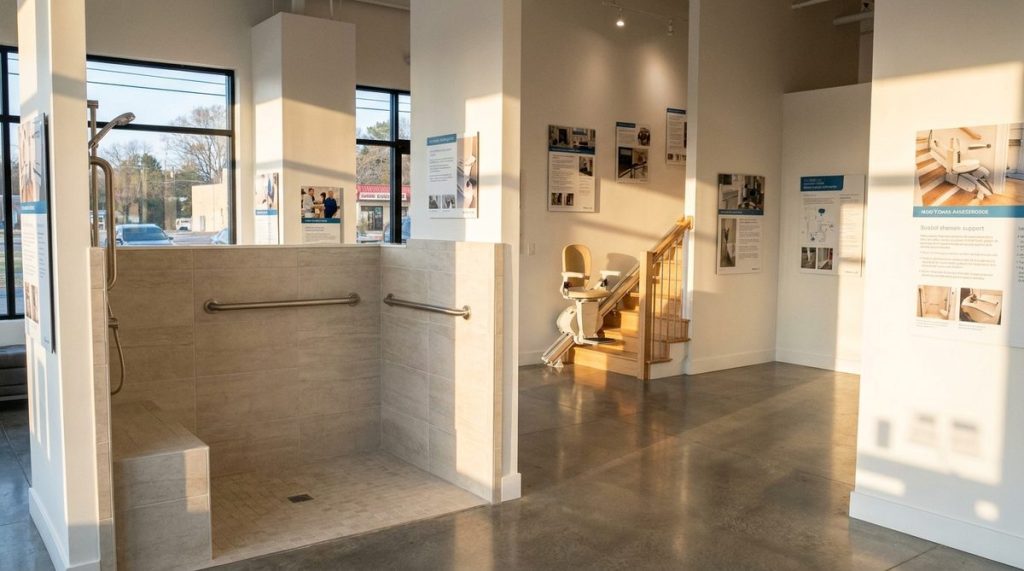
For those actively planning to remain at home, the physical environment matters too. Small, affordable modifications can make a significant difference. I recommend exploring How to Set Up Your Home to Age in Place for Under $1,500 for a practical starting point.
Climate Change: An Emerging Threat to Senior Health That Demands Attention
This is a topic I’ve been raising with clients more frequently since 2023, and new studies in 2025 are reinforcing the urgency. Older adults are disproportionately vulnerable to extreme heat events due to age-related changes in thermoregulation, higher rates of cardiovascular and kidney disease, and the effects of common medications (diuretics, beta-blockers, anticholinergics) that impair the body’s ability to cool itself.
Between 2018 and 2023, heat-related emergency department visits among adults 65 and older increased by 56%, per CDC data. During the 2024 summer heat waves across the southern United States, adults over 70 accounted for a staggering 72% of heat-related fatalities in Arizona and Texas.
From a nutritional standpoint, I counsel older clients to increase hydration proactively during warm months—not waiting until they feel thirsty, since the thirst mechanism weakens with age. Electrolyte balance also becomes critical: adequate sodium, potassium, and magnesium intake can help prevent the dangerous combination of dehydration and heat exhaustion.
Putting It All Together: A Framework, Not a Formula
After 15 years of working with older adults, I’ve learned that the most effective healthy aging plans are the ones people actually follow. Perfection isn’t the goal—consistency is. I encourage my clients to focus on what I call “the daily non-negotiables”: a minimum of 25 grams of protein at breakfast, 20 minutes of intentional movement, seven hours of sleep, and one meaningful social interaction.
These aren’t arbitrary targets. Each one is anchored in clinical evidence, and together they form a synergistic pattern that reduces chronic disease risk, preserves cognitive function, and extends the years of independent, engaged living that define true healthspan.
The research is clear. The habits are accessible. And the window to start—or restart—is always open. What I tell every client who walks through my door is this: the best time to invest in your health was 20 years ago. The second-best time is this afternoon.
Frequently Asked Questions
What are the most important healthy aging habits for seniors over 60?
The most evidence-backed habits include consuming a nutrient-dense diet high in protein, engaging in regular strength and balance training, prioritizing seven to eight hours of sleep, maintaining social connections, and building health literacy to manage chronic conditions proactively.
How much protein do seniors need daily to prevent muscle loss?
Current guidelines recommend 1.0 to 1.2 grams of protein per kilogram of body weight daily for adults over 65. For a 160-pound person, this translates to approximately 73 to 87 grams per day, spread across meals for optimal absorption.
Can diet alone help manage high blood pressure in older adults?
Yes, the DASH eating pattern has been shown in clinical trials to reduce systolic blood pressure by 8 to 14 mmHg, which is comparable to the effect of a single antihypertensive medication. However, dietary changes should complement—not replace—medical treatment without your doctor's guidance.
Why is sleep so important for healthy aging?
Chronic sleep deprivation in adults over 50 is linked to a 45% higher risk of coronary heart disease, accelerated progression of prediabetes, increased brain amyloid plaque accumulation associated with Alzheimer's disease, and elevated systemic inflammation. Quality sleep is a critical and modifiable risk factor.
How does climate change specifically threaten the health of older adults?
Older adults are more vulnerable to extreme heat due to reduced thermoregulation, higher rates of chronic disease, and medications that impair cooling. CDC data shows heat-related emergency visits among adults 65 and older rose 56% between 2018 and 2023, making hydration and electrolyte management essential during warm months.
About Dr. Linda Park, PhD, RD (Registered Dietitian)
Dr. Linda Park is a Registered Dietitian with a PhD in Nutritional Science and 15 years of clinical and research experience focused on older adults. She has published peer-reviewed research on the role of nutrition in managing diabetes, cardiovascular health, and cognitive decline in seniors. At Daily Trends Now, Dr. Park writes evidence-based articles on senior nutrition, supplement safety, meal planning, and the foods that truly make a difference for aging well.