

The Striking Disconnect Between Desire and Preparation
Here’s a statistic that stopped me in my tracks: according to a 2024 AARP survey, roughly 77% of adults aged 50 and older say they want to age in place—to remain in their own homes as they grow older. Yet only 46% of those same respondents said they feel “very confident” they’ll actually be able to do so. That gap—31 percentage points separating hope from confidence—represents millions of Americans heading toward a future they haven’t adequately planned for.
In my 18 years as a board-certified geriatric physical therapy specialist, I’ve watched this disconnect play out in real time. Patients arrive in my clinic after a fall, a hip fracture, or a sudden decline in mobility, and the first thing they tell me is, “I just want to get back home.” The problem isn’t the desire. It’s that the groundwork—physical, financial, and environmental—was never laid.
This article is my attempt to close that gap. I’m going to walk you through the evidence on what aging in place actually requires, where most people fall short, and the concrete steps you can take right now—whether you’re 55 or 85—to dramatically improve your odds of staying home safely for the long haul.
What “Aging in Place” Really Means (and Doesn’t Mean)
The National Institute on Aging defines aging in place as “the ability to live in one’s own home and community safely, independently, and comfortably, regardless of age, income, or ability level.” Notice what’s embedded in that definition: it doesn’t mean doing everything alone. It means maintaining autonomy in a familiar environment with appropriate support.
I often tell my patients that aging in place is not the same as aging in isolation. The most successful cases I’ve seen involve people who proactively built a support ecosystem—physical therapists, occupational therapists, home health aides, neighbors, technology, and modified living spaces—well before a crisis forced their hand.
The Three Pillars of Successful Aging in Place
After treating thousands of older adults across home health, outpatient, and skilled nursing settings, I’ve come to see aging in place as resting on three pillars:
- Physical capacity: The strength, balance, and endurance to perform daily activities safely.
- Environmental readiness: A home that’s been adapted to reduce fall risk and accommodate changing mobility.
- Support infrastructure: Access to healthcare, social connection, transportation, and financial resources.
Neglect any one of these and the whole structure becomes fragile. Let’s examine each one in detail.
Pillar 1: Physical Capacity—The Most Underestimated Factor
When people think about aging in place, they think about grab bars and walk-in showers. Those matter—but they’re irrelevant if you don’t have the muscular strength to get out of a chair or the balance to walk to the bathroom at 2 a.m.
The data here is sobering. The CDC reports that one in four Americans aged 65 and older falls each year, and falls are the leading cause of injury-related death in that age group. In 2022, fall-related deaths exceeded 44,000—a number that has risen nearly 40% over the past decade.
What I see most often is a pattern I call “silent deconditioning.” Between ages 50 and 70, adults lose approximately 1-2% of muscle mass per year. After 70, the rate accelerates to 3% or more annually. This process—sarcopenia—doesn’t announce itself with dramatic symptoms. You just gradually stop doing things: you avoid stairs, you sit more, you stop carrying groceries. By the time a fall happens, the underlying weakness has been building for years.
The Minimum Effective Dose for Independence
The encouraging news is that the threshold for maintaining independence is lower than most people think. Recent research published in the British Journal of Sports Medicine found that as little as 4 minutes of daily resistance training can transform senior fitness, with participants showing up to four-fold improvements in functional capacity over a 12-week period.
This isn’t about training for a marathon. It’s about preserving the ability to do five critical movements:
- Sit-to-stand transfers: Practice rising from a chair without using your hands. Start with a higher seat if needed and progressively lower it. This single exercise predicts fall risk more accurately than almost any clinical test I use.
- Single-leg stance: Hold for 10 seconds on each side. If you can’t do this, your fall risk is significantly elevated. Practice near a counter for safety.
- Step-ups: Use a 6-inch step (a sturdy stair will do). Ten repetitions per leg, three times a week. This builds the hip and knee strength needed for navigating your home.
- Heel-to-toe walking: Walk 20 steps placing your heel directly in front of your opposite toe. This trains the vestibular and proprioceptive systems that keep you upright.
- Grip strength exercises: Squeeze a tennis ball or use a hand gripper for 2 sets of 15 repetitions daily. Grip strength is one of the strongest predictors of all-cause mortality in older adults—and you need it to open jars, hold handrails, and catch yourself during a stumble.
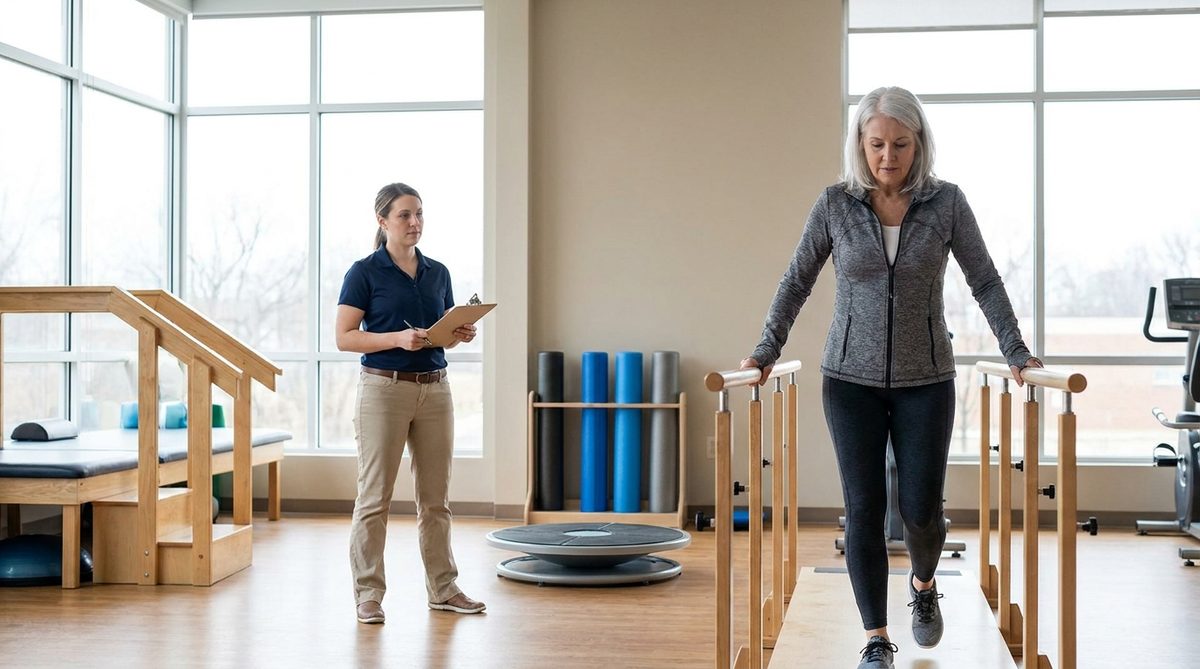
I recommend that every adult over 50 get a baseline physical therapy functional assessment. Most insurance plans, including Medicare, cover an evaluation without a physician referral in many states. This isn’t treatment—it’s a roadmap showing you exactly where your vulnerabilities are before they become emergencies.
Pillar 2: Environmental Readiness—Making Your Home Work for Your Future Self
The average American home was not built with aging in mind. Narrow doorways, slippery bathtubs, poor lighting, and stairs create an obstacle course that becomes increasingly dangerous as balance and vision decline.
The Mayo Clinic recommends a comprehensive home safety evaluation for anyone over 65, but I’d push that earlier—age 55 is not too soon. Modifications are cheaper and less disruptive when they’re planned rather than emergency-installed after a hospital discharge.
The High-Impact Home Modifications
Not all home modifications are created equal. Based on fall prevention research and my clinical experience, here are the changes that deliver the greatest safety return per dollar spent:
- Bathroom grab bars: Installed at the toilet and inside the shower or tub. Cost: $50-200 installed. Impact: reduces bathroom falls by an estimated 30-40%.
- Improved lighting: Motion-activated night lights along hallways and in bathrooms. LED under-cabinet lighting in kitchens. Many of my patients’ falls happen during nighttime trips to the bathroom in the dark.
- Stair modifications: Bilateral handrails (both sides), contrasting-color tape on step edges, and adequate lighting at the top and bottom of each staircase.
- Threshold elimination: Removing or ramping raised thresholds between rooms. These half-inch to one-inch ridges are responsible for a surprising number of trip-and-fall incidents.
- First-floor living setup: If your bedroom and full bathroom are on the second floor, consider creating a first-floor sleeping and bathing arrangement now—while you still have the time and budget to do it thoughtfully.
A professional home safety evaluation from an occupational therapist typically costs $150-400 out of pocket and can identify risks you’d never notice on your own. Some Area Agencies on Aging offer this service free of charge.
Pillar 3: Support Infrastructure—The Piece Most People Ignore
This is where aging in place planning most often falls apart. You can be physically strong and live in a perfectly modified home, but if you can’t get to medical appointments, afford in-home help when you need it, or stay socially connected, the plan collapses.
The Financial Reality
The Genworth Cost of Care Survey (2024) puts the national median cost of a home health aide at $33 per hour—roughly $6,000 per month for just 40 hours of weekly assistance. That’s a number that catches many families off guard, especially when combined with other rising costs affecting retirees. If you haven’t reviewed how 5 Social Security changes in 2026 may hit retirees hardest, it’s worth understanding how your fixed income picture is shifting.
Medicare does not cover long-term custodial care—the kind of help you need with bathing, dressing, and meal preparation when you can no longer manage these independently. This is perhaps the single most dangerous misconception I encounter. Patients and families assume Medicare will cover a home aide indefinitely. It won’t. Medicare covers skilled home health services (physical therapy, nursing, occupational therapy) only when you’re homebound and need skilled-level care, and only for limited periods.
Long-term care insurance, Medicaid (for those who qualify), veterans’ benefits, and personal savings are the realistic funding sources. Planning for these costs at age 55 or 60 is exponentially more effective—and affordable—than scrambling at 80.
Social Connection: The Hidden Health Determinant
The U.S. Surgeon General’s 2023 advisory on loneliness declared social isolation a public health crisis, equating its mortality impact to smoking 15 cigarettes a day. For aging-in-place adults, the risk is especially acute: you may stay home successfully in a physical sense while becoming dangerously isolated.
What I recommend to my patients is building what I call a “connection calendar”—a structured weekly schedule that includes at least three social touchpoints: a phone call with a friend or family member, participation in a community activity (religious service, exercise class, volunteer work), and one in-person visit. This isn’t optional feel-good advice. It’s a medical recommendation backed by evidence linking social engagement to reduced cognitive decline, lower blood pressure, and better immune function.
Some retirees are finding creative ways to stay engaged—and even earn supplemental income—through activities they already enjoy. If that resonates with you, take a look at how 7 hobbies retirees are turning into cash flow in 2025.
The Private Medicare Plan Problem
I need to address something that’s making aging in place harder for many of my patients: the growing number of Medicare Advantage plan denials for rehabilitation and long-term care services. Recent investigative reporting has documented cases where seniors who needed post-acute rehabilitation—the very services that help people return home safely after a hospitalization—were denied coverage by their private Medicare plans.
This is not a theoretical concern. A 2022 report from the U.S. Department of Health and Human Services Office of Inspector General found that Medicare Advantage plans denied 13% of prior authorization requests that met Medicare coverage rules. That’s roughly 85,000 cases in a single year where patients were denied care they were entitled to.
If you’re on a Medicare Advantage plan, know your appeal rights. First-level appeals are resolved in your favor roughly 75% of the time. Never accept a denial without filing an appeal—especially for rehabilitation services that directly affect your ability to go home.
Building Your Aging-in-Place Action Plan: A Step-by-Step Framework
Theory is useless without execution. Here is the framework I walk my patients through, organized by timeline:
- This week—Assess your baseline: Take the 30-second sit-to-stand test (how many times can you rise from a chair in 30 seconds without using your arms?). For adults 65-69, the average is 12-14 repetitions. Below 10 is a red flag. Write down your number.
- This month—Schedule a functional assessment: Contact a physical therapy clinic that specializes in geriatric or balance care. Get a professional evaluation of your strength, balance, gait, and fall risk. Share the results with your primary care physician.
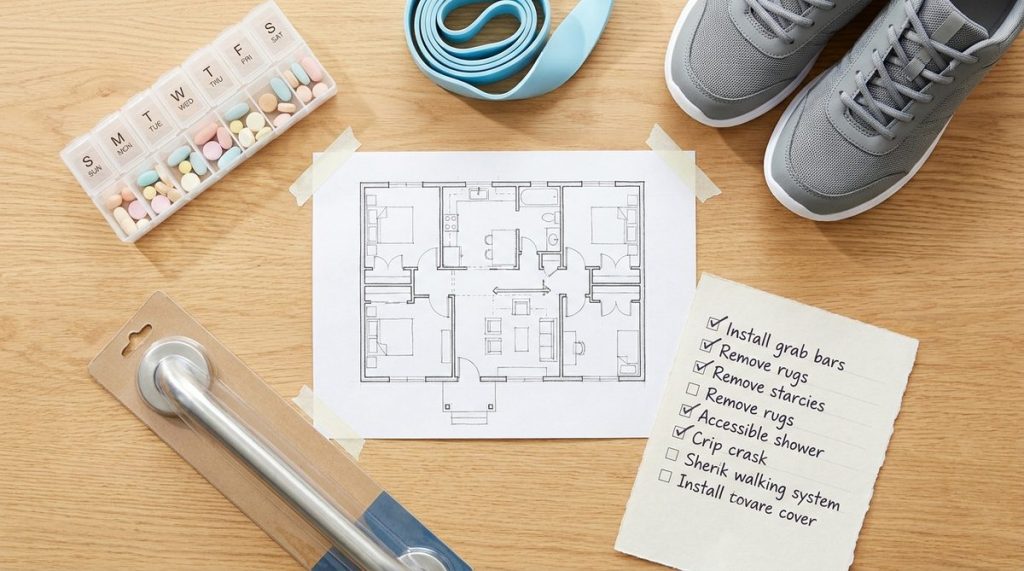
- Within 3 months—Complete a home safety audit: Either hire an occupational therapist for a professional assessment or use the CDC’s STEADI home safety checklist (available free online) to identify and address hazards.
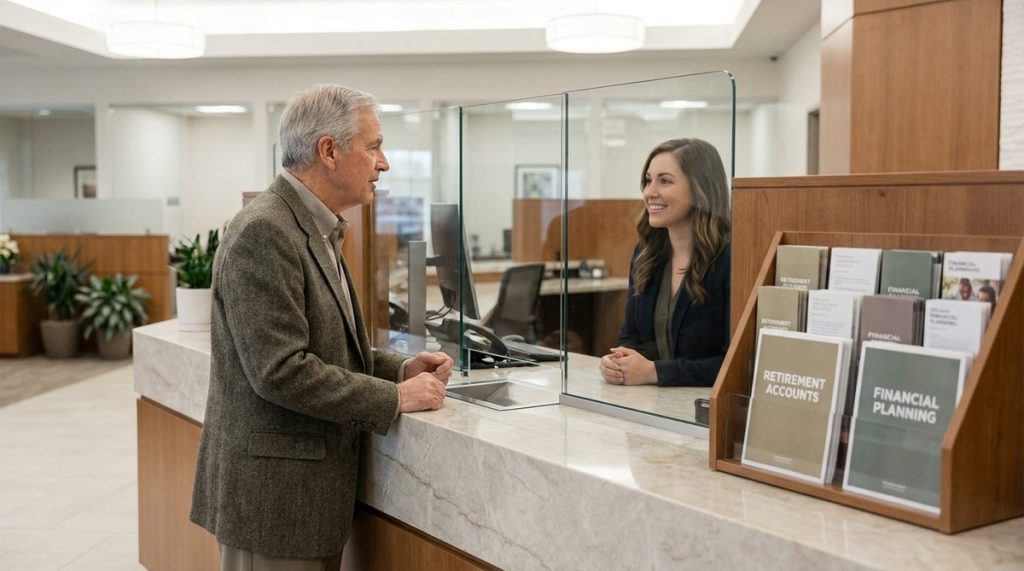
- Within 6 months—Review your financial plan: Meet with a financial advisor who specializes in elder care planning. Specifically discuss long-term care insurance options, Medicaid eligibility rules in your state, and projected out-of-pocket care costs.
- Within 6 months—Build your care team: Identify a primary care physician, a physical therapist, a pharmacist who manages medication reviews, and at least one emergency contact who lives within 30 minutes of your home. Share a document listing your medications, allergies, and advance directives with all of them.
- Ongoing—Establish your movement and connection routines: Commit to at least 150 minutes of moderate physical activity per week (the minimum recommended by the CDC for older adults) and schedule three weekly social touchpoints on your calendar.
The Conversation No One Wants to Have
I’ll end with something uncomfortable. Aging in place is the right goal for most people—but it’s not the right goal for everyone, and it’s not the right goal at every stage. There may come a point where staying home becomes unsafe, and recognizing that threshold is as important as planning to avoid it.
The signs that home may no longer be the safest option include: two or more falls in a 12-month period, inability to manage medications independently, weight loss exceeding 10% of body weight in six months, or progressive cognitive decline that impairs judgment about safety (leaving the stove on, wandering, inability to call for help in an emergency).
Having an honest conversation with your family and healthcare team about these thresholds—before they’re reached—is one of the most loving and practical things you can do. It’s not giving up on aging in place. It’s making sure the plan includes a safety net.
Closing the Gap Between Hope and Reality
That 31-percentage-point gap between wanting to age in place and feeling confident about it doesn’t have to define your story. The difference between the seniors who successfully stay home and those who don’t almost always comes down to preparation—not luck, not genetics, not wealth alone.
Start with one item from the action plan above. Schedule the assessment. Install the grab bar. Have the conversation. Every step you take now buys you options later. And in geriatric medicine, options are everything.
Frequently Asked Questions
What is the average cost of aging in place compared to assisted living?
According to Genworth's 2024 data, the national median for 40 hours per week of home health aide services is approximately $6,000 per month, while assisted living averages around $5,350 per month. However, many aging-in-place adults need far fewer than 40 weekly hours of assistance, which can make home-based care significantly less expensive—especially in the earlier years.
Does Medicare pay for home modifications like grab bars or wheelchair ramps?
Traditional Medicare generally does not cover home modifications. However, some Medicare Advantage plans include limited home safety benefits as supplemental coverage. Medicaid waiver programs in many states do cover home modifications for eligible individuals, and veterans may qualify for the VA's Home Improvements and Structural Alterations (HISA) grant, which provides up to $6,800 for service-connected conditions.
At what age should I start planning to age in place?
The ideal time to begin planning is in your mid-50s, though it is never too late. Starting earlier gives you more time to build physical strength, save financially for potential care needs, and make home modifications at your own pace rather than under emergency circumstances. A physical therapy functional assessment and home safety audit are excellent first steps at any age.
How do I know if my home is safe enough to age in place?
A professional home safety evaluation by an occupational therapist is the gold standard. Key indicators of an unsafe home include poor lighting in hallways and stairwells, lack of grab bars in bathrooms, loose rugs or raised thresholds, stairs as the only access to bedrooms or bathrooms, and the absence of handrails on both sides of staircases. The CDC's STEADI toolkit also offers a free self-assessment checklist you can complete on your own.
About Michael Torres, DPT, Board-Certified Geriatric Specialist
Michael Torres is a Doctor of Physical Therapy and board-certified geriatric clinical specialist with 18 years of experience working with older adults. He has treated thousands of seniors recovering from hip replacements, managing arthritis, rebuilding strength after hospitalizations, and preventing dangerous falls. At Daily Trends Now, Michael writes practical guides on exercises, mobility, pain management, and the physical strategies that help seniors stay strong and independent.