
Why Healthy Aging Habits Matter More Now Than Ever
Every week in my clinic, I work with adults in their 50s, 60s, and 70s who tell me the same thing: “I wish I’d started these habits sooner.” After 18 years as a geriatric physical therapy specialist, I can tell you that the science on healthy aging habits has never been more encouraging—or more actionable.
According to the National Institute on Aging, roughly 85% of older Americans live with at least one chronic condition, and 60% manage two or more. But here’s what the headlines often miss: the trajectory of those conditions is far more within your control than most people realize. New 2026 data confirms that lifestyle modifications can reduce functional decline by up to 40% in adults over 50, even among those already managing chronic disease.
This isn’t about turning back the clock. It’s about building a daily framework that keeps you strong, sharp, and independent. Below, I’ve outlined nine habits that I recommend to my patients—and that I practice myself. Each one is grounded in current research and shaped by what I’ve seen work in real clinical settings.
1. Prioritize Resistance Training Over Cardio Alone
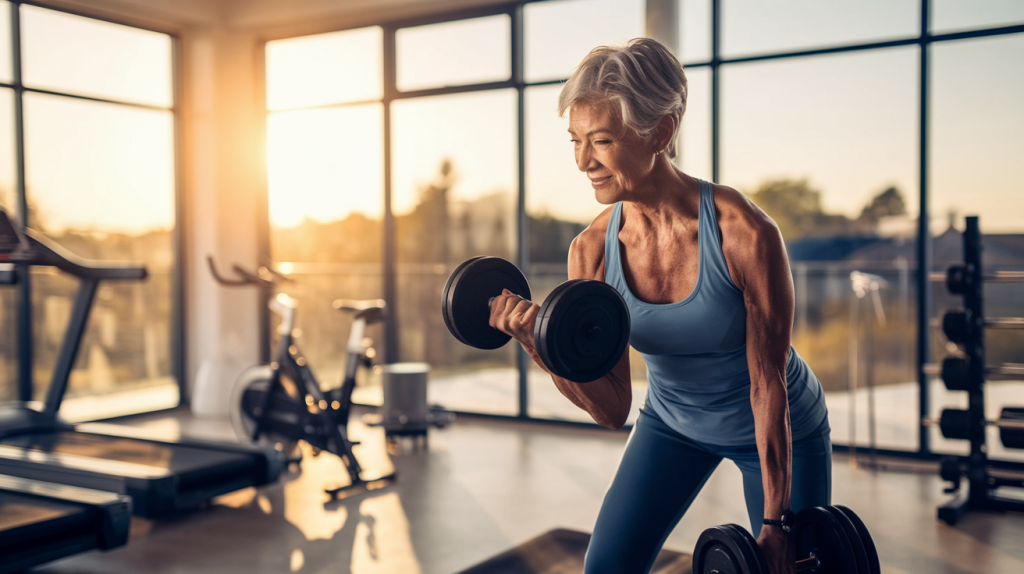
If you only take one habit from this list, let it be this one. Sarcopenia—the age-related loss of muscle mass—begins as early as age 30 and accelerates dramatically after 50. The CDC reports that adults lose 3–5% of muscle mass per decade after 30, and that rate doubles after 60 if muscles aren’t challenged regularly.
I often tell my patients that walking is wonderful, but it’s not enough. Resistance training—using bands, bodyweight exercises, light dumbbells, or machines—stimulates muscle protein synthesis in ways that aerobic exercise simply cannot. A 2025 meta-analysis in the Journal of Aging and Physical Activity found that adults over 65 who performed structured resistance training twice a week reduced their fall risk by 34%.
Getting Started Safely
- Begin with two sessions per week, each lasting 20–30 minutes.
- Focus on compound movements: squats to a chair, wall push-ups, seated rows with a resistance band, and step-ups.
- Increase resistance or repetitions by no more than 10% per week.
- Work with a physical therapist or certified trainer for the first month to learn proper form.
- Track your progress in a simple journal—noting weights, reps, and how you feel afterward.
For a broader look at how physical activity fits into a complete wellness plan, check out Healthy Aging After 50: 6 Pillars Backed by New 2026 Data.
2. Manage Inflammation Through Intentional Nutrition
Chronic low-grade inflammation is the silent accelerator behind heart disease, type 2 diabetes, arthritis, and even cognitive decline. What I see most often in my practice is patients who are meticulous about medication adherence but give almost no thought to the inflammatory load of their diet.
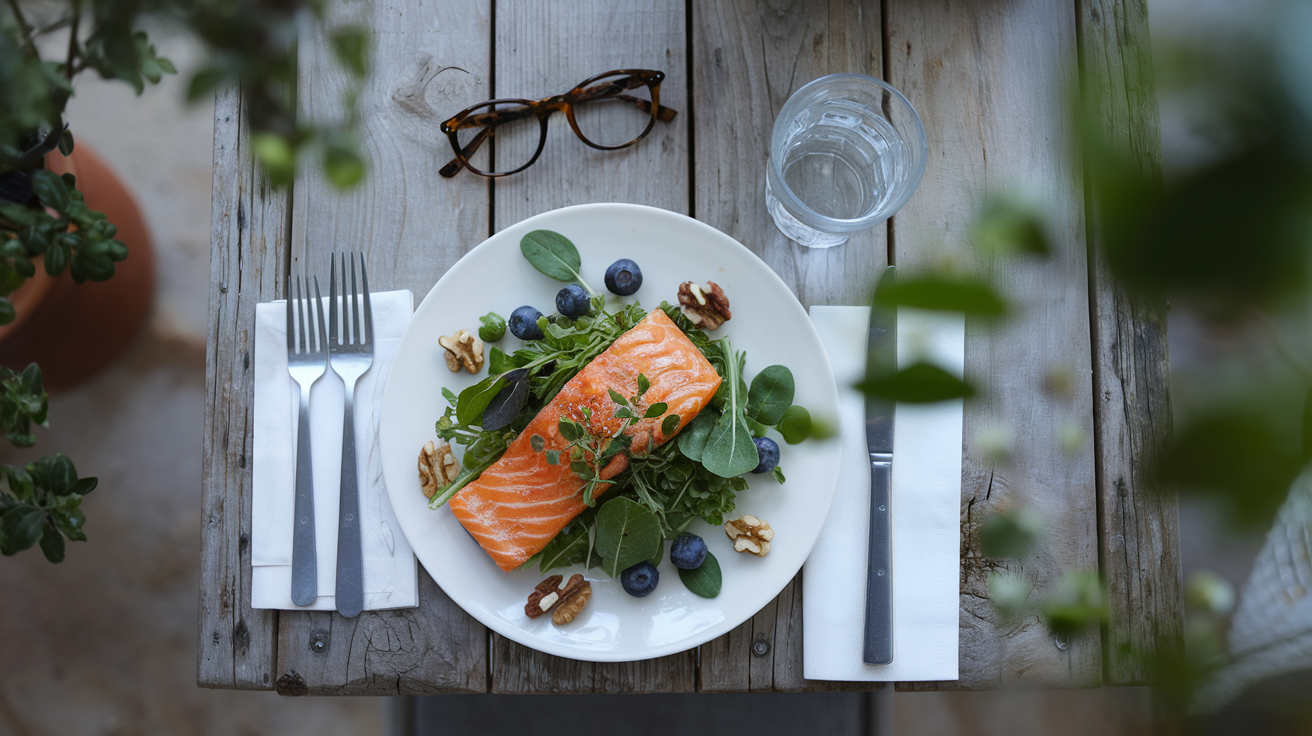
The Mediterranean-style eating pattern remains the gold standard. A landmark 2024 study published in The Lancet Healthy Longevity tracked over 22,000 adults aged 55+ for eight years and found that those who followed an anti-inflammatory diet had a 28% lower risk of developing mobility disability compared to those eating a typical Western diet.
Key Anti-Inflammatory Foods to Add
- Fatty fish (salmon, sardines, mackerel) — aim for two servings per week
- Leafy greens like spinach, kale, and Swiss chard
- Berries, especially blueberries and strawberries
- Extra-virgin olive oil as your primary cooking fat
- Walnuts, almonds, and ground flaxseed
- Turmeric and ginger in cooking or smoothies
“In my 18 years of clinical practice, the patients who make the most dramatic improvements in joint pain, energy, and balance are almost always the ones who changed what they eat—not just how they move.”
3. Protect Your Sleep Architecture
Sleep changes with age, but poor sleep should never be accepted as “just part of getting older.” Recent research from the National Institute on Aging shows that adults over 60 who consistently get fewer than six hours of sleep have a 36% higher risk of developing dementia compared to those sleeping seven to eight hours.
What concerns me clinically is not just sleep duration but sleep architecture—the cycling through light, deep, and REM stages. Deep sleep is when your body repairs muscle tissue, consolidates memory, and clears beta-amyloid proteins from the brain. Fragmented sleep disrupts all of this.
Practical Sleep Hygiene for Adults Over 50
- Keep a consistent wake time, even on weekends—your circadian rhythm craves predictability.
- Limit caffeine after noon; sensitivity increases with age.
- Keep your bedroom at 65–68°F for optimal deep sleep.
- If you nap, keep it under 20 minutes before 2 PM. Longer or later naps have been linked to disrupted nighttime sleep and may signal underlying health issues.
- Discuss persistent insomnia with your physician—cognitive behavioral therapy for insomnia (CBT-I) is now the first-line treatment, ahead of medication.
4. Stay Socially Connected—It’s a Health Behavior, Not a Luxury
The U.S. Surgeon General’s 2023 Advisory on Loneliness called social isolation a public health crisis with mortality risks comparable to smoking 15 cigarettes a day. That comparison isn’t hyperbole. A 2025 AARP survey found that 34% of Americans aged 50 and older report feeling lonely on a regular basis, up from 27% in 2018.
I treat the physical consequences of isolation every day: patients who stopped leaving the house, lost muscle mass, developed depression, and then fell. The chain reaction is predictable and devastating. Social engagement isn’t a soft recommendation—it’s a frontline healthy aging habit.
Join a walking group, volunteer at a local school, attend a faith community, take a class at a community college, or simply commit to one shared meal per week with someone who matters to you. If you’re living solo, 7 Tech Devices That Make Aging in Place Safer in 2026 covers tools—including video calling tablets designed for seniors—that can help bridge the gap.
5. Get Proactive About Balance Training
Falls are the leading cause of injury-related death in Americans over 65. The CDC reports that one in four older adults falls each year, and fewer than half tell their doctor. This is one area where I get genuinely frustrated—because most falls are preventable.
Balance isn’t just about your inner ear. It’s a complex interplay of vision, proprioception (your body’s sense of its position in space), ankle mobility, core strength, and reaction time. All of these can be trained and improved at any age.
A Simple Daily Balance Routine
- Stand on one foot for 10–30 seconds, holding a counter for safety. Alternate legs. Repeat three times.
- Heel-to-toe walking along a hallway—10 steps forward, 10 steps back.
- Sit-to-stand from a firm chair, 10 repetitions, without using your hands if possible.
- Side-stepping with a resistance band around your ankles, 10 steps each direction.
- Practice turning your head side to side while walking—this trains your vestibular system.
Spend just five minutes a day on these exercises and I promise you’ll notice a difference within three weeks. My patients consistently report feeling more confident on stairs, uneven surfaces, and even getting in and out of the shower.
6. Manage Chronic Conditions Aggressively, Not Passively
I see a pattern I call “passive management”: a patient takes their prescribed medications, shows up for their annual checkup, and assumes they’re doing everything they can. That’s a starting point, not a finish line.
Aggressive management means understanding your numbers—A1C, blood pressure, cholesterol ratios, vitamin D levels, bone density scores—and tracking them over time. It means asking your doctor, “Is there a lifestyle change that could let me reduce this medication?” It means getting a second opinion when something doesn’t feel right.
The Mayo Clinic emphasizes that adults who actively participate in their care plans experience better outcomes across virtually every chronic condition, from osteoarthritis to heart failure. Self-advocacy is itself a healthy aging habit.
7. Protect Your Brain with Cognitive Challenges and Movement
The Alzheimer’s Association projects that 6.9 million Americans aged 65 and older are living with Alzheimer’s disease in 2025, a number expected to nearly double by 2050 without medical breakthroughs. While genetics play a role, modifiable lifestyle factors account for up to 40% of dementia risk according to a 2024 Lancet Commission update.
What works? Combination strategies. Aerobic exercise increases brain-derived neurotrophic factor (BDNF), which supports the growth of new neurons. Novel cognitive challenges—learning a language, playing a musical instrument, taking up chess—build what neuroscientists call “cognitive reserve.”
“The strongest evidence for brain protection in older adults isn’t any single supplement or puzzle app—it’s the combination of physical activity, social engagement, and continuous learning. They work synergistically.”
For an encouraging look at what the latest science really says about cognitive aging, read New Study: Aging Doesn’t Mean Decline—Data Seniors Need.
8. Review Your Medications Regularly
Polypharmacy—taking five or more medications—affects nearly 40% of Americans over 65. Each additional medication increases the risk of adverse drug interactions, and as our metabolism changes with age, dosages that worked five years ago may no longer be appropriate.
I recommend a comprehensive medication review with your pharmacist or primary care provider at least once a year, and any time you experience new symptoms like dizziness, fatigue, confusion, or unexplained falls. In my clinical experience, at least one in five falls I evaluate has a medication-related contributing factor—most commonly blood pressure medications, sleep aids, or antihistamines.
Questions to Ask at Your Next Review
- Is every medication still necessary, or can any be safely discontinued?
- Are any of my medications on the Beers Criteria list of potentially inappropriate drugs for older adults?
- Could any interactions be causing the side effects I’m experiencing?
- Are there non-pharmacological alternatives worth trying first?
9. Build Your Environment for Independence
Your home is either supporting your healthy aging habits or quietly undermining them. The National Council on Aging reports that 90% of seniors want to age in place, yet only 10% of U.S. housing stock is equipped to support that goal safely.
Simple modifications can have outsized impact. Grab bars in bathrooms, improved lighting on stairs, removal of throw rugs, lever-style door handles, and a shower bench can dramatically reduce fall risk. Smart home technology—voice-activated lights, medication reminders, and wearable fall detectors—adds another layer of safety without sacrificing dignity.
This isn’t just about preventing injury. When your environment supports your mobility and confidence, you move more, socialize more, and maintain function longer. It’s a virtuous cycle. For a deeper dive into making your home safer, see Aging in Place Is the #1 Retirement Goal—Why Most Homes Fail.
Putting It All Together: Your Healthy Aging Action Plan
These nine healthy aging habits aren’t about perfection. They’re about direction. You don’t need to overhaul your entire life next Monday. In my experience, the patients who sustain meaningful change are the ones who pick two or three habits, build consistency over 30 days, and then layer in the next one.
Here’s a realistic 90-day roadmap:
- Weeks 1–4: Start resistance training twice a week and add one anti-inflammatory food to each meal. Schedule a medication review.
- Weeks 5–8: Add a five-minute daily balance routine. Set a consistent wake time and optimize your sleep environment.
- Weeks 9–12: Join one social activity or group. Begin a cognitive challenge (language app, instrument, community class). Assess your home for fall hazards.
The research is clear: aging well after 50 is not a matter of luck or genetics alone. It’s the accumulation of daily choices—how you move, what you eat, how you sleep, who you spend time with, and whether you actively manage your health or let it manage you.
I’ve watched patients in their 80s regain strength they thought was gone forever. I’ve seen 60-year-olds transform their mobility in a single season. The common thread is always the same: they committed to the process, stayed consistent, and believed that improvement was still possible. Because it is.
Frequently Asked Questions
What are the most important healthy aging habits for adults over 50?
The most impactful habits include resistance training at least twice a week, eating an anti-inflammatory diet rich in fish, vegetables, and healthy fats, getting seven to eight hours of quality sleep, staying socially connected, and actively managing chronic conditions with your healthcare team.
How often should seniors do resistance training?
Most adults over 50 should aim for two to three sessions per week, each lasting 20 to 30 minutes, focusing on compound movements like squats, push-ups, and rows. Start with a certified trainer or physical therapist to learn proper form, especially if you have existing joint issues or chronic conditions.
Can balance really be improved at age 70 or older?
Absolutely. Balance is a trainable skill at any age. Research shows that structured balance exercises performed daily for as little as five minutes can reduce fall risk by over 30 percent in adults over 65. Simple exercises like single-leg stands, heel-to-toe walking, and sit-to-stand repetitions produce measurable improvement within three to four weeks.
Does napping during the day indicate a health problem in older adults?
Occasional short naps under 20 minutes are generally fine and can even be restorative. However, frequent or prolonged daytime napping may signal poor nighttime sleep quality, sleep apnea, medication side effects, or underlying health conditions. If you find yourself needing to nap daily for more than 30 minutes, discuss it with your doctor.
How does social isolation affect physical health in seniors?
Social isolation is linked to a 29 percent increased risk of heart disease, a 32 percent increased risk of stroke, and significantly higher rates of depression and cognitive decline. The U.S. Surgeon General has equated the mortality risk of chronic loneliness to smoking 15 cigarettes per day, making social connection a critical component of any healthy aging plan.
About Michael Torres, DPT, Board-Certified Geriatric Specialist
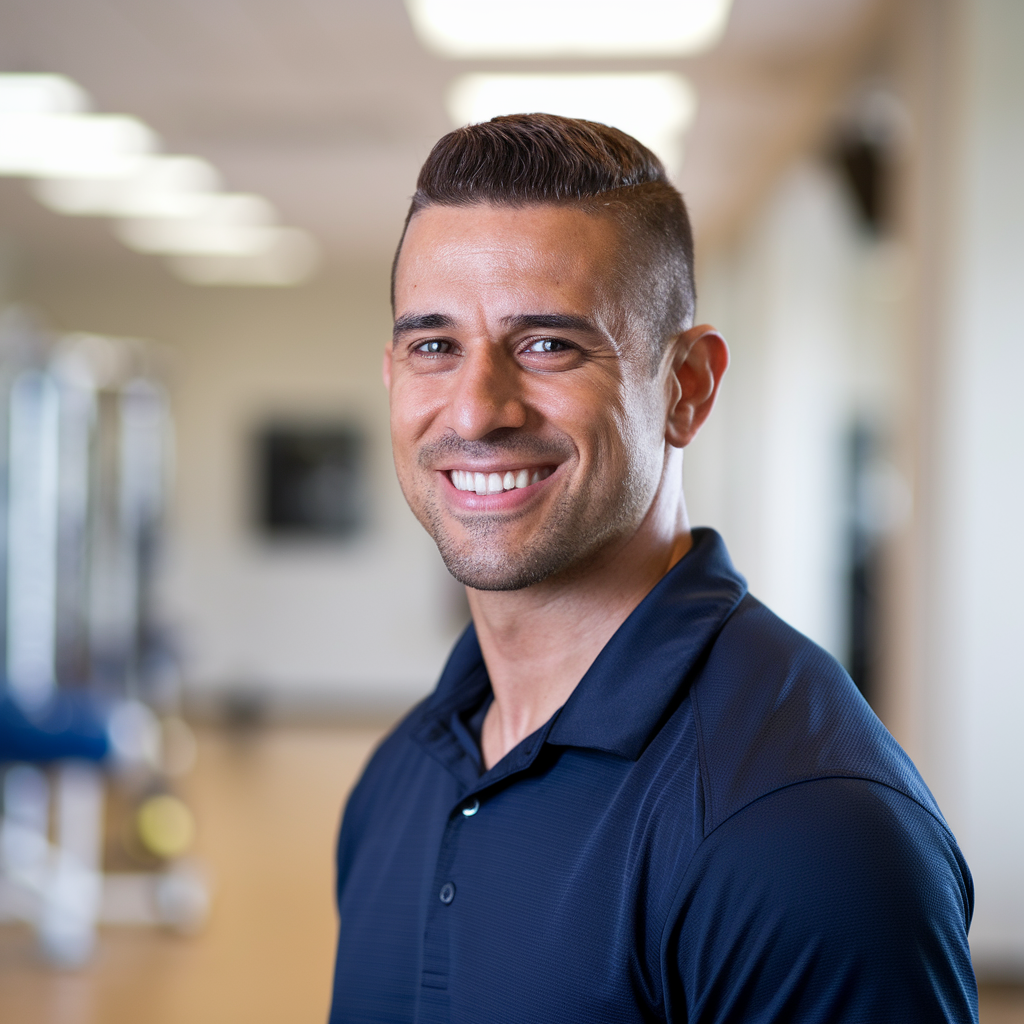
Michael Torres is a Doctor of Physical Therapy and board-certified geriatric clinical specialist with 18 years of experience working with older adults. He has treated thousands of seniors recovering from hip replacements, managing arthritis, rebuilding strength after hospitalizations, and preventing dangerous falls. At Daily Trends Now, Michael writes practical guides on exercises, mobility, pain management, and the physical strategies that help seniors stay strong and independent.