

Key Takeaways
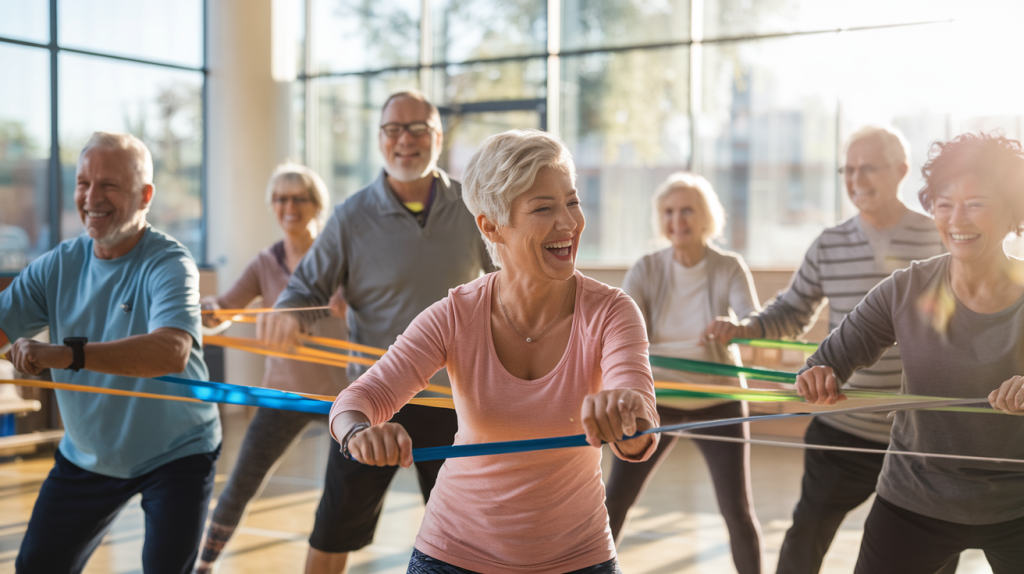
- A landmark 2025 longitudinal study found that 25% of adults over 65 actually improved in physical and cognitive function over a 12-year period, challenging the assumption that aging equals inevitable decline.
- Nutritional interventions—especially adequate protein intake and anti-inflammatory diets—are emerging as the single most modifiable factor in healthy aging after 50.
- Social connection and purpose-driven activity reduce all-cause mortality risk by up to 26%, rivaling the protective effects of quitting smoking.
- Building a personalized "aging blueprint" across six evidence-based pillars can compress morbidity and extend not just lifespan but healthspan well into your 80s and 90s.
The Statistic That Should Change How You Think About Aging
Here’s a number that stopped me mid-reading when I first encountered it in a peer-reviewed journal last year: 25% of adults over 65 actually improved in physical function, cognitive performance, or both over a 12-year follow-up period. Not merely maintained. Improved.
That finding, drawn from a comprehensive longitudinal analysis published in late 2025, directly contradicts the deeply embedded cultural assumption that aging is a one-way slide toward frailty. In my 15 years of clinical nutrition work with older adults, I’ve watched this assumption do real damage—convincing otherwise capable people to stop trying, stop moving, stop investing in their own health.
The data tells a different story. And in 2026, a convergence of new research across nutrition science, gerontology, exercise physiology, and mental health has crystallized into what researchers are calling the six pillars of healthy aging after 50—an evidence-based framework that doesn’t just slow decline but, in many cases, reverses it. For a deeper look at this groundbreaking research, see New Study: Aging Doesn’t Mean Decline—Data Seniors Need.
Let me walk you through each pillar, the science behind it, and—most importantly—what you can actually do about it starting this week.
Pillar 1: Nutritional Optimization—The Most Underused Tool in Your Kit
Why Protein Matters More After 50 Than Before
I often tell my clients that nutrition is the single most modifiable factor in healthy aging—and yet it’s the one most frequently dismissed as “just eat well.” The reality is far more nuanced. After age 50, your body undergoes a phenomenon called anabolic resistance, meaning your muscles become less efficient at using dietary protein to repair and build tissue.
The National Institute on Aging currently recommends that older adults consume between 1.0 and 1.2 grams of protein per kilogram of body weight daily—significantly higher than the standard RDA of 0.8 g/kg that was established primarily using data from younger populations. For a 160-pound adult, that’s roughly 73–87 grams of protein per day, spread across meals.
What I see most often in my practice is seniors front-loading carbohydrates at breakfast (toast, cereal, juice) and barely hitting 10 grams of protein before noon. That pattern accelerates sarcopenia—age-related muscle loss—which the CDC estimates affects over 10% of adults over 60 and is directly linked to falls, fractures, and loss of independence.
The Anti-Inflammatory Diet Advantage
Beyond protein, the anti-inflammatory dietary pattern—often modeled by the Mediterranean or MIND diets—has accumulated strikingly consistent evidence. A 2024 meta-analysis in The American Journal of Clinical Nutrition pooling data from over 120,000 participants found that high adherence to a Mediterranean-style diet reduced all-cause mortality risk in adults over 65 by 21% and Alzheimer’s disease risk by 33%.
The operative foods aren’t exotic. They’re olive oil, fatty fish, leafy greens, berries, nuts, and whole grains—consumed consistently, not occasionally.
Pillar 2: Movement as Medicine—Dose Matters
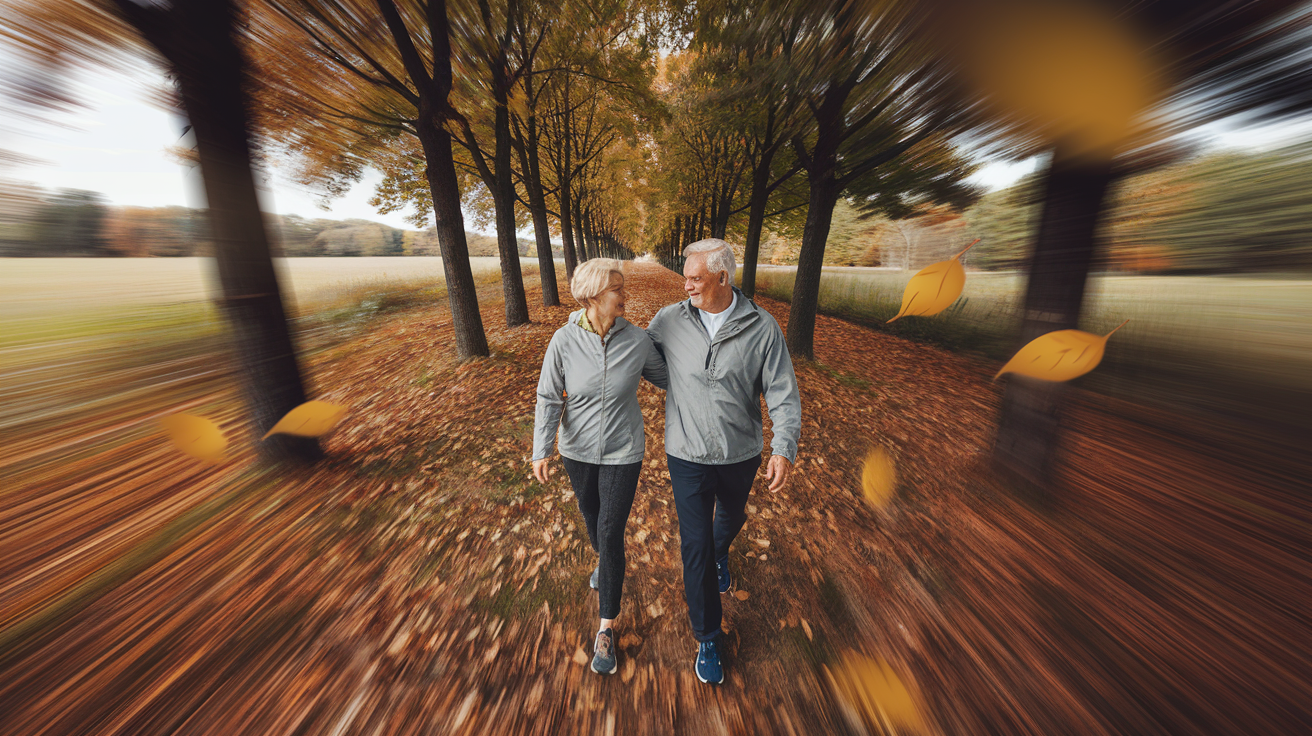
The phrase “exercise is medicine” has become cliché, but in 2026, researchers have refined the prescription with remarkable precision. The CDC’s updated physical activity guidelines recommend at least 150 minutes of moderate-intensity aerobic activity per week for adults 65 and older, plus muscle-strengthening activities on two or more days per week and balance training.
Here’s the part most people miss: the largest health gains come from moving out of sedentary behavior into even light activity. A 2025 study in JAMA Internal Medicine found that replacing just 30 minutes of daily sitting with light walking reduced cardiovascular mortality risk by 17% in adults over 70. You don’t need to become a triathlete—although, notably, an 87-year-old triathlete recently made headlines for her cardiovascular fitness rivaling women decades younger.
The Resistance Training Gap
Only 8.7% of adults over 65 meet the CDC’s strength-training guidelines—a statistic I find alarming. Resistance exercise is the most potent intervention we have against sarcopenia, osteoporosis, and metabolic decline. Even bodyweight exercises like chair squats, wall push-ups, and resistance band rows, performed twice weekly, produce measurable improvements in bone density and functional strength within 12 weeks.
If you’re exploring ways to stay safe and independent at home while building an exercise routine, Aging in Place: 14 Home Modifications That Keep You Safe offers practical guidance on creating a fall-proof environment.
Pillar 3: Cognitive Engagement and Brain Health
The field of cognitive aging has undergone a quiet revolution. Advances in Alzheimer’s and aging research now indicate that up to 40% of dementia cases may be preventable or delayable through modifiable risk factors—a figure published in The Lancet Commission and updated in 2024 to include new factors like untreated vision loss and high LDL cholesterol.
What protects the aging brain? The evidence consistently points to three categories: novel learning (not passive entertainment), cardiovascular fitness (which increases hippocampal volume), and social interaction (which I’ll address in Pillar 5).
What “Brain Training” Actually Works
I’m often asked about brain-training apps. The honest answer: most commercial products have thin evidence. What does have strong support is learning a new skill that requires sustained cognitive effort—a language, a musical instrument, a complex craft. A 2024 randomized controlled trial at the University of Texas found that older adults who learned digital photography or quilting over 14 weeks showed significant episodic memory improvement compared to groups who did familiar leisure activities.
The takeaway isn’t which specific activity to choose. It’s that novelty and challenge are the active ingredients.
Pillar 4: Sleep Architecture—More Than “Getting Enough Hours”
Sleep in older adults is one of the most misunderstood areas of health. The Mayo Clinic notes that while sleep needs don’t dramatically decrease with age, sleep architecture does change—older adults spend less time in deep slow-wave sleep and experience more frequent awakenings.
Here’s what caught my attention in recent research: a 2025 study published in Sleep Medicine Reviews found that excessive daytime napping in adults over 65—defined as more than 60 minutes per day—was independently associated with a 40% higher risk of developing Alzheimer’s disease and a 27% increased risk of all-cause mortality. The napping itself isn’t the cause; it’s a signal that nighttime sleep quality has deteriorated, often due to sleep apnea, medication side effects, or circadian rhythm disruption.
Actionable Sleep Hygiene for Adults Over 50
- Anchor your wake time. Get up at the same time every day—even weekends. This is the single most powerful circadian reset.
- Get 30 minutes of bright light exposure before 10 a.m. Outdoor light is ideal. It suppresses melatonin production at the right time and promotes it at night.
- Limit naps to 20 minutes before 2 p.m. This preserves sleep drive without disrupting nighttime architecture.
- Audit your medications. Beta-blockers, corticosteroids, SSRIs, and diuretics can all fragment sleep. Ask your pharmacist for a medication-timing review.
- Screen for sleep apnea. Obstructive sleep apnea affects an estimated 56% of adults over 65 and is dramatically underdiagnosed. A home sleep test is now covered by most Medicare plans.
Pillar 5: Social Connection—The Longevity Factor Hiding in Plain Sight
If I could prescribe one intervention that rivals medication in its impact on mortality, it would be meaningful social connection. A 2023 meta-analysis in Nature Human Behaviour found that social isolation increased the risk of premature death by 26%—a magnitude comparable to smoking 15 cigarettes a day.
For American seniors, this is an urgent issue. The U.S. Surgeon General’s 2023 advisory on loneliness called it an epidemic, noting that approximately one in four adults over 65 is socially isolated. Resources are expanding for older adults living on their own, but structural solutions still lag behind the scale of the problem.
Quality Over Quantity
In my experience, the protective factor isn’t the number of social contacts but their quality. One deep, reciprocal friendship provides more health benefit than a dozen superficial acquaintanceships. Volunteering, mentorship, faith communities, and intergenerational programs all show robust associations with improved immune function, lower blood pressure, and reduced depression.
Financial stress can also compound social isolation—when you’re worried about money, you withdraw. Understanding your benefits fully can relieve that pressure; see Social Security COLA Myths That Could Cost You Thousands for common misconceptions that may be costing you.
Pillar 6: Proactive Medical Management—From Reactive to Strategic
The final pillar is perhaps the most pragmatic. Healthy aging after 50 requires shifting from a reactive healthcare model (“I’ll go when something hurts”) to a strategic one. This means regular screening, medication optimization, and preventive interventions timed to your specific risk profile.
Key Screenings Often Missed After 50
| Screening | Recommended Frequency (Age 50+) | Why It Matters | % of Eligible Adults Who Are Current |
|---|---|---|---|
| Colonoscopy / Stool DNA Test | Every 10 years (colonoscopy) or every 1–3 years (stool test) | Colorectal cancer is the 2nd leading cancer killer; 90% curable if caught early | ~59% |
| DEXA Bone Density Scan | Every 2 years (women 65+; men 70+ or earlier with risk factors) | Osteoporosis affects 20% of women over 50; fractures double mortality risk | ~38% |
| Hemoglobin A1c | Every 1–3 years (depending on risk) | Prediabetes affects 48% of adults over 65; most don’t know | ~64% |
| Hearing Assessment | Every 3 years after age 50 | Untreated hearing loss is now a recognized modifiable risk factor for dementia | ~30% |
| Annual Wellness Visit (Medicare) | Annually | Free under Medicare; includes cognitive assessment, fall risk, advance care planning | ~52% |
The completion rates in the right column are the part that concerns me most. More than 40% of eligible seniors are missing their Annual Wellness Visit—a free benefit that serves as the cornerstone of preventive care under Medicare. If you’re not using it, you’re leaving early detection on the table.
Medication Optimization: The Deprescribing Conversation
Polypharmacy—taking five or more medications simultaneously—affects approximately 42% of adults over 65 in the United States. While each medication may have been appropriate when prescribed, drug-drug interactions, cumulative side effects (especially dizziness, cognitive fog, and GI issues), and changing kidney or liver function with age mean that regular medication reviews are essential.
I encourage every reader over 60 to request an annual “deprescribing review” with their primary care provider or pharmacist. The question isn’t just “what should I add?” but “what can I safely stop?”
Putting the Six Pillars Together: Your Personal Aging Blueprint
Research increasingly shows that the pillars don’t work in isolation—they compound. Good nutrition fuels better exercise performance. Better exercise improves sleep architecture. Better sleep enhances cognitive function. Cognitive engagement drives social participation. Social connection motivates proactive healthcare. It’s a virtuous cycle.
What I recommend to my clients is building a personal aging blueprint—a written, reviewed-quarterly document that addresses each pillar with specific, measurable goals. Here’s a simplified template:
- Nutrition: Track protein intake for one week. Set a daily target (e.g., 80g). Add one serving of fatty fish per week.
- Movement: Schedule 150 minutes of walking plus two 20-minute resistance sessions. Put it on your calendar like a medical appointment.
- Cognitive Engagement: Choose one new skill or learning project per quarter. Commit to at least three hours per week.
- Sleep: Fix your wake time. Get screened for sleep apnea if you snore or feel unrested. Limit naps.
- Social Connection: Identify your three closest relationships. Schedule at least one in-person interaction per week. Consider volunteering.
- Medical Management: Print the screening table above. Check off what’s current. Schedule what’s overdue. Request a medication review.
For more science-backed strategies on this topic, Super Agers: 5 Science-Backed Habits for Healthy Aging After 65 is an excellent companion read.
The Bottom Line: Aging Is Not a Diagnosis
The most important shift happening in aging science right now isn’t a single drug or intervention. It’s a philosophical recalibration: aging is a process, not a disease, and much of what we attributed to “getting old” is actually the result of modifiable neglect accumulated over decades.
The 25% of older adults who improved over 12 years in that landmark study didn’t have special genetics. They had habits, systems, and—critically—the belief that improvement was possible. That belief is backed by data, and it’s available to everyone reading this.
You’re not too old. You’re not too late. The science has never been clearer: the pillars of healthy aging after 50 are buildable, stackable, and startable today.
Frequently Asked Questions
What is the most important dietary change for healthy aging after 50?
Increasing protein intake to 1.0–1.2 grams per kilogram of body weight daily, distributed evenly across meals, is the single most impactful dietary change. This directly combats sarcopenia (age-related muscle loss), which accelerates after 50 and is a primary driver of falls, fractures, and loss of independence. Pairing higher protein with an anti-inflammatory dietary pattern like the Mediterranean diet amplifies the benefits.
Is excessive napping a sign of a health problem in older adults?
Research suggests it can be. A 2025 study found that napping more than 60 minutes daily in adults over 65 was associated with a 40% higher risk of Alzheimer's disease and increased all-cause mortality. The napping itself isn't the direct cause—it typically signals disrupted nighttime sleep from conditions like sleep apnea, medication side effects, or circadian rhythm changes. If you're napping frequently, discuss it with your doctor and consider a sleep apnea screening.
How much exercise do seniors really need each week?
The CDC recommends at least 150 minutes per week of moderate-intensity aerobic activity (like brisk walking), plus muscle-strengthening activities on two or more days, and regular balance training. However, research shows the biggest health gains come from simply reducing sedentary time—replacing just 30 minutes of daily sitting with light walking reduced cardiovascular mortality by 17% in adults over 70. Start where you are and build gradually.
Can cognitive decline actually be reversed in older adults?
For many people, yes—at least partially. Studies show that up to 40% of dementia cases may be preventable through modifiable risk factors. Engaging in novel, challenging learning activities (like learning a language or musical instrument), maintaining cardiovascular fitness, optimizing sleep, and staying socially connected have all been shown to improve cognitive function in older adults. The key is consistency and genuine cognitive challenge, not passive activities.
About Dr. Linda Park, PhD, RD (Registered Dietitian)
Dr. Linda Park is a Registered Dietitian with a PhD in Nutritional Science and 15 years of clinical and research experience focused on older adults. She has published peer-reviewed research on the role of nutrition in managing diabetes, cardiovascular health, and cognitive decline in seniors. At Daily Trends Now, Dr. Park writes evidence-based articles on senior nutrition, supplement safety, meal planning, and the foods that truly make a difference for aging well.