

Key Takeaways
- Falls are the leading cause of injury for Americans over 65, and most occur at home—but strategic modifications can reduce fall risk by up to 50%.
- Aging-in-place home modifications range from $50 grab bars to $15,000+ bathroom overhauls, so prioritizing by risk level saves money and lives.
- Starting modifications in your 50s or early 60s—before a health crisis—costs significantly less and allows you to stay in your home decades longer.
- Medicare generally does not cover home modifications, but Medicaid waivers, VA benefits, and local Area Agency on Aging grants can offset costs substantially.
- A room-by-room safety audit is the single most valuable first step, and most certified specialists offer them for under $300.
Why Aging in Place Is the Smartest Investment You’ll Make After 50
Here’s a number that still stops people mid-conversation: according to AARP‘s 2024 Home and Community Preferences Survey, 77% of adults aged 50 and older want to remain in their current home as they age. Yet fewer than 10% of American housing stock is designed to accommodate the mobility, vision, and balance changes that come naturally with getting older. That gap between desire and reality is where preventable injuries—and preventable moves to assisted living—happen every single day.
In my 14 years as a Certified Aging-in-Place Specialist, I’ve walked through well over a thousand homes with clients who assumed their house was “fine.” What I see most often is a home that was perfectly designed for a 35-year-old family but quietly dangerous for anyone over 65. A throw rug in the hallway. A bathtub with no grab points. A bedroom upstairs and a laundry room in the basement. These aren’t design flaws—they’re design assumptions that no longer match the people living there.
This guide walks through 14 specific aging-in-place home modifications organized by priority, real-world cost, and the order I recommend tackling them. Whether you’re 52 and planning ahead or 74 and recovering from a fall scare, there’s a clear path to making your home work for you for decades to come.
The Real Cost of NOT Modifying Your Home
The National Council on Aging reports that one in four Americans aged 65 and older falls each year, and falls are the leading cause of both fatal and non-fatal injuries in that age group. The average hospital cost for a fall-related hip fracture exceeded $35,000 in 2023. Compare that to the $250 it costs to install a quality grab bar in your shower—and the math becomes painfully clear.
Beyond the financial toll, a 2024 study published in the journal BMC Geriatrics found that age-friendly home modifications reduced fall-related hospitalizations by up to 50% among adults over 70. The evidence from both U.S. and international research is unambiguous: proactive modifications save money, preserve independence, and improve quality of life.
I often tell my clients that the most expensive modification is the one you make after an emergency. A planned bathroom renovation with universal design features might cost $8,000–$15,000. The same renovation done urgently after a hip fracture—with expedited labor, temporary housing costs, and medical bills stacking up—can easily triple that figure. If you’re thinking about big expenses seniors must plan for in 2026 and beyond, home modifications belong near the top of the list.
The 14 Essential Aging-in-Place Modifications: A Room-by-Room Breakdown
Bathroom (Highest Risk Zone)
The bathroom is where I start every single assessment. Wet surfaces, tight spaces, and the physical act of stepping over a tub wall create a trifecta of fall risk. Here are the top modifications:
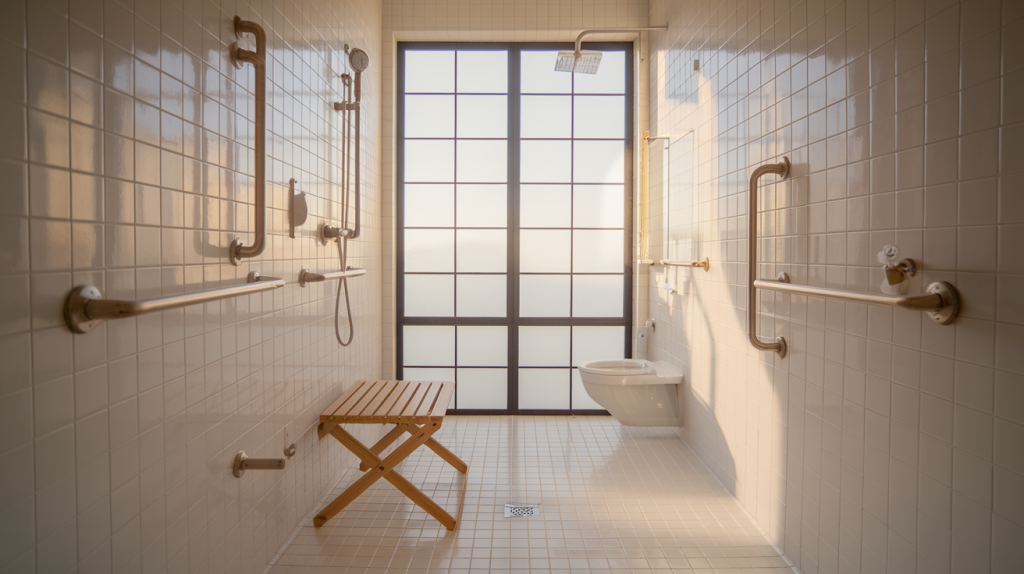
- Install grab bars at the toilet and inside the shower/tub. Use stainless-steel bars rated for at least 250 pounds, anchored into wall studs. Cost: $50–$200 per bar including professional installation. Do not rely on suction-cup models—they fail under load.
- Replace the bathtub with a walk-in shower or curbless shower. Zero-threshold showers eliminate the single most dangerous transition in any home. Cost: $3,500–$12,000 depending on plumbing changes and finish materials.
- Add a hand-held adjustable shower head. This allows seated showering and costs only $30–$80 for a quality unit. I recommend models with a 72-inch hose and a slide-bar mount.
- Install a comfort-height toilet (17–19 inches). Standard toilets sit at 15 inches, which forces a deep knee bend that becomes increasingly difficult—and risky—after age 65. A new comfort-height toilet runs $150–$400 plus installation.
- Use non-slip flooring or high-quality adhesive strips. Porcelain tile with a coefficient of friction (COF) rating above 0.60 is the gold standard. Cost for reflooring a small bathroom: $800–$2,500.
Kitchen Modifications
- Install pull-down shelving in upper cabinets. Reaching overhead with a step stool is a leading cause of kitchen falls. Pull-down shelf hardware costs $150–$350 per cabinet and eliminates the need for stools entirely.
- Switch to lever-handle faucets and D-pull cabinet hardware. Arthritis affects over 53 million American adults, per the CDC. Round knobs become nearly impossible to operate with stiff or swollen joints. Lever handles cost $80–$250 for a kitchen faucet; D-pulls run $3–$8 each.
- Add under-cabinet LED task lighting. Vision naturally decreases with age—a 60-year-old needs roughly three times more light than a 20-year-old to see the same detail. LED strip kits cost $40–$120 and dramatically improve countertop visibility.
Entryways, Hallways, and Stairs
- Eliminate or reduce entry thresholds. Even a 3/4-inch threshold can catch a toe or a walker wheel. Threshold ramps cost $20–$80. For exterior entries, a permanent ramp runs $1,500–$8,000 depending on length and material.
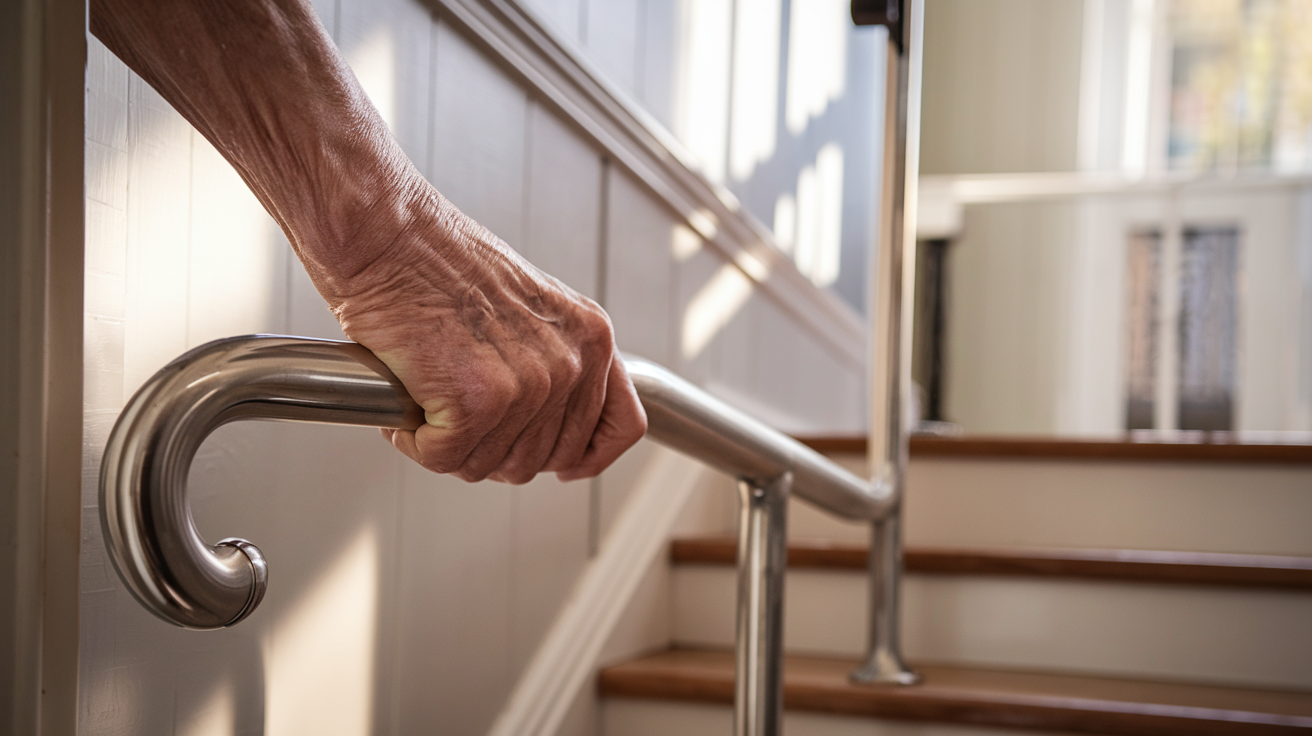
- Add continuous handrails on both sides of all staircases. Building codes often require only one rail. I always recommend two, installed at 34–38 inches from the stair nosing, with extensions at top and bottom. Cost: $200–$600 per staircase for professional installation.
- Upgrade to rocker-style light switches and motion-sensor lighting. Fumbling for a small toggle switch in a dark hallway is a recipe for a fall. Rocker switches cost $2–$5 each; motion-sensor hallway lights run $25–$60 per unit.
Bedroom and Living Areas
- Move the primary bedroom to the main floor. If your home’s only bedrooms are upstairs, converting a dining room or den into a main-floor bedroom—with an adjacent bathroom—is one of the most impactful modifications possible. Cost varies widely: $2,000 for a simple furniture swap up to $25,000+ if plumbing for a new half-bath is needed.
- Remove throw rugs or secure them with industrial non-slip pads. The National Institute on Aging specifically identifies loose rugs as a top fall hazard. The safest option is removal. If you keep them, commercial-grade rug tape ($10–$20) far outperforms standard rug pads.
- Install smart home technology for safety monitoring. Voice-activated lighting, smart locks, video doorbells, and automatic stove shut-off devices let you control your environment without physical strain. A basic smart home safety package runs $200–$500. Just be sure to review this guide on online scams targeting seniors before connecting new devices to your home network.
Modification Costs at a Glance
| Modification | Estimated Cost | DIY Difficulty | Priority Level |
|---|---|---|---|
| Grab bars (bathroom) | $50–$200 each | Moderate | Critical |
| Walk-in/curbless shower | $3,500–$12,000 | Professional only | Critical |
| Hand-held shower head | $30–$80 | Easy | High |
| Comfort-height toilet | $150–$400 + install | Moderate | High |
| Non-slip bathroom flooring | $800–$2,500 | Professional recommended | Critical |
| Pull-down cabinet shelves | $150–$350/cabinet | Moderate | Medium |
| Lever-handle faucet | $80–$250 | Moderate | Medium |
| Under-cabinet LED lighting | $40–$120 | Easy | Medium |
| Threshold ramps | $20–$80 (interior) / $1,500–$8,000 (exterior) | Easy (interior) / Professional (exterior) | High |
| Dual staircase handrails | $200–$600 | Professional recommended | Critical |
| Rocker switches & motion lights | $25–$65/unit | Easy | Medium |
| Main-floor bedroom conversion | $2,000–$25,000+ | Professional only | High (if stairs are a concern) |
| Remove/secure throw rugs | $0–$20 | Easy | Critical |
| Smart home safety tech | $200–$500 | Easy–Moderate | Medium |
How to Prioritize: The 3-Phase Approach I Use With Every Client
Trying to do everything at once leads to decision paralysis and budget blowouts. Here’s the phased system I’ve refined over 14 years that keeps costs manageable and addresses the most dangerous hazards first.
Phase 1: Immediate Safety (Budget: $300–$1,500)
Complete within 30 days. This phase targets the modifications that cost the least but prevent the most common injuries. Remove throw rugs. Install grab bars in every bathroom. Add motion-sensor night lights in hallways and between the bedroom and bathroom. Replace round doorknobs and faucet handles with lever styles. These changes alone can reduce household fall risk by roughly 30%, according to CDC fall-prevention data.
Phase 2: Functional Upgrades (Budget: $2,000–$8,000)
Complete within 3–6 months. This phase includes a comfort-height toilet, a hand-held shower head, improved lighting throughout the home, threshold ramp installations, and dual handrails on stairs. If your kitchen requires reaching overhead daily, pull-down shelving goes here too.
Phase 3: Major Renovations (Budget: $8,000–$25,000+)
Plan over 6–18 months. This is where the walk-in shower, main-floor bedroom conversion, and exterior ramp projects live. These are the modifications that keep you out of assisted living for years—potentially decades—longer. When you consider that the median annual cost of assisted living in the U.S. hit $64,200 in 2024 (Genworth Cost of Care Survey), a $15,000 bathroom renovation pays for itself in less than three months of avoided facility costs.
Paying for Modifications: Grants, Tax Credits, and Programs Most People Miss
Funding is the number-one barrier I hear about, so let’s address it directly. Medicare does not typically cover home modifications. However, several programs can significantly offset costs:
- Medicaid Home and Community-Based Services (HCBS) Waivers: Available in all 50 states, these waivers can cover grab bars, ramps, bathroom modifications, and more for eligible low-income seniors. Eligibility and covered items vary by state.
- VA Specially Adapted Housing (SAH) and Home Improvement Grants: Veterans may qualify for grants up to $109,986 (2024 SAH limit) or $44,299 (SHA limit) for eligible modifications.
- USDA Section 504 Home Repair Program: Provides loans up to $40,000 and grants up to $10,000 for very-low-income homeowners aged 62+ in rural areas.
- Local Area Agencies on Aging (AAA): Many operate small-grant or volunteer-labor programs for minor modifications. Call the Eldercare Locator at 1-800-677-1116 to find yours.
- Medical expense tax deductions: If a doctor prescribes modifications as medically necessary, expenses exceeding 7.5% of your adjusted gross income may be deductible. Consult your tax professional.
With retirement savings under pressure from inflation and shifting Social Security rules, every dollar matters. If you’re mapping out your finances alongside these modifications, this CFP’s guide to retirement must-knows for 2026 is an excellent companion resource.
Beyond Physical Modifications: The Lifestyle Factor
A safer home is essential, but it’s only half the equation. The research on super agers and science-backed habits for healthy aging consistently shows that physical activity, social engagement, and cognitive stimulation are just as important as grab bars and non-slip floors.
I’ve watched clients install $20,000 worth of modifications and still decline rapidly—because they stopped moving, stopped socializing, and stopped challenging their minds. The home should support your independence, not replace your motivation to stay active. Hobbies that get you out of the house—gardening, walking groups, community classes, volunteering—complement physical modifications in ways that no renovation alone can match.
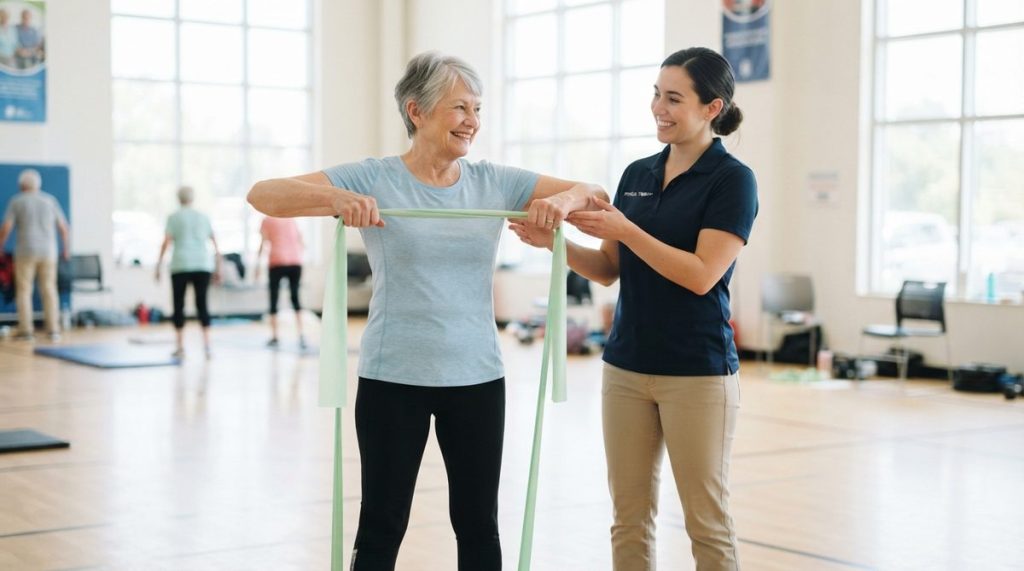
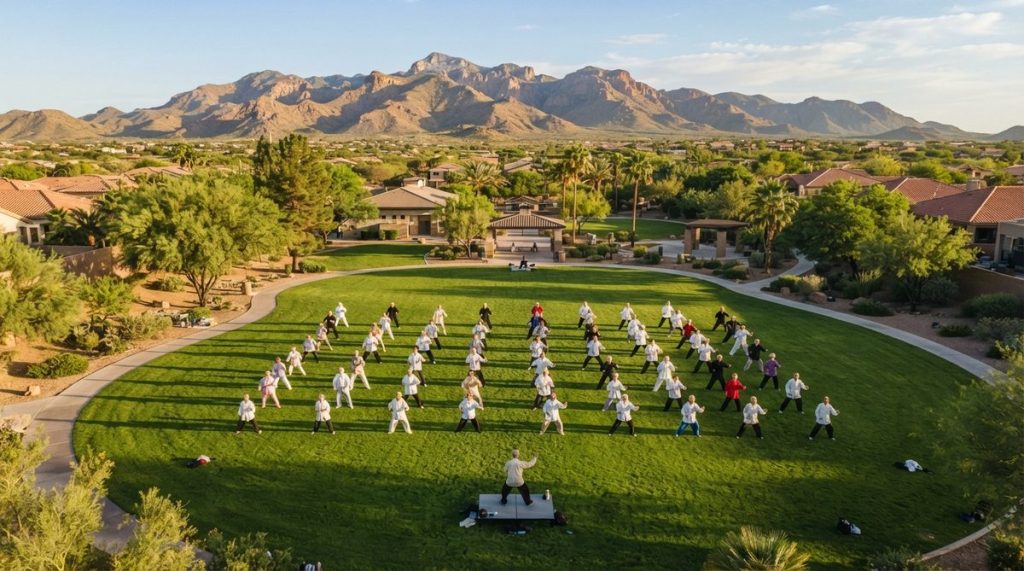
Balance, strength, and flexibility naturally decline without intentional effort. Programs like Tai Chi for Arthritis (endorsed by the CDC as an evidence-based fall-prevention program) can reduce fall risk by 20–40% when practiced regularly. Your modified home catches you when balance falters; regular exercise makes those moments less frequent in the first place.
When to Hire a Professional vs. DIY
I’m all for saving money with do-it-yourself projects, but certain modifications are non-negotiable when it comes to professional installation. Grab bars must be anchored into wall studs or backed with structural blocking—a bar that pulls out of drywall under a person’s full weight can cause a worse injury than having no bar at all. Walk-in shower conversions involve waterproofing, drain relocation, and often electrical work for exhaust fans. Exterior ramps must meet ADA slope guidelines (1:12 ratio) and local building codes.
For everything else—swapping faucets, installing motion lights, adding LED strips, removing throw rugs, applying non-slip adhesives—a reasonably handy homeowner (or a helpful family member) can handle these confidently with basic tools and a Saturday afternoon.
If you want a professional assessment, look for a Certified Aging-in-Place Specialist (CAPS) through the National Association of Home Builders directory. A typical home assessment runs $150–$300 and produces a prioritized report you can tackle at your own pace and budget.
Start Before You Need To
The single best piece of advice I give—to every client, in every consultation—is this: start before you need to. The families I see in crisis mode are the ones who waited until after a fall, after a diagnosis, after a hospital discharge. By that point, decisions are rushed, costs are inflated, and options are limited.
If you’re in your 50s reading this, you’re in the ideal window. You have time to budget, plan, and phase improvements over years. You can choose finishes and fixtures you actually love rather than grabbing whatever’s available on an emergency timeline. And you get to enjoy the benefits—a more comfortable, more functional, more beautiful home—for decades rather than months.
Your home has been your foundation through careers, children, and countless life chapters. With the right modifications, there’s no reason it can’t be your foundation through the next 20 or 30 years too. The tools, the funding programs, and the expertise exist. The only missing ingredient is the decision to start.
Frequently Asked Questions
Does Medicare pay for aging-in-place home modifications?
Traditional Medicare generally does not cover home modifications, but Medicaid HCBS waivers, VA grants, and some Medicare Advantage plans may cover specific items like grab bars or ramps—check with your plan and state Medicaid office.
What is the most important home modification for seniors?
Bathroom grab bars consistently rank as the single highest-impact, lowest-cost modification because bathrooms account for the majority of in-home falls among adults over 65.
How much does it cost to modify a home for aging in place?
Basic safety upgrades (grab bars, lighting, rug removal) cost $300–$1,500, while comprehensive renovations including a walk-in shower and main-floor bedroom conversion can range from $10,000 to $25,000 or more.
What is a Certified Aging-in-Place Specialist (CAPS)?
A CAPS professional has completed training through the National Association of Home Builders on designing and building accessible homes, and can conduct assessments, recommend modifications, and oversee renovations tailored to aging residents.
At what age should I start making aging-in-place modifications?
Ideally in your 50s or early 60s, well before any health crisis, so you can plan renovations on your own timeline and budget rather than under emergency pressure.
About Marcus Bell, Certified Aging-in-Place Specialist (CAPS)
Marcus Bell is a Certified Aging-in-Place Specialist (CAPS) with 14 years of experience helping American seniors create safer, more comfortable living environments. He has consulted on hundreds of home modifications — from bathroom safety upgrades to smart home installations — and writes extensively about the products, services, and strategies that help older adults live independently for longer. At Daily Trends Now, Marcus covers home improvement, aging-in-place solutions, gardening, and practical lifestyle tips for seniors.