

Key Takeaways
- Building your healthy aging strategy around six evidence-based pillars — nutrition, movement, sleep, social connection, cognitive engagement, and preventive care — can add both years to your life and life to your years.
- Protein needs increase after 50, and most seniors fall dangerously short, accelerating muscle loss and raising fall risk.
- Social isolation carries a mortality risk equivalent to smoking 15 cigarettes a day, making connection a medical priority, not a luxury.
- Small, consistent habit changes outperform dramatic overhauls — even 10-minute daily walks reduce cardiovascular mortality by up to 33%.
The Morning That Changed Everything for Margaret
Margaret was 67 when she called my office in tears. She’d just been told by her physician that she was pre-diabetic, her bone density was declining, and her cholesterol numbers had crept into dangerous territory. “I thought I was doing everything right,” she told me. “I eat salads. I take my vitamins. What happened?”
What happened, as I explained during our first session, was that Margaret — like millions of Americans over 50 — had been following outdated advice built for a younger body. She was eating salads, sure, but they were mostly iceberg lettuce with fat-free dressing and almost zero protein. Her “vitamins” were a generic multivitamin that didn’t address her actual deficiencies. And she hadn’t done any resistance exercise in over a decade.
In my 15 years as a registered dietitian and nutritional scientist, Margaret’s story is the one I hear most often. Smart, motivated adults who genuinely want to age well but are working from an incomplete playbook. That’s why I want to walk you through the six pillars of healthy aging after 50 — not as a checklist you’ll forget by tomorrow, but as a framework that actually works in real life.
Why “Healthy Aging” Means Something Different After 50
Your body at 55 is not your body at 35. That’s not a defeat — it’s biology. After age 50, muscle mass declines at roughly 1-2% per year if you’re sedentary. Bone density drops. Your metabolism shifts. Nutrient absorption becomes less efficient, particularly for vitamin B12, calcium, and vitamin D.
The National Institute on Aging now uses the term “healthspan” — the number of years you live free from serious chronic disease and disability — as a more meaningful metric than lifespan alone. And the research is clear: the habits you build between ages 50 and 70 have an outsized impact on whether your later decades are active or dependent.
“The average American spends the last 12 years of life with a significant chronic condition. But research shows that roughly 80% of chronic disease risk is modifiable through lifestyle — meaning those 12 years aren’t inevitable.” — CDC Chronic Disease Prevention Data, 2023
That statistic drives everything I do with my clients. The pillars below aren’t theoretical. They’re drawn from longitudinal research, clinical nutrition science, and the real-world results I’ve seen in hundreds of patients like Margaret. If you’ve already started exploring broader strategies, you’ll find some helpful overlap with this guide on 6 Pillars of Healthy Aging After 50 That Actually Work.
Pillar 1: Nutrition That Matches Your Changing Body
The Protein Problem Most Seniors Don’t Know They Have
I often tell my clients that protein is the most under-consumed macronutrient in the over-50 population. The current RDA of 0.8 grams per kilogram of body weight was established for young, healthy adults. For older adults, the research — including a 2023 consensus paper in the Journal of the American Medical Directors Association — recommends 1.0 to 1.2 grams per kilogram daily, and up to 1.5 g/kg for those recovering from illness or managing sarcopenia.
For a 160-pound person, that’s roughly 73-87 grams of protein per day. Most of my clients over 60 are getting 40-50 grams when they first come to me.
The Anti-Inflammatory Plate
Chronic low-grade inflammation is a driver of nearly every age-related disease: heart disease, type 2 diabetes, Alzheimer’s, osteoarthritis. What I recommend is what I call the “anti-inflammatory plate”:
- Fill half your plate with colorful vegetables and some fruit — aim for at least 5 different colors per day. Deep purples, oranges, and dark greens provide the highest concentrations of polyphenols and antioxidants.
- Dedicate a quarter to lean protein — wild salmon, chicken, eggs, Greek yogurt, lentils, or tofu. Distribute protein across all three meals rather than loading it into dinner.
- Use the remaining quarter for whole grains or starchy vegetables — quinoa, sweet potato, brown rice, or oats.
- Add healthy fats deliberately — extra virgin olive oil, avocado, walnuts, and ground flaxseed.
- Hydrate intentionally — thirst signals diminish with age. Aim for at least 64 ounces of water daily, more if you’re active or on diuretics.
Dehydration is a surprisingly dangerous and overlooked issue for older adults. If you’re not sure whether you’re getting enough fluids, I’d recommend reading about the hidden dehydration risks most seniors miss.
Supplements: What’s Worth It and What’s Not
| Supplement | Who Needs It (50+) | Recommended Daily Amount | Evidence Level | Approximate Monthly Cost |
|---|---|---|---|---|
| Vitamin D3 | Nearly all adults over 50 | 1,000–2,000 IU (get blood levels checked) | Strong | $6–$12 |
| Vitamin B12 | Adults over 50, especially on metformin or PPIs | 500–1,000 mcg (sublingual or methylcobalamin) | Strong | $8–$15 |
| Omega-3 Fish Oil | Those not eating fatty fish 2–3x/week | 1,000–2,000 mg EPA+DHA combined | Moderate-Strong | $12–$25 |
| Calcium | Women over 50, men over 70 (food first) | 1,200 mg total (food + supplement) | Moderate | $5–$10 |
| Magnesium Glycinate | Those with muscle cramps, poor sleep, or low intake | 200–400 mg | Moderate | $10–$18 |
| Turmeric/Curcumin | Joint pain, inflammatory conditions | 500–1,000 mg (with piperine for absorption) | Emerging | $15–$30 |
| Generic Multivitamin | As “insurance” only — not a substitute for real food | 1 daily | Weak as standalone | $5–$15 |
I always tell my clients: supplements fill gaps, they don’t build foundations. If your diet is fundamentally poor, no pill will rescue you.
Pillar 2: Movement That Protects, Not Punishes
The Case for Strength Training After 50
If I could prescribe one single intervention for healthy aging after 50, it wouldn’t be a drug or a superfood. It would be resistance training. The CDC recommends that all adults engage in muscle-strengthening activities at least two days per week, yet only about 24% of Americans over 65 meet that guideline.
Strength training preserves muscle mass, strengthens bones, improves balance (reducing fall risk by up to 40%), boosts metabolism, and has remarkable effects on insulin sensitivity. Margaret started with bodyweight squats, wall push-ups, and resistance band rows — 20 minutes, three times a week. Within four months, her fasting glucose had dropped 18 points.
Don’t Forget Cardio — But Rethink It
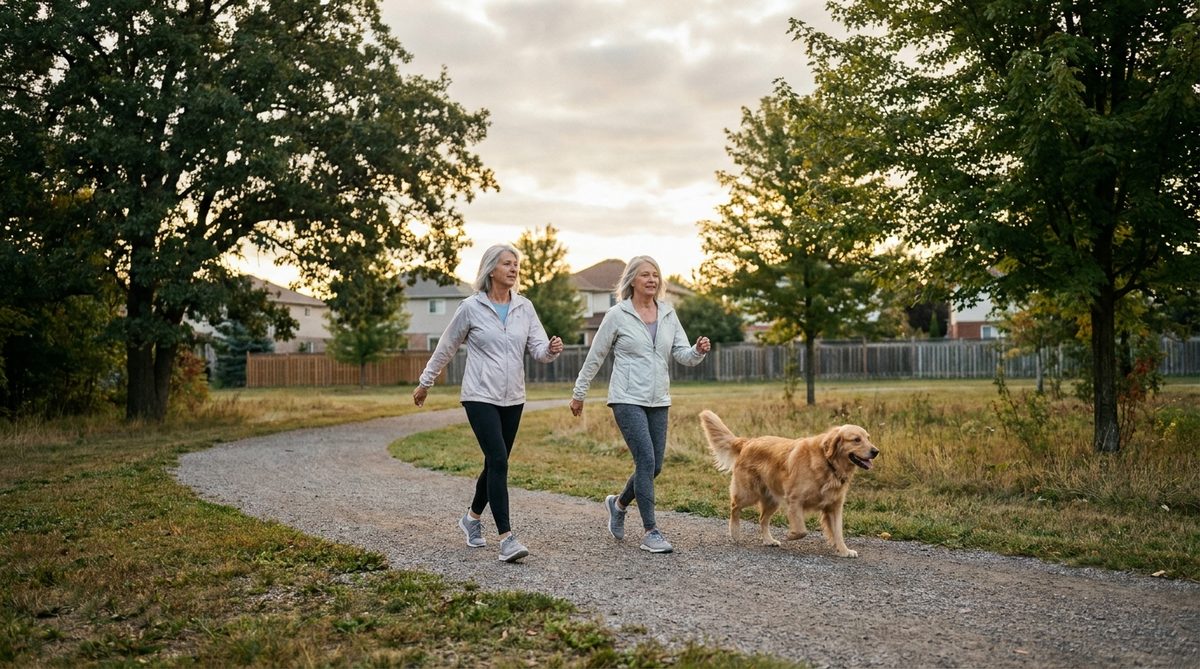
You don’t need to run marathons. A landmark 2022 study in JAMA Internal Medicine found that walking just 8,000 steps on one or two days per week — not even daily — was associated with a 14.9% lower all-cause mortality risk. For people over 60, brisk walking, swimming, cycling, and dancing are excellent cardiovascular options that spare the joints.
The key is consistency over intensity. What I see most often in my practice is the “weekend warrior” pattern: sedentary all week, then a punishing Saturday hike. That pattern increases injury risk dramatically. Instead, aim for 150 minutes of moderate activity spread across the week, as the Mayo Clinic recommends.
Pillar 3: Sleep — The Repair Window Your Body Demands
Sleep is when your body consolidates memory, clears beta-amyloid proteins from the brain (a substance linked to Alzheimer’s), repairs tissue, and regulates hormones including those that control appetite and inflammation. After 50, sleep architecture changes — you get less deep sleep and wake more frequently.
But poor sleep isn’t an inevitable part of aging. What is common, however, is that the habits disrupting sleep — late-night screen use, irregular schedules, excess caffeine, untreated sleep apnea — go unaddressed because people assume “this is just how it is now.”
I recommend these evidence-based sleep strategies for my clients over 50:
- Keep a consistent wake time, even on weekends (your circadian rhythm craves regularity).
- Stop caffeine by noon — caffeine’s half-life is 5-6 hours, but in older adults, it can be longer.
- Make the bedroom cold (65-68°F), dark, and quiet.
- If you wake at 3 a.m. and can’t return to sleep within 20 minutes, get up and do something boring in dim light until drowsiness returns.
- Talk to your doctor about screening for sleep apnea — it’s vastly underdiagnosed in older adults, especially women.
Pillar 4: Social Connection as a Health Intervention
This is the pillar that surprises people. When I tell clients that social isolation carries a health risk comparable to smoking 15 cigarettes a day — a finding backed by a widely cited meta-analysis by Julianne Holt-Lunstad at Brigham Young University — they look at me as though I’ve exaggerated. I haven’t.
“Loneliness increases the risk of dementia by approximately 50%, the risk of heart disease by 29%, and the risk of stroke by 32%. Social connection isn’t soft medicine — it’s survival medicine.” — U.S. Surgeon General’s Advisory on the Epidemic of Loneliness, 2023
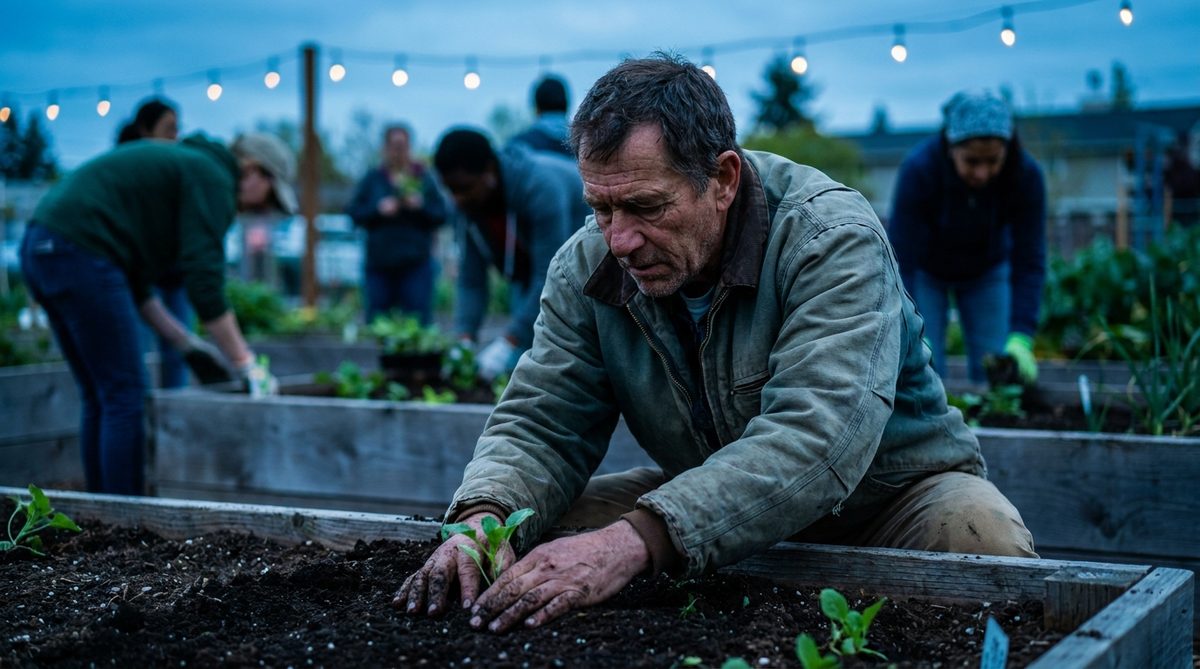
Margaret’s transformation wasn’t only about food and exercise. When she joined a weekly walking group and started volunteering at a local food bank, her self-reported mood scores improved more than they had with any dietary change alone. Her blood pressure dropped 8 points systolic within three months.
For those considering their long-term living arrangements and the costs involved, understanding the financial side is just as important — you can explore practical budgeting advice in Aging in Place Costs More Than Expected: How to Budget Smart.
Pillar 5: Cognitive Engagement — Use It or Build It
“Use it or lose it” is the cliché. But the more accurate version is “use it to build it.” Neuroplasticity — your brain’s ability to form new neural connections — doesn’t stop at 50. It slows, but it never stops.
What Actually Works for Brain Health
Crossword puzzles are fine, but the research shows the biggest cognitive benefits come from activities that involve novelty, social interaction, and moderate physical demand simultaneously. Learning a new language, taking a dance class, joining a community theater group, or learning an instrument all hit multiple cognitive pathways at once.
The National Institute on Aging notes that ongoing research into cognitive aging increasingly points to a “multimodal” approach — combining physical activity, social engagement, and cognitive challenge — as far more effective than any single brain-training app.
Nutrition for the Brain
As a nutritional scientist, I’d be remiss if I didn’t connect this back to diet. The MIND diet (a hybrid of Mediterranean and DASH diets) has been specifically associated with slower cognitive decline. Key foods include leafy greens (at least 6 servings/week), berries (at least 2 servings/week), nuts, olive oil, whole grains, fish, and beans. It also emphasizes limiting red meat, butter, cheese, pastries, and fried foods.
In one Rush University study, strict adherence to the MIND diet was associated with a 53% lower risk of developing Alzheimer’s disease. Even moderate adherence showed a 35% reduction.
Pillar 6: Proactive Preventive Care
The Screenings That Matter Most After 50
Healthy aging after 50 requires being proactive rather than reactive with medical care. I’ve watched too many clients delay colonoscopies, skip bone density scans, or ignore subtle changes in cognition because they feared the answer. Early detection is not about anxiety — it’s about options. A polyp caught during a routine colonoscopy is a non-event. A stage III colon cancer is a crisis.
Key screenings to discuss with your doctor include:
- Colonoscopy — starting at age 45 per updated guidelines, repeated every 10 years if normal.
- Bone density (DEXA) scan — for all women at 65, or earlier if risk factors are present. Men should discuss with their physician at 70.
- Lipid panel and HbA1c — annually, or more frequently if you have cardiovascular risk factors or prediabetes.
- Blood pressure monitoring — at every healthcare visit, plus home monitoring if you have hypertension.
- Vision and hearing exams — annually after 60. Untreated hearing loss is now recognized as a modifiable risk factor for dementia.
- Cancer screenings — mammograms, prostate-specific antigen (PSA) discussions, skin cancer checks, and lung cancer screening if you have a smoking history.
- Cognitive screening — talk to your doctor about a baseline cognitive assessment at 65, earlier if you have family history of dementia.
Don’t Let Insurance Gaps Derail Your Health
Recent analyses have shown that Medicare Advantage plans sometimes deny seniors access to necessary rehabilitation and long-term care, an alarming trend that underscores the need to understand your coverage before you need it. Review your plan annually during open enrollment, and don’t hesitate to appeal denials. Your health is worth the paperwork.
Bringing It All Together: Margaret’s Story, Six Months Later
When Margaret came back for her six-month follow-up, the numbers told the story. Her HbA1c had dropped from 6.3% (prediabetic) to 5.6% (normal). Her LDL cholesterol had fallen 22 points. She’d gained three pounds of lean muscle mass and reported sleeping through the night for the first time in years.
But the number she was proudest of? Zero. That was the number of days in the past month she’d felt lonely.
“I didn’t just change my diet,” she told me. “I changed my life.”
Margaret didn’t need a miracle. She needed a framework — six pillars that worked together, reinforcing each other like the walls of a house. Nutrition fueled her workouts. Exercise improved her sleep. Better sleep sharpened her mind. Social connection motivated her to keep going. And preventive care gave her the confidence that she was catching problems before they became crises.
If you’re over 50 and wondering where to start, I’ll tell you what I told Margaret: start with one pillar. Just one. Master it for two weeks, then add another. You don’t need to overhaul your life overnight. You just need to start building.
For more evidence-based strategies on thriving in your later decades, explore our in-depth guide on 7 Healthy Habits for Aging Well in Your 60s, 70s, and Beyond.
About Dr. Linda Park, PhD, RD (Registered Dietitian)
Dr. Linda Park is a Registered Dietitian with a PhD in Nutritional Science and 15 years of clinical and research experience focused on older adults. She has published peer-reviewed research on the role of nutrition in managing diabetes, cardiovascular health, and cognitive decline in seniors. At Daily Trends Now, Dr. Park writes evidence-based articles on senior nutrition, supplement safety, meal planning, and the foods that truly make a difference for aging well.