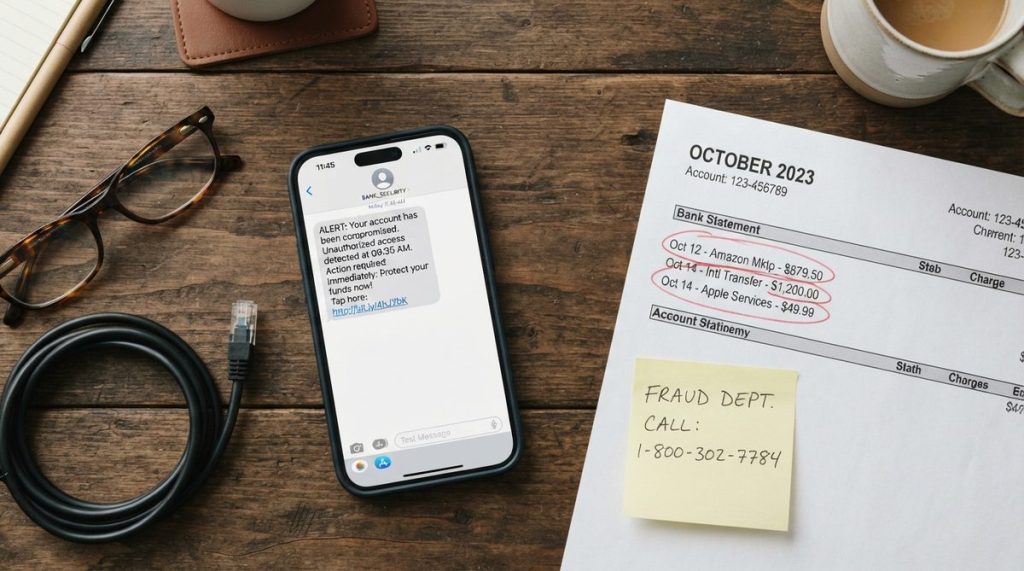


The Phone Call That Almost Cost Margaret Everything
Margaret Chen, a 72-year-old retired schoolteacher in Phoenix, Arizona, answered her phone on a Tuesday morning last October. The caller ID said “Social Security Administration.” The voice on the other end was professional, urgent, and terrifying: her Social Security number had been “compromised in a federal investigation,” and if she didn’t act immediately, her benefits would be frozen and a warrant issued for her arrest.
Margaret is sharp. She reads the news. She volunteers at her local library. But in that moment — with her heart pounding and the caller rattling off the last four digits of her actual Social Security number — she almost followed his instructions to withdraw $14,000 from her savings account and load it onto prepaid gift cards.
What stopped her was a single detail: the caller told her not to tell anyone, not even her daughter. That secrecy demand triggered something she’d read months earlier. She hung up, called her daughter, and then called the real Social Security Administration. There was no investigation. There was no warrant. There was only a scammer who had come within minutes of stealing her retirement security.
In my 12 years covering consumer technology, I’ve heard hundreds of stories like Margaret’s. Some end well. Far too many don’t. And what I see most often is that the people who avoid these traps aren’t necessarily more tech-savvy — they simply learned a few specific red flags in advance.
Financial Scams Targeting Older Adults Have Reached Crisis Levels
The numbers are staggering and getting worse. According to the FBI’s Internet Crime Complaint Center (IC3), Americans over 60 reported losses exceeding $3.4 billion to fraud in 2023 — a 11% increase from the previous year. And that figure almost certainly understates the problem, because the FBI estimates only a fraction of victims ever report the crime.
Why are older adults disproportionately targeted? It’s not about intelligence or gullibility. Scammers target people over 50 because they tend to have more accumulated savings, better credit, and — critically — a cultural tendency toward politeness and trust that younger, more digitally-native generations may not share. Fraudsters also exploit isolation; adults living alone are significantly more vulnerable.
The FTC’s Consumer Advice division has flagged several fraud categories that surged in 2024 and 2025, including investment scams, romance fraud, tech support imposters, and government impersonation schemes like the one that nearly caught Margaret. Each type operates differently, but they all share a common playbook: create urgency, isolate the victim, and demand unconventional payment.
The Five Most Dangerous Scams Right Now
1. Government Impersonation Scams
This is the fastest-growing category. Callers pose as representatives from the Social Security Administration, IRS, Medicare, or even local law enforcement. They’ll claim you owe money, your benefits are at risk, or you’re under investigation. The calls often spoof legitimate government phone numbers, making caller ID unreliable.
The key tell: no legitimate government agency will ever call you demanding immediate payment, threaten arrest over the phone, or ask you to pay via gift cards, wire transfers, or cryptocurrency. Period. If you’re unsure, hang up and call the agency directly using the number on their official website or on your benefits statement.
2. Tech Support Fraud
You’re browsing the web when a full-screen pop-up appears with a blaring alarm: “YOUR COMPUTER HAS BEEN INFECTED. CALL MICROSOFT SUPPORT IMMEDIATELY.” The phone number connects you to a convincing “technician” who asks for remote access to your computer — and then to your bank account to process a “refund” that somehow goes wrong, requiring you to send money back.
This scam cost Americans over 60 more than $590 million in 2023 alone. Microsoft, Apple, and Google will never display pop-up warnings with phone numbers. If you see one, force-close your browser (press Ctrl+W on a PC or Command+W on a Mac) and run a scan with your existing antivirus software. If you’re unsure how to handle browser pop-ups or computer security basics, the resource guides at AARP’s Technology section are genuinely excellent and written for non-technical readers.
3. Romance and Companionship Scams
These are among the cruelest. A scammer builds a relationship over weeks or months through dating apps, Facebook, or even Words With Friends. They’re attentive, flattering, and emotionally available. Then, inevitably, a crisis emerges — a medical emergency, a business deal gone wrong, a plane ticket needed to finally meet in person — and they need money.
The median individual loss in romance scams targeting older adults exceeds $9,000, but I’ve covered cases where victims lost $200,000 or more. The emotional devastation compounds the financial damage. One protective step: before sending money to anyone you’ve met online but never in person, talk to someone you trust. Scammers thrive on secrecy.
4. Investment and Cryptocurrency Scams
With inflation squeezing retirement budgets — a pressure we’ve explored in our piece on seniors depleting retirement savings faster due to inflation — many older adults are understandably looking for better returns. Scammers exploit this by promoting fake cryptocurrency platforms, bogus investment opportunities, and Ponzi schemes dressed up in professional-looking websites.
The FBI reported that investment fraud was the single costliest category in 2023, with losses over $1.2 billion among people 60 and older. If an investment promises guaranteed returns, requires cryptocurrency payment, or came to you through a social media ad or unsolicited message, treat it as a scam until proven otherwise.
5. The “Recovery” Scam — Fraud on Top of Fraud
This one is particularly insidious. After someone has already been victimized, a second scammer contacts them — sometimes posing as a lawyer, government agent, or victim advocacy organization — claiming they can recover the lost funds for an upfront fee. Victims, desperate and vulnerable, pay again. And lose again.
As one devastating recent news investigation revealed, a man whose father lost his life savings to a scam was then targeted by a fake lawyer who promised to recover the money. The “legal fees” simply compounded the family’s losses. Legitimate recovery services do not cold-call victims or demand upfront payment.
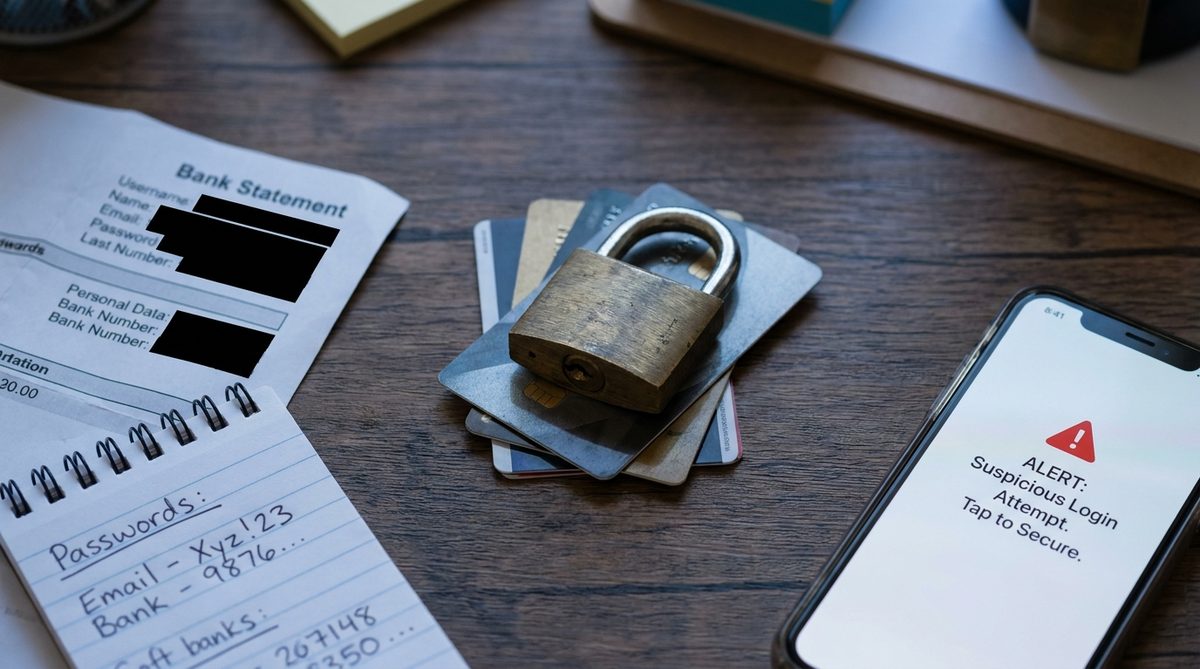
Why Technology Is Both the Problem and the Solution
Here’s what I find myself explaining most often to readers over 50: technology didn’t create fraud — con artists have existed for centuries — but it has dramatically scaled the reach and sophistication of scams. Robocall systems can dial millions of numbers per day. AI voice cloning can now replicate a grandchild’s voice from a few seconds of audio scraped from social media. Spoofed emails look pixel-perfect.
But the same technology that enables fraud also offers your strongest defenses. Call-screening apps, two-factor authentication, credit freezes, and banking alerts are all tools that put real power back in your hands. The challenge isn’t whether these protections exist — it’s knowing which ones matter most and how to set them up.
And if the idea of configuring security settings feels overwhelming, you’re not alone. Research on “technostress” shows that many older adults feel shut out by the digital world, not because they lack ability, but because technology moves fast and rarely comes with patient, clear instruction. That’s exactly why I want to lay out the most impactful steps in plain language below.
Seven Steps to Protect Yourself Starting Today
You don’t need to become a cybersecurity expert. In my experience, these seven actions — ranked roughly by impact — prevent the vast majority of financial scams targeting older adults.
- Freeze your credit at all three bureaus. Contact Equifax, Experian, and TransUnion to place a free credit freeze. This prevents anyone (including scammers) from opening new accounts in your name. You can temporarily lift the freeze whenever you legitimately need credit. This single step blocks most identity theft cold. The Cybersecurity & Infrastructure Security Agency (CISA) recommends credit freezes as a foundational protective measure for all Americans.
- Enable two-factor authentication (2FA) on every financial account. This means that even if someone steals your password, they can’t log in without a second verification — usually a code sent to your phone. Most banks, email providers, and investment platforms offer this. Check your account’s security settings, or call customer service and ask them to walk you through it.
- Set up banking and credit card alerts. Configure your bank to notify you by text or email for any transaction over a threshold you choose — even $1. If a scammer does access your account, you’ll know within minutes rather than weeks.
- Use a call-screening app or service. Both Android and iPhone have built-in call screening features. Your carrier (AT&T, Verizon, T-Mobile) also offers free scam-blocking tools. Enable them. They won’t catch every fraudulent call, but they dramatically reduce the volume of robocalls and spoofed numbers that reach you.
- Establish a “verification pause” rule. Before sending money, sharing personal information, or clicking a link in any unexpected message, pause for 24 hours. Call the organization directly using a number you find independently — not one provided in the message. Tell your family about this rule so they support it rather than pressure you to act quickly.
- Create a trusted contact at your financial institution. Most brokerages and many banks now allow you to designate a trusted contact — a family member or advisor who can be reached if the institution suspects you’re being exploited. This isn’t giving someone control of your money; it’s adding an extra safety net.
- Talk about scams openly with family and friends. Shame and silence are a scammer’s best allies. I often tell readers that discussing fraud attempts should be as routine as discussing the weather. When you share a suspicious call or email with someone, you not only protect yourself — you protect them, too.
Protecting Your Independence, Not Limiting It
One concern I hear frequently from readers is that security measures feel like they’re surrendering independence — that freezing credit, adding verification steps, or designating a trusted contact means admitting you can’t handle your own affairs. I want to push back on that firmly.
These are the same precautions that cybersecurity professionals use to protect their own accounts. A credit freeze isn’t an admission of vulnerability; it’s a strategic decision that Fortune 500 executives make, too. Two-factor authentication isn’t training wheels — it’s a deadbolt on your digital front door.
The real threat to independence is financial loss. A 2024 AARP study found that older fraud victims are significantly more likely to experience depression, anxiety, and a decline in physical health following a major financial loss. Protecting your money is protecting your health, your autonomy, and your ability to age on your own terms. That’s a theme we’ve explored in depth in our guide to aging in place and budgeting smart — financial security and independent living are deeply intertwined.

What to Do If You’ve Already Been Targeted
If you suspect you’ve been scammed — or even if you’re not sure — speed matters. Here’s what to do:
Contact your bank or credit card company immediately. Many institutions can reverse or freeze transactions if you report quickly enough. Don’t feel embarrassed; bank fraud departments handle these calls every day and are trained to help, not judge.
Report the fraud to the FTC at consumer.ftc.gov or by calling 1-877-382-4357. You should also file a report with the FBI’s IC3 at ic3.gov. These reports help law enforcement track and shut down fraud operations, even if individual recovery isn’t always possible.
Alert the three credit bureaus and place a fraud alert or freeze if you haven’t already. If any personal information was compromised — Social Security number, bank account numbers, date of birth — monitor your accounts closely for the next 12 months.
Talk to someone you trust. Whether it’s a family member, a friend, or a professional counselor, don’t carry this alone. The emotional toll of fraud victimization is real and documented, and support makes a measurable difference in recovery.
Building a Scam-Resistant Household
One of the most effective strategies I’ve seen doesn’t involve any technology at all. It’s a family conversation.
Sit down with your spouse, your adult children, or a close friend and agree on a simple set of household rules. For instance: “We will never send money or share financial information based on a phone call, email, or text without first verifying through a separate, independent channel.” Agree on a family code word that can be used to verify identity if someone calls claiming to be a relative in distress — because AI voice cloning has made the classic “grandparent scam” far more convincing.
These conversations can feel awkward, but they’re far less painful than the aftermath of a successful scam. And they work in both directions — younger family members are vulnerable to different types of fraud, and the vigilance you develop protects everyone.
Staying Informed Without Staying Afraid
I want to end where Margaret’s story ended: with confidence, not fear. After her near-miss with the Social Security impersonation scam, Margaret didn’t retreat from technology. She signed up for the FTC’s scam alert emails. She froze her credit. She started a “scam of the week” discussion at her library volunteer group, where she and her friends share the latest fraud attempts they’ve encountered.
“I’m not less trusting now,” she told me when we spoke again six months later. “I’m more prepared. There’s a difference.”
That distinction matters enormously. Financial scams targeting older adults are a serious and growing threat — but they’re also a knowable, manageable risk. You don’t need to be a tech wizard. You need a credit freeze, two-factor authentication, a healthy suspicion of urgency, and at least one person in your life you can call before making any major financial decision under pressure.
Technology adoption among older adults keeps surging year after year, and for good reason — staying connected, managing health, and maintaining independence all benefit from the digital tools available to us. The goal isn’t to use less technology. It’s to use it with your eyes wide open. That combination of engagement and awareness is, in my experience, the most powerful scam defense there is.
Frequently Asked Questions
What is the most common financial scam targeting older adults right now?
Government impersonation scams — particularly fake calls from the Social Security Administration and IRS — are among the most prevalent. The FBI's 2023 data shows investment fraud causes the highest dollar losses among people over 60, totaling over $1.2 billion, while tech support scams accounted for more than $590 million. All three categories are growing year over year.
Should I freeze my credit even if I haven't been scammed?
Yes. A credit freeze is a proactive protective measure recommended by CISA and consumer advocates for all adults, regardless of whether you've been targeted. It's free to place and free to lift temporarily when you need to apply for credit. It prevents scammers from opening new accounts in your name and is one of the single most effective steps you can take against identity theft.
What should I do if a family member won't believe they're being scammed?
Approach the conversation with empathy rather than confrontation. Scammers build emotional connections with victims, especially in romance and investment fraud, and telling someone they're being foolish often backfires. Share specific, factual red flags calmly, offer to help them verify the situation through an independent source like their bank or the FTC (consumer.ftc.gov), and consider contacting your local Adult Protective Services if significant financial loss is ongoing.
About Alex Rivera, 12+ Years in Consumer Tech Reporting
Alex Rivera is a senior technology journalist with over 12 years of experience making technology accessible to everyday readers. He has covered consumer electronics, smartphones, smart home devices, streaming platforms, and digital privacy for major publications. At Daily Trends Now, Alex focuses on the tech that matters most to American adults — from choosing the right phone plan to protecting your data online. His reviews and guides cut through the jargon to help readers make confident technology decisions.