

Key Takeaways
- Falls are the leading cause of injury death for Americans 65+, but five targeted home modifications can reduce that risk by up to 40%.
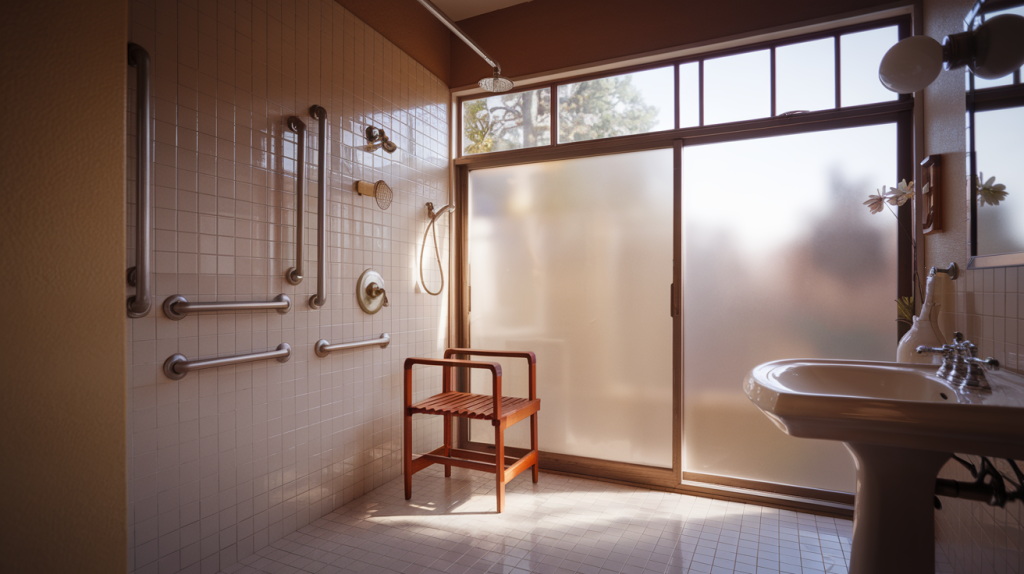
- Grab bars and bathroom modifications deliver the highest safety return for the lowest cost, often under $300 total.
- A full aging-in-place renovation averages $9,500, but strategic modifications can achieve 80% of the safety benefit for under $3,000.
- Medicare typically doesn't cover home modifications, but Medicaid waivers, VA grants, and local programs can offset costs significantly.
The $50 Billion Problem Hiding Inside American Homes
Consider this statistic: Every 11 seconds, an older adult is treated in an emergency room for a fall-related injury. According to the National Council on Aging, falls cost the U.S. healthcare system more than $50 billion annually — and the vast majority of those falls happen at home, in the very spaces people assume are safest.
The conversation around home modifications for aging in place has shifted from a niche concern to an urgent priority over the past 16 years. And for good reason: AARP’s most recent Home and Community Preferences Survey found that 77% of adults over 50 want to remain in their current home as they age. Yet fewer than 10% of American homes have the basic accessibility features to make that possible.
That gap between desire and reality is where injuries happen, independence erodes, and families face agonizing decisions about assisted living — decisions that often could have been delayed or avoided entirely with a handful of targeted modifications.
“The average cost of assisted living in the U.S. reached $64,200 per year in 2024. Even a $10,000 investment in home modifications can delay or eliminate that expense for years — sometimes permanently.” — Genworth Cost of Care Survey, 2024
This guide breaks down the five home modifications that deliver the greatest safety impact per dollar spent — backed by cost data, safety research, and real contractor quotes across multiple U.S. regions — and what each one will actually cost you in 2025.
Why “Aging in Place” Isn’t Just a Buzzword Anymore
The phrase “aging in place” gets thrown around a lot, but the data behind it tells a compelling story. A 2023 study published in the Journal of the American Geriatrics Society found that older adults who received targeted home modifications experienced a 38% reduction in fall rates over 12 months compared to a control group. Separate empirical research from China, published in early 2025, confirmed that age-friendly home modifications significantly improved both physical safety and psychological well-being in older populations.
A common pattern emerges: homeowners wait too long before modifying their homes. They modify after a fall, after a hip replacement, after a crisis. The smartest approach — and the most cost-effective — is proactive. Making changes while you’re healthy means you can plan carefully, compare contractors, and avoid the premium pricing that comes with urgent medical-necessity installations.
If you’re also rethinking your daily health routines alongside your living space, our guide to 9 healthy aging habits that protect your body after 50 is worth a read as a companion piece.
The 5 Home Modifications That Matter Most — Ranked by Impact
Not all modifications are created equal. These five have been ranked based on a combination of injury-prevention data from the National Institute on Aging, cost-to-benefit ratio, and how frequently occupational therapists recommend them during home safety assessments.
1. Bathroom Grab Bars and Non-Slip Surfaces
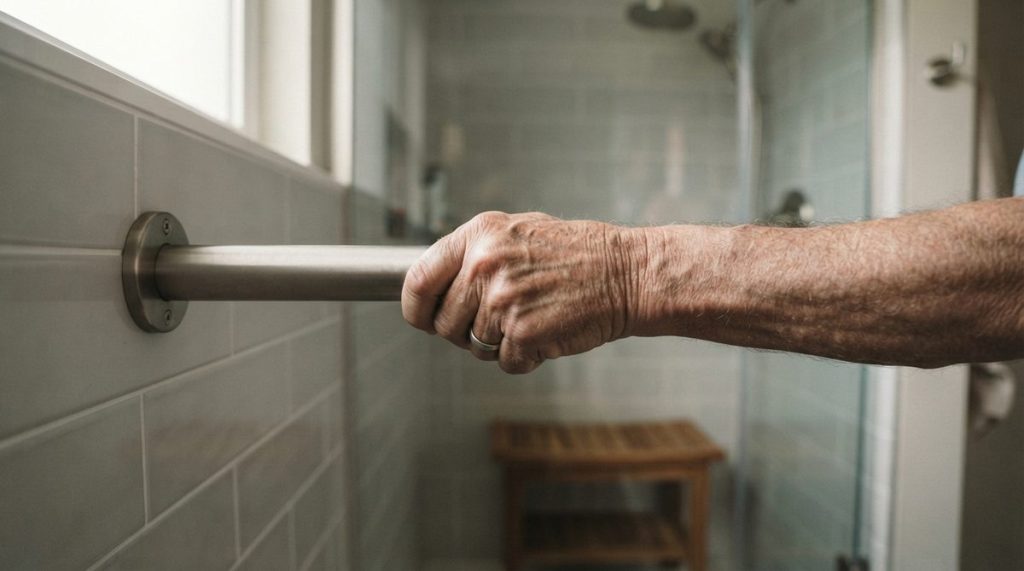
The bathroom is the single most dangerous room in the house for adults over 60. Wet surfaces, hard edges, and the physical mechanics of getting in and out of a tub create a near-perfect storm for falls. The CDC estimates that nearly 80% of home fall injuries among older adults involve the bathroom.
Installing grab bars beside the toilet and inside the shower or tub, paired with non-slip mats or adhesive strips, is the highest-impact, lowest-cost modification available. Professional installation of three to four grab bars typically runs $150 to $350, including hardware. Non-slip treatments add $50 to $150.
If you only implement one modification from this list, this one delivers extraordinary return on safety.
2. Walk-In Shower Conversion
Stepping over a standard bathtub rim — which typically sits 14 to 16 inches off the floor — requires balance, strength, and coordination that diminish with age. A walk-in shower with a zero-threshold or low-threshold entry eliminates that risk entirely.
This is the most expensive single modification on the list, typically ranging from $3,500 to $8,000 depending on your region, plumbing complexity, and finish selections. However, it’s also the modification most strongly correlated with long-term independence. Adding a fold-down bench and handheld showerhead (another $200 to $500) makes it even more functional.
3. Improved Lighting Throughout the Home
This one surprises people, but poor lighting is implicated in an estimated 30% of home falls among older adults. Age-related vision changes — reduced contrast sensitivity, slower dark adaptation, increased glare sensitivity — mean that lighting adequate for a 35-year-old is genuinely insufficient for a 70-year-old.
The fix involves adding motion-activated lights in hallways, stairwells, and bathrooms; increasing bulb wattage in key areas; installing LED under-cabinet strips in the kitchen; and adding illuminated light switches. Total cost for a typical three-bedroom home: $300 to $1,200, depending on whether you’re doing basic fixture swaps or adding hardwired motion sensors.
4. Stair Modifications or Stair Lifts
Stairs present an obvious challenge. For some, adding handrails on both sides (often only one exists), improving tread visibility with contrasting tape, and ensuring adequate lighting is enough. Those modifications run $200 to $600.
For others — particularly those with mobility limitations, joint replacements, or balance disorders — a stair lift becomes necessary. A straight stair lift costs $2,500 to $5,000 installed. Curved models, which must be custom-built, range from $9,000 to $15,000. Refurbished units can cut costs by 30 to 40%.
For more on how technology is making homes safer, take a look at 7 tech devices that make aging in place safer in 2026.
5. Entrance Ramps and Door Widening
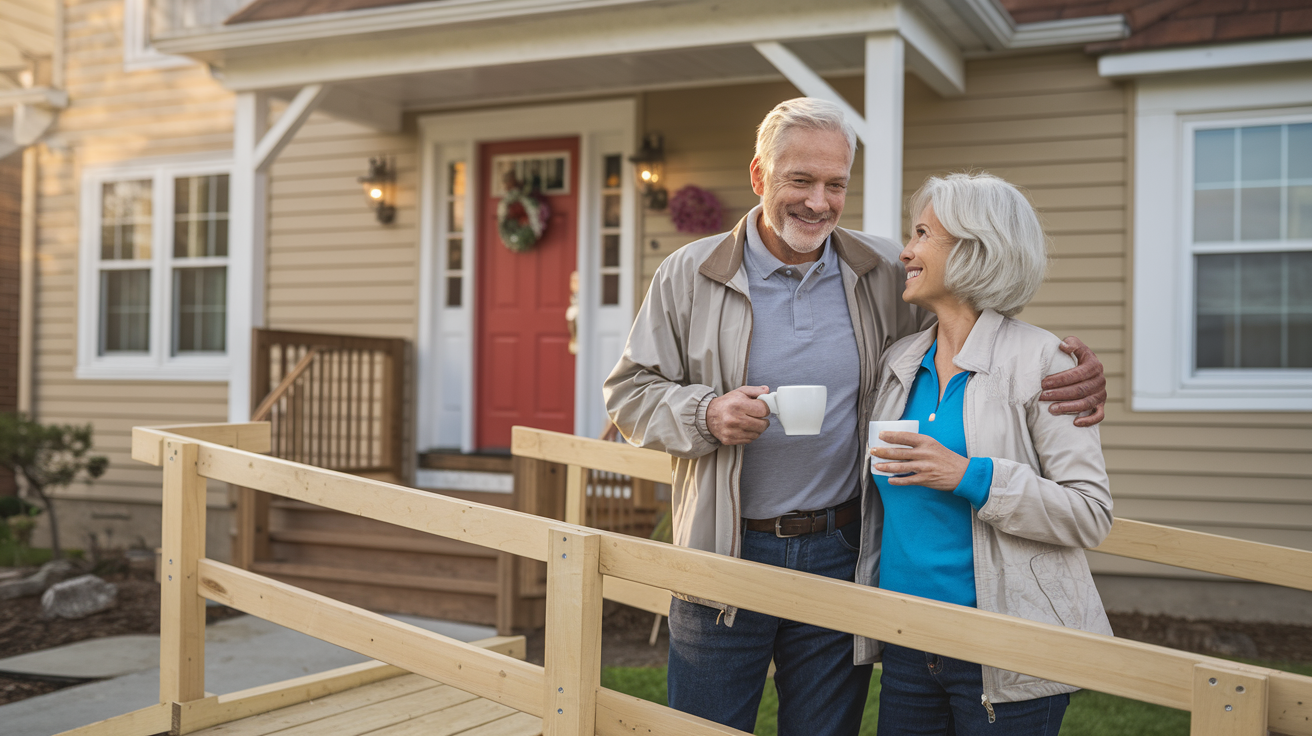
Even if you don’t currently use a wheelchair or walker, entrance accessibility matters. A single step at the front or back door becomes a serious obstacle after knee surgery, during recovery from illness, or as arthritis progresses. A modular aluminum ramp costs $1,000 to $3,500 depending on length. Wooden ramps built by a contractor typically run $1,500 to $4,000.
Door widening — from the standard 30-inch interior doorway to the ADA-recommended 36 inches — costs $300 to $1,000 per door. Most occupational therapists recommend prioritizing the bedroom, bathroom, and main entry doors.
What Each Modification Actually Costs: A Side-by-Side Comparison
Average 2025 pricing comes from contractor databases, Better Homes & Gardens renovation guides, and AARP’s home modification resources. Regional pricing varies — expect 15 to 25% higher costs in coastal metros like San Francisco, New York, and Boston.
| Modification | Average Cost (2025) | DIY Possible? | Fall-Risk Reduction | Priority Level |
|---|---|---|---|---|
| Bathroom grab bars & non-slip surfaces | $200 – $500 | Yes (with stud finder) | High (up to 30%) | ★★★★★ |
| Walk-in shower conversion | $3,500 – $8,000 | No | High | ★★★★★ |
| Improved lighting (whole home) | $300 – $1,200 | Mostly yes | Moderate (up to 20%) | ★★★★☆ |
| Stair modifications / stair lift | $200 – $5,000+ | Handrails only | High | ★★★★☆ |
| Entrance ramp & door widening | $1,000 – $4,000 | Ramp kits only | Moderate | ★★★☆☆ |
As the table shows, you can address the two highest-priority modifications — bathroom safety and lighting — for under $1,700 combined. That’s less than one month’s cost at most assisted living facilities.
A Step-by-Step Plan to Modify Your Home Strategically
Feeling overwhelmed is normal. The most effective approach is sequential, not simultaneous. Here’s the action plan recommended based on both safety data and budget reality:
- Schedule a home safety assessment. Many Area Agencies on Aging offer these free. An occupational therapist walks through your home and identifies specific risks. This prevents you from spending money on modifications you don’t actually need.
- Install bathroom grab bars and non-slip surfaces immediately. This is same-week actionable. Buy commercial-grade stainless steel bars (not suction-cup models) and anchor them into wall studs. Total time: 2 hours. Total cost: under $300.
- Upgrade lighting within the first month. Replace dim bulbs with 3000K to 4000K LEDs rated at 800+ lumens. Add plug-in motion-sensor night lights in every hallway and bathroom. Budget: $150 to $400.
- Address stairs within 3 months. Add a second handrail if only one exists. Apply high-contrast, non-slip tread tape to each step edge. If mobility is already compromised, get stair lift quotes from at least three installers.
- Plan larger renovations (shower conversion, ramp, door widening) over 6 to 12 months. Get multiple bids. Check for Medicaid waiver programs, VA Specially Adapted Housing grants, or USDA Section 504 loans that can offset costs. Some states offer tax credits for aging-in-place modifications.
- Reassess annually. Your needs at 62 differ from your needs at 75. A yearly walk-through — ideally with a family member or professional — catches new risks before they cause injuries.
How to Pay for Home Modifications for Aging in Place
Cost is the leading barrier readers report, and it’s a legitimate concern — especially when retirement savings are depleting faster due to inflation in 2026. But there are more funding options than most people realize.
Medicare and Medicaid
Traditional Medicare does not cover home modifications. However, Medicaid Home and Community-Based Services (HCBS) waivers in many states do cover grab bars, ramps, and bathroom modifications for qualifying individuals. Eligibility varies by state, but the National Council on Aging offers a free BenefitsCheckUp tool to identify programs you qualify for.
Veterans Benefits
The VA’s Specially Adapted Housing (SAH) grant provides up to $109,986 (2025 limit) for eligible veterans with service-connected disabilities. The Special Housing Adaptation (SHA) grant offers up to $44,299. Even veterans without service-connected disabilities may qualify for the Home Improvements and Structural Alterations (HISA) program, which covers up to $6,800.
State and Local Programs
Many states offer low-interest loans or grants specifically for aging-in-place modifications. The USDA Section 504 Home Repair program provides loans up to $40,000 and grants up to $10,000 for homeowners 62 and older in rural areas. Your local Area Agency on Aging is the best starting point for identifying what’s available in your county.
Many homeowners assume they can’t afford modifications, when in reality they can’t afford not to make them. A single hip fracture in an adult over 65 costs an average of $44,600 in medical expenses — and 20% of hip fracture patients never regain their previous level of independence.
The Modifications Most People Overlook
Beyond the big five, several smaller changes deliver outsized value. Lever-style door handles replace round knobs that become difficult to grip with arthritis — a swap that costs $15 to $40 per door and takes five minutes. Rocker-style light switches are easier to operate and cost under $5 each. A raised toilet seat ($30 to $80) reduces the strain of sitting and standing by three to four inches.
Kitchen modifications also matter. Pulling heavy items down from upper cabinets is a common injury source. Installing pull-down shelf hardware ($50 to $150 per shelf) or simply reorganizing so daily-use items sit between waist and shoulder height costs nothing but an afternoon.
And don’t overlook the floor. The AARP recommends removing all throw rugs or securing them with industrial-grade double-sided tape. Transitioning from high-pile carpet to low-pile or luxury vinyl plank in high-traffic areas improves walker and wheelchair mobility and reduces tripping risks.
For a deeper dive into how age-related health myths can lead to poor decisions about home and body, see 5 healthy aging myths debunked by a dietitian over 50.
The Bottom Line: Independence Has a Price Tag — And It’s Lower Than You Think
The gap between wanting to age in place and actually being able to do it safely comes down to five deliberate decisions and, in most cases, an investment well under $5,000. The data is unambiguous: targeted home modifications for aging in place reduce falls, preserve independence, improve mental health, and save families tens of thousands of dollars in potential care costs.
The best time to make these changes was five years ago. The second-best time is this weekend, starting with a $25 grab bar and a screwdriver.
Your home should be your ally as you age, not your adversary. With the right modifications — made strategically, funded smartly, and reassessed regularly — it absolutely can be.
Frequently Asked Questions
Does Medicare pay for home modifications for aging in place?
Traditional Medicare does not cover home modifications like grab bars, ramps, or shower conversions. However, Medicare Advantage plans occasionally offer limited home safety benefits, and Medicaid HCBS waivers in many states do cover these modifications for qualifying low-income individuals. Check the National Council on Aging's BenefitsCheckUp tool for programs in your state.
What is the single most important home modification for fall prevention?
Bathroom grab bars and non-slip surfaces consistently rank as the highest-impact, lowest-cost modification. The CDC reports that nearly 80% of home fall injuries in older adults involve the bathroom, and professionally installed grab bars can reduce bathroom fall risk by up to 30%.
How much does it cost to make a home fully accessible for aging in place?
A comprehensive aging-in-place renovation averages $9,500 nationally, but strategic modifications addressing the highest-risk areas — bathroom safety, lighting, and stair improvements — can be completed for $1,500 to $3,000. Costs vary by region, with coastal metro areas running 15 to 25% higher than the national average.
Can I install grab bars myself, or do I need a professional?
You can install grab bars yourself if you have a stud finder and basic tools. The critical requirement is anchoring into wall studs — not just drywall — to support body weight (up to 250 pounds of force during a fall). Suction-cup grab bars are not recommended as primary safety devices. If you're unsure about stud locations or wall integrity, hire a handyman for $100 to $200.
At what age should I start making home modifications?
Experts recommend beginning modifications in your mid-50s to early 60s, well before mobility limitations develop. Proactive modifications allow you to plan carefully, compare contractor bids, and avoid the premium pricing that comes with urgent post-injury installations. An annual home safety reassessment is recommended starting at age 60.

One Response