

Key Takeaways
- AI-generated voice clones and deepfakes have made elder fraud dramatically harder to detect, with losses exceeding $3.4 billion in 2024 alone.
- Scammers exploit trust and urgency, but a simple "family code word" system can neutralize most impersonation attempts.
- Enabling multi-factor authentication and freezing your credit are two of the most effective defenses seniors can adopt today.
- Reporting scams immediately — even unsuccessful ones — helps law enforcement track criminal networks and protect other older adults.
The Phone Call That Almost Cost Margaret Everything
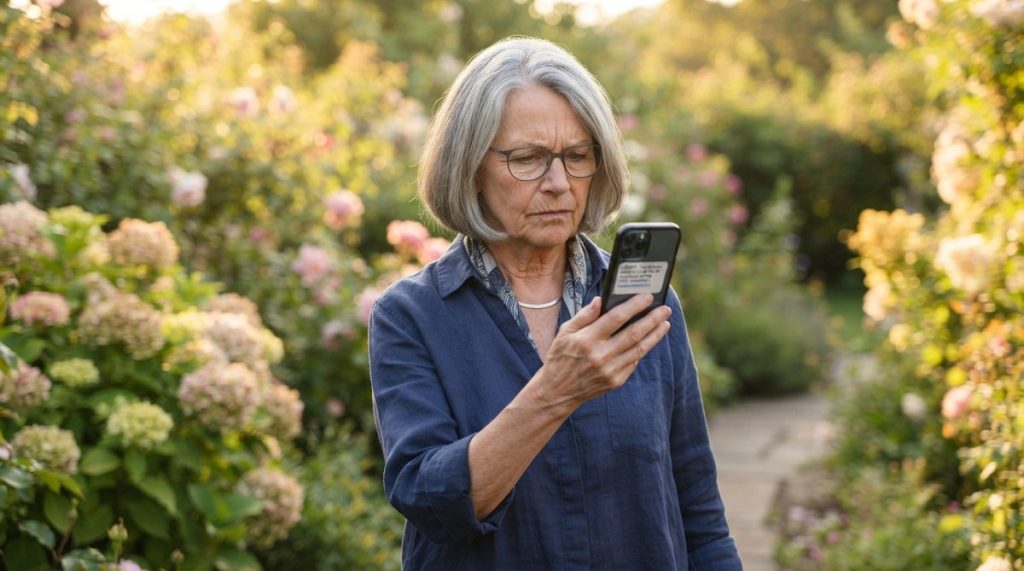
Margaret Holloway, a 72-year-old retired teacher in suburban Ohio, answered her phone on a Tuesday afternoon in March 2025. The voice on the other end belonged to her grandson, Jake — or so she believed. He was panicking, saying he’d been in a car accident and needed $9,000 for bail immediately. The voice trembled exactly the way Jake’s does when he’s upset. Margaret could hear traffic noise in the background.
She was halfway to the bank when something nagged at her. A phrase Jake used — “Grandma, please don’t tell Mom and Dad” — felt rehearsed. On instinct, she hung up and called her daughter. Jake was sitting in his college dorm, perfectly safe. He’d never made the call.
What Margaret experienced was an AI voice-cloning scam, and it represents the new frontier of elder fraud. In my 14 years working in cybersecurity and digital privacy research, I’ve watched scam tactics evolve from clumsy phishing emails riddled with typos to sophisticated, AI-driven operations that can fool almost anyone. But what’s happening right now — in 2025 and into 2026 — is a quantum leap in criminal capability, and older Americans are bearing the brunt of it.
The Scale of Elder Fraud in America Is Staggering
According to the FBI’s Internet Crime Complaint Center (IC3), Americans over 60 reported losses exceeding $3.4 billion in 2024 — a 24% increase from the previous year. The FTC’s consumer data suggests the real number is far higher because an estimated 96% of fraud against older adults goes unreported. Victims feel ashamed. They worry their families will question their independence. So they stay silent.
What I see most often in my research is a dangerous gap between how fast scam technology evolves and how quickly people learn to recognize new threats. That gap is widest among adults who adopted digital technology later in life — not because they’re less intelligent, but because the baseline knowledge of how these systems work wasn’t part of their formative experience. Scammers know this and exploit it ruthlessly.
And with retirement savings already under pressure from inflation in 2026, a single successful scam can devastate a senior’s financial future in ways that are nearly impossible to recover from.
How AI Has Supercharged Scams Targeting Seniors
Voice Cloning: The “Grandparent Scam” Gets an Upgrade
The traditional grandparent scam has existed for decades. A caller pretends to be a grandchild in distress and begs for money. It worked sometimes, but the voice was always a weak point — a grandparent might notice something off. AI has eliminated that weakness entirely.
Today, scammers can clone a person’s voice from as little as three seconds of audio scraped from a TikTok video, a Facebook clip, or a voicemail greeting. Free and low-cost AI tools — many of them openly available — can generate real-time conversation in that cloned voice. The result is a phone call that sounds indistinguishable from the real person.
Margaret’s story isn’t unusual. The FTC reported that impersonation scams were the single largest fraud category in 2024, with losses topping $2.7 billion across all age groups. Seniors were disproportionately targeted.
Deepfake Video Calls
Voice cloning is alarming enough, but I’m now seeing cases in my research where scammers use real-time deepfake video during video calls. A victim thinks they’re looking at their financial advisor, a government official, or even a family member on a Zoom or FaceTime call — but the face is entirely AI-generated. These deepfakes have become convincing enough to fool people who interact with the impersonated person regularly.
AI-Written Phishing Emails and Texts
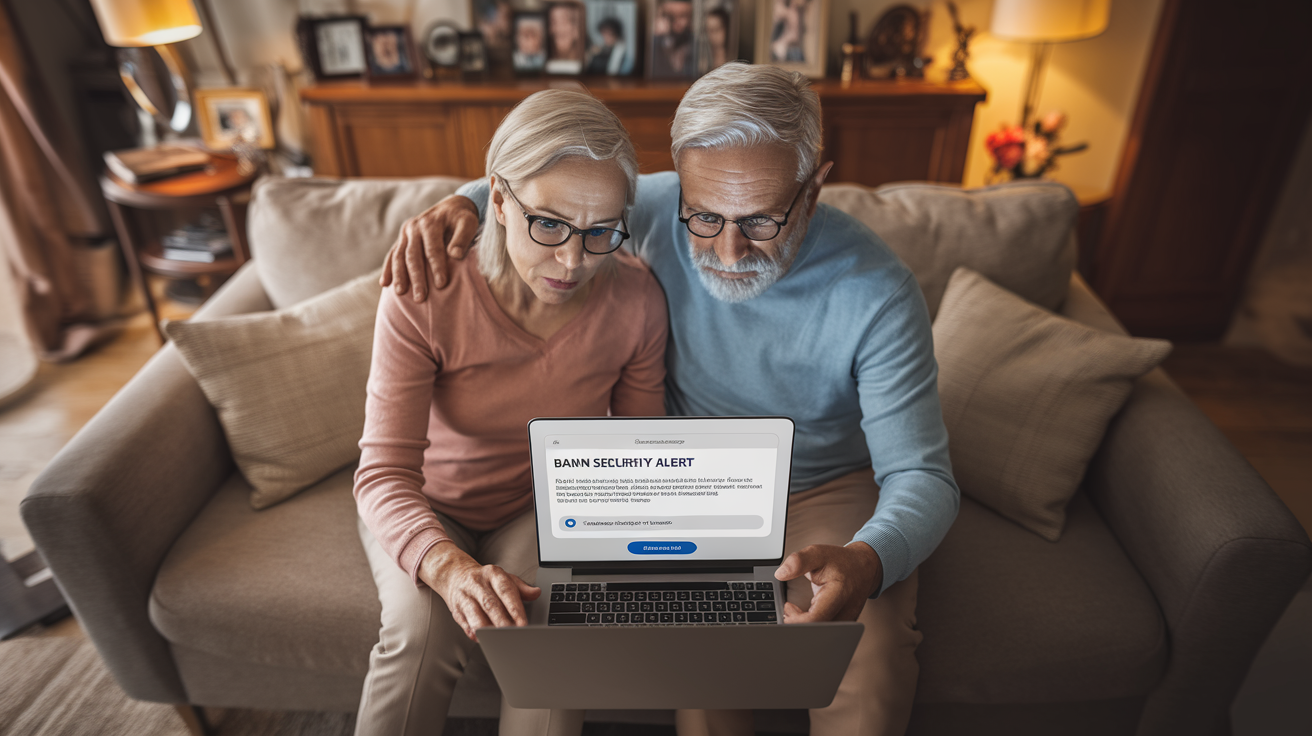
Remember when you could spot a scam email because it had broken English and bizarre formatting? Those days are gone. Large language models now generate flawless, personalized phishing messages. Scammers feed the AI information from data breaches — your name, your bank, your recent purchases — and out comes an email that looks exactly like a legitimate message from your bank, Medicare, or the IRS.
I often tell my clients: if a message creates urgency or fear, that’s your first red flag. Legitimate institutions don’t threaten you via text message.
The Five Most Dangerous Scams Targeting Older Adults Right Now
Based on current FBI, FTC, and CISA threat intelligence, here are the scam categories doing the most damage to Americans over 50:
- Tech support fraud: A pop-up or phone call warns that your computer is infected. The “technician” asks for remote access, then installs malware or steals banking credentials. Losses from tech support fraud against seniors exceeded $900 million in 2024.
- Romance and companionship scams: Fraudsters build emotional relationships over weeks or months on dating apps or social media, then request money for emergencies. AI chatbots now automate early-stage conversations, allowing criminals to run dozens of relationships simultaneously.
- Government impersonation: Callers claim to be from the IRS, Social Security Administration, or Medicare. They threaten arrest, benefits suspension, or legal action unless payment is made immediately — often via gift cards or cryptocurrency.
- Investment and cryptocurrency fraud: Victims are lured into fake investment platforms with fabricated returns. The FBI calls this “pig butchering” — scammers fatten the victim’s confidence before draining their accounts. Seniors lost over $1.2 billion to investment fraud in 2024 alone.
- AI voice-clone emergency scams: The updated grandparent scam described above, now enhanced with cloned voices and spoofed caller ID numbers that appear to come from a known contact.
Why Older Adults Are Targeted — And Why It’s Not About Intelligence
I want to be direct about something because I think the conversation around elder fraud too often carries a patronizing tone. Being scammed is not a sign of cognitive decline or gullibility. In my research at the intersection of cybersecurity and aging populations, the data shows that older adults are targeted for structural reasons:
- Accumulated wealth: Americans over 60 hold approximately 53% of all U.S. household wealth. They have retirement accounts, home equity, and savings — exactly what criminals are after.
- Generational trust patterns: Research from the Stanford Center on Longevity suggests that adults raised in higher-trust social environments are more susceptible to social engineering, not because they’re naive, but because their default is to assume good faith.
- Digital adoption without digital defense: The percentage of adults over 65 using smartphones has surged past 76%, according to AARP’s 2025 technology survey. But adoption of security tools like password managers and multi-factor authentication lags significantly behind.
- Social isolation: Scammers deliberately target people who live alone or have limited daily social contact. Loneliness makes romance scams and companionship fraud particularly effective.
Understanding these factors isn’t about assigning blame — it’s about building better defenses. And those defenses are more accessible than most people realize.
Practical Defenses That Actually Work
Create a Family Code Word
This is the single most effective countermeasure against AI voice-clone scams, and I recommend it to every family I speak with. Choose a word or phrase that only your immediate family knows — something that wouldn’t appear in any online post or social media conversation. If anyone calls claiming to be a family member in distress, ask for the code word. No code word, no money, no exceptions.
Margaret’s family adopted this system the week after her near-miss. Her code word? “Blueberry pancakes.” Simple, memorable, and it would have stopped the scam cold.
Enable Multi-Factor Authentication on Everything
Multi-factor authentication (MFA) means that even if a scammer steals your password, they can’t access your account without a second verification step — usually a code sent to your phone or generated by an app. Enable MFA on your email, banking apps, and social media accounts.
If you only do one technical thing after reading this article, make it this. According to Microsoft’s security data, MFA blocks 99.9% of automated account attacks.
Freeze Your Credit
A credit freeze prevents anyone from opening new accounts in your name. It’s free, it takes about ten minutes, and you can temporarily lift it whenever you need to apply for credit. Contact all three bureaus: Equifax, Experian, and TransUnion. In my professional opinion, every American over 50 should have their credit frozen by default.
Verify Before You Trust
If you receive a call, email, or text asking for money or personal information — even if it appears to come from someone you know — hang up and contact that person or organization directly using a number you already have. Never use a phone number or link provided in the suspicious message itself.
This applies to every scenario: your bank, the IRS, Medicare, your grandchild, your doctor’s office. Legitimate organizations will never penalize you for taking time to verify.
Keep Devices and Software Updated
Software updates aren’t just about new features — they patch security vulnerabilities that criminals actively exploit. Set your smartphone, computer, and smart home devices to update automatically. An unpatched device is an open door.

What to Do If You’ve Been Scammed — Or Think You Almost Were
Speed matters. If you’ve sent money or shared personal information with someone you now suspect is a scammer, take these actions immediately:
- Contact your bank or credit card company. Many institutions can freeze or reverse transactions if you act within hours. Call the number on the back of your card — not any number the scammer provided.
- File a report with the FBI’s IC3 at ic3.gov. This feeds into federal investigations and helps law enforcement track criminal networks.
- Report to the FTC at consumer.ftc.gov. Your report contributes to national fraud databases that protect others.
- Alert your family. If scammers have your personal information, they may target other family members next. Sharing what happened can protect everyone.
- Don’t blame yourself. Professional criminals with AI tools are running these operations. Reporting helps stop them — silence only helps the scammers.
I want to emphasize that last point. In my years of working with fraud victims, the emotional damage often exceeds the financial loss. Shame keeps people from reporting, which keeps the cycle going. If someone you know has been targeted, lead with compassion, not judgment.
The Bigger Picture: Technology as Protector, Not Just Threat
It would be easy to read an article about elder fraud and conclude that technology is the enemy. I don’t believe that for a second. The same technology that enables these scams also powers the tools that keep older adults safe, connected, and independent.
Smart home devices can detect falls and call for help. Telehealth platforms eliminate dangerous winter drives to the doctor. Video calling lets grandparents read bedtime stories to grandchildren across the country. Research published in JAMA Network Open in 2024 found that older adults who regularly used smartphones showed measurably better cognitive health outcomes — a finding consistent with broader evidence that healthy aging habits after 50 include staying mentally engaged with the world.
The goal isn’t to retreat from technology. The goal is to use it with the same street smarts you’d apply walking through an unfamiliar neighborhood at night: stay aware, trust your instincts, and know where to go for help.
Building a Support System Against Scams
One pattern I’ve observed consistently across my research is that elder fraud thrives in isolation and dies in community. Seniors who regularly discuss technology with family, friends, or community groups are dramatically less likely to fall for scams.
- Talk openly about scams at family gatherings. Make it normal, not scary. Share the latest tactics you’ve heard about the way you’d share news about weather or traffic.
- Attend library or community center tech workshops. Many public libraries now offer free digital literacy classes specifically for older adults. These aren’t just about learning to use apps — they teach scam recognition.
- Designate a “tech buddy.” This is a trusted person — a family member, friend, or neighbor — you can call before making any financial decision prompted by an unsolicited contact. Think of it as a second opinion for your digital life.
For those who are planning to age in place, building this kind of support network is just as important as installing grab bars or improving lighting. Digital safety is a critical component of independent living in 2026.
Looking Ahead: What I Expect in the Next 12 Months
Based on the threat landscape I’m tracking, here’s what concerns me most for the year ahead. AI-generated scam content will become nearly impossible to distinguish from legitimate communication without technical verification tools. We’ll see more scams targeting Medicare and Social Security accounts as scammers exploit confusion around annual enrollment changes. And cryptocurrency-related fraud targeting older adults will continue to surge as digital payment systems become more mainstream.
But I’m also cautiously optimistic. Banks are rolling out AI-powered fraud detection that flags suspicious transactions in real time. Phone carriers are implementing verified caller ID protocols that make spoofing harder. And the bipartisan push for stronger elder fraud legislation at the federal level has real momentum heading into 2026.
The most powerful defense, though, isn’t a technology or a law. It’s awareness. It’s Margaret hanging up the phone because something felt wrong. It’s you reading this article and sharing it with someone you love.
In cybersecurity, we have a saying: the best firewall is an informed user. That’s never been more true than it is right now — and it applies to every single one of us, regardless of age.
Frequently Asked Questions
How can I tell if a phone call is using an AI-cloned voice?
AI-cloned voices have become extremely realistic, making them nearly impossible to detect by ear alone. Your best defense is to establish a family code word that only your inner circle knows. If a caller claiming to be a loved one can't provide the code word, hang up and call that person directly using a number you already have saved.
What should I do immediately if I sent money to a scammer?
Contact your bank or credit card company right away — within hours if possible — as many institutions can freeze or reverse transactions quickly. Then file a report with the FBI's Internet Crime Complaint Center (IC3) at ic3.gov and with the FTC at consumer.ftc.gov. Acting fast significantly increases your chances of recovering funds.
Is it safe for seniors to use smartphones and smart home devices?
Yes, and research shows that regular technology use can actually benefit cognitive health in older adults. The key is using devices with security measures in place — enable automatic software updates, use multi-factor authentication, and never click links in unsolicited messages. Technology itself is a powerful tool for safety and independence when used with awareness.
What is the most common scam targeting older adults in 2025?
Tech support fraud is currently the single costliest scam category targeting seniors, with losses exceeding $900 million in 2024. These scams typically start with a pop-up warning or phone call claiming your computer is infected, then escalate to requests for remote access or payment. Legitimate tech companies will never contact you unsolicited to fix a problem.
How does freezing my credit protect me from elder fraud?
A credit freeze prevents anyone — including scammers who may have stolen your personal information — from opening new financial accounts in your name. It's completely free, takes about ten minutes to set up with each of the three major credit bureaus (Equifax, Experian, and TransUnion), and you can temporarily lift it anytime you need to apply for legitimate credit.
About Dr. Priya Sharma, PhD in Computer Science, CISSP
Dr. Priya Sharma is a cybersecurity expert with a PhD in Computer Science and a Certified Information Systems Security Professional (CISSP) credential. She has spent 14 years researching digital privacy, online fraud, and data protection — with a particular focus on the risks facing older internet users. At Daily Trends Now, Dr. Sharma writes about online scams, password security, smartphone privacy, and the practical steps readers can take to stay safe in an increasingly connected world.