

Key Takeaways
- Older adults lost over $4.8 billion to online scams in 2024, a 43% increase from the previous year, according to FBI data.
- The belief that only "gullible" people get scammed is dangerously wrong — today's fraud schemes fool even tech-savvy professionals.
- Caller ID, antivirus software, and email spam filters are helpful tools but not the bulletproof shields most people assume they are.
- The single most powerful defense against online scams targeting older adults is slowing down and independently verifying every urgent request.
The Billion-Dollar Problem Hiding Behind Dangerous Assumptions
Here’s a number that should stop you cold: Americans over 60 lost more than $4.8 billion to fraud in 2024. That figure comes directly from the FBI’s Internet Crime Complaint Center, and it represents a staggering 43% jump from the year before. Behind every dollar is a real person — someone’s parent, grandparent, neighbor, or friend — who trusted the wrong voice, clicked the wrong link, or believed a lie that sounded perfectly reasonable.
In my 12 years covering consumer technology, I’ve interviewed hundreds of scam victims. What strikes me every single time is how intelligent, capable, and careful these people are. They aren’t careless. They were simply operating under assumptions about online safety that turned out to be flat wrong.
That’s what this article is about. I’m going to walk through seven myths about online scams targeting older adults — beliefs that are either outdated or were never true to begin with — and replace each one with the reality that can actually keep you safe. If you’ve ever thought “that would never happen to me,” I’d especially encourage you to keep reading.
Myth #1: “I’m Too Smart to Fall for a Scam”
Why This Belief Is the Most Dangerous One of All
This is the myth I encounter more than any other, and it’s the one that does the most damage. The assumption that scams only work on people who are naive or technologically illiterate creates a false sense of security — and scammers exploit that confidence ruthlessly.
Modern fraud operations are not run by lone amateurs sending poorly spelled emails from a basement. Today’s scam networks are sophisticated criminal enterprises, often operating out of overseas compounds, using AI-generated voices, deepfake video, and psychologically tested scripts. The FTC has documented cases where retired engineers, former bankers, and even cybersecurity consultants have been victimized.
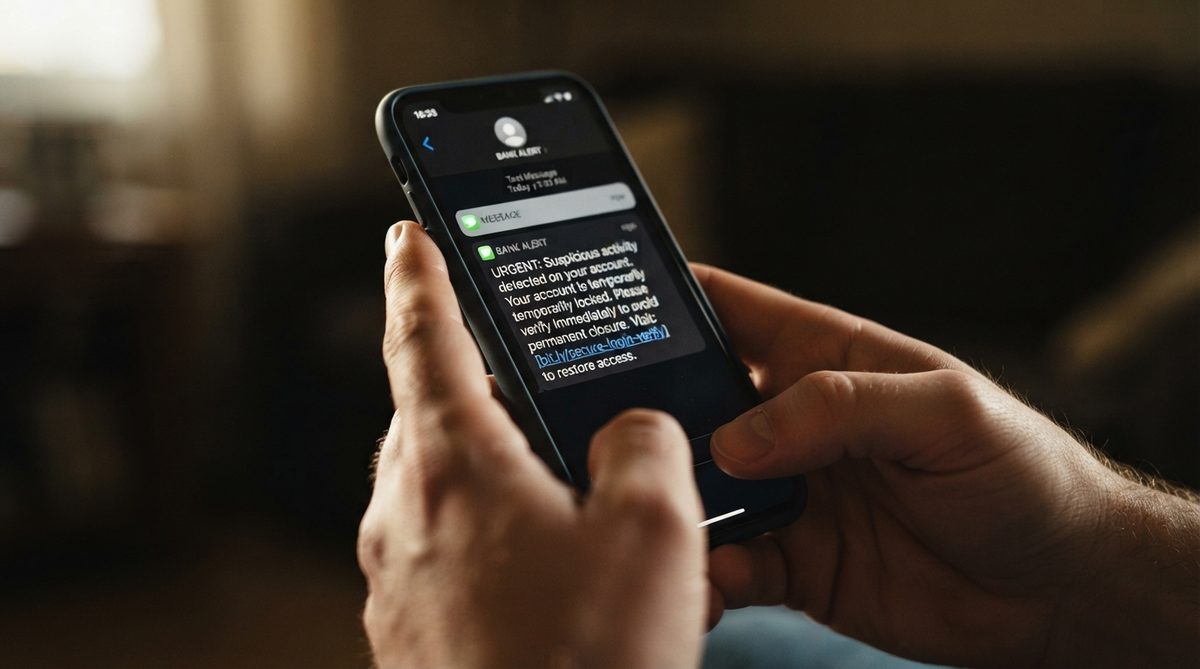
The truth? Scammers don’t target stupidity. They target emotions — fear, urgency, isolation, and trust. A phone call claiming your grandchild is in jail. A text from what appears to be your bank’s fraud department. An email that looks exactly like it came from Medicare. These attacks are designed to bypass your rational thinking by triggering a stress response that makes anyone, regardless of intelligence, act before they think.
What I tell my readers is simple: confidence is not a security tool. Vigilance is.
Myth #2: “If Caller ID Shows a Legitimate Number, the Call Is Real”
Caller ID Spoofing Is Shockingly Easy
I still meet people who trust caller ID implicitly. They see their bank’s name, their doctor’s office, or even “Social Security Administration” on the screen and assume the call is authentic. This belief made sense 20 years ago. It’s dangerously outdated now.
Caller ID spoofing — the practice of making any phone number or name appear on your screen — is trivially easy for criminals. Software that enables it costs nearly nothing and is widely available. Scammers routinely spoof local area codes, government agency numbers, and even the phone numbers of family members.
The Cybersecurity and Infrastructure Security Agency (CISA) has repeatedly warned that caller ID should never be used as your sole method of verifying a caller’s identity. If someone calls claiming to be from your bank, hang up and call the number printed on the back of your debit card. If someone says they’re from the IRS or Social Security, hang up and call the official number you find on the agency’s actual website.
This one habit — hanging up and calling back independently — would prevent billions of dollars in fraud losses every year.
Myth #3: “My Antivirus Software Protects Me from Everything”
Software Is a Seatbelt, Not a Force Field
Antivirus software is important. I recommend it. But treating it as an impenetrable shield is like assuming your car’s seatbelt means you can drive blindfolded. Modern scams frequently don’t involve malware at all — they involve social engineering, which means manipulating you, not your computer.
Consider romance scams, which the FBI says cost older adults over $400 million in 2024 alone. No antivirus program can detect a charming person on a dating site who spends three months building your trust before asking for money. No firewall blocks a phone call from someone pretending to be a tech support agent who convinces you to buy gift cards.
According to Consumer Reports, even the best security suites catch only about 97-99% of known threats — and that gap matters when millions of new phishing URLs are created every month. Your software can’t protect you from threats it hasn’t seen yet, and it absolutely cannot protect you from voluntarily sending money to a scammer who has earned your trust.
Use antivirus software. Keep it updated. But understand that the most critical security system you own is your own judgment.
Myth #4: “Scammers Only Target People Through Email”
The Channels Have Multiplied Dramatically
Email phishing is still a massive problem, but if you’re only watching your inbox, you’re guarding one door while leaving six others wide open. Online scams targeting older adults now arrive through an expanding list of channels:
- Text messages (smishing): Fake package delivery alerts, bogus bank notifications, and fraudulent toll-payment demands are flooding phones across America.
- Social media: Fraudulent ads on Facebook, Instagram, and YouTube promote fake investment opportunities, counterfeit products, and phishing links.
- Phone calls (vishing): AI-generated voice cloning now allows scammers to mimic a loved one’s voice with just a few seconds of audio scraped from social media.
- Search engine ads: Scammers purchase Google ads that appear above legitimate results, directing victims to fake customer service numbers or copycat websites.
- Messaging apps: WhatsApp, Facebook Messenger, and even iMessage are increasingly used for “wrong number” scams that evolve into romance or investment fraud.
The FBI’s 2024 report specifically highlighted cryptocurrency investment scams — often initiated through social media or messaging apps — as the fastest-growing category affecting adults over 60. These “pig butchering” schemes involve weeks or months of relationship-building before the victim is guided to a fake investment platform.
If you’d like a comprehensive breakdown of these tactics, our deep-dive defense guide on online scams targeting older adults covers each channel in detail.
Myth #5: “If a Website Looks Professional, It’s Legitimate”
Scam Sites Now Look Identical to the Real Thing
There was a time when fraudulent websites were easy to spot — broken English, pixelated logos, obviously fake URLs. That era is over. In my testing for product reviews over the past two years, I’ve encountered counterfeit retail sites that are pixel-perfect copies of well-known brands, complete with working shopping carts, customer service chat windows, and SSL certificates (the little padlock icon in your browser).
Yes, that padlock. Another myth-within-a-myth. Many people believe the padlock icon means a website is safe. It doesn’t. It means the connection between your browser and the website is encrypted — but a scammer’s website can have encryption too. According to the Anti-Phishing Working Group, over 80% of phishing sites now use SSL certificates. The padlock tells you nothing about who owns the site.
Before entering any personal information or payment details on a website, verify the URL character by character. Scammers use tricks like “arnazon.com” (with an “r” and “n” instead of “m”), “bankofamerica-secure-login.com,” or other subtle misspellings. When in doubt, navigate to the company’s site by typing the URL yourself rather than clicking a link in an email or text.

Myth #6: “The Government or My Bank Will Warn Me Before Something Bad Happens”
Scammers Exploit This Trust Masterfully
This myth is particularly heartbreaking because it’s rooted in a reasonable expectation. You should be able to trust institutions. But scammers have turned that trust into a weapon.
One of the most devastating scam categories in 2024 was what the FBI calls “government impersonation fraud.” Criminals call, email, or text pretending to be from Social Security, the IRS, Medicare, or law enforcement. They tell you there’s a warrant for your arrest, your Social Security number has been “compromised,” or your Medicare benefits are about to be canceled. Then they demand immediate payment — usually via gift cards, wire transfer, or cryptocurrency — to “resolve” the issue.
Here’s the truth every American needs to memorize: No legitimate government agency will ever call you demanding immediate payment. No real bank will ask you to buy gift cards. No law enforcement officer will threaten you with arrest over the phone and then offer to “fix it” if you send money.
These scams are particularly effective against older adults because they often intersect with real financial anxieties. If you’re already concerned about your retirement savings — and if you’ve read about how inflation is depleting retirement savings — a call about a “frozen” Social Security account can feel terrifyingly plausible. Scammers know this and time their attacks to exploit current news and anxieties.
Myth #7: “If I Get Scammed, There’s Nothing I Can Do”
Acting Fast Can Make a Real Difference
Shame and hopelessness keep far too many scam victims silent. The FBI estimates that a significant percentage of fraud against older adults goes unreported because victims feel embarrassed or believe nothing can be done. This is itself a myth — and a costly one.
If you act quickly, recovery is sometimes possible. Here’s what matters:
- Contact your bank or credit card company immediately. Many financial institutions can freeze or reverse transactions if reported within 24-48 hours.
- Report the scam to the FBI’s IC3 at ic3.gov. This data helps law enforcement track patterns and shut down operations.
- File a complaint with the FTC at reportfraud.ftc.gov. The FTC uses these reports to build cases against scam networks.
- Alert Adult Protective Services if you or a loved one has been targeted. They can provide support and connect you with recovery resources.
- Freeze your credit with all three bureaus (Equifax, Experian, TransUnion) if personal information was compromised. This is free and prevents new accounts from being opened in your name.
One critical warning: beware of “recovery scams.” As highlighted in recent reporting, criminals specifically target previous scam victims by posing as lawyers, government agents, or fraud recovery specialists who promise to get your money back — for a fee. This is always a second scam. No legitimate recovery service demands upfront payment, and neither does law enforcement.
There are also broader financial protections worth knowing about. If a scam has affected your long-term financial planning, understanding your options around retirement savings depletion can help you stabilize your situation with professional guidance.
The One Truth That Defeats Every Scam
After covering online scams targeting older adults for over a decade, I’ve distilled everything I know into one principle: slow down.
Every scam I’ve ever investigated relied on urgency. “Act now or lose your account.” “Send money immediately or your grandchild goes to jail.” “This deal expires in 10 minutes.” Urgency is the universal tool of fraud because it prevents you from doing the one thing that would save you — pausing to verify.
When you feel pressure to act immediately, that pressure itself is the red flag. Legitimate organizations give you time. Real emergencies can be verified with a phone call to a number you look up yourself. Authentic opportunities don’t evaporate if you take 15 minutes to think.
I’ve seen readers catch sophisticated scams simply by telling the caller, “Let me call you back.” That single sentence — and the willingness to follow through by dialing the real number — has saved people’s life savings.
Technology is a remarkable tool for staying connected, informed, and independent. But using it confidently means understanding where the real risks are — not where you assume they are. If you’ve also been curious about separating fact from fiction in tech safety, our guide on 7 tech safety myths seniors still believe goes even deeper into the assumptions that put people at risk.
Stay skeptical. Stay curious. And above all, stay in control of your own decisions.
Frequently Asked Questions
What are the most common online scams targeting older adults in 2025?
According to the FBI's most recent data, the top scams affecting adults over 60 include tech support fraud, government impersonation scams, romance scams, cryptocurrency investment schemes ("pig butchering"), and phishing attacks via email and text. Tech support and government impersonation scams are the most frequently reported, while cryptocurrency fraud accounts for the highest dollar losses.
How can I tell if a phone call from my bank or the government is real?
You cannot rely on caller ID alone, as scammers can easily spoof any number or name on your screen. The safest approach is to hang up without providing any information, then independently look up the official phone number for the organization (on your bank card, a billing statement, or the agency's official website) and call that number directly to verify the claim.
Should I feel embarrassed if I fell for an online scam?
Absolutely not. Modern scams are engineered by sophisticated criminal networks using advanced psychological techniques, AI-generated voices, and professional-looking websites. The FBI reports that victims include professionals from every background, including people in technology and finance. Reporting the scam quickly to your bank, the FBI's IC3 (ic3.gov), and the FTC (reportfraud.ftc.gov) gives you the best chance of recovering funds and helping prevent others from being victimized.
Is antivirus software enough to protect me from online scams?
Antivirus software is an important layer of protection, but it cannot stop social engineering scams that manipulate you rather than your device. Romance scams, phone-based impersonation fraud, and fake investment schemes bypass antivirus entirely because they rely on human trust rather than malware. Think of antivirus as one tool in a larger toolkit that also includes verifying identities independently, never acting under pressure, and staying informed about current scam tactics.
About Alex Rivera, 12+ Years in Consumer Tech Reporting
Alex Rivera is a senior technology journalist with over 12 years of experience making technology accessible to everyday readers. He has covered consumer electronics, smartphones, smart home devices, streaming platforms, and digital privacy for major publications. At Daily Trends Now, Alex focuses on the tech that matters most to American adults — from choosing the right phone plan to protecting your data online. His reviews and guides cut through the jargon to help readers make confident technology decisions.