
Key Takeaways
- A landmark 2025 study found that nearly 30% of older adults showed measurable improvement in physical or cognitive function over a multi-year period, challenging the myth that aging equals inevitable decline.
- Healthy aging depends on six interconnected pillars—movement, nutrition, social connection, cognitive engagement, sleep, and preventive medical care—not just genetics.
- Vitamin B12 deficiency affects up to 43% of older adults and may silently accelerate cognitive and physical decline, making screening essential after age 50.
- Small, consistent lifestyle changes started at any age can produce significant improvements in mobility, mood, and independence within as few as 8 to 12 weeks.
The Patient Who Rewrote Her Own Story
When Margaret walked into my clinic three years ago, she handed me a list of everything she could no longer do. At 74, she had stopped gardening because her knees ached. She had quit her weekly bridge group because she “couldn’t think straight anymore.” She had even stopped cooking full meals, surviving mostly on toast and canned soup because standing at the stove exhausted her.
“I guess this is just what getting old looks like,” she told me, her voice flat with resignation.
I hear some version of that sentence almost every week. In my 18 years as a board-certified geriatric physical therapy specialist, the single biggest obstacle I treat isn’t arthritis, or osteoporosis, or even post-surgical recovery. It’s the deeply held belief that aging means an irreversible slide downhill—and that nothing can be done about it.
Margaret’s story didn’t end with that list. Twelve weeks later, she was back in her garden. Six months later, she was hosting bridge nights again and had gained enough confidence to sign up for a beginner tai chi class. Her transformation wasn’t miraculous. It was methodical, evidence-based, and—here’s the part that matters most—entirely replicable.
New research is now proving on a population level what I’ve witnessed one patient at a time: aging doesn’t mean decline for most older adults. Healthy aging is not only possible, it may be far more common than we’ve been led to believe.
The Study That Changes Everything About Healthy Aging
A sweeping longitudinal study published in early 2025 tracked thousands of adults aged 55 and older across multiple years, measuring physical function, cognitive performance, and psychological well-being. The finding that made headlines: nearly 30% of participants actually improved in at least one major health domain over the study period, and the majority maintained stable function rather than declining.
That number stunned even some researchers. For decades, the dominant framework in gerontology focused on loss—loss of muscle mass, bone density, cognitive speed, independence. This new data doesn’t ignore those realities, but it reframes them. Decline is not the default trajectory. It’s one possible outcome, and often a preventable one.
The National Institute on Aging has increasingly emphasized that biological aging varies enormously between individuals, and that lifestyle factors exert more influence than most people assume. Two 70-year-olds can differ by 20 years in functional age depending on how they eat, move, sleep, and stay connected.
What I see most often is that the adults who improve share a common thread: they refuse to accept a passive role in their own health. They ask questions, they try things, and they stay engaged with the world around them.
Six Pillars of Healthy Aging—and What Actually Works
Experts across geriatrics, cardiology, neurology, and nutrition have converged on a framework I find genuinely useful in clinical practice. Healthy aging rests on six interconnected pillars. Neglect one, and the others wobble. Strengthen several simultaneously, and the effects compound. For a deeper dive into this framework, see this breakdown of the 6 pillars of a healthier age-defying lifestyle for 2026.
Pillar 1: Intentional Movement
I don’t say “exercise” with most of my patients anymore. That word conjures images of gym memberships and sweat-soaked T-shirts that feel foreign to someone dealing with joint pain or balance issues. Instead, I talk about intentional movement—structured physical activity designed for your body, your goals, and your current capacity.
The CDC recommends that adults 65 and older get at least 150 minutes per week of moderate-intensity aerobic activity, plus muscle-strengthening activities on two or more days per week. Yet according to 2023 CDC data, only about 28% of adults over 75 meet both guidelines.
Here’s the encouraging part: the biggest health gains come from moving from nothing to something. A 2024 meta-analysis in the British Journal of Sports Medicine found that even 15 minutes of daily walking reduced all-cause mortality risk by 22% in adults over 60. You don’t have to train for a marathon. You have to get off the couch consistently.
Pillar 2: Nutrition That Fuels Recovery
Margaret’s toast-and-soup diet is more common than you’d think. Age-related appetite loss, dental issues, medication side effects, and the simple loneliness of eating alone all conspire to reduce both the quantity and quality of food older adults consume. The result is often sarcopenia (muscle wasting), weakened immunity, and accelerated cognitive decline.
The Mediterranean diet remains the gold standard for healthy aging, backed by robust evidence linking it to reduced rates of heart disease, dementia, and even depression in older populations. I often tell my patients to think in colors: the more colors on your plate, the more diverse your nutrient intake.

Pillar 3: Social Connection
Loneliness isn’t just sad—it’s physiologically dangerous. The U.S. Surgeon General’s 2023 advisory on loneliness equated the mortality risk of chronic social isolation to smoking 15 cigarettes a day. Among adults over 65, approximately 25% experience social isolation, according to the National Academies of Sciences.
Margaret’s decision to quit bridge wasn’t really about her cognition. It was about shame. She was embarrassed by occasional memory lapses and withdrew preemptively. When we addressed her nutrition and started gentle cognitive exercises, her confidence returned—and so did her social life.
Pillar 4: Cognitive Engagement
The brain responds to challenge the way muscles respond to resistance. Novel activities—learning a language, picking up a musical instrument, solving unfamiliar puzzles—create new neural pathways and strengthen existing ones. The key word is novel. Doing the same crossword puzzle format every day provides diminishing returns. Variety is the true cognitive workout.
Pillar 5: Restorative Sleep
Sleep architecture changes with age, but poor sleep is not an inevitable part of aging. Adults over 65 still need 7 to 8 hours per night, yet the Mayo Clinic notes that up to 50% of older adults report chronic sleep difficulties. Untreated sleep apnea, nocturia, chronic pain, and medication timing all contribute. I routinely ask every patient about their sleep, because poor sleep undermines everything else we’re working on—balance, cognition, mood, and healing.
Pillar 6: Preventive Medical Care
Annual wellness visits, age-appropriate screenings, medication reviews, and vaccinations form the backbone of preventive care. Yet many older adults skip these appointments, especially when out-of-pocket costs rise. Understanding what retirees actually take home after Medicare in 2026 can help with financial planning so that preventive care doesn’t get cut from the budget.
The Vitamin B12 Connection You Shouldn’t Ignore
One nutritional deficiency I screen for aggressively in my older patients is vitamin B12. New research published in 2025 has reinforced what geriatric specialists have suspected for years: B12 may hold one of the most underappreciated keys to healthy aging.
B12 is essential for nerve function, red blood cell production, and DNA synthesis. Deficiency can mimic dementia, cause peripheral neuropathy (numbness and tingling in the hands and feet), trigger fatigue, and even contribute to depression. Yet up to 43% of older adults have low or borderline B12 levels, largely because the stomach produces less intrinsic factor—the protein needed to absorb B12—as we age.
Here’s the clinical reality that concerns me: B12 deficiency is often misdiagnosed. I’ve seen patients referred to me for “age-related balance problems” whose unsteadiness resolved almost completely after B12 supplementation and physical therapy. If you’re over 50 and haven’t had your B12 levels checked, ask your doctor at your next visit.
| Intervention | Primary Benefit | Time to Noticeable Improvement | Approximate Monthly Cost | Evidence Strength |
|---|---|---|---|---|
| Daily walking (30 min) | Cardiovascular, mobility, mood | 4–6 weeks | $0 (free) | Very strong |
| Resistance training (2x/week) | Muscle preservation, bone density | 8–12 weeks | $0–$50 (bands/weights) | Very strong |
| Mediterranean diet adherence | Heart health, cognition, inflammation | 8–16 weeks | $50–$150 (additional grocery cost) | Very strong |
| Vitamin B12 supplementation | Nerve function, energy, cognition | 4–8 weeks (if deficient) | $5–$15 | Strong (if deficient) |
| Social activity (group/club) | Mental health, cognitive stimulation | 2–4 weeks (mood); ongoing | $0–$30 | Strong |
| Sleep hygiene optimization | Recovery, cognition, fall prevention | 2–4 weeks | $0–$40 (if new pillows/blackout curtains) | Strong |
| Cognitive training programs | Memory, processing speed | 6–12 weeks | $0–$15 (apps/free resources) | Moderate to strong |

A Step-by-Step Plan for Adults Over 50 Starting Today
When patients ask me, “Where do I even begin?”—and they ask constantly—I give them this sequence. It’s designed to build momentum without overwhelm. Each step takes roughly one to two weeks to establish before adding the next.
- Get your baseline numbers. Schedule a comprehensive wellness visit. Request bloodwork that includes B12, vitamin D, thyroid function, fasting glucose, and a complete metabolic panel. Know where you stand before you start making changes.
- Start a daily 10-minute walk. Not 30 minutes—10. The goal in week one is consistency, not intensity. Walk at a pace that lets you hold a conversation but makes you slightly warm. Add 5 minutes each week until you reach 30 minutes.
- Audit your protein intake. Most older adults under-eat protein, which accelerates muscle loss. Aim for 1.0 to 1.2 grams of protein per kilogram of body weight daily. For a 160-pound person, that’s roughly 73 to 87 grams per day. Greek yogurt, eggs, chicken, fish, and legumes are accessible, affordable sources.
- Add two sessions of resistance training per week. This doesn’t require a gym. Bodyweight squats, wall push-ups, seated leg raises, and resistance band exercises are effective and safe. If you have balance concerns, start seated or hold onto a sturdy counter.
- Reconnect socially—on purpose. Call one friend or family member you haven’t spoken to in a month. Join a community class, a walking group, or a faith-based gathering. Put it on the calendar like a medical appointment, because in terms of health impact, it is one.
- Establish a sleep routine. Go to bed and wake up at the same time every day—including weekends. Keep the bedroom cool (65–68°F), dark, and free of screens for at least 30 minutes before sleep. If you snore loudly or wake gasping, talk to your doctor about a sleep study.
- Review your medications. Polypharmacy (taking five or more medications) affects roughly 40% of adults over 65. Some drug interactions cause dizziness, fatigue, or cognitive fog that masquerade as “just getting old.” Ask your pharmacist for a comprehensive medication review at least once a year.
- Challenge your brain with something new. Download a language-learning app, take a free online course, or try a hobby you’ve never attempted. The discomfort of being a beginner is exactly the stimulus your brain needs.
When Technology Meets Healthy Aging
I’ve watched the role of technology in senior care evolve dramatically in the past decade. Smart home devices, wearable health monitors, and AI-powered fall detection systems are no longer futuristic—they’re practical tools that support independence. If you’re curious about integrating technology into your daily life, this smart home guide for adults over 50 is a solid starting point.
Research from 2025 shows that older adults who already maintain an active, engaged lifestyle are significantly more willing to adopt smart home innovations—and they benefit more from them. The takeaway isn’t that technology replaces healthy habits. It amplifies them.
Wearable fitness trackers, for example, have become one of my favorite clinical tools. When a patient can see their daily step count, resting heart rate, and sleep quality on a screen, the abstract concept of “getting healthier” becomes concrete and measurable. Data drives motivation in a way that good intentions alone cannot.
The Mindset Shift That Matters Most
Let me return to Margaret for a moment. The most important change she made wasn’t nutritional or physical. It was psychological. She stopped identifying as someone who was falling apart and started seeing herself as someone who was rebuilding.
This isn’t motivational fluff. Research in health psychology consistently shows that self-perception of aging directly influences health outcomes. A Yale study found that older adults with positive views of aging lived an average of 7.5 years longer than those with negative views—a larger effect than low blood pressure, low cholesterol, or maintaining a healthy weight.
I often tell my patients: your body is listening to the story you tell about it. If that story is “I’m too old to bother,” your biology will comply. If the story is “I’m going to find out what’s still possible,” your biology will surprise you.
Healthy Aging Is a Decision, Not a Diagnosis
The research is clear, the tools are available, and the evidence is overwhelming: healthy aging is achievable for most people over 50 who are willing to take an active role in their health. It doesn’t require perfection. It requires persistence.
Margaret is 77 now. She still comes to see me every few months for tune-ups on her exercise program. Last visit, she handed me a new list. This one was different from the first. It was titled “Things I Can Do Now That I Couldn’t Do Three Years Ago.” It had 14 items on it, including “carried my own groceries” and “babysat my great-granddaughter for a full afternoon.”
That list hangs on the wall in my office. Every new patient sees it. And almost every one of them says the same thing Margaret once said: “I guess I thought it was too late.”
It’s not. It’s rarely too late. And the science has never been more firmly on your side.
Frequently Asked Questions
At what age should I start focusing on healthy aging strategies?
The earlier the better, but meaningful improvements are possible at any age. Research shows adults in their 70s and 80s can still gain muscle, improve balance, and sharpen cognition with the right interventions. If you're over 50, consider it an ideal time to establish habits that protect your independence for decades.
How do I know if I'm deficient in vitamin B12?
Symptoms of B12 deficiency include fatigue, numbness or tingling in the hands and feet, difficulty with balance, memory problems, and mood changes. However, many people have low levels without obvious symptoms. A simple blood test ordered by your doctor can measure your B12 and methylmalonic acid levels, and the National Institute on Aging recommends screening for adults over 50.
Can physical therapy help with healthy aging even if I don't have an injury?
Absolutely. Preventive physical therapy—sometimes called wellness or maintenance PT—focuses on improving balance, strength, flexibility, and mobility before problems develop. In my practice, I work with many older adults who come in not because something is broken, but because they want to stay active, reduce fall risk, and maintain their independence long-term.
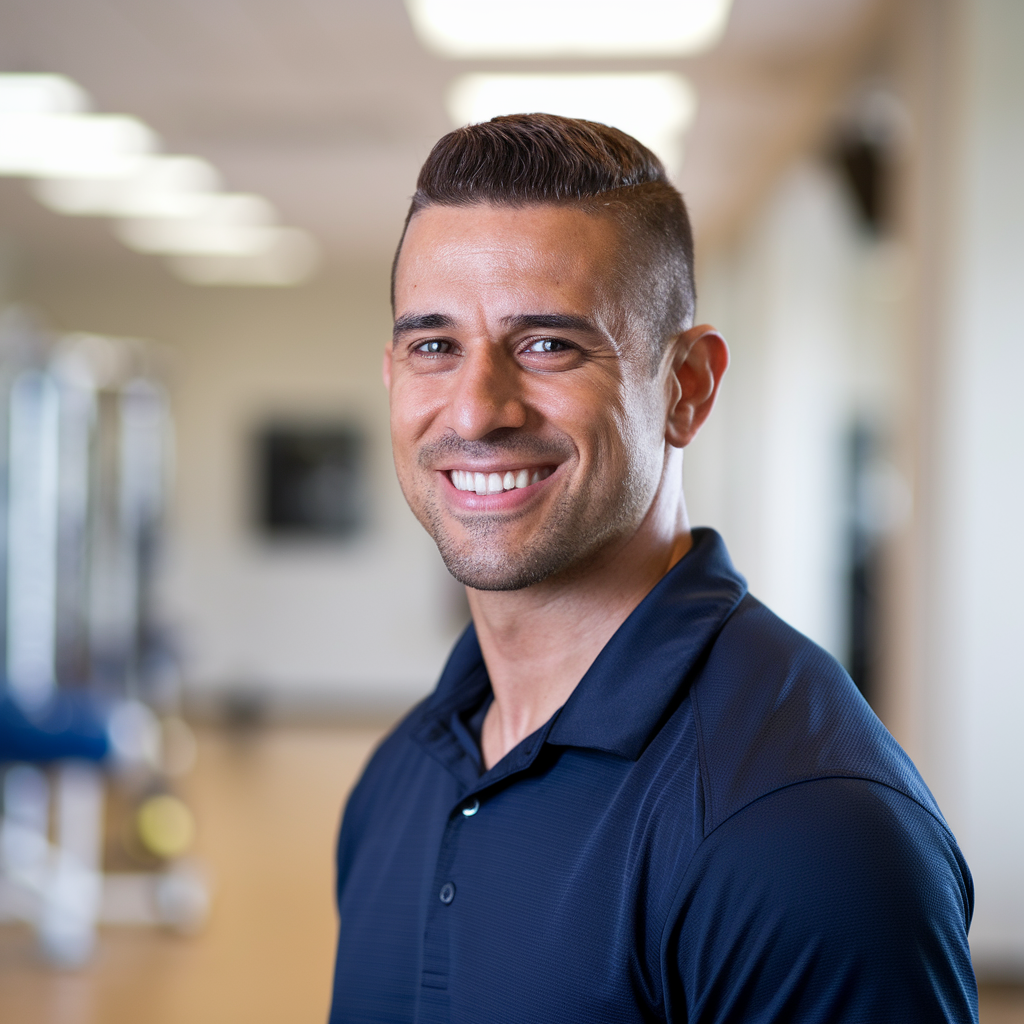
About Michael Torres, DPT, Board-Certified Geriatric Specialist
Michael Torres is a Doctor of Physical Therapy and board-certified geriatric clinical specialist with 18 years of experience working with older adults. He has treated thousands of seniors recovering from hip replacements, managing arthritis, rebuilding strength after hospitalizations, and preventing dangerous falls. At Daily Trends Now, Michael writes practical guides on exercises, mobility, pain management, and the physical strategies that help seniors stay strong and independent.