
Key Takeaways
- New research confirms many older adults actually improve in physical and cognitive function over time, challenging the "inevitable decline" narrative.
- Strength training remains safe and highly effective well into your 80s and 90s, contradicting the myth that seniors should avoid resistance exercise.
- Brain health can measurably improve after 50 through specific lifestyle interventions including arts engagement, social connection, and targeted nutrition.
- Short-term dietary changes have been shown to reverse biological age markers in older adults in as little as four weeks.
The Biggest Lie We Tell Older Adults
For decades, the dominant story about aging has gone something like this: after 50, everything goes downhill. Your muscles shrink. Your brain slows. Your bones crumble. Your best years are behind you, and the only question is how gracefully you manage the decline.
In my 18 years as a board-certified geriatric physical therapist, I’ve watched this narrative do real, measurable harm. Patients walk into my clinic already defeated — not by their bodies, but by the belief that deterioration is their destiny. They stop exercising because they think it’s “too late.” They skip cognitive challenges because they assume their brain is already fading. They accept pain, stiffness, and isolation as normal parts of getting older.
Here’s what the latest science actually says: aging does not automatically mean decline. A landmark 2025 study published in The Lancet Healthy Longevity tracked over 11,000 adults aged 55 and older and found that a significant proportion — nearly 30% — actually improved in key health metrics over a 12-year follow-up period. Not “maintained.” Improved.
Let me walk you through seven persistent aging myths I encounter constantly, and show you what the evidence really says. Some of these may genuinely surprise you.
Myth 1: Strength Training Is Dangerous After 60
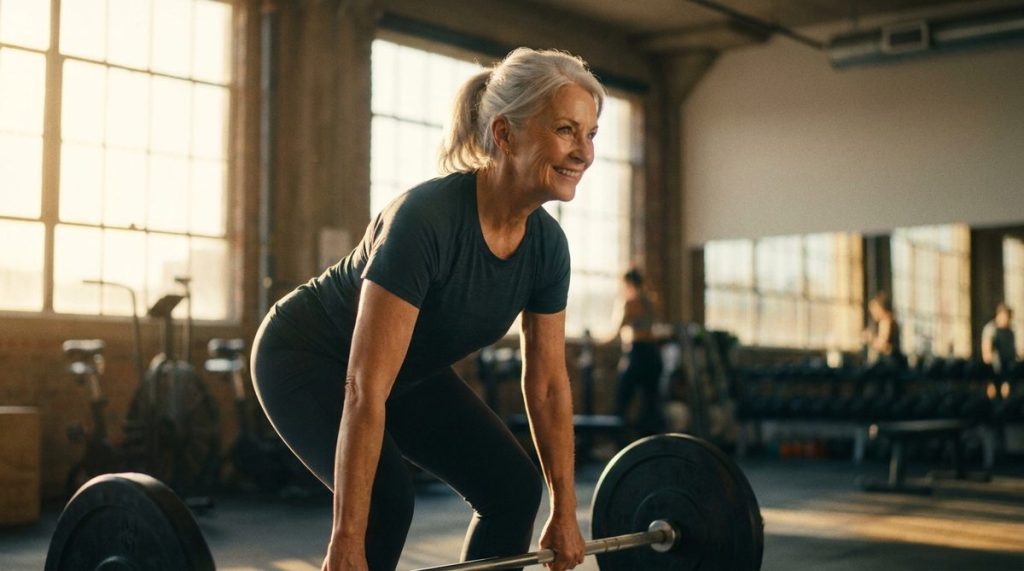
This is the myth I fight hardest against in clinical practice, and it’s the one that costs my patients the most. The fear that lifting weights will cause injuries, joint damage, or cardiac events in older adults is deeply ingrained — and deeply wrong.
The National Institute on Aging explicitly recommends resistance training for older adults at least two days per week. A 2024 meta-analysis in the British Journal of Sports Medicine reviewed 89 randomized controlled trials involving adults over 60 and concluded that progressive resistance training reduced fall risk by 34%, improved functional independence scores by 22%, and increased lean muscle mass even in participants over age 85.
What I See in the Clinic
I often tell my patients that the most dangerous thing they can do is nothing. Sarcopenia — the age-related loss of skeletal muscle — affects roughly 10-16% of adults over 60 and up to 50% of those over 80, according to the CDC. But sarcopenia is not inevitable. It’s largely a consequence of disuse, not aging itself.
A 2025 study on aged garlic extract (S-allyl cysteine) even demonstrated that specific nutritional compounds can support muscle protein synthesis in older adults when combined with resistance exercise. The takeaway isn’t that a supplement replaces training — it’s that your muscles retain their capacity to respond and grow at any age.
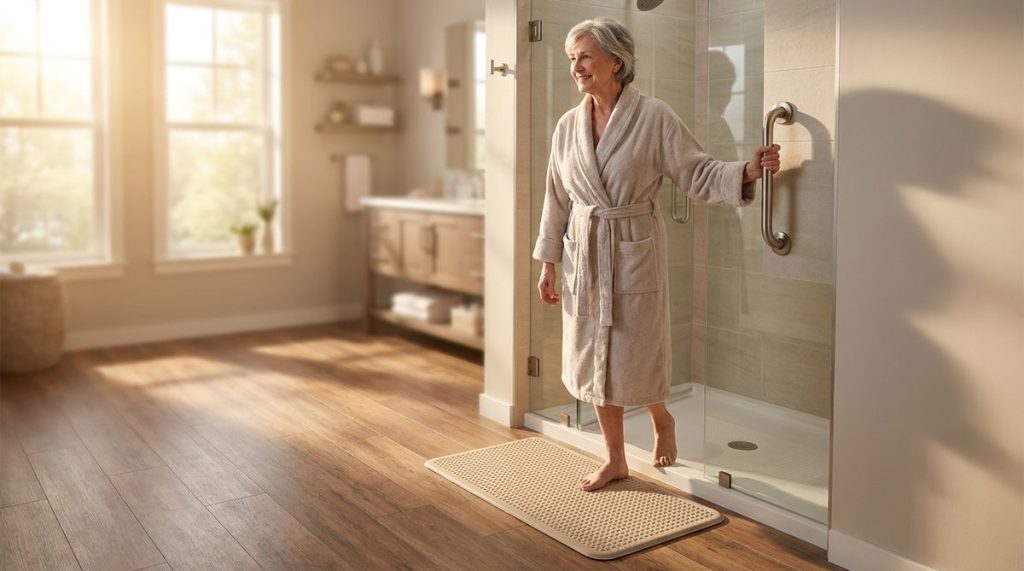
If you’re looking for a comprehensive approach to staying active and safe at home, I recommend reviewing these aging-in-place design features that cut fall risk by 60%, because your environment matters as much as your exercise program.
Myth 2: Cognitive Decline After 50 Is Irreversible
With more than 7 million Americans currently living with Alzheimer’s disease, fear about cognitive decline is understandable. But the myth that your brain can only deteriorate after midlife is flatly contradicted by neuroscience.
Neuroplasticity — the brain’s ability to form new neural connections — does not stop at any age. Research from the Mayo Clinic confirms that targeted cognitive activities, aerobic exercise, social engagement, and dietary changes can measurably improve memory, processing speed, and executive function in adults well into their 70s and 80s.
Three Evidence-Based Brain Boosters
Recent headlines have highlighted three particularly enjoyable ways to slow brain aging, and the science behind them is solid:
- Artistic and creative pursuits: A 2025 study published in JAMA Network Open found that adults over 65 who engaged in regular arts and cultural activities — painting, music, theater attendance, creative writing — showed a measurably slower pace of biological aging. Specifically, participants who engaged in arts activities at least twice weekly had telomere attrition rates 14% slower than non-participants over a five-year period.
- Learning a musical instrument: Even beginning an instrument after 60 has been shown to strengthen auditory processing, working memory, and fine motor coordination. A 2024 randomized trial at the University of Geneva demonstrated significant hippocampal volume preservation in older adults who took six months of piano lessons versus a control group.
- Social engagement through group activities: Loneliness accelerates cognitive decline at roughly the same rate as physical inactivity. Group-based activities — choir, book clubs, community gardening — provide the dual benefit of cognitive stimulation and social bonding, which the National Institute on Aging identifies as a key protective factor against dementia.

Myth 3: Your Diet Doesn’t Matter Much After a Certain Age
I hear this one at least once a week: “I’m 72 — what’s the point of changing how I eat now?” The point, according to a stunning 2025 study from the University of Southern California, is that researchers reversed markers of biological age in adults over 60 with a controlled dietary intervention lasting just four weeks.
The study used a fasting-mimicking diet (FMD) cycle — five days of reduced calorie, plant-heavy eating per month for four consecutive months — and measured biological age using DNA methylation clocks. Participants showed an average biological age reduction of 2.5 years. Their insulin sensitivity improved, inflammatory markers dropped, and immune cell regeneration increased.
What Actually Works Nutritionally
You don’t need to adopt an extreme protocol to benefit. The Mediterranean and MIND diets have the strongest long-term evidence for healthy aging after 50. Both emphasize:
- Leafy greens and berries (at least 6 servings of greens and 2 servings of berries per week)
- Fatty fish rich in omega-3s (2-3 servings per week)
- Nuts, seeds, and olive oil as primary fat sources
- Whole grains over refined carbohydrates
- Minimal processed foods, added sugars, and red meat
For a deeper look at what the research says about nutrition and longevity, the 6 pillars of healthy aging after 50 article provides an excellent dietitian’s perspective that complements what I see from the physical therapy side.
Myth 4: Pain Is Just a Normal Part of Aging
This one makes me frustrated every single time. Chronic pain is common in older adults — the CDC estimates that approximately 30% of adults over 65 report chronic pain — but common does not mean normal or acceptable.
What I see most often is patients who’ve been told by well-meaning family members or even some healthcare providers to “just live with it.” They stop moving to avoid pain, which triggers a vicious cycle: less movement leads to more stiffness, weaker muscles, greater joint instability, and ultimately more pain.
The Real Story About Joint Pain
Osteoarthritis affects over 32.5 million American adults, and its prevalence does increase with age. But the severity of arthritis on an X-ray correlates poorly with actual pain levels. Some patients with bone-on-bone imaging findings have minimal symptoms because they’ve maintained strong supporting musculature and joint mobility. Others with mild radiographic findings are debilitated because deconditioning has left their joints unsupported.
Physical therapy, appropriate exercise, weight management, and evidence-based pain management strategies can dramatically reduce chronic pain in older adults. In my practice, I routinely see patients in their 70s reduce pain scores by 40-60% within 8-12 weeks of a structured program — no surgery required.
Myth 5: It’s Too Late to Start Exercising If You’ve Been Sedentary
This is closely related to the strength training myth but deserves its own spotlight because it keeps millions of older Americans on the couch. The belief that exercise only “counts” if you’ve been doing it your whole life is categorically false.
A pivotal 2024 study in the Journal of the American Geriatrics Society followed 1,500 previously sedentary adults aged 65-79 who began a moderate exercise program. Within six months, participants showed:
| Health Metric | Baseline (Pre-Exercise) | After 6 Months | % Improvement |
|---|---|---|---|
| Resting blood pressure (systolic) | 142 mmHg avg. | 131 mmHg avg. | 7.7% |
| 6-minute walk distance | 348 meters | 421 meters | 21% |
| Grip strength | 24.1 kg | 28.3 kg | 17.4% |
| Self-reported pain (0-10 scale) | 5.8 | 3.4 | 41.4% |
| Depression screening score (PHQ-9) | 8.2 | 4.7 | 42.7% |
| Fall incidents (per 100 participants) | 18 | 9 | 50% |
These weren’t lifelong athletes. These were people who had been mostly sedentary for years, sometimes decades. Their bodies responded because human physiology retains its adaptive capacity far longer than most people realize.
How to Start Safely
- Get medical clearance: A basic physical exam ensures there are no contraindications. Most older adults are cleared without restrictions.
- Begin with 10-minute walking sessions: Twice daily is better than one longer session when you’re starting from zero.
- Add bodyweight exercises in week two: Chair squats, wall push-ups, and standing calf raises require no equipment and build functional strength.
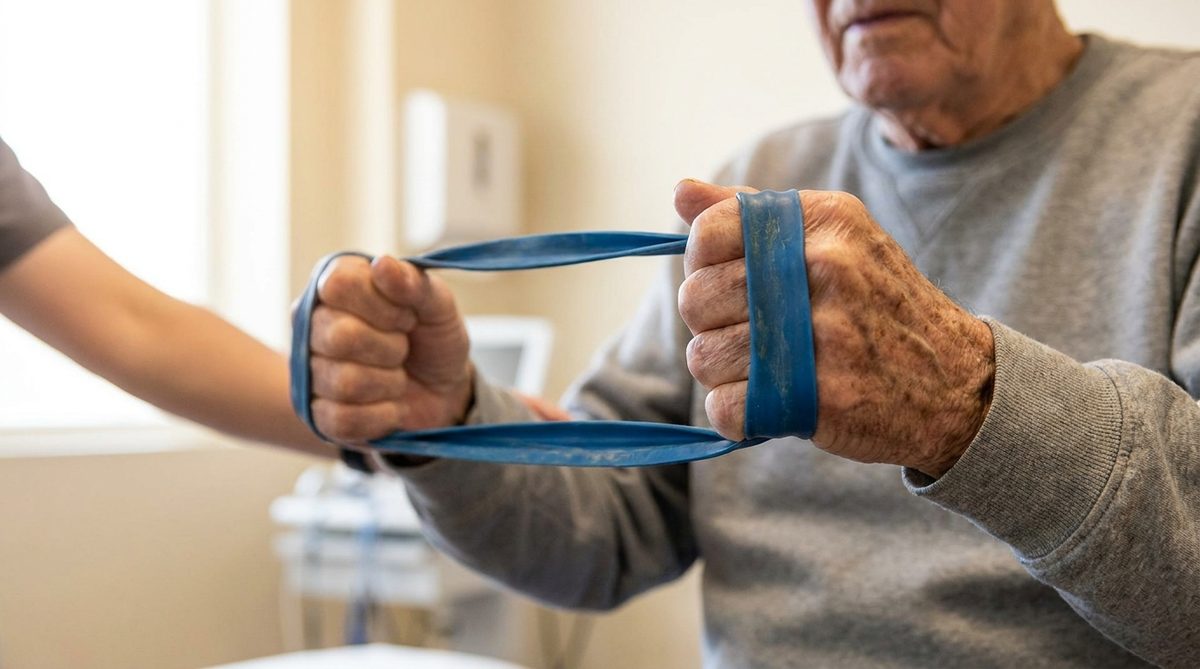
- Introduce resistance bands by week four: Low-cost, joint-friendly, and highly effective for building upper and lower body strength.
- Progress to 150 minutes of moderate activity per week by month three: This is the threshold the CDC recommends for substantial health benefits.
- Consider working with a physical therapist or certified senior fitness specialist: Individualized programming reduces injury risk and accelerates results.
Myth 6: Supplements Can Replace a Healthy Lifestyle
The supplement industry targeting older Americans is a $21 billion annual market, and much of it thrives on the myth that a pill can substitute for the hard work of eating well, moving regularly, and sleeping enough.
Let me be clear: certain supplements have genuine evidence behind them for older adults. Vitamin D supplementation is appropriate for the estimated 42% of American adults who are deficient, and it’s particularly critical for bone health and fall prevention after 60. Calcium, B12 (which becomes harder to absorb with age), and omega-3 fatty acids all have reasonable supporting evidence in specific contexts.
Where the Myth Gets Dangerous
The problem arises when supplements become a replacement for lifestyle changes rather than a complement to them. No amount of glucosamine will compensate for a sedentary lifestyle when it comes to joint health. No brain supplement has ever demonstrated benefits comparable to regular aerobic exercise for cognitive function.
If you’ve been led to believe otherwise, you’re not alone — but you owe it to yourself to separate marketing from evidence. I recommend reading this thorough breakdown of 9 supplement myths seniors believe that dietitians want debunked for a reality check on what’s actually worth your money.
Myth 7: Aging Means Becoming a Burden
This is the myth that breaks my heart. It’s not a medical myth — it’s a cultural one. And it’s perhaps the most destructive of all.
The belief that aging inevitably leads to dependency and burden causes older adults to withdraw from social life, avoid asking for appropriate help, and lose the sense of purpose that research consistently links to longevity. A 2024 study in JAMA Internal Medicine found that older adults who reported a strong sense of purpose had a 15.2% lower all-cause mortality rate over a five-year period compared to those who did not.
What the New Research Actually Shows
The headline that caught my attention most this year was the new study challenging the notion that aging means decline. Researchers followed older adults across multiple health domains — physical function, cognitive ability, emotional well-being, and social engagement — and found that many participants improved in at least one domain over time, even those over 80.
This aligns perfectly with what I observe clinically. I have a patient, 83 years old, who came to me after a hip fracture barely able to walk 20 feet with a walker. Fourteen months later, she walks a mile every morning and recently started a community garden plot. She didn’t just recover. She exceeded her pre-fracture function. She is not an anomaly — she’s an example of what’s possible when we reject the myth of inevitable decline.
Five Habits That Actually Define Healthy Aging
Based on the converging evidence from 2024-2025 research and what I’ve seen work for thousands of patients, here are the five habits that matter most for aging well in your 60s, 70s, and beyond:
- Move with intention every day: Combine aerobic exercise (walking, swimming, cycling) with resistance training and balance work. Aim for 150 minutes of moderate activity plus two strength sessions weekly.
- Feed your brain and your muscles: Follow a Mediterranean or MIND-style eating pattern. Prioritize protein (at least 1.0-1.2 grams per kilogram of body weight daily) to combat sarcopenia.
- Engage creatively and socially: Join a class, learn an instrument, visit museums, volunteer. The arts-and-aging research is no longer preliminary — it’s robust and actionable.
- Prioritize sleep quality: Adults over 65 need 7-8 hours per night. Poor sleep accelerates cognitive decline, increases fall risk, and worsens chronic pain. Talk to your doctor if you’re consistently getting fewer than 6 hours.
- Manage chronic conditions proactively, not reactively: Regular screenings, medication adherence, and open communication with your healthcare team prevent small problems from becoming crises.
The Bottom Line: Your Age Is Not Your Sentence
Every aging myth I’ve debunked here shares a common thread: they all assume your body and brain are passive passengers on a one-way trip toward breakdown. The science says otherwise. Your physiology is adaptive, responsive, and capable of improvement at virtually any age — if you give it the right inputs.
In my 18 years of working exclusively with older adults, the single greatest predictor of how well someone ages is not their genetics, not their diagnosis list, and not their chronological age. It’s their belief about what’s possible. The patients who believe they can improve, do. The ones who believe decline is inevitable often prove themselves right — not because their bodies failed them, but because they stopped trying.
The research is on your side. The evidence is stronger than it’s ever been. And it’s never — I mean genuinely never — too late to start.
Frequently Asked Questions
Can you really build muscle after age 70?
Yes. Research consistently shows that adults in their 70s, 80s, and even 90s can increase muscle mass and strength through progressive resistance training. A 2024 meta-analysis found significant hypertrophy gains in participants over 85 when following structured programs at least twice weekly.
How much exercise do seniors need per week for real health benefits?
The CDC recommends at least 150 minutes of moderate-intensity aerobic activity per week plus two or more days of muscle-strengthening activities. Even starting with 10-minute daily walks provides measurable benefits for previously sedentary older adults.
Is it true that diet changes can reverse biological aging?
A 2025 University of Southern California study showed that a fasting-mimicking diet protocol reversed biological age markers by an average of 2.5 years in adults over 60 within four monthly cycles. While more research is ongoing, the evidence for dietary impact on aging biomarkers is compelling.
Do brain training apps actually help prevent cognitive decline in seniors?
Some cognitive training programs show modest benefits for processing speed, but the strongest evidence for brain health in older adults supports aerobic exercise, learning new complex skills (like a musical instrument), social engagement, and arts participation — all of which outperform app-based training in long-term studies.
At what age is it truly too late to start exercising?
There is no age at which it's too late. Studies have documented strength gains, improved cardiovascular function, and reduced fall rates in adults who began exercise programs in their 80s and 90s after years of sedentary living. The key is starting gradually with appropriate guidance.
About Michael Torres, DPT, Board-Certified Geriatric Specialist
Michael Torres is a Doctor of Physical Therapy and board-certified geriatric clinical specialist with 18 years of experience working with older adults. He has treated thousands of seniors recovering from hip replacements, managing arthritis, rebuilding strength after hospitalizations, and preventing dangerous falls. At Daily Trends Now, Michael writes practical guides on exercises, mobility, pain management, and the physical strategies that help seniors stay strong and independent.