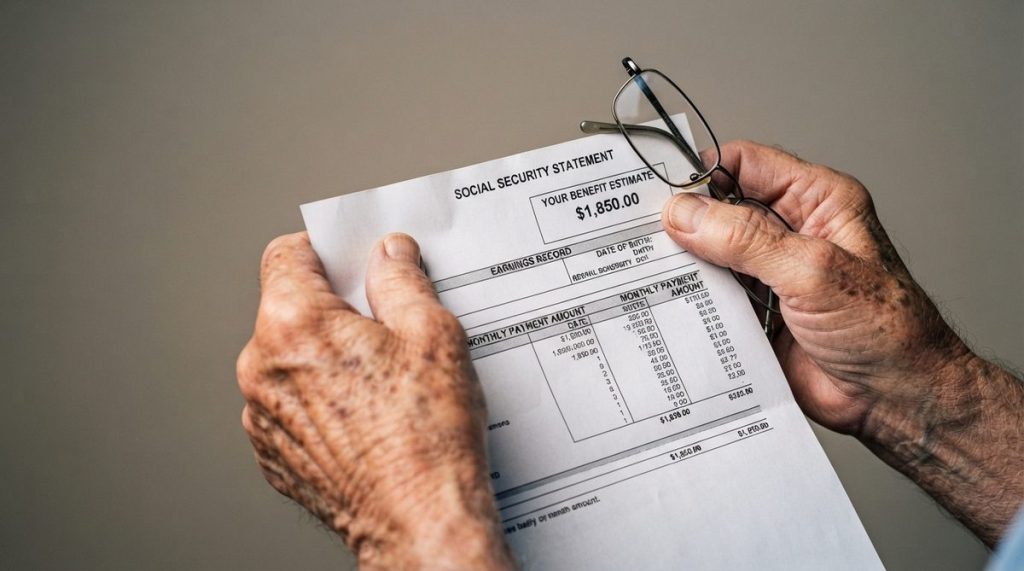


The Phone Call That Almost Cost Margaret $47,000
Margaret, a 72-year-old retired teacher in Scottsdale, Arizona, answered her phone on a Tuesday morning in March 2025. The caller ID displayed “Social Security Administration.” The man on the line was professional, calm, and urgent. He told her that her Social Security number had been linked to a drug trafficking case in Texas, and that a warrant had been issued for her arrest.
Her heart racing, Margaret listened as the man explained she could resolve the matter by transferring her savings to a “secure government account” while the investigation was completed. He even gave her a case number and a badge ID. It all sounded terrifyingly real.
Margaret was minutes away from initiating a wire transfer when her daughter happened to call. Her daughter recognized the scam immediately — but Margaret, an intelligent, well-read woman, had been completely taken in. She wasn’t gullible. She was targeted by professionals.
In my 14 years working in cybersecurity and digital privacy research, I’ve heard hundreds of stories like Margaret’s. What strikes me every time is not that the victims were careless — it’s that the scammers were that good. And they’re getting better every single day.
The Staggering Scale of Elder Fraud in America
According to the FBI’s Internet Crime Complaint Center (IC3), Americans over 60 lost more than $4.8 billion to fraud in 2024 — a 43% increase from the previous year. That figure almost certainly understates the problem, because the FBI estimates that only about 1 in 5 elder fraud victims ever reports the crime.
“Elder fraud isn’t a minor nuisance — it’s a national crisis. The $4.8 billion reported lost by older Americans in 2024 likely represents just a fraction of the true financial devastation, with shame and embarrassment keeping most victims silent.” — Dr. Priya Sharma
The most common scams targeting older adults include tech support fraud, romance scams, investment schemes (especially involving cryptocurrency), government impersonation, and grandparent scams. What I see most often is a combination of psychological pressure and technological sophistication that makes these attacks remarkably difficult to detect in the moment.
And now, artificial intelligence is making the problem exponentially worse. If you haven’t already, I’d strongly encourage reading about how scammers are using AI to supercharge elder fraud — it’s a development that every American over 50 needs to understand.
Why Older Adults Are Targeted — And Why It’s Not About Intelligence
Let me be direct about something: scammers don’t target older adults because they think seniors are foolish. They target them because older Americans tend to have more savings, own their homes, have good credit, and are statistically more trusting during phone interactions. These are qualities, not weaknesses.
There are also structural factors at play. Many older adults live alone and may not have someone nearby to consult before making a financial decision. Cognitive changes — even subtle ones — can affect how quickly someone processes a high-pressure situation. And frankly, many of the digital tools that younger people use instinctively to verify information (reverse phone lookups, scam databases, Reddit threads) aren’t part of an older adult’s daily routine.
The financial consequences of elder fraud ripple outward. Retirement savings that took decades to build can vanish in a single afternoon. I often tell my readers that protecting your digital security is just as important as managing your retirement portfolio — and the two are deeply connected. If you’re already thinking about the biggest financial concerns facing retirees, fraud prevention deserves a permanent spot on that list.

The Top 5 Scams Targeting Older Adults Right Now
Understanding the specific tactics scammers use is the single most effective defense. Here’s what I’m tracking in 2025 and into 2026, based on FBI data, FTC reports, and my own research:
| Scam Type | How It Works | Avg. Loss per Victim | Red Flag to Watch For |
|---|---|---|---|
| Tech Support Fraud | Pop-up or phone call claims your computer is infected; scammer gains remote access | $14,000–$25,000 | Unsolicited calls or pop-ups demanding immediate action |
| Government Impersonation | Caller poses as SSA, IRS, or Medicare; threatens arrest or benefit suspension | $8,000–$50,000+ | Government agencies never call demanding immediate payment |
| Romance/Companionship Scams | Fake online relationship built over weeks/months; eventual request for money | $25,000–$100,000+ | Person avoids video calls, always has emergencies requiring money |
| Investment/Crypto Scams | “Guaranteed returns” pitched via social media or unsolicited messages | $50,000–$500,000+ | Promises of guaranteed high returns with no risk |
| Grandparent Scam (AI-Enhanced) | AI-cloned voice of grandchild calls claiming emergency; begs for money | $5,000–$15,000 | Urgent request for cash, gift cards, or wire transfer |
The grandparent scam deserves special attention in 2025 because AI voice cloning has become shockingly accessible. Scammers can now create a convincing replica of someone’s voice from just a few seconds of audio — pulled from a social media video or voicemail greeting. When a grandparent hears what sounds exactly like their grandchild crying and saying “Please don’t tell Mom and Dad,” the emotional override is almost impossible to resist.
Your 7-Step Elder Fraud Protection Plan
I’ve developed this action plan based on recommendations from CISA (the Cybersecurity & Infrastructure Security Agency), the FTC’s consumer protection division, and my own work with fraud victims. These aren’t abstract suggestions — they’re concrete steps you can take this week.
- Establish a family code word. Choose a secret word or phrase that only your family knows. If someone calls claiming to be a relative in distress, ask for the code word. An AI-cloned voice won’t know it. Change the code word every six months.
- Freeze your credit with all three bureaus. Contact Equifax, Experian, and TransUnion to place a credit freeze. This prevents scammers from opening accounts in your name, even if they have your Social Security number. It’s free, it takes about 10 minutes per bureau, and you can temporarily lift it whenever you need to apply for credit.
- Enable two-factor authentication (2FA) on every financial account. This means that even if someone steals your password, they can’t access your account without a second verification — usually a code sent to your phone. Your bank, brokerage, and email accounts should all have this turned on. If you need help, call the company’s customer service line and ask them to walk you through it.
- Register your number with the National Do Not Call Registry (donotcall.gov) and use your phone’s built-in call screening. On iPhones, go to Settings → Phone → Silence Unknown Callers. On Android, open the Phone app → Settings → Caller ID & Spam → toggle on. This won’t stop every scam call, but it significantly reduces volume.
- Adopt the 24-hour rule. Before sending money to anyone for any reason that feels urgent, wait 24 hours. Call a trusted family member or friend and describe the situation. Scammers rely on urgency — they need you to act before you think. Legitimate organizations will never penalize you for taking a day to verify.
- Monitor your accounts weekly. Set a recurring calendar reminder to log in and review your bank and credit card statements every week. Look for charges you don’t recognize, no matter how small. Scammers often test with tiny charges ($1–$5) before making large withdrawals.
- Report everything. If you receive a suspicious call, text, or email, report it to the FTC at consumer.ftc.gov and to your state’s attorney general. If you’ve lost money, file a report with the FBI’s IC3 at ic3.gov. Reporting doesn’t just help you — it helps investigators identify and shut down scam operations that are targeting thousands of others.

The AI Factor: Why 2025 and 2026 Are Different
I want to be honest about something that concerns me deeply as a researcher: the fraud landscape is shifting faster than most people realize. Generative AI tools have made it possible for scammers to create convincing fake emails with no spelling errors, generate realistic-looking bank documents, produce deepfake video calls, and clone voices with minimal source material.
In 2023, the FTC reported that impersonation scams were the number-one fraud category. By 2025, AI has made those impersonations nearly indistinguishable from the real thing. A scam email from “your bank” now looks pixel-perfect. A phone call from “your grandson” now sounds exactly right.
“The old advice to ‘look for typos and bad grammar’ in scam emails is dangerously outdated. AI has eliminated those telltale signs. Today, you need to verify the source through a separate channel — every single time.” — Dr. Priya Sharma
This is why verification through a separate communication channel has become the gold standard in personal cybersecurity. If you get an email from your bank, don’t click the link in the email — open your browser separately and go directly to your bank’s website. If someone calls claiming to be your grandchild, hang up and call them back on the number you have saved in your phone. This one habit — verifying through a separate channel — would prevent the majority of successful scams.
Technology as a Shield, Not Just a Threat
Here’s what I find encouraging: the same technology that creates risk also offers powerful protection. Smartphones, for example, are increasingly becoming tools for independence and safety — not just vulnerabilities. If you’re curious about this, take a look at how smartphones are helping older adults stay independent in meaningful ways.
Password managers like 1Password and Bitwarden can generate and store complex, unique passwords for every account — so you never have to reuse a password or write one on a sticky note. Modern antivirus software from reputable companies like Norton, Bitdefender, or Malwarebytes can catch phishing attempts before they reach you. And AARP’s technology resources offer free, age-friendly guides to setting up these tools step by step.
I also recommend setting up account alerts with your bank. Most banks now let you receive a text or email notification every time a transaction over a certain amount occurs. Set that threshold low — even $25. It turns your phone into a real-time fraud detection system.
What to Do If You’ve Already Been Scammed
If you or someone you love has already fallen victim to a scam, please hear this clearly: it is not your fault. These are sophisticated criminal operations, often run by international syndicates with hundreds of employees. They are designed to defeat your judgment, and they succeed against people of every age, education level, and background.
Immediate Steps to Take
Contact your bank or credit card company immediately. Many institutions have fraud departments that operate 24/7, and time matters — some transactions can be reversed if reported quickly. File a report with the FBI’s IC3 (ic3.gov) and with your local law enforcement. Even if recovery seems unlikely, these reports build the cases that eventually lead to arrests.
Emotional Recovery Matters Too
The psychological impact of fraud can be as devastating as the financial loss. Victims often experience shame, anxiety, depression, and a loss of confidence in their own judgment. The AARP Fraud Watch Network helpline (877-908-3360) offers free support from trained specialists who understand what you’re going through. Please use it.
The financial recovery process may also intersect with broader retirement planning concerns. If a scam has impacted your savings, it’s worth revisiting common myths about retiree finances to make sure the rest of your financial plan is on solid ground.
Building a Culture of Fraud Awareness in Your Family
One of the most effective things you can do is make fraud prevention a normal, ongoing conversation in your family — not a one-time lecture from adult children to aging parents. In my experience, the families that handle this best are the ones where everyone shares scam attempts they’ve received, regardless of age.
Try this: at your next family dinner or video call, ask everyone to share the most suspicious text, email, or phone call they received that month. You’ll be surprised how many your younger family members are getting, too. It normalizes the conversation, removes the stigma, and makes it natural for anyone to say, “Hey, I got a weird call — can you help me figure out if it’s real?”
You can also designate a trusted family member as the “verification buddy” — someone you call before making any financial decision over a certain amount. This isn’t about losing independence. It’s about having a second set of eyes, the same way a pilot uses a co-pilot. No one flies alone, and no one should navigate today’s scam landscape alone either.
The Bottom Line
Elder fraud is surging because the tools criminals use are more powerful than ever. But the tools available to protect yourself are powerful, too — if you know how to use them. A credit freeze, a family code word, two-factor authentication, the 24-hour rule, and the habit of verifying through a separate channel: these five practices alone would stop the vast majority of scams in their tracks.
Margaret, the retired teacher from Scottsdale, now leads a monthly fraud awareness group at her local library. She tells her story openly, without shame, because she understands something fundamental: the only people who should be embarrassed are the criminals. The rest of us just need to be prepared.
About Dr. Priya Sharma, PhD in Computer Science, CISSP
Dr. Priya Sharma is a cybersecurity expert with a PhD in Computer Science and a Certified Information Systems Security Professional (CISSP) credential. She has spent 14 years researching digital privacy, online fraud, and data protection — with a particular focus on the risks facing older internet users. At Daily Trends Now, Dr. Sharma writes about online scams, password security, smartphone privacy, and the practical steps readers can take to stay safe in an increasingly connected world.