
The Phone Call That Changed Margaret’s Mind
Margaret Olsen had lived in her three-bedroom Colonial in suburban Philadelphia for 31 years. She’d raised two kids there, hosted decades of Thanksgivings, and buried a husband from that front porch. So when her daughter called last October suggesting she “look into a nice community,” Margaret did what any fiercely independent 72-year-old would do — she hung up the phone.
But three weeks later, Margaret slipped getting out of the bathtub. She caught herself on the towel rack, which promptly ripped out of the drywall. No bones broken, just a bruised hip and a bruised ego. That near-miss became the catalyst for a series of aging in place home modifications that, six months later, have made her house safer, more comfortable, and — here’s the part that surprises most people — more beautiful than it was before.
Margaret’s story is one many readers recognize. Over 16 years of covering lifestyle and active aging, similar narratives emerge hundreds of times. The details vary, but the emotional arc remains consistent: fierce resistance, a frightening wake-up call, and then the quiet relief of discovering that staying home doesn’t have to mean staying unsafe.
Why Aging in Place Is Now the Majority Choice
Let’s start with the numbers, because they’re staggering. According to AARP‘s 2024 Home and Community Preferences Survey, 77% of adults aged 50 and older want to remain in their current home as they age. That figure has held steady — and even ticked upward — for the past decade. The desire isn’t just sentimental. Assisted living facilities now average $4,995 per month nationally, according to the Genworth Cost of Care Survey, while a well-planned set of home modifications might run a one-time total of $5,000 to $25,000.
Staying home isn’t automatically the cheaper option — but with the right modifications, it usually is, especially over a five- to ten-year horizon. The emotional dividends of sleeping in your own bed, puttering in your own garden, and greeting neighbors you’ve known for decades don’t show up on a spreadsheet, but they matter enormously to long-term well-being.
“Seventy-seven percent of Americans over 50 want to age in their own homes — but fewer than 10% of U.S. housing stock is currently designed to support that goal.” — AARP Home and Community Preferences Survey, 2024
That gap between desire and design is exactly where aging in place home modifications come in. If you’re considering this path — or helping a parent navigate it — here’s what works, what it actually costs, and where people most often go wrong.
The Bathroom: Where Most Accidents (and Most Modifications) Happen
Margaret started in the bathroom, and that’s exactly where you should begin. The National Council on Aging reports that one in four Americans aged 65 and older falls each year, and the bathroom is the single most dangerous room in the house for older adults. Wet surfaces, hard edges, and awkward transitions between standing and sitting create a trifecta of risk.
Grab Bars: The Non-Negotiable Starting Point
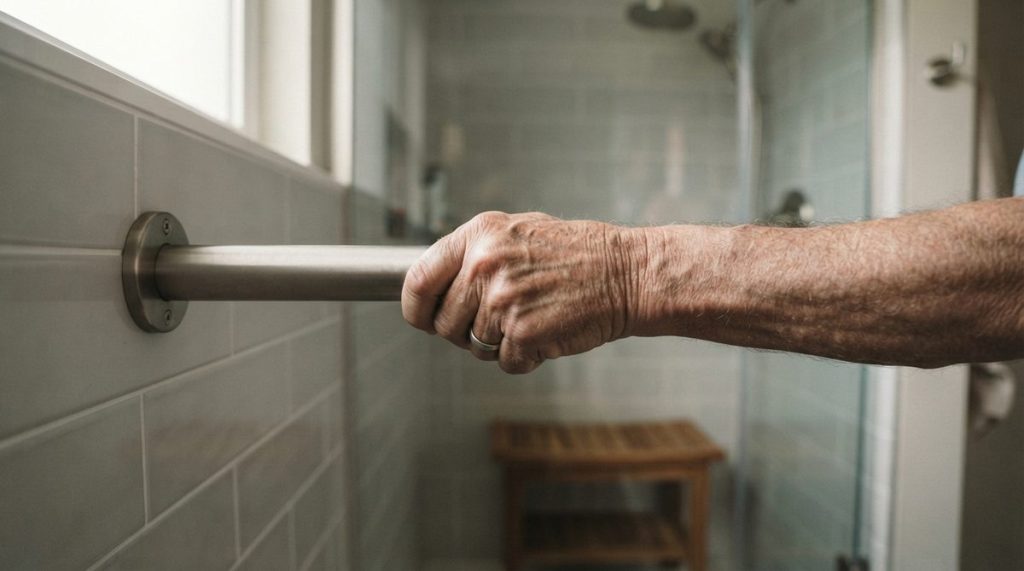
Professional-grade grab bars installed beside the toilet and inside the shower typically cost between $100 and $300 per bar, including installation. Margaret paid $750 total for four strategically placed bars. Modern designs look nothing like the institutional chrome rails of the 1990s. Companies like Moen and Delta now offer grab bars that double as towel bars, shelves, and even shower caddies — stylish enough that guests don’t even notice them.
Walk-In or Curbless Showers
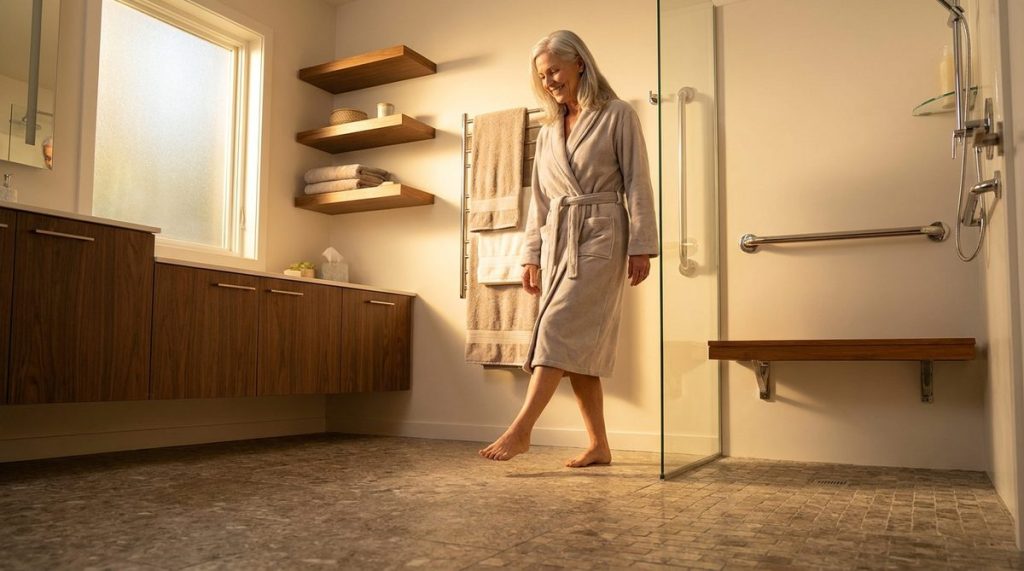
If your budget allows for one single big-ticket modification, a curbless (zero-threshold) shower conversion is almost always the top recommendation. This eliminates the leg-over-the-edge step that causes so many falls. Cost ranges widely — from $2,500 for a basic prefabricated unit to $8,000 or more for a custom tile installation with a linear drain and built-in bench.
Consider a mid-range retrofit option at $4,200, including a handheld showerhead on a slide bar. Homeowners who choose this level of upgrade often report the experience feels luxurious—like a spa visit in their own bathroom. Many wish they’d made the investment earlier, perhaps at 50.
Raised Toilet Seats and Comfort-Height Toilets
A raised toilet seat is one of the simplest and most impactful modifications. A bolt-on riser costs $30 to $80. Replacing the entire toilet with a comfort-height model (17 to 19 inches versus the standard 15 inches) runs $250 to $600 installed. The two-inch difference sounds trivial until you have arthritic knees.
The Kitchen: Independence Starts at Mealtime
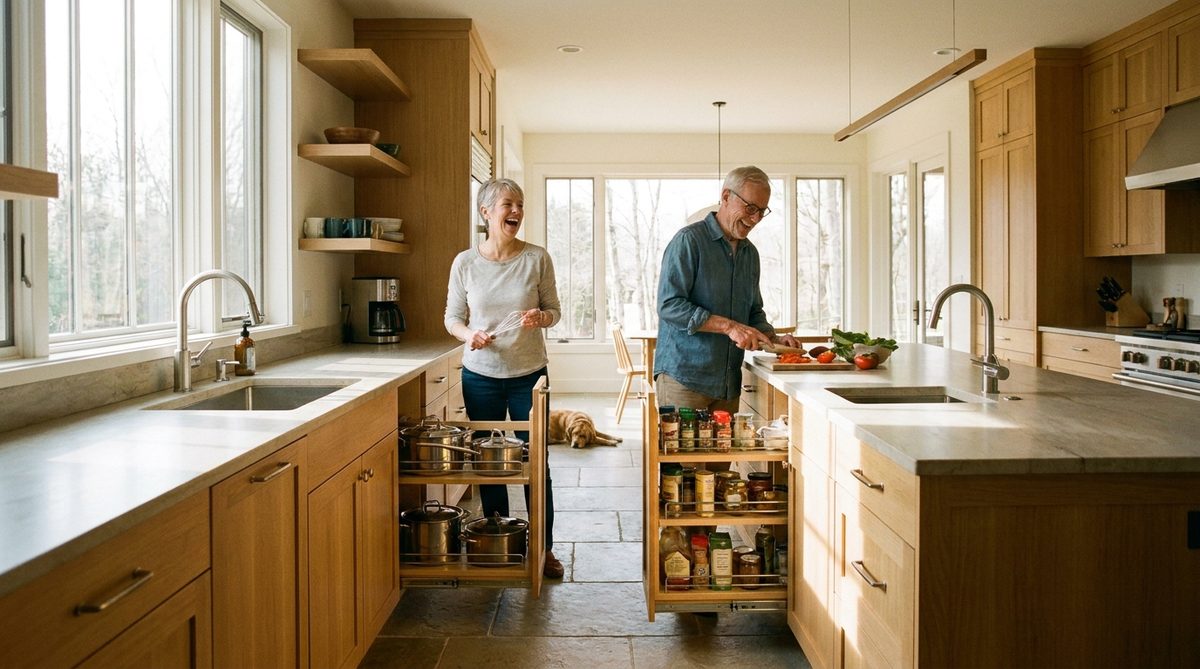
The ability to prepare your own meals is one of the strongest predictors of long-term independent living. What’s most often overlooked is the kitchen entirely, with renovation energy focused on the bathroom instead. But small kitchen modifications can be transformative.
Lever-Style Handles and Touchless Faucets
Replacing round doorknobs and twist faucets with lever-style hardware is one of the cheapest aging in place home modifications you can make. Lever handles cost $8 to $25 each and are a godsend for anyone with arthritis or reduced grip strength. Touchless kitchen faucets run $150 to $400 and eliminate the need to grip anything at all.
Pull-Out Shelves and Drawer Organizers
Deep lower cabinets become increasingly problematic as bending and reaching get harder. Retrofit pull-out shelves cost $50 to $200 per cabinet and bring everything to waist height. Margaret had six cabinets retrofitted for $900 total and says she uses her kitchen more now than she has in five years.
Better Lighting
The National Institute on Aging emphasizes that good lighting reduces fall risk and supports cognitive function. Under-cabinet LED strips ($20 to $80 per strip), motion-activated night lights in hallways ($10 to $25 each), and brighter overhead bulbs are among the most cost-effective safety upgrades available. Margaret spent $340 on lighting throughout her home and calls it “the modification that changed everything.”
Entryways and Thresholds: The Overlooked Danger Zone
The front door is another critical modification zone that people often skip. A single step at the entrance might not seem like much at 60, but it can become a serious barrier after a hip replacement or during icy winter months.
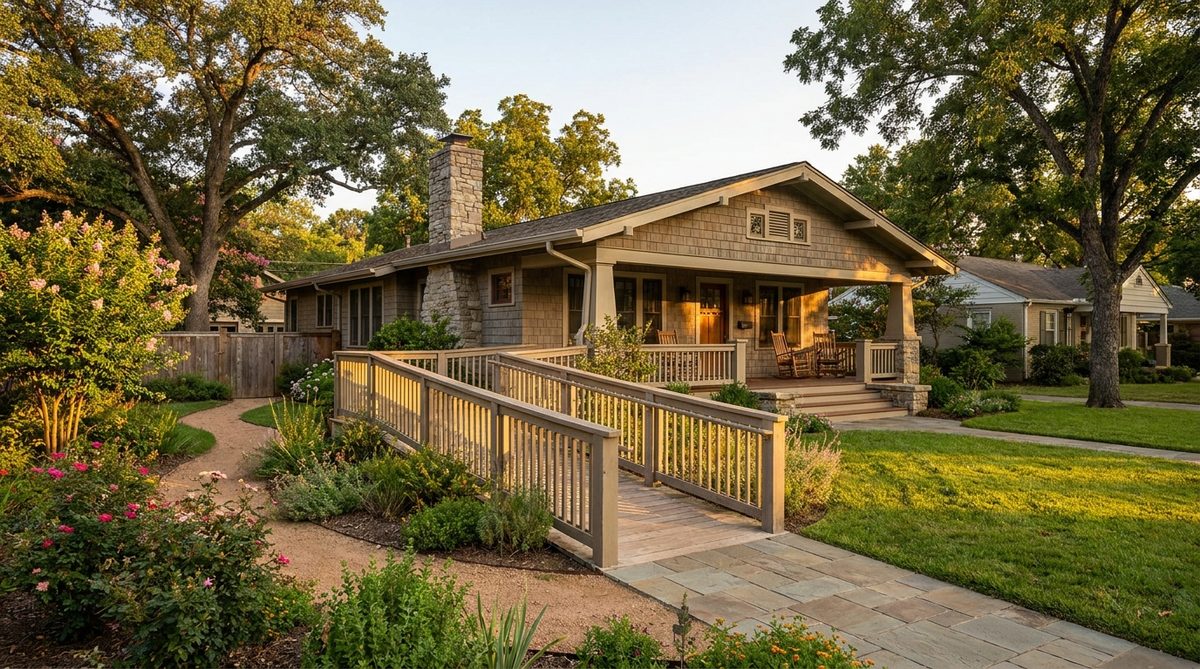
Ramps and Zero-Step Entries
A permanent concrete or composite ramp with railing costs $1,000 to $3,500 depending on length and materials. Portable aluminum ramps run $200 to $800. For homeowners planning a more significant renovation, regrading the walkway to create a zero-step entry is the gold standard — typically $2,000 to $5,000 but almost invisible to the eye.
Wider Doorways
Standard interior doors are 28 to 30 inches wide. A wheelchair or even a standard walker needs 32 to 36 inches of clearance. Widening a doorway costs $300 to $1,000 per opening depending on whether structural framing is involved. Offset hinges, which add about two inches of clearance without any construction, cost just $15 to $30 per door — a brilliant hack that more people should know about.
Flooring: The Foundation of Fall Prevention
Carpet edges, loose throw rugs, and slick tile are responsible for more falls than almost any other household feature. Replacing flooring is one of the pricier aging in place home modifications, but it can also be one of the most impactful.
- Luxury vinyl plank (LVP): $2 to $7 per square foot installed. Slip-resistant, forgiving on joints, waterproof, and available in designs that mimic hardwood beautifully.
- Low-pile carpet with firm padding: $3 to $8 per square foot installed. Good for bedrooms where a softer landing matters more than water resistance.
- Cork flooring: $3 to $12 per square foot installed. Naturally slip-resistant and cushioned, excellent for kitchens and living areas.
- Non-slip treatments for existing tile: $200 to $500 per room. A professional anti-slip coating can transform dangerous tile without replacing it.
Margaret kept her hardwood in the living room (it was in great shape) but replaced bathroom tile with LVP and added non-slip treatments to her kitchen floor. Total flooring cost: $2,100.
Smart Home Technology: Your Invisible Safety Net
Technology has quietly become one of the most powerful tools for aging in place. If you haven’t explored this area yet, our guide on aging in place tech and smart home solutions for adults over 50 is worth your time. The options have expanded dramatically in just the past two years.
- Smart speakers with voice control: Amazon Echo and Google Nest devices ($30 to $100) let you control lights, locks, and thermostats without getting up or reaching for switches.
- Video doorbells: Ring and similar systems ($100 to $250) allow you to see and speak with visitors without walking to the door.
- Medical alert systems: Modern wearable devices with fall detection and GPS start at $20 to $50 per month.
- Smart lighting: Automated systems that turn on lights when you enter a room and off when you leave, reducing both fall risk and energy costs.
Margaret was skeptical about technology — “I’m not a gadget person,” she insisted — but she now uses voice commands to control her kitchen lights, lock her front door at night, and even call her daughter hands-free. “It makes me feel safer without making me feel old,” she said.
What Margaret’s Full Renovation Actually Cost
Here’s Margaret’s complete cost breakdown, shared with her permission because transparency about real costs is essential to this conversation:
- Bathroom modifications (grab bars, curbless shower, comfort-height toilet, handheld showerhead): $5,700
- Kitchen modifications (pull-out shelves, lever faucet, under-cabinet lighting): $1,400
- Flooring (bathroom LVP, kitchen non-slip treatment): $2,100
- Entryway (regraded walkway for zero-step entry, offset door hinges): $3,200
- Lighting throughout the home: $340
- Smart home devices: $280
- Total: $13,020
That $13,020 is roughly equivalent to 2.6 months in an assisted living facility. And Margaret’s home is now safer, more comfortable, and likely worth more on the resale market thanks to universal design features that appeal to buyers of all ages.
“I spent $13,000 making my home safe for the next 20 years. That’s less than three months of assisted living. I wish someone had shown me these numbers sooner.” — Margaret Olsen, age 72, Philadelphia
How to Pay for Aging in Place Home Modifications
Cost is the elephant in the room. With healthcare costs rising faster than COLA adjustments, every dollar matters. Here are funding sources many people don’t know about:
- Medicaid Home and Community-Based Services (HCBS) waivers: Available in most states, these can cover some modification costs for eligible individuals.
- VA Specially Adapted Housing grants: Veterans may qualify for grants up to $109,986 (2025 figures) for home modifications.
- USDA Rural Development loans: Low-interest loans and grants for homeowners in rural areas aged 62 and older.
- Area Agencies on Aging: Local organizations often offer free or subsidized modification programs. Call the Eldercare Locator at 1-800-677-1116 to find yours.
- Tax deductions: Medically necessary home modifications may be deductible as medical expenses if they exceed 7.5% of your adjusted gross income.
It’s also worth noting that some Medicare Advantage plans have begun covering certain home safety modifications, though coverage varies significantly by plan and region. Check your specific plan’s supplemental benefits.
The Mistakes I See People Make
After covering this beat for over a decade and a half, the three most common mistakes people make with aging in place home modifications are:
Waiting Too Long
The best time to modify your home is before you need the modifications. Planning at 55 or 60 gives you time to budget, research contractors, and make changes gradually. Planning after a fall or a diagnosis means rushing decisions under pressure.
Doing It Piecemeal Without a Plan
A Certified Aging-in-Place Specialist (CAPS) — a designation offered through the National Association of Home Builders — can assess your entire home and create a phased plan. An initial assessment costs $150 to $400 and can save you thousands in redundant work. If you want to understand the broader picture of what makes aging at home successful, our piece on why mindset and nutrition decide who thrives is a great companion read.
Ignoring the Emotional Side
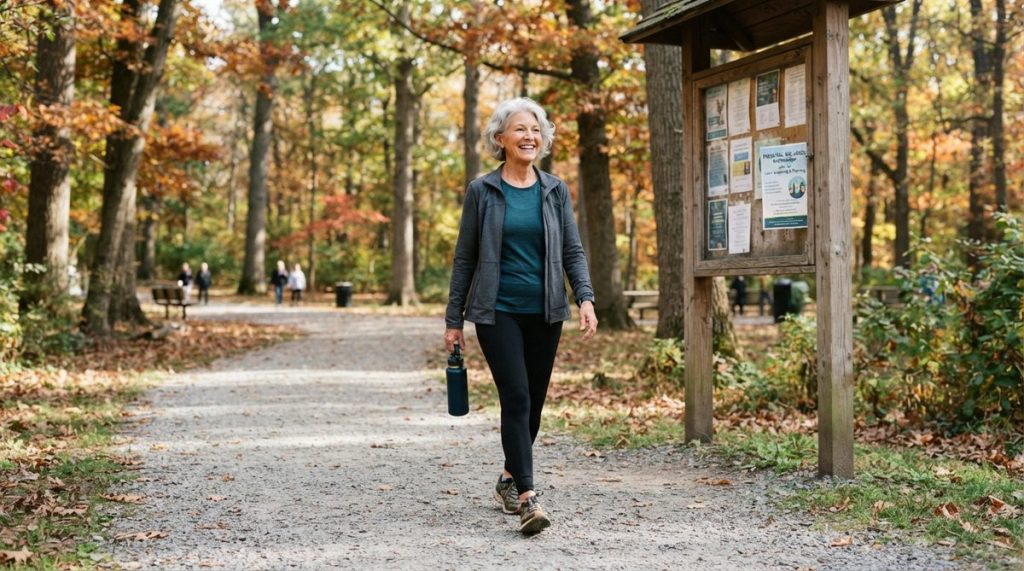
Modifications aren’t just physical. They’re psychological. The shift from “my home might hurt me” to “my home supports me” changes how you move through your day. Consider Margaret’s experience: after modifications, she walks taller — literally. She stopped hunching and bracing herself because she trusts her environment. That confidence ripples into everything else: she’s gardening again, hosting friends, and signed up for a watercolor class at the community center. Your home’s safety can unlock similar shifts in how you engage with daily life.
Margaret’s Story Isn’t Unusual — It’s a Blueprint
What stands out about Margaret’s journey is how ordinary it is. She’s not wealthy. She didn’t hire a famous designer. She made practical, evidence-based decisions about her home and invested a modest sum that will pay dividends in independence, safety, and dignity for years to come.
Research continues to show that aging doesn’t have to mean decline, and the home you live in plays a bigger role in that equation than most people realize. The right aging in place home modifications don’t make your house look like a hospital. They make it look like a home that’s actually designed for the person living in it.
After a successful home renovation, the relief is tangible. Homeowners report a genuine peace of mind—a sense that they can age in place confidently, without burdening adult children with worry about their safety or independence.
If that sounds like the kind of future you want, the best day to start planning was five years ago. The second-best day is today.
Frequently Asked Questions
What are the most important aging in place home modifications to start with?
The bathroom is the highest-priority area because it's where most falls occur. Start with grab bars near the toilet and shower, a curbless or walk-in shower conversion, and non-slip flooring. These three changes address the most common injury risks and typically cost between $3,000 and $6,000 combined.
How much do aging in place home modifications cost on average?
A comprehensive set of modifications for a typical single-family home ranges from $5,000 to $25,000 depending on scope. Minor changes like grab bars, lever handles, and better lighting can be done for under $2,000, while major projects like bathroom remodels and zero-step entries push costs higher.
Does Medicare cover aging in place home modifications?
Original Medicare generally does not cover home modifications. However, some Medicare Advantage plans now include supplemental benefits that cover certain safety-related modifications like grab bars and ramp installations. Check your specific plan's benefits or call 1-800-MEDICARE for details.
What is a Certified Aging-in-Place Specialist (CAPS)?
A CAPS professional is a contractor, designer, or remodeler who has completed specialized training through the National Association of Home Builders on designing and building for older adults. They can assess your home, create a phased modification plan, and ensure renovations meet accessibility standards. Initial assessments typically cost $150 to $400.
At what age should I start making aging in place modifications?
Experts recommend beginning modifications in your mid-50s to early 60s, well before they become urgent. Early planning allows you to budget over time, make changes gradually during routine renovations, and avoid the stress of rushing decisions after a fall or health event. Many universal design features also increase your home's resale value.