

The Aging-in-Place Conversation Is Full of Bad Information
Nearly 90% of adults over 65 want to stay in their own homes as they age, according to AARP. That number has stayed remarkably consistent for more than a decade. What hasn’t kept up is the quality of information people rely on when they actually try to make it happen.
In my 14 years as a Certified Aging-in-Place Specialist, I’ve walked through hundreds of homes with clients who believed they were prepared—only to discover that outdated assumptions, internet half-truths, and well-meaning but wrong advice from friends had left them vulnerable. Some of these aging-in-place myths cost people their safety. Others cost them tens of thousands of dollars they didn’t need to spend.
Let me walk you through the biggest misconceptions I encounter and what the evidence actually says. If you’re over 50 and thinking about your next decade at home, this is the reality check you need before you spend a dime.
Myth #1: You Don’t Need to Think About This Until You’re 75 or 80
This is the myth that does the most damage, and I hear it constantly. People in their mid-50s and 60s wave off the conversation: “I’m healthy, I’m active, I’ll deal with it later.” The problem? Later is almost always more expensive, more disruptive, and more limited in options.
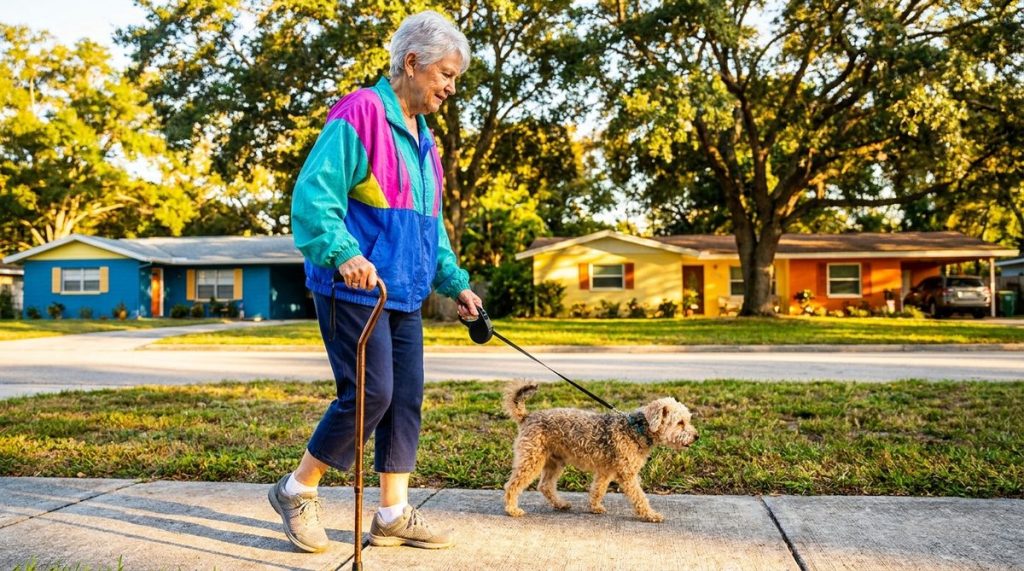
The National Council on Aging reports that one in four Americans aged 65 and older falls every year. Falls are the leading cause of injury-related death in that age group, and the risk doesn’t suddenly appear at 75. It builds gradually, often without people noticing the small balance changes, the slight vision decline, the slower reaction time.
What I see most often is clients who call me after a fall or a health scare. At that point, they need modifications done urgently, which means premium contractor pricing, limited time to comparison-shop, and sometimes settling for less-than-ideal solutions because the right materials aren’t available on a rush timeline.
The Real Timeline
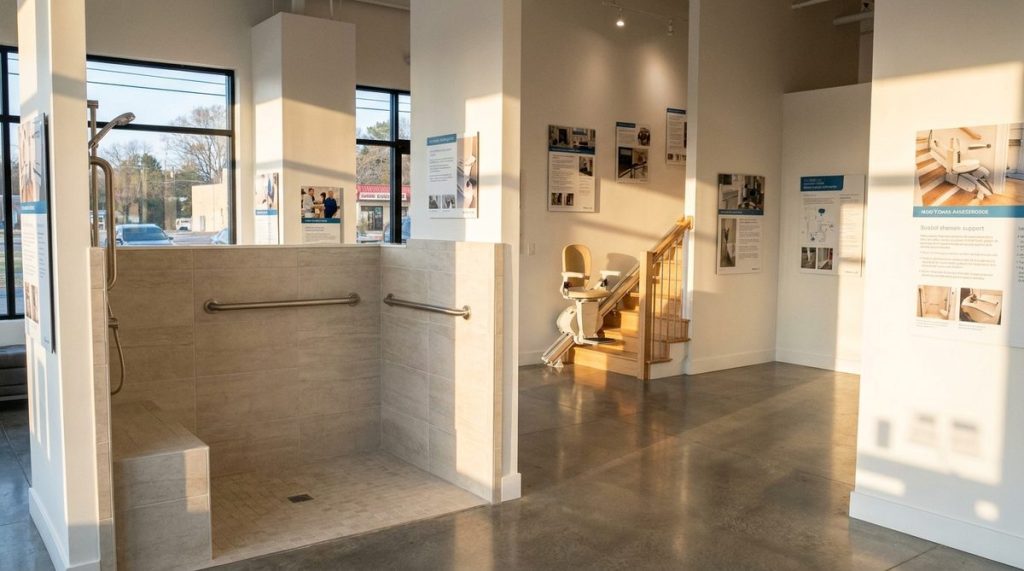
The best time to start planning is in your mid-50s, when you can spread costs over years, make modifications as part of planned renovations, and actually enjoy the improvements. A curbless shower isn’t just an accessibility feature—it’s a luxury upgrade. Wider doorways make moving furniture easier. Better lighting prevents eye strain right now.
If you’re just beginning to think about healthy longevity at home, the habits you build now matter enormously. Our guide on 5 Healthy Habits for Aging Well in Your 60s, 70s, and Beyond pairs perfectly with the physical home modifications I’m describing here.
Myth #2: Aging in Place Means a Full Home Renovation
This one scares people away from taking any action at all. They picture $80,000 bathroom gut-jobs and elevator shafts and conclude the whole thing is financially impossible. Some media coverage hasn’t helped—headlines about age-proofing costing a fortune make people freeze up entirely.
Here’s the truth: most homes need targeted modifications, not total overhauls. A 2024 AARP HomeFit survey found that the majority of critical safety improvements fall into a surprisingly affordable range when done strategically.
What Actually Moves the Needle
The modifications that prevent the most injuries are often the least expensive:
- Grab bars in bathrooms: $30–$50 per bar installed professionally, and they reduce fall risk by up to 40% according to CDC data.
- Improved lighting: Replacing dim fixtures and adding motion-activated lights in hallways costs $200–$500 for an entire home.
- Lever-style door handles: About $15–$30 each, they eliminate the grip-and-twist motion that becomes painful with arthritis.
- Non-slip flooring treatments: Chemical treatments for existing tile run $100–$300 per bathroom.
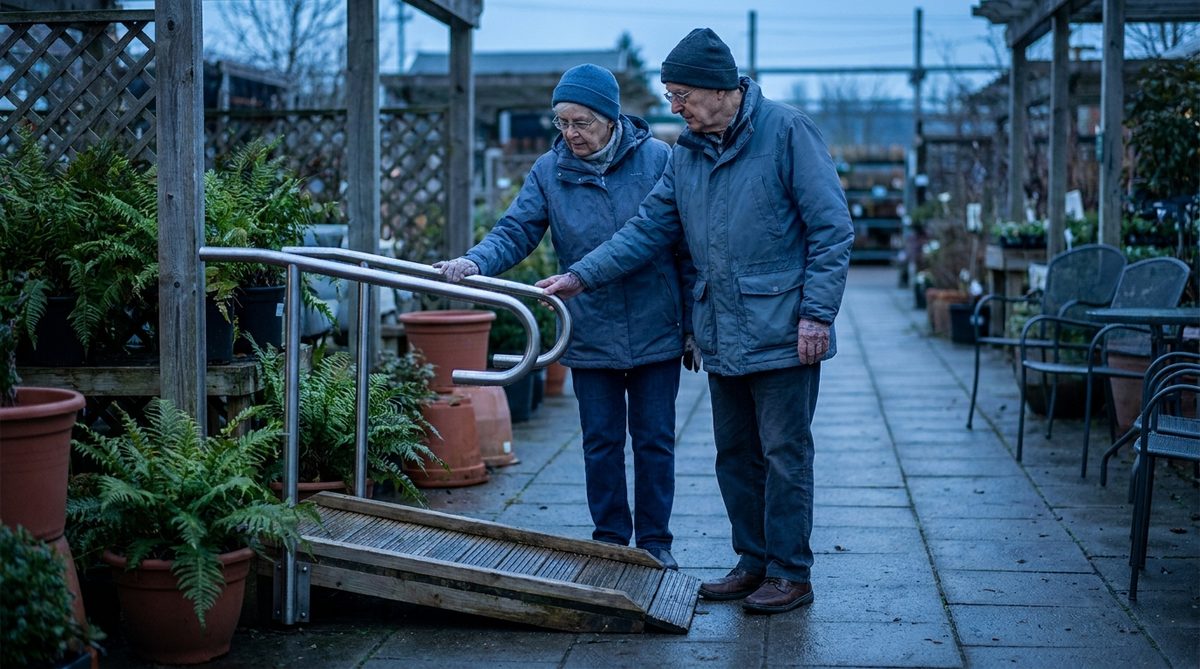
- Threshold ramps: Small rubber or aluminum ramps that eliminate tripping hazards between rooms cost $20–$60 each.
I often tell my clients to think in phases. Year one: address the bathroom and lighting. Year two: tackle the entryways and kitchen. Year three: look at the bigger items if needed. For a practical budget breakdown, check out How to Set Up Your Home to Age in Place for Under $1,500—it’s a realistic starting point for most homeowners.
Myth #3: Your Home’s Biggest Danger Is the Stairs
Ask most people what the most dangerous part of a home is for an older adult, and they’ll say the staircase. It makes intuitive sense. Stairs are steep, gravity is unforgiving, and we’ve all seen the stairlift commercials.
But the data tells a different story. According to the National Institute on Aging, bathrooms are the most dangerous room in the home for older adults. Wet surfaces, hard fixtures, confined spaces, and the physical demands of getting in and out of a tub or on and off a toilet create a combination of risk factors that stairs simply don’t match.
In my assessments, I find bathroom hazards in over 90% of homes I visit—even homes that have already had some modifications done. The most common issue? Grab bars installed in the wrong location or anchored improperly. A grab bar that pulls out of drywall during a slip is worse than no grab bar at all because it creates a false sense of security.
Other Overlooked Danger Zones
- The kitchen: Reaching for high shelves, bending to access low cabinets, and standing on step stools cause thousands of injuries annually.
- The garage: Uneven concrete, poor lighting, and the step up into the house form a triple threat most people never consider.
- Area rugs: They’re in nearly every home I visit, and they’re responsible for a staggering number of trip-and-fall incidents. Even rugs with non-slip pads shift over time.
- The bedroom: Getting up at night to use the bathroom in the dark, navigating around furniture, and getting in and out of beds that are too high or too low.
Yes, stairs matter. But if your entire aging-in-place plan is “install a stairlift someday,” you’re missing the rooms where injuries actually happen most.
Myth #4: Smart Home Technology Replaces Physical Modifications
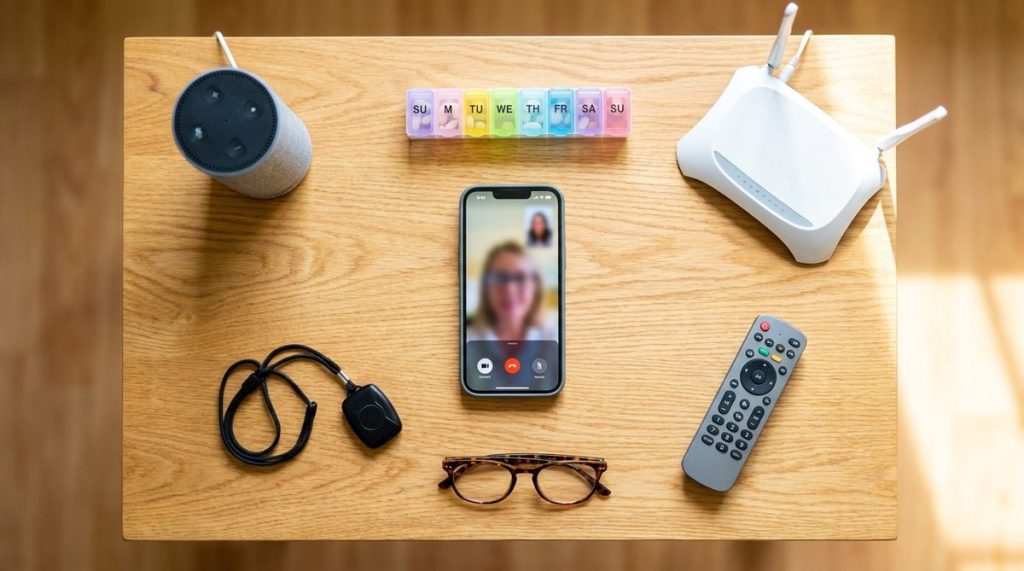
Technology has exploded in this space, and I’m genuinely excited about many of the tools available today. Voice-activated lighting, medical alert systems, smart locks, video doorbells, fall-detection wearables—these are real, meaningful additions to a safe home environment.
But I’ve noticed a troubling trend: people investing in smart home technology while skipping the physical modifications that matter most. A voice-activated assistant can turn on your bathroom light, but it can’t stop you from slipping on a wet tile floor. A fall-detection pendant can call 911 after you’ve fallen, but a properly placed grab bar can prevent the fall entirely.
Technology as a Layer, Not a Foundation
I think of aging-in-place safety as a pyramid. The base is the physical environment: flooring, grab bars, lighting, layout, and accessibility. The middle layer is behavioral—how you move through your home, what habits you maintain, how you manage clutter. Technology is the top layer, providing monitoring, convenience, and emergency response.
Skip the base, and the whole pyramid crumbles. If you’re interested in what tech actually works as that top layer, 7 Tech Devices That Help Older Adults Age in Place Safely is a solid rundown—but only after you’ve handled the fundamentals.
Myth #5: If You Can Afford Assisted Living, It’s Always Better
This is a myth I encounter from adult children more than from the older adults themselves. There’s a persistent belief that professional care facilities are inherently safer and healthier than staying at home. For some people, that’s absolutely true—particularly those with advanced dementia or complex medical needs requiring 24-hour skilled nursing.
But for the majority of older adults, the data doesn’t support the blanket assumption. A 2023 study published in the Journal of the American Geriatrics Society found that older adults who aged in place with appropriate home modifications reported higher life satisfaction, lower rates of depression, and maintained functional independence longer than matched peers who moved to assisted living facilities.
The Financial Reality
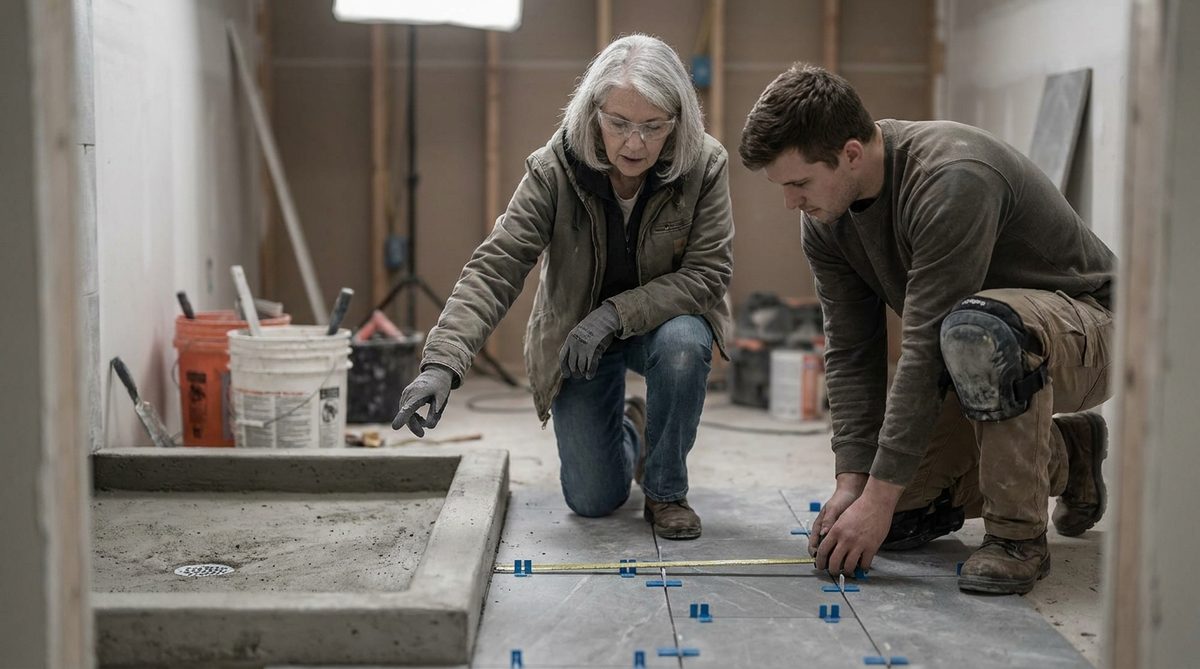
The median annual cost of assisted living in the United States reached $64,200 in 2024, according to Genworth’s Cost of Care Survey. Memory care facilities average over $90,000 per year. Meanwhile, even a comprehensive aging-in-place modification—including a bathroom remodel, first-floor bedroom addition, and smart home technology—typically ranges from $25,000 to $60,000 as a one-time investment.
That’s one year of assisted living versus a permanent home improvement that also increases property value. The math is compelling for people who are otherwise healthy and cognitively intact.
I’m not anti-assisted-living. There’s a point for many people where it becomes the right choice. But the assumption that it’s automatically better than a well-prepared home? That’s a myth that costs families real money and often goes against what the older adult actually wants.
Myth #6: Universal Design Makes Your Home Look “Medical”
This is the objection I hear most often from people who actually agree with everything else I’ve said. They understand the need, they have the budget, but they don’t want their home to look like a hospital ward. And honestly? I don’t blame them. Ten or fifteen years ago, aging-in-place products were ugly. Institutional grab bars, clunky shower seats, and fluorescent lighting dominated the market.
That era is over.
The universal design movement has completely transformed the aesthetics of accessible home features. Today’s products are designed to be desirable, not just functional. Companies like Moen, Kohler, and Delta now produce grab bars that double as towel bars and come in brushed nickel, matte black, and oil-rubbed bronze finishes. Curbless showers with linear drains are featured in luxury home magazines. Comfort-height toilets are standard in high-end new construction.
Design-Forward Examples That Surprise My Clients
- Floating vanities: They look modern and sleek while providing wheelchair or seated access.
- Pocket doors: They save space and eliminate the swing clearance problem of traditional doors, and they’re an interior design trend on their own.
- Under-cabinet LED strips: They provide critical task lighting and are a staple of contemporary kitchen design.
- Hardwood-look luxury vinyl plank: It’s slip-resistant, waterproof, forgiving on joints, and virtually indistinguishable from real wood.
When I show clients a completed project that incorporates universal design principles, most can’t identify which features were installed for accessibility and which were chosen purely for aesthetics. That’s exactly the point.
Myth #7: You Can Figure This Out Yourself With Online Research
I want to be careful here because I don’t want to discourage anyone from educating themselves. Articles like this one exist precisely to help people make informed decisions. But there’s a meaningful difference between understanding the concepts and correctly implementing them in your specific home.
Every home is different. A grab bar that needs to support up to 250 pounds of sudden force requires attachment to a wall stud, a blocking board, or appropriate anchoring hardware—and the right choice depends on your wall construction. A threshold ramp that’s too steep creates a new tripping hazard. Lighting that eliminates shadows in one bathroom configuration creates glare problems in another.
When Professional Assessment Pays for Itself
A Certified Aging-in-Place Specialist (CAPS) or occupational therapist trained in home modification can identify risks you’d never catch on your own. In my assessments, I routinely find 15 to 25 hazards that the homeowner was completely unaware of. The assessment typically costs $150 to $400, and it creates a prioritized plan that can save thousands by focusing your budget on the modifications that matter most.
The National Association of Home Builders maintains a directory of CAPS-certified professionals. Your local Area Agency on Aging can also connect you with resources, and some states offer grants or low-interest loans for qualifying modifications.
DIY is fine for some things—replacing cabinet hardware with pull handles, securing area rugs, improving light bulb wattage. But for anything involving structural attachment, bathroom modifications, or electrical work, professional installation isn’t just recommended. It’s the difference between a modification that protects you and one that gives you a false sense of security.
The Bottom Line: Good Information Is the First Modification
Aging in place is absolutely achievable for most people, but only when it’s built on accurate information rather than myths and assumptions. The biggest mistakes I see aren’t financial—they’re informational. People spend money on the wrong things, at the wrong time, or skip critical steps because they believed something that wasn’t true.
Here’s what I want you to take away from this:
- Start earlier than you think you need to—your 50s are ideal.
- Focus on the bathroom first, not the staircase.
- Physical modifications are the foundation; technology is the complement.
- Modern universal design is beautiful, not clinical.
- A professional assessment is one of the best investments you can make.
- A well-modified home often beats assisted living in safety, satisfaction, and cost.
The homes most of us live in weren’t designed for our 70s and 80s. But with the right information—and a clear-eyed rejection of the myths that keep people stuck—they absolutely can be. The aging-in-place conversation doesn’t start with a contractor’s estimate. It starts with knowing what’s actually true.
Frequently Asked Questions
How much does it cost to modify a home for aging in place?
Costs vary widely depending on the scope. Basic safety modifications like grab bars, better lighting, and lever handles can be done for $500–$1,500. Mid-range projects including a bathroom remodel and accessibility improvements typically run $10,000–$30,000. Comprehensive modifications with structural changes can reach $50,000–$75,000, though this is still often less than a single year of assisted living.
What is the most important room to modify first for aging in place?
The bathroom should almost always be your first priority. It's the most dangerous room in the home for older adults due to wet surfaces, hard fixtures, and the physical demands of bathing and toileting. Installing grab bars, non-slip flooring, and a curbless shower entry addresses the highest-risk area in most homes.
What is a Certified Aging-in-Place Specialist (CAPS)?
A CAPS professional has completed training through the National Association of Home Builders in the technical, business, and customer-service skills needed to help people modify their homes for safe, long-term living. CAPS specialists include contractors, designers, occupational therapists, and remodelers who understand both the construction and the health aspects of home modification.
Does aging in place increase or decrease home value?
Most aging-in-place modifications either maintain or increase home value, especially when they incorporate universal design principles. Features like curbless showers, wider doorways, first-floor primary suites, and improved lighting are desirable to buyers of all ages. The key is choosing upgrades that look intentional and attractive rather than institutional.
About Marcus Bell, Certified Aging-in-Place Specialist (CAPS)
Marcus Bell is a Certified Aging-in-Place Specialist (CAPS) with 14 years of experience helping American seniors create safer, more comfortable living environments. He has consulted on hundreds of home modifications — from bathroom safety upgrades to smart home installations — and writes extensively about the products, services, and strategies that help older adults live independently for longer. At Daily Trends Now, Marcus covers home improvement, aging-in-place solutions, gardening, and practical lifestyle tips for seniors.