
Why “Aging Well” Isn’t About Luck—It’s About Daily Choices
I’ve spent 18 years as a board-certified geriatric physical therapist, and if there’s one thing I can tell you with certainty, it’s this: the people who age well aren’t simply “lucky.” They’ve built small, consistent habits that compound over decades. The good news? It’s never too late to start.
A 2023 study published by the National Institute on Aging found that adults who adopted even three of five core healthy behaviors after age 60 added an average of 4.2 disability-free years to their lives. That’s not just more years—it’s more years of doing what you love, independently, in your own home.
Whether you’re 55 and feeling invincible or 78 and managing multiple chronic conditions, these five healthy habits for aging well can reshape your trajectory. I’m going to walk you through each one the way I’d coach a patient sitting across from me in the clinic—specific, practical, and encouraging.
Habit 1: Move Every Single Day (But Smarter, Not Harder)
The Minimum Effective Dose of Movement
The CDC recommends that adults 65 and older get at least 150 minutes per week of moderate-intensity aerobic activity, plus muscle-strengthening activities on two or more days. That breaks down to roughly 22 minutes a day—less time than an episode of a sitcom.
What I see most often is that people overcomplicate this. You don’t need a gym membership. You don’t need to run a 5K. You need to move your body through its full range of motion consistently, and you need to challenge your muscles enough that they don’t wither.
What “Smart Movement” Actually Looks Like After 60
In my practice, I build movement plans around four pillars. Think of them as the four legs of a chair—remove one, and the whole thing tips over:
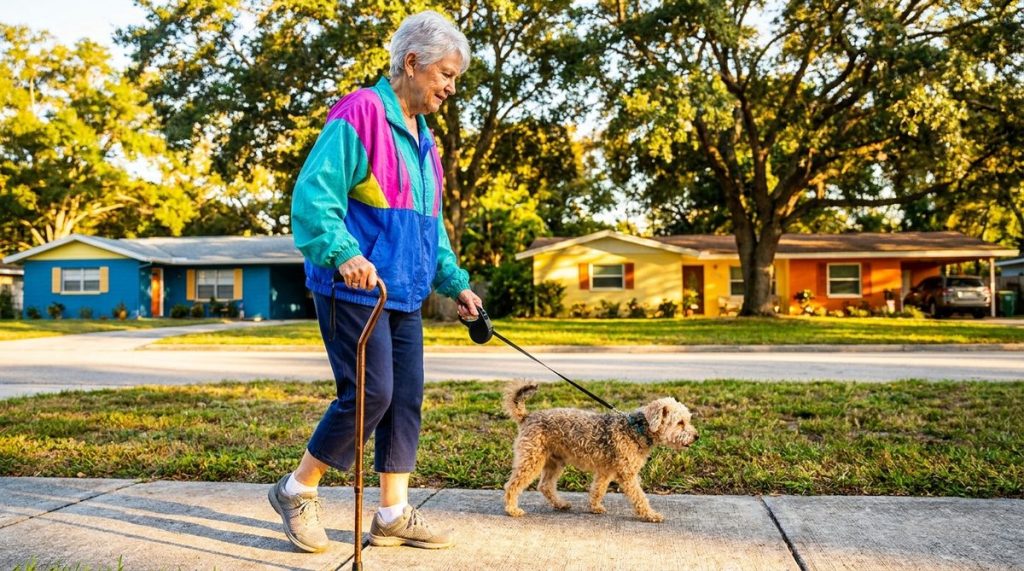
- Aerobic conditioning: Brisk walking, swimming, cycling, or even vigorous gardening. Aim for a pace where you can talk but not sing.
- Strength training: Bodyweight squats, resistance bands, light dumbbells, or even carrying groceries. Two to three sessions per week is the sweet spot.
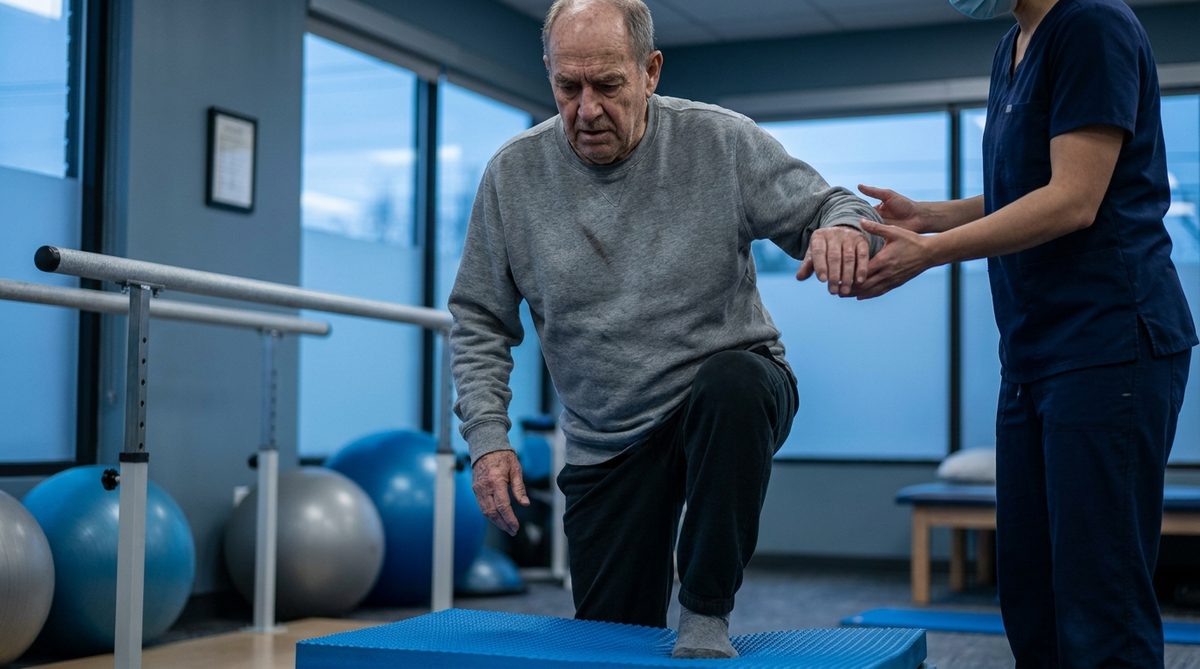
- Balance work: Single-leg stands, tandem walking (heel-to-toe), tai chi. This is the most overlooked pillar, and it’s the one that prevents the falls I see devastating my patients’ independence.
- Flexibility and mobility: Gentle stretching, yoga, or even five minutes of joint circles each morning. Stiff joints aren’t inevitable—they’re undertrained.
If you’re just getting started, begin with 10-minute walks after meals. A 2022 study in Sports Medicine found that post-meal walks of just 10 minutes significantly improved blood sugar regulation in older adults with type 2 diabetes. That’s a massive return on a tiny investment of time.
The Fall Prevention Piece That Gets Ignored
Every year, one in four Americans aged 65 and older experiences a fall, according to the CDC. Falls are the leading cause of injury-related death in that age group. Yet most of my patients have never been formally assessed for fall risk before they show up in my clinic—usually after a fall has already happened.
I often tell my patients: “Balance is a skill, not a trait. You can train it.” Start by standing on one foot while brushing your teeth. Progress to standing on a pillow. Work up to tandem walking down your hallway. These micro-exercises take seconds and can be life-saving. For a deeper look at making your home environment safer, check out How to Set Up Your Home to Age in Place for Under $1,500.
Habit 2: Prioritize Protein and Hydration Like Your Independence Depends on It (Because It Does)
The Protein Crisis Nobody Talks About
After age 50, you lose roughly 1% to 2% of your muscle mass per year if you’re not actively fighting it. By 70, that can mean 20% to 40% less muscle than you had at your peak. This condition—sarcopenia—is a direct threat to your ability to live independently.
The antidote is twofold: strength training (covered above) and adequate protein. The current Recommended Dietary Allowance of 0.8 grams of protein per kilogram of body weight was set for young, sedentary adults. Research from the Mayo Clinic and multiple geriatric nutrition studies now suggest that older adults need 1.0 to 1.2 grams per kilogram per day—and up to 1.5 grams if you’re recovering from illness or actively strength training.
For a 160-pound person, that’s roughly 73 to 87 grams of protein daily. Here’s what that looks like in real food:
- Three eggs at breakfast: ~18 grams
- A palm-sized portion of chicken at lunch: ~25 grams
- A cup of Greek yogurt as a snack: ~15 grams
- A serving of fish at dinner: ~22 grams
That’s 80 grams without trying too hard. The key is distributing protein across every meal rather than loading it all into dinner, which is what most Americans do. Your body can only use about 25 to 40 grams per meal for muscle protein synthesis, so spreading it out matters.
For a more comprehensive nutrition approach from a registered dietitian’s perspective, I’d recommend reading Healthy Aging Habits for Seniors: A Dietitian’s Deep Dive.
Dehydration: The Silent Saboteur
Dehydration in older adults is alarmingly common and frequently misdiagnosed. As you age, your thirst sensation weakens—your body literally stops telling you it needs water as effectively as it once did. Chronic low-grade dehydration contributes to urinary tract infections, confusion (often mistaken for early dementia), dizziness, and falls.
My practical rule: keep a 32-ounce water bottle visible and aim to finish it twice a day. If plain water feels boring, add sliced cucumber, lemon, or a handful of frozen berries. Herbal teas count. Coffee counts toward hydration more than most people think, though I’d cap it at two to three cups to avoid sleep disruption.
Habit 3: Guard Your Sleep Like a Prescription Medication
Why Sleep Architecture Changes After 60
One of the most common complaints I hear from patients over 60 is: “I just can’t sleep like I used to.” There’s a physiological reason for that. As you age, you spend less time in deep slow-wave sleep and your circadian rhythm shifts earlier—which is why you might find yourself wide awake at 4:30 a.m.
But here’s what concerns me as a clinician: poor sleep directly accelerates muscle loss, impairs balance, increases fall risk, worsens chronic pain, and raises inflammation markers linked to cardiovascular disease. A 2023 meta-analysis in Sleep Medicine Reviews found that adults over 60 who slept fewer than six hours nightly had a 36% higher risk of all-cause mortality compared to those sleeping seven to eight hours.
Practical Sleep Strategies That Actually Work
I’m not going to tell you to “just relax.” Here are the strategies I’ve seen make a measurable difference with my geriatric patients:
- Anchor your wake time. Getting up at the same time every day—yes, even weekends—is more powerful than any sleep supplement. Your circadian clock relies on consistency.
- Get morning sunlight within 30 minutes of waking. Even 10 minutes of outdoor light exposure resets your melatonin cycle more effectively than any pill.
- Limit daytime naps to 20 minutes before 2 p.m. Longer naps steal from nighttime sleep quality.
- Create a cool, dark bedroom. Ideal sleeping temperature is 65°F to 68°F. Blackout curtains are a worthwhile investment.
- Address pain before bed. If arthritis or back pain wakes you up, talk to your doctor about timing your anti-inflammatory medication to peak during sleeping hours. A supportive pillow between or under your knees can also reduce nighttime discomfort significantly.
If you’ve tried these strategies for four weeks and still struggle, bring it up with your primary care provider. Sleep apnea affects roughly 56% of adults over 65, according to the American Academy of Sleep Medicine, and it’s vastly underdiagnosed.
Habit 4: Stay Socially Connected—Your Brain and Body Need It
Loneliness Is a Clinical Risk Factor
This might surprise you coming from a physical therapist, but I spend a significant amount of time asking my patients about their social lives. Here’s why: the U.S. Surgeon General’s 2023 advisory on loneliness found that prolonged social isolation carries health risks equivalent to smoking 15 cigarettes a day. It increases the risk of dementia by 50% and the risk of heart disease by 29%.
In my 18 years of clinical experience, I’ve watched patients who have strong social connections recover from hip fractures in half the time of those who are isolated. The mechanism isn’t mysterious—social engagement drives motivation, cognitive stimulation, physical activity, and adherence to medical recommendations.
Building Connection Without Overhauling Your Life
You don’t need to become a social butterfly. You need consistent, meaningful interaction with other humans. Here are approaches I’ve seen work for my patients:
- Walking groups: Combine Habit 1 and Habit 4 in one activity. Many local recreation departments and senior centers organize free walking groups.
- Volunteer work: Even two hours a week of volunteering has been linked to lower depression rates and higher life satisfaction in adults over 65.
- Faith communities or civic organizations: Regular attendance at any community gathering provides built-in social structure.
- Intergenerational contact: Spending time with grandchildren, mentoring younger people, or even tutoring at a local school keeps your perspective fresh and your purpose sharp.
- Phone calls over texting: Hearing another person’s voice activates different neurological pathways than reading text on a screen. A 10-minute phone call with a friend three times a week can meaningfully reduce feelings of isolation.
One caveat I always mention: as you build your social life online, stay vigilant about digital safety. Scammers increasingly target older adults through social media and email. Take a few minutes to read Online Scams Targeting Older Adults: How to Protect Yourself so you can stay connected without becoming vulnerable.
Habit 5: Become an Active Partner in Your Medical Care
Stop Being a Passive Patient
What I see most often is that older adults—especially those managing multiple chronic conditions—become passive recipients of their healthcare. They take the medications they’re given, attend the appointments they’re scheduled, and rarely question the plan. But recent research is revealing that some long-standing medical routines may not be necessary or even beneficial for older adults.
A 2024 analysis in the Journal of the American Geriatrics Society highlighted that many adults over 75 continue receiving cancer screenings, taking daily aspirin, and undergoing annual comprehensive blood panels that provide little benefit and sometimes cause harm at their age. The concept of “deprescribing”—safely reducing or eliminating unnecessary medications—is gaining traction in geriatric medicine, and for good reason.
I’m not suggesting you ignore your doctor. I’m suggesting you engage with your doctor differently.
Questions Every Older Adult Should Ask at Every Appointment
Bring a notebook (or a family member who can take notes) and ask these questions at every medical visit:
- “Is this test or medication still necessary given my age and overall health goals?”
- “What are the risks of continuing this treatment versus stopping it?”
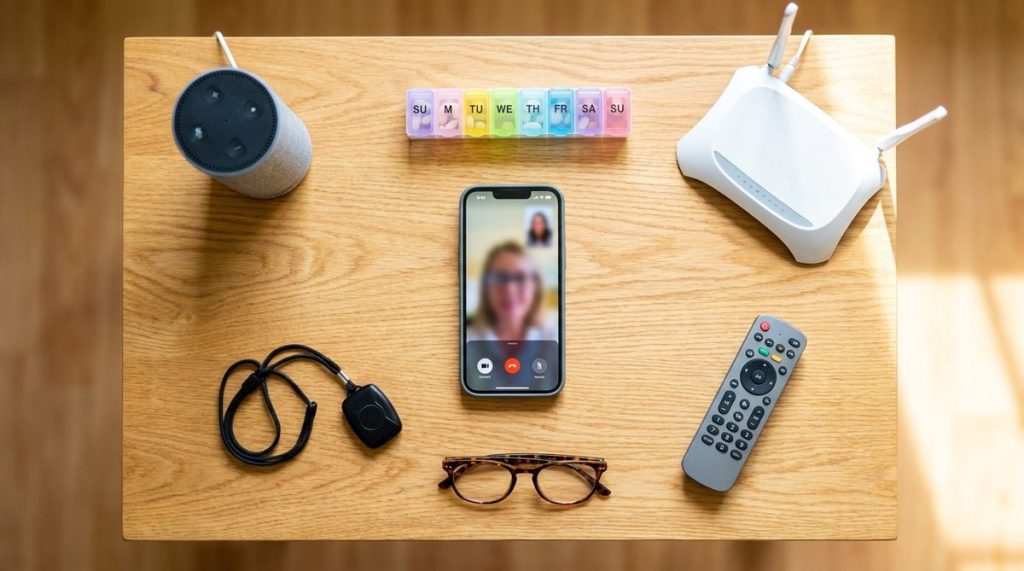
- “Are any of my current medications interacting with each other?”
- “What’s the single most impactful thing I can do between now and my next visit?”
- “Should I be seeing any specialists I’m not currently seeing—like a physical therapist, dietitian, or geriatrician?”
Medicare covers an Annual Wellness Visit that’s specifically designed for preventive planning, and it’s separate from a regular checkup. Many of my patients don’t even know it exists, which means they’re leaving a free, comprehensive health review on the table every year.
Build Your Healthcare Team Intentionally
Your primary care physician is the quarterback, but your healthcare team should include other specialists based on your individual needs. As a geriatric physical therapist, I obviously advocate for PT—but the evidence backs me up. A National Institute on Aging review found that physical therapy interventions reduce fall risk by up to 40% in community-dwelling older adults.
Consider whether your team should include a geriatrician (especially if you’re managing three or more chronic conditions), a registered dietitian, a pharmacist who can do a comprehensive medication review, and a mental health professional if you’re navigating grief, depression, or anxiety. These aren’t luxuries—they’re force multipliers for your health.
Putting It All Together: Your First Two Weeks
I understand that five habits can feel overwhelming when you read them all at once. So here’s how I’d coach you if you were sitting in my clinic today: don’t try everything simultaneously. Layer one habit at a time.
Week 1 focus: Add a 10-minute post-meal walk after lunch and increase your protein at breakfast. That’s it. Two small changes.
Week 2 focus: Set a consistent wake-up time and call one friend or family member you haven’t spoken to in a while.
By the end of two weeks, you’ve touched four of the five habits without upending your routine. In week three, schedule that Annual Wellness Visit or request a medication review. Momentum builds on itself.
The Bigger Picture: Aging in Place Starts With Your Body
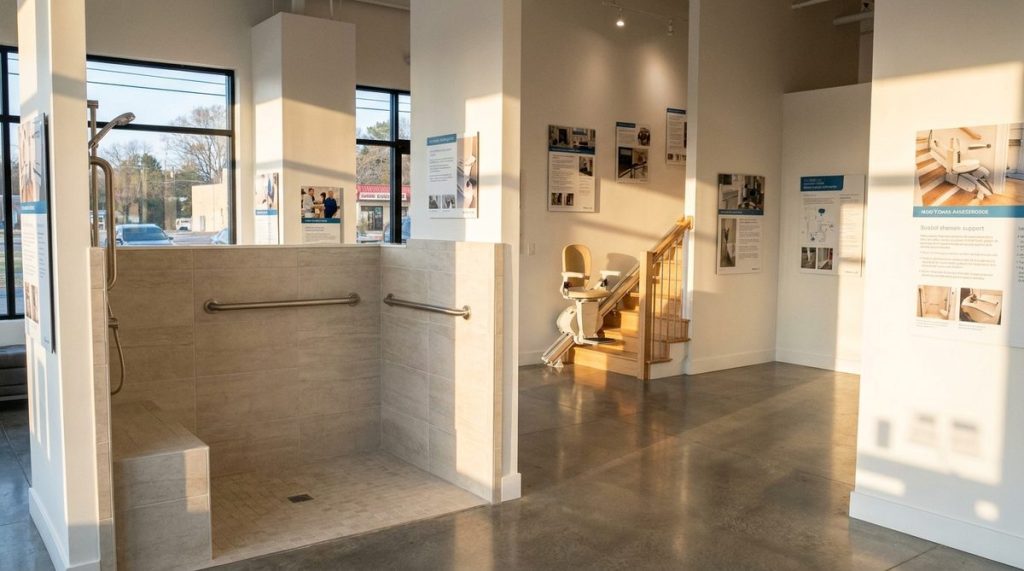
According to AARP’s 2024 Home and Community Preferences Survey, 77% of adults 50 and older want to remain in their current home as they age. But wanting to age in place and being physically capable of aging in place are two very different things. If you can’t get up from a chair without using your arms, navigate stairs safely, or recover your balance after a stumble, your home becomes a liability rather than a haven.
That gap between desire and reality is exactly what these five habits address. Movement builds the strength and balance you need. Nutrition preserves the muscle that keeps you functional. Sleep restores the systems that keep you sharp. Social connection gives you reasons to stay engaged. And proactive medical care catches problems before they become crises.
If aging in place is your goal—and for most of my patients, it is—then I’d strongly recommend reading Aging in Place: Why Most Seniors Want It but Few Plan for It for a deeper dive into the planning side of this equation.
Your Future Self Will Thank You
I’ll leave you with something I tell nearly every patient on their first visit: the best time to start building healthy aging habits was 20 years ago. The second-best time is today. Every squat you do, every glass of water you drink, every hour of sleep you protect, every conversation you have with a friend—these are deposits into an account that will pay dividends for the rest of your life.
You don’t need to be perfect. You need to be consistent. And you need to start now. Pick one habit from this list, commit to it for two weeks, and then add another. That’s not just advice from a textbook—it’s what I’ve watched work, thousands of times, in real people just like you.
About Michael Torres, DPT, Board-Certified Geriatric Specialist
Michael Torres is a Doctor of Physical Therapy and board-certified geriatric clinical specialist with 18 years of experience working with older adults. He has treated thousands of seniors recovering from hip replacements, managing arthritis, rebuilding strength after hospitalizations, and preventing dangerous falls. At Daily Trends Now, Michael writes practical guides on exercises, mobility, pain management, and the physical strategies that help seniors stay strong and independent.