
The Aging in Place Conversation Is Full of Bad Advice
Nearly 90% of adults over 65 want to stay in their own homes as they age, according to AARP. That number has held remarkably steady for over a decade. But wanting to age in place and actually doing it safely and affordably are two very different things.
Over the past 16 years, coverage of lifestyle and active aging topics has documented well-meaning myths about aging in place steering people into expensive mistakes, dangerous delays, and unnecessary moves to assisted living. The misinformation isn’t always obvious—it often sounds like common sense. That’s what makes it so costly.
This article unpacks seven of the most persistent aging in place myths, replaces them with evidence, and gives you a clear action plan. Whether you’re 52 and planning ahead or 74 and making changes right now, these truths can save you thousands of dollars and years of independence.
Myth #1: Aging in Place Modifications Are Only for People With Disabilities
This is the single most damaging misconception seen repeatedly. Families wait until a fall, a hip replacement, or a diagnosis before they even consider grab bars, wider doorways, or zero-threshold showers. By that point, they’re making emergency decisions under stress—and paying rush-job prices.
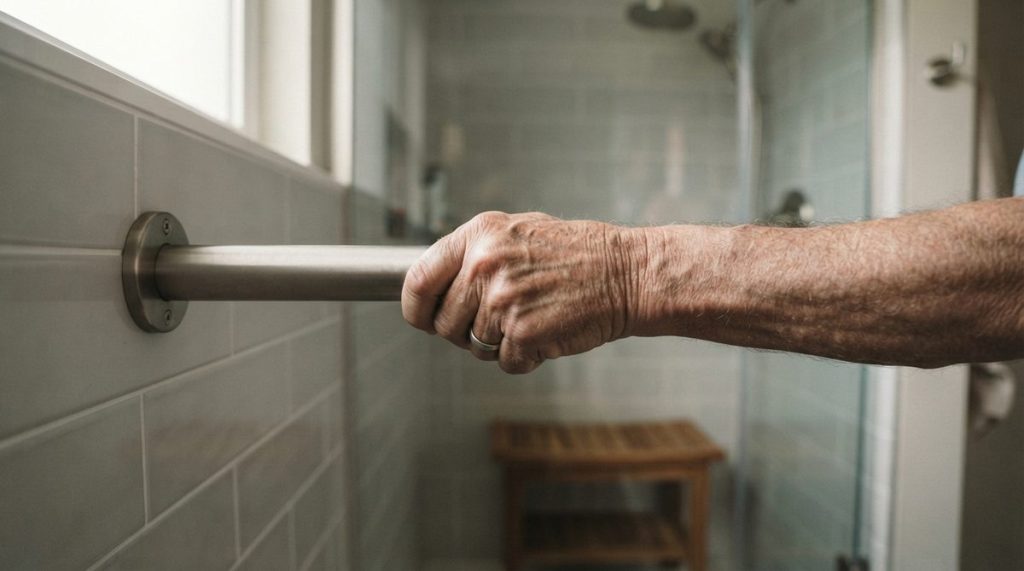
The National Council on Aging reports that one in four Americans aged 65 and older falls each year, and falls are the leading cause of injury-related death in that age group. Preventive modifications aren’t a sign of frailty. They’re a sign of intelligence.
The best time to install a walk-in shower isn’t after you slip in a tub. It’s during your next bathroom remodel, when the cost is a rounding error on the project. A zero-threshold shower entry adds roughly $800–$1,500 during a planned renovation. After a fall, when you need it done in days instead of weeks, that figure can triple.
For a deeper look at specific modifications and their real-world costs, check out Aging-in-Place Design Features Every Homeowner Should Know.
Myth #2: It’s Cheaper to Just Move to a Senior Community
This myth persists because people compare the wrong numbers. You might look at a $3,000-per-month independent living community and compare it to your paid-off mortgage—zero dollars—and think your home is free. But you’re forgetting maintenance, property taxes, and utilities.
The real comparison, though, is even more lopsided than it appears. The median cost of assisted living in the United States hit $5,350 per month in 2023, according to Genworth’s Cost of Care survey. That’s $64,200 annually. A memory care facility averages $6,200 or more monthly.
Meanwhile, a comprehensive aging in place renovation—grab bars throughout, a stairlift, a walk-in tub or barrier-free shower, improved lighting, lever-style door handles, and a smart home monitoring system—typically runs $20,000 to $50,000 total. Not annually. Total. Even at the high end, you’d recoup that investment in under a year compared to assisted living costs.
Of course, there’s a point where medical needs genuinely require 24-hour professional care. But for the vast majority of adults between 55 and 80, strategic home modifications extend independent living by years—sometimes decades.
Myth #3: Grab Bars and Ramps Make Your Home Look “Institutional”
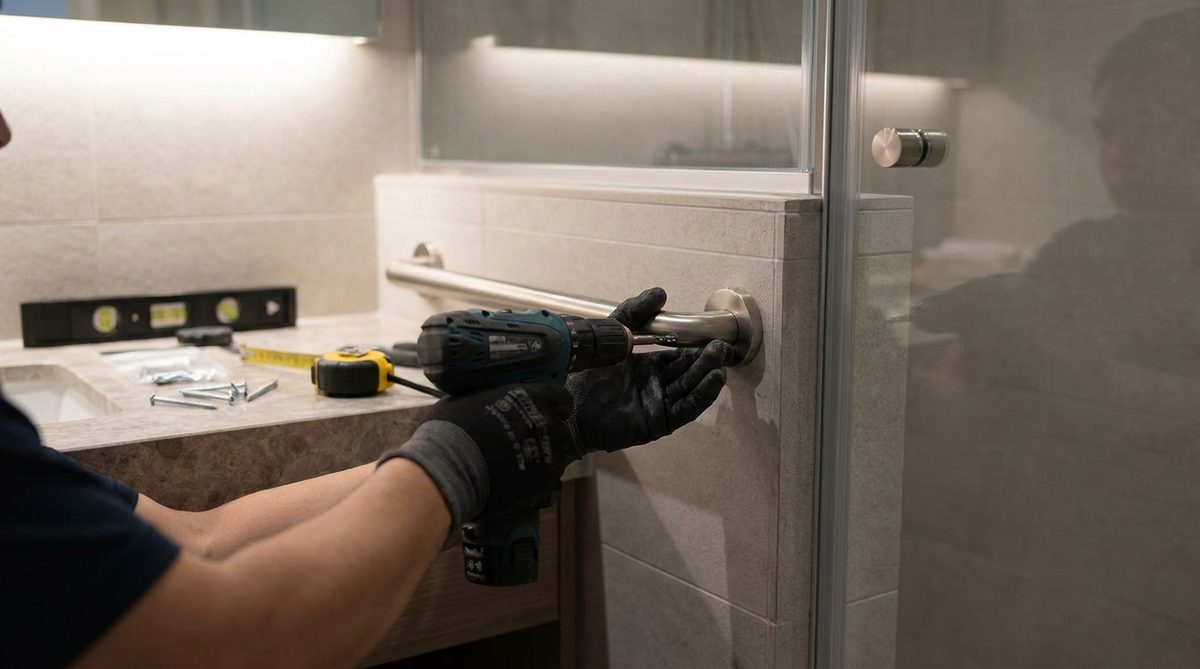
If your mental image of a grab bar is a cold steel rail bolted to a hospital-green tile wall, that resistance is understandable. That image is about 20 years out of date.
Today’s universal design products are often indistinguishable from standard luxury fixtures. Better Homes & Gardens has featured aging in place bathrooms that look like high-end spa retreats. Moen, Kohler, and Delta all manufacture grab bars that double as towel bars, shelving supports, and decorative accents in finishes like brushed gold, matte black, and oil-rubbed bronze.
Ramps have had a similar makeover. Modular aluminum ramps with powder-coated finishes and integrated handrails look like intentional architectural features, not afterthoughts. Some homeowners are replacing front steps entirely with gently graded walkways landscaped with stone and native plantings—eliminating the need for a ramp at all.
The design industry calls this “visitability,” and it’s becoming a selling point, not a stigma. Homes with universal design features appeal to a wider range of buyers, including young families with strollers and anyone recovering from a temporary injury. These upgrades often actually increase resale value.
Myth #4: Smart Home Technology Is Too Complicated for Older Adults
The assumption that people over 60 can’t learn new technology ignores the 73% of Americans aged 50–64 who own smartphones and the 61% of those 65 and older who do, per Pew Research Center’s 2024 data.
Modern aging in place technology is specifically designed for simplicity. Voice-activated systems like Amazon Alexa and Google Home let you control lights, locks, thermostats, and medication reminders without touching a screen. Medical alert systems have evolved far beyond the “I’ve fallen and I can’t get up” pendant—today’s devices include automatic fall detection, GPS tracking, and two-way communication built into a wristwatch.
Smart doorbells show you who’s at the door without getting up. Smart plugs turn off forgotten appliances. Water leak sensors alert you before a burst pipe causes $10,000 in damage. These aren’t gadgets for tech enthusiasts. They’re practical safety tools.
If you’re curious about setting up technology without overwhelm, our guide on Aging in Place Tech Guide: Set Up Your Smart Home Safely walks through every step without jargon.
Myth #5: You Only Need to Modify the Bathroom
Bathrooms get all the attention in aging in place discussions, and for good reason—they’re where most home falls occur. But limiting your thinking to the bathroom creates blind spots that can be just as dangerous.
The National Institute on Aging identifies several high-risk areas throughout the home, including staircases, kitchens, bedrooms, and exterior walkways. Here’s what a truly comprehensive aging in place assessment covers:
Kitchen
Pull-out shelving, countertop-height microwaves, lever-handled faucets, anti-scald valves, and task lighting under cabinets. A kitchen fall or burn is just as debilitating as a bathroom fall.
Bedroom
A first-floor bedroom option eliminates stair dependency entirely. Adjustable bed frames, motion-activated night lights along the path to the bathroom, and lowered closet rods all reduce strain and fall risk.
Entryways and Exterior
Well-lit pathways, non-slip surfaces on porches and steps, keyless entry locks, and covered entries that prevent ice accumulation in northern climates. If you can’t get safely into your home, nothing you’ve done inside matters.
Flooring Throughout
Area rugs are fall traps. Either remove them or secure them with industrial-grade double-sided tape. Transition strips between rooms should be flush-mounted, not raised. Luxury vinyl plank flooring offers both slip resistance and cushioning impact better than hardwood or tile.
Myth #6: Medicare Will Pay for Home Modifications
This would be convenient. It is not—at least not in the way most people expect.
Original Medicare (Parts A and B) does not cover home modifications like grab bars, ramps, stairlifts, or bathroom remodels. Period. Some Medicare Advantage plans (Part C) have begun offering limited home safety benefits—typically a modest annual allowance of $500 to $2,500 for specific items—but coverage varies wildly by plan and region.
Medicaid waiver programs in some states do cover home modifications for qualifying low-income seniors, but waiting lists can stretch months or years. Veterans may qualify for the VA’s Specially Adapted Housing grant or the Home Improvements and Structural Alterations (HISA) program, which provides up to $6,800 for service-connected disabilities.
Here’s what actually helps most people fund aging in place modifications:
- Check your Medicare Advantage plan’s supplemental benefits. Call the number on your card and ask specifically about “home safety” or “home modification” benefits. These change annually, so ask even if you checked last year.
- Contact your state’s Area Agency on Aging. Many administer USDA Rural Development grants or Community Development Block Grants that fund accessibility modifications for homeowners over 62.
- Explore the FHA 203(k) rehabilitation loan. If you’re refinancing or purchasing, this lets you roll modification costs into your mortgage at favorable rates.
- Deduct medical-necessity modifications on your taxes. If a doctor prescribes a home modification (stairlift, ramp, walk-in tub) as medically necessary, the cost exceeding 7.5% of your adjusted gross income may be deductible. Consult a tax professional.
- Get three contractor quotes, not one. Aging in place modification quotes can vary by 40% or more for identical work. The lowest bid isn’t always best, but competition keeps everyone honest.
- Prioritize high-impact, low-cost changes first. Grab bars ($30–$50 each installed), lever door handles ($15–$25 each), improved lighting ($100–$300 per room), and removing trip hazards ($0) collectively deliver enormous safety returns for under $1,000.
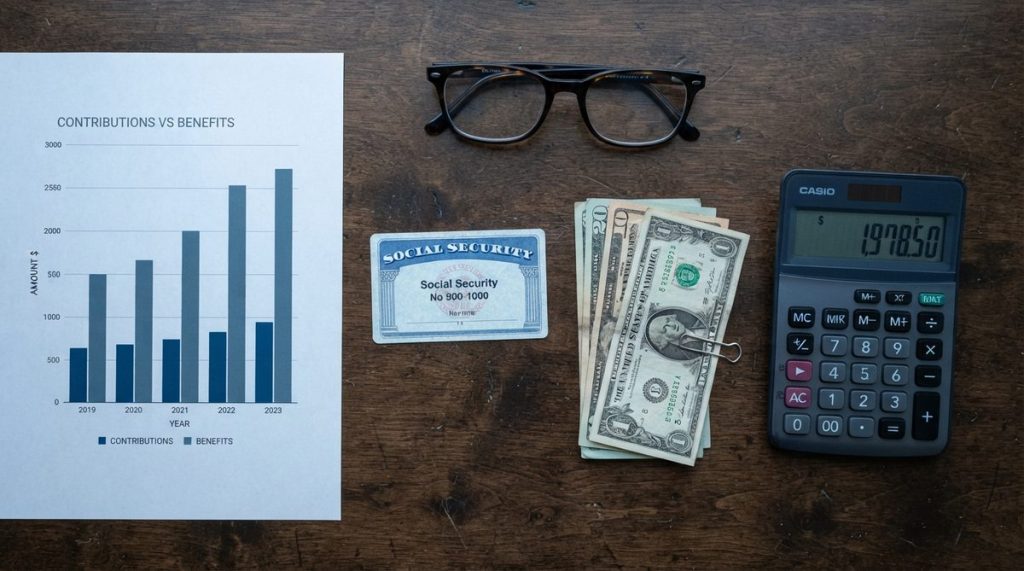
With healthcare costs outpacing Social Security adjustments—a gap we covered in Retirees Need 7.7% More for Healthcare but COLA Gives 2.16%—being strategic about where your modification dollars go matters more than ever.
Myth #7: Aging in Place Means Aging Alone
This might be the most harmful myth of all, because it convinces people that staying home equals isolation. Some families pressure loved ones into senior communities not because the home is unsafe, but because they worry about loneliness.
That concern isn’t baseless—social isolation is a genuine health risk linked to higher rates of dementia, heart disease, and depression. But the solution isn’t necessarily a change of address. It’s a change of routine.
Community centers, faith organizations, volunteer programs, part-time work, online communities, and regular scheduled social engagements can all be woven into a life lived independently at home. Technology helps here too: video calling, social media groups for specific interests, and virtual classes from local colleges and libraries make connection possible without leaving the house on days when mobility is limited.
The Village movement—a national network of community-based organizations that help older adults age in place through volunteer services, social programming, and resource sharing—now operates in over 350 communities across the United States. Membership typically costs $300–$600 annually and includes transportation, home repair help, social events, and wellness checks.
Aging in place works best when it’s paired with intentional social investment. For more on the mindset and lifestyle factors that separate those who thrive from those who merely survive at home, read Aging in Place: Why Mindset and Nutrition Decide Who Thrives.
The Truth That Ties It All Together
Every one of these myths shares a common thread: they assume aging in place is reactive—something you scramble to figure out after a crisis. The truth is that aging in place is most successful, most affordable, and most safe when it’s proactive.
A 55-year-old who installs lever handles, adds a first-floor bathroom, and improves lighting during a routine renovation isn’t “preparing for decline.” They’re making a smart investment in a home that will serve them well for 30 more years—and likely sell for more when the time comes.
A 70-year-old who joins a Village network, sets up a medical alert watch, and asks a contractor to assess their home isn’t giving up independence. They’re protecting it.
Over 16 years of writing about these topics, the people who age in place most successfully share one trait: they started planning before they had to. Don’t let myths make you wait.