
5 Trump Administration Changes Are Hurting Social Security Retirees Right Now
If you’re one of the roughly 68 million Americans who depend on Social Security, you may have already felt the impact of recent federal policy shifts. Several Trump administration changes hurting Social Security retirees have been rolling out quietly — and many seniors don’t realize how directly they’re affected until it’s too late.
From staffing cuts at the Social Security Administration to new verification requirements, these changes are creating longer wait times, increased confusion, and real financial hardship for older Americans. Let’s break down the five most significant changes and what you can do to protect yourself.
1. Massive Staffing Cuts at the Social Security Administration
Perhaps the most immediately felt change has been the dramatic reduction in workforce at the Social Security Administration (SSA). Through a combination of early retirement buyouts, hiring freezes, and layoffs connected to the Department of Government Efficiency (DOGE) initiative, the SSA has lost thousands of employees since early 2025.
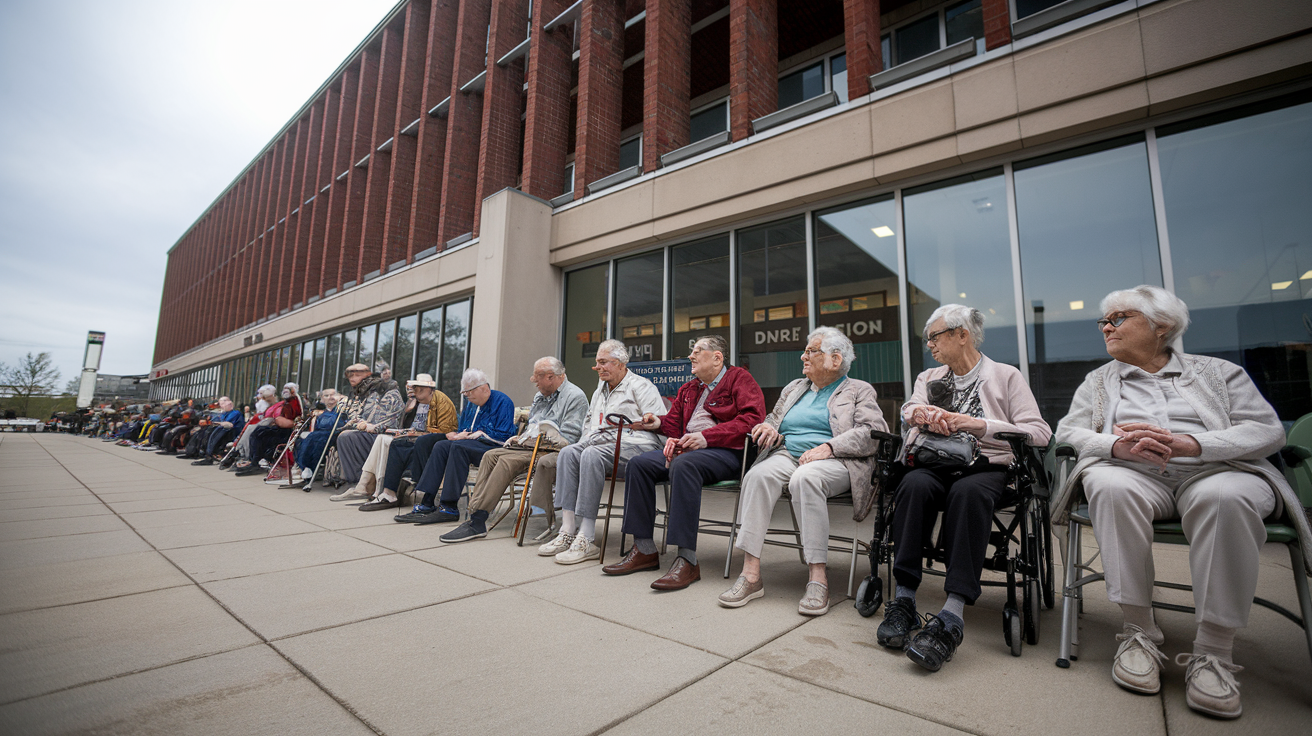
For retirees, this means one thing: longer wait times. Seniors are now reporting hold times of over two hours when calling the SSA’s toll-free number. In-person appointments at local field offices — which many older adults rely on because they’re less comfortable with online systems — are being scheduled weeks or even months out.
If you need to resolve a payment issue, update your information, or apply for benefits, you may face significant delays. Experts recommend calling early in the morning on Wednesdays and Thursdays, which historically have shorter wait times.
2. New Identity Verification Requirements Causing Benefit Delays
The administration has introduced stricter identity verification protocols for Social Security recipients, reportedly aimed at reducing fraud. While combating fraud is a worthy goal, the rollout has been rocky for legitimate beneficiaries.
Some retirees have reported their benefits being temporarily suspended while they verify their identity — a process that can take weeks given the staffing shortages mentioned above. Others have been required to appear in person at field offices, which is especially difficult for homebound seniors or those living in rural areas where offices have reduced hours.
If you receive a notice about identity verification, don’t ignore it. Act immediately and keep copies of all correspondence. You can also check your benefit status through your my Social Security account online.

3. The 2.8% COLA Increase Isn’t Keeping Up With Real Costs
The SSA announced a 2.8 percent cost-of-living adjustment (COLA) for 2026, which sounds like good news on the surface. But for millions of seniors, this increase barely scratches the surface of their actual rising expenses.
The COLA is calculated using the Consumer Price Index for Urban Wage Earners (CPI-W), which doesn’t accurately reflect what seniors actually spend their money on — namely healthcare, prescription drugs, and housing. These categories have seen price increases far exceeding 2.8 percent in many parts of the country.
As we’ve reported, inflation is retirees’ greatest enemy, and the gap between the official COLA and real-world senior expenses continues to widen. The average monthly Social Security check in early 2026 sits around $1,976 — and for many, it’s simply not enough.
The Trump administration has not signaled any support for changing how the COLA is calculated, despite bipartisan proposals in Congress to switch to the CPI-E (Consumer Price Index for the Elderly), which better tracks senior spending patterns.
4. Proposed Changes to Disability and Survivor Benefits Reviews
Another area where Trump administration changes are hurting Social Security recipients involves increased continuing disability reviews (CDRs) and more frequent eligibility checks for survivor benefits. The administration has directed the SSA to ramp up these reviews as a cost-saving measure.
While these reviews have always been part of the system, the increased frequency — combined with fewer staff to process them — is creating a perfect storm. Seniors receiving disability benefits or survivor benefits from a deceased spouse are finding themselves caught in bureaucratic limbo, sometimes going weeks without payments while their cases are reviewed.
For many older Americans, these benefits aren’t supplemental income — they’re the only income. Even a brief disruption can mean missed rent payments, skipped medications, or choosing between food and utilities. If you’re affected, contact your local Consumer Financial Protection Bureau office for assistance navigating benefit disputes.
5. Closure and Consolidation of Local SSA Field Offices
The fifth major change involves the quiet closure and consolidation of Social Security field offices across the country. As part of broader federal cost-cutting efforts, several offices have already reduced their hours, and some have closed entirely.
This disproportionately impacts seniors in rural communities who may not have reliable internet access or transportation to travel to the next nearest office. For these retirees, a local SSA office isn’t a convenience — it’s a lifeline.
According to Investopedia, the SSA’s field office network has been shrinking for years, but the pace of closures has accelerated under the current administration’s efficiency mandate. Advocacy groups for older Americans are pushing back, but so far, no reversal has been announced.
What Seniors Can Do to Protect Their Benefits
While these changes may feel overwhelming, there are concrete steps you can take to safeguard your Social Security benefits:
- Create or update your my Social Security account at ssa.gov so you can monitor your benefits online without relying on phone calls or office visits.
- Keep all SSA correspondence and respond to any requests for information immediately to avoid benefit disruptions.
- Document everything. Write down the date, time, and name of anyone you speak with at the SSA.
- Contact your congressional representative if you experience prolonged benefit delays. Congressional inquiries can sometimes expedite stalled cases.
- Stay informed about upcoming changes. We’ve outlined the most important updates in our guide to Social Security changes in 2026 that seniors must know.
The Bigger Picture: Protecting Your Retirement in Uncertain Times
These Trump administration changes hurting Social Security come at a time when many retirees are already stretched thin. With inflation eroding purchasing power and savings accounts dwindling, the stakes couldn’t be higher.
Recent surveys show that older adults are depleting retirement savings faster than expected due to inflation, making Social Security benefits more critical than ever. For the average retiree, Social Security represents about 40 percent of total retirement income — and for lower-income seniors, it’s often 90 percent or more.
The Trump administration maintains that these changes are necessary to reduce waste, fraud, and inefficiency. But for the millions of seniors navigating longer wait times, suspended benefits, and shuttered offices, the human cost is very real.
Stay Informed and Stay Protected
The best defense against these disruptions is knowledge. Bookmark this page, sign up for updates from the SSA, and don’t hesitate to reach out for help when you need it. You’ve earned these benefits — and you deserve to receive them without unnecessary obstacles.
We’ll continue to track these changes and bring you the most up-to-date information as policies evolve. Your financial security matters, and at Daily Trends Now, we’re committed to keeping you informed every step of the way.