
Why Retirees Fear Tariff-Driven Inflation Is Eating Away at Their Nest Eggs
If you’ve noticed your grocery bills climbing, your prescription costs creeping up, or your monthly budget feeling tighter than it did just a year ago, you’re not imagining things. Across the country, retirees fear tariff-driven inflation is quietly draining the savings they spent decades building — and a growing body of evidence suggests those fears are well-founded.
A recent nationwide survey found that older Americans on fixed incomes are among the most vulnerable to the ripple effects of trade tariffs, which raise prices on imported goods ranging from food and clothing to medical devices and household essentials. For seniors who rely primarily on Social Security and retirement accounts, even modest price increases can throw a carefully planned budget into disarray.
What’s Behind the Tariff-Driven Inflation Hitting Seniors?
Tariffs are essentially taxes imposed on imported goods. When the U.S. places tariffs on products from countries like China, Mexico, or members of the European Union, the added cost rarely stays with the importer. Instead, it gets passed along the supply chain — and ultimately lands on the consumer’s receipt.
For working-age Americans, rising prices are painful but often manageable through salary negotiations or career changes. For retirees living on fixed incomes, however, there is no such flexibility. When the cost of everyday items rises 5%, 10%, or more, it comes directly out of savings that were supposed to last another 20 or 30 years.
According to Investopedia, tariff-driven inflation differs from traditional inflation because it can spike suddenly after new trade policies take effect, giving consumers and financial planners little time to adjust. This unpredictability is what makes it especially dangerous for retirees.

The Numbers Tell a Troubling Story
A Nationwide Retirement Institute survey revealed that more than 70% of retirees express concern that inflation — amplified by tariffs — will force them to deplete their retirement savings earlier than expected. Nearly half of respondents said they’ve already made cuts to their monthly spending, including reducing dining out, delaying home repairs, and even skipping doses of medication to save money.
These aren’t abstract statistics. They represent real people — your neighbors, your friends, perhaps even you — who did everything right. They saved, they planned, and they retired with confidence. Now, forces entirely outside their control are reshaping the financial landscape beneath their feet.
As we previously reported, inflation is draining retirement savings faster than expected, and the addition of tariff pressures is only accelerating that trend.
How Social Security’s 2026 COLA Factors In
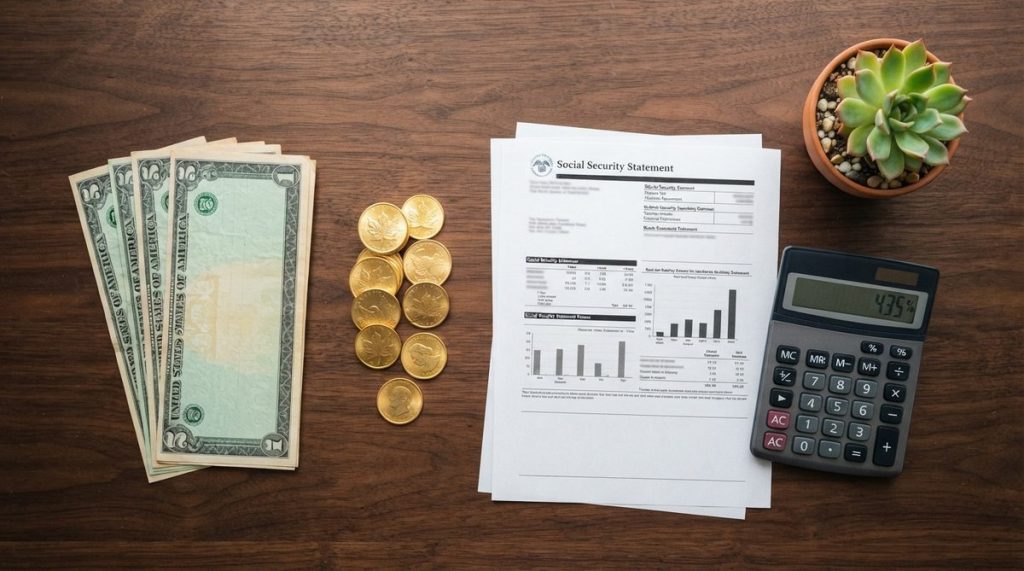
There is a sliver of good news. The Social Security Administration has announced a 2.8% cost-of-living adjustment (COLA) for 2026, which will modestly increase monthly benefit checks. For the average retiree receiving around $1,900 per month, that translates to roughly $53 more each month.
But here’s the problem: if the actual cost of goods and services rises by more than 2.8% due to tariff-driven inflation, that COLA increase is effectively wiped out. Many economists argue that the Consumer Price Index used to calculate COLA doesn’t fully capture the spending patterns of seniors, who tend to spend more on healthcare, housing, and food — categories hit hardest by tariff-related price hikes.
For a deeper breakdown of what the 2026 adjustment means for your benefits, read our full report on the Social Security 2.8% increase for 2026 and what seniors must know.
Which Everyday Costs Are Rising the Most?
Retirees fear tariff-driven inflation for good reason — it touches nearly everything in daily life. Here are the categories where seniors are feeling the greatest impact:
- Groceries and food: Tariffs on imported agricultural products and packaging materials have pushed food prices higher at supermarkets nationwide.
- Prescription drugs and medical devices: Many pharmaceutical ingredients and medical devices are manufactured overseas. Tariffs on these imports translate directly to higher costs at the pharmacy counter.
- Clothing and household goods: Everyday essentials like towels, bedding, kitchenware, and clothing are heavily impacted by tariffs on imports from Asia.
- Home maintenance and repairs: Building materials including lumber, steel, and aluminum have seen tariff-related price increases, making home upkeep more expensive.
- Utilities and energy: While less directly affected, energy infrastructure components subject to tariffs can contribute to gradually rising utility bills.
Practical Steps Seniors Can Take Right Now
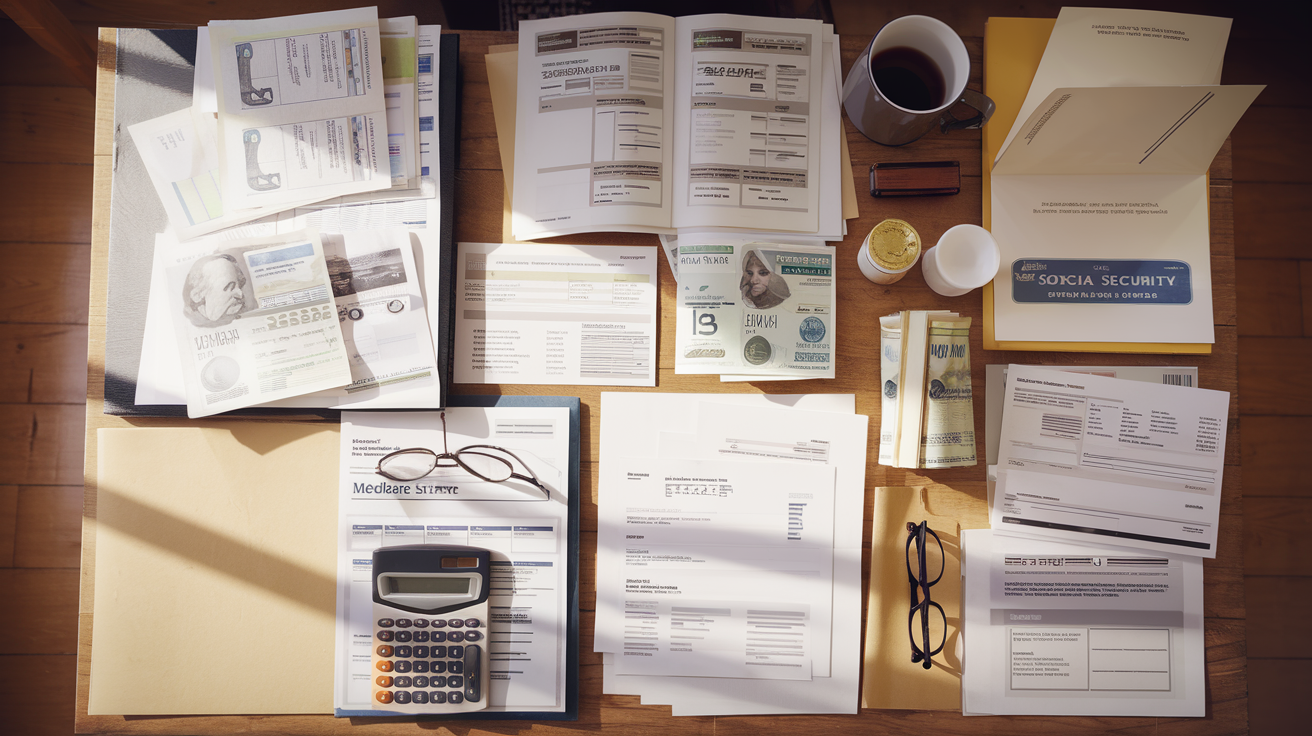
While you can’t control trade policy from your living room, there are meaningful steps you can take to shield your retirement savings from the worst effects of tariff-driven inflation.
1. Review Your Budget Monthly
Don’t wait until the end of the year to assess your spending. Prices are changing rapidly, and a monthly review helps you spot trouble areas before they become crises. Track where every dollar goes and look for categories where you can make substitutions without sacrificing quality of life.
2. Explore Inflation-Protected Investments
If you have savings in a traditional savings account or money market fund, consider speaking with a financial advisor about Treasury Inflation-Protected Securities (TIPS) or I-Bonds. These instruments are specifically designed to keep pace with inflation. The Consumer Financial Protection Bureau offers free resources to help seniors understand their investment options.
For more strategies on protecting your nest egg, we recommend reading our guide on 5 ways retirees can lower inflation risk on savings.
3. Maximize Medicare and Prescription Assistance Programs
With healthcare costs climbing, make sure you’re enrolled in the most cost-effective Medicare plan for your needs. Open enrollment periods are your opportunity to compare plans, and programs like Medicare Extra Help can significantly reduce prescription drug costs for eligible seniors. Visit Medicare.gov to review your current coverage and explore alternatives.
4. Delay Large Purchases When Possible
If you’re considering a major home renovation, new appliance, or vehicle purchase, it may be worth waiting to see if tariff policies shift. Prices on imported goods can fluctuate significantly when trade agreements are renegotiated.
5. Stay Informed — But Don’t Panic
It’s natural to feel anxious when headlines scream about economic uncertainty. But panic leads to poor financial decisions. Stay informed through trusted sources, talk to a qualified financial advisor, and remember that markets and policies are cyclical. What feels overwhelming today may stabilize tomorrow.
You’re Not Alone in This Concern
Perhaps the most important thing to understand is that retirees fear tariff-driven inflation not because they’re pessimistic — but because they’re paying attention. The challenges are real, but so are the solutions. By staying proactive, informed, and connected to reliable financial resources, you can navigate this period of uncertainty without sacrificing the retirement you’ve earned.
The road ahead may require more vigilance and flexibility than you expected. But millions of American seniors are in this together, and the more we share knowledge and strategies, the stronger we all become.
As we also reported, retirees across the country are voicing these same fears — and demanding that policymakers take notice. Your voice matters, and so does your financial security.