
The Medicare Mistakes That Are Quietly Draining Retiree Savings
Millions of Americans count on Medicare to cover their healthcare costs in retirement. But here’s the hard truth: one wrong move with your Medicare enrollment or coverage choices can cost you hundreds — even thousands — of dollars every single year. Many seniors don’t realize they’ve made these errors until it’s too late.
Whether you’re approaching 65 or already enrolled, understanding the most common Medicare mistakes could be the difference between a comfortable retirement and one filled with financial stress. Let’s break down exactly what to watch out for.
Mistake #1: Missing Your Initial Enrollment Window
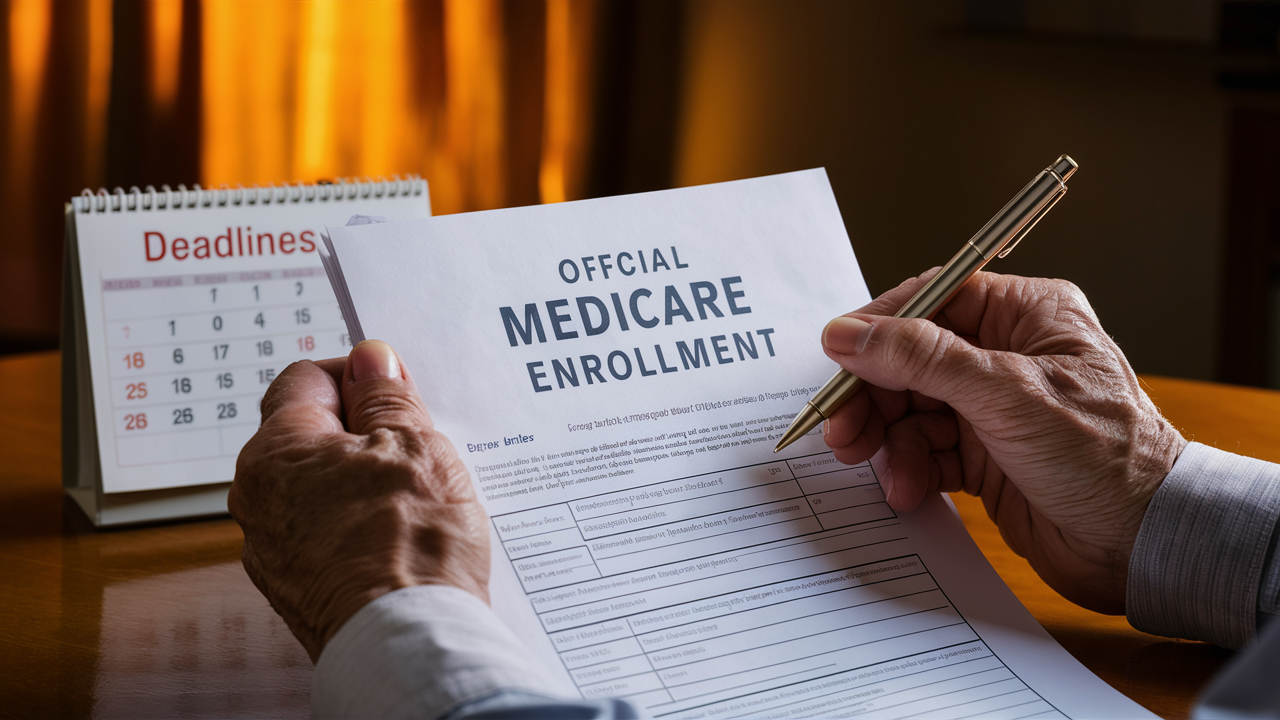
One of the most expensive Medicare mistakes seniors make is missing their Initial Enrollment Period (IEP). This 7-month window begins three months before you turn 65, includes your birthday month, and ends three months after. Miss it, and you could face permanent late enrollment penalties.
For Medicare Part B, that penalty is an extra 10% added to your premium for every 12-month period you were eligible but didn’t sign up. If you wait two years, that’s a 20% surcharge — and it never goes away. According to Medicare.gov, these penalties apply for as long as you have Part B coverage, which could mean decades of inflated premiums.
The same rule applies to Medicare Part D (prescription drug coverage). Don’t assume you can simply sign up whenever it feels convenient — the clock starts ticking whether you’re paying attention or not.
Mistake #2: Assuming Medicare Covers Everything
Too many retirees enter the Medicare system with the false belief that it covers all of their medical needs. In reality, there are significant gaps that can leave you with surprise bills that pile up fast.
Medicare does not cover routine dental care, hearing aids, most vision expenses, or long-term custodial care. These are services seniors often need most. If you haven’t looked into what Medicare leaves out, you might want to read What Medicare Does NOT Cover That Surprises Most Seniors — the list might shock you.
This is why supplemental coverage like Medigap or Medicare Advantage plans are so important to consider. Without them, even a short hospital stay can lead to thousands of dollars in out-of-pocket costs.
Mistake #3: Choosing the Wrong Medicare Plan
Not all Medicare plans are created equal, and choosing the wrong one based on a low premium alone is a classic and costly error. Many seniors gravitate toward the cheapest monthly premium without fully comparing deductibles, copays, out-of-pocket maximums, and provider networks.
Medicare Advantage plans, for example, often restrict you to specific networks of doctors and hospitals. If your preferred physician isn’t in-network, you could end up paying full price — or be forced to switch doctors entirely. Original Medicare with a Medigap supplement may offer more flexibility, even if the premiums are slightly higher.
The Consumer Financial Protection Bureau recommends comparing all plan options carefully during each annual Open Enrollment Period, which runs from October 15 to December 7 each year. Use Medicare’s official Plan Finder tool at Medicare.gov to compare what’s available in your zip code.
Mistake #4: Ignoring the IRMAA Surcharge
If your income is above a certain threshold, you’ll pay more for Medicare Part B and Part D. This is called the Income-Related Monthly Adjustment Amount, or IRMAA. Many higher-earning retirees are blindsided by this surcharge because they simply didn’t know it existed.
For 2024, individuals earning more than $103,000 per year (or $206,000 for couples) are subject to IRMAA. These figures are based on your tax return from two years prior, which means a high-income year in 2022 could impact your 2024 Medicare premiums. Check with the IRS and Social Security Administration to understand how your income history may affect what you owe.
If you’ve had a significant life change — like retirement or the death of a spouse — you may be able to appeal your IRMAA determination. Don’t leave that money on the table.
Mistake #5: Not Reviewing Your Plan Every Year
Medicare plans change annually. Drug formularies shift, premiums increase, and coverage terms get updated. Yet a large number of seniors stay on the same plan year after year without reviewing it — and that passive approach can be very costly.
A medication that was covered under your Part D plan this year might be dropped next year, leaving you paying full price at the pharmacy. Set a reminder every fall to review your plan during Open Enrollment. It takes a little time but could save you a significant amount of money.
This habit of reviewing your financial decisions annually is just as important as other retirement planning strategies. If you’re also thinking about how to stretch your retirement income, check out CDs vs Bonds vs Annuities: What’s Best for People Over 60 for smart investment guidance.
Mistake #6: Delaying Enrollment If You Have Employer Coverage
Some seniors delay enrolling in Medicare because they’re still covered by an employer health plan — either their own or a spouse’s. This can be perfectly fine in certain situations, but the rules are tricky and misunderstanding them leads to serious Medicare mistakes.
If your employer has fewer than 20 employees, Medicare is actually your primary insurance — meaning you should enroll at 65 regardless of your employer plan. Failing to do so could mean your employer plan pays less than expected, leaving you with large unexpected bills.
Always confirm with your HR department and a Medicare counselor how your employer coverage coordinates with Medicare before making any decisions. The Social Security Administration has clear guidelines on how and when special enrollment periods apply.

How to Protect Yourself From Costly Medicare Mistakes
The good news is that most of these Medicare mistakes are entirely preventable with a little awareness and planning. Here are quick steps you can take right now:
- Mark your 65th birthday on the calendar and start researching Medicare three to four months before you turn 65.
- Use Medicare’s free tools at Medicare.gov to compare plans and costs in your area.
- Contact your State Health Insurance Assistance Program (SHIP) for free, unbiased counseling from trained local advisors.
- Review your plan every fall during Open Enrollment to make sure your coverage still fits your needs.
- Ask about income-based adjustments if your financial situation has changed significantly.
Your retirement should be a time of comfort and security, not financial worry. Avoiding these Medicare mistakes is one of the most powerful steps you can take to protect your savings. And if you want to boost your retirement income from other angles, don’t miss How to Maximize Your Social Security Payments as a Senior — a must-read for every retiree.
Knowledge is your best defense. Share this article with a friend or family member who is approaching Medicare eligibility — it just might save them thousands.