Why Inflation Is Quietly Eating Away at Senior Retirement Savings
You saved for decades. You planned carefully. You did everything right. But now, a hidden inflation risk is silently draining retirement savings for millions of American seniors — and most don’t realize how serious the threat has become until it’s too late.
According to recent surveys, older adults are depleting their retirement funds earlier than expected, largely because everyday costs have surged far beyond what their original retirement plans accounted for. Groceries, utilities, healthcare, and insurance premiums have all climbed steadily, and the modest cost-of-living adjustments from Social Security simply aren’t keeping pace.
If you’re retired or approaching retirement, understanding this hidden inflation risk could be the difference between financial security and running out of money in your later years. Let’s break down what’s happening and, more importantly, what you can do about it.
The Real Inflation Seniors Face Is Worse Than the Headlines
When you hear that inflation has cooled to around 3%, that number reflects the general Consumer Price Index (CPI). But seniors don’t spend money the same way younger Americans do. Retirees spend a far larger share of their income on healthcare, prescription drugs, and housing — categories where prices have risen much faster than the overall rate.
The Investopedia financial education platform has documented how “senior inflation” — sometimes called the CPI-E (Consumer Price Index for the Elderly) — consistently outpaces general inflation by 0.2% to 0.5% per year. That may sound small, but compounded over a 20- or 30-year retirement, it can erode tens of thousands of dollars in purchasing power.
Here’s what’s hitting retirees hardest right now:
- Healthcare costs: Medicare premiums, supplemental insurance, and out-of-pocket expenses continue rising annually.
- Prescription drugs: Even with new caps under the Inflation Reduction Act, many medications remain expensive.
- Groceries and food: Everyday staples like eggs, bread, and meat have seen price spikes that haven’t fully reversed.
- Home insurance and property taxes: These often-overlooked costs are surging in many states, squeezing fixed-income budgets.
- Utilities: Energy costs fluctuate, but the overall trend for electricity and heating has been upward.
If you’re feeling like your money doesn’t stretch as far as it used to, you’re not imagining it. The hidden inflation risk is very real, and it demands a proactive response.

Social Security’s 2026 COLA: Helpful, but Not Enough
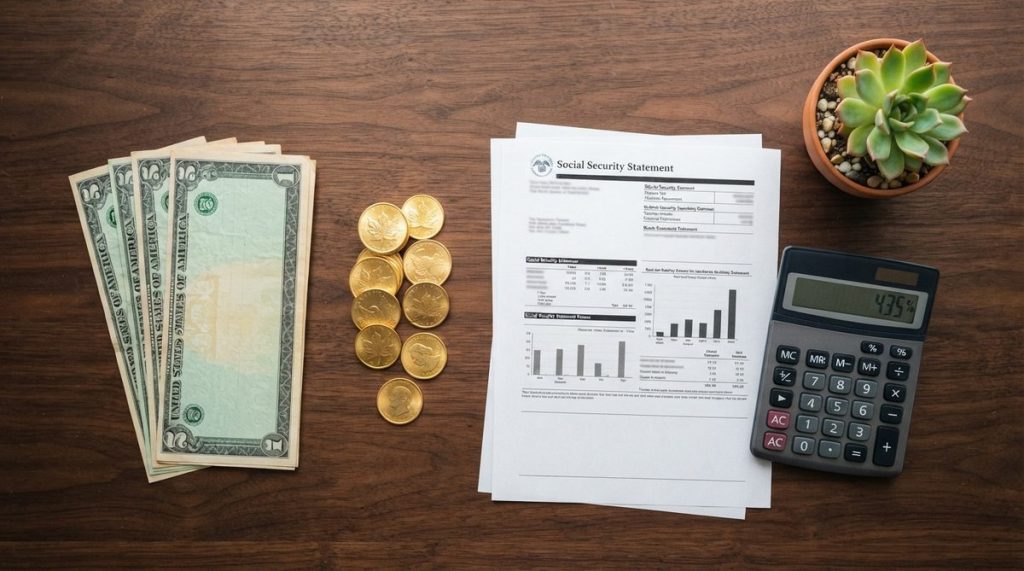
The Social Security Administration recently announced a 2.8% cost-of-living adjustment (COLA) for 2026. While any increase is welcome, it’s the smallest adjustment in several years — and it may not cover the actual cost increases many seniors are experiencing.
For context, the 2023 COLA was 8.7%, reflecting the inflation spike of 2022. The 2025 adjustment was 2.5%. As these numbers shrink, retirees who rely heavily on Social Security are left increasingly vulnerable. For more on getting the most from your benefits, read our guide on How to Maximize Your Social Security Payments as a Senior.
The bottom line: Social Security was never designed to be your sole income source in retirement. If inflation continues outpacing COLA adjustments, seniors who depend primarily on these benefits will feel the squeeze most acutely.
Healthcare: The Biggest Threat to Your Retirement Savings
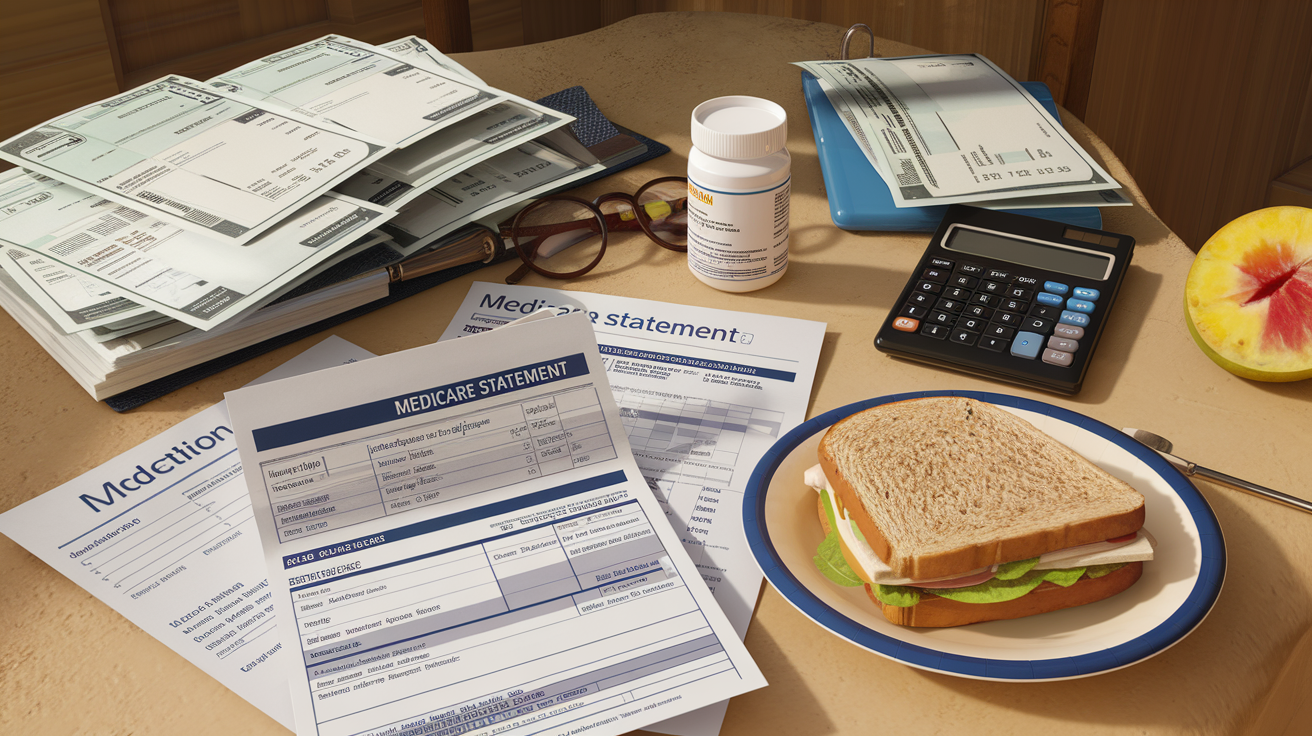
New projections for 2025 show that the amount Medicare beneficiaries need to save for healthcare expenses in retirement has increased — again. A 65-year-old couple retiring today may need over $350,000 set aside just for medical costs not covered by Medicare.
That staggering number catches many retirees off guard. Medicare doesn’t cover everything, and the gaps can be financially devastating. Dental care, vision, hearing aids, long-term care, and many supplemental services come out of your own pocket. If you haven’t reviewed what’s covered and what isn’t, take a look at Medicare Mistakes That Cost Retirees Thousands of Dollars — it could save you real money.
According to Medicare.gov, understanding your plan options during open enrollment is critical to avoiding unnecessary costs. Even small changes in your coverage can add up to significant savings — or significant losses — over time.
How the Hidden Inflation Risk Compounds Over Time
Here’s what makes this threat so dangerous: it’s gradual. You might not notice losing $50 or $100 in purchasing power each month. But over five years, that’s $3,000 to $6,000 gone. Over fifteen years, you could be looking at $20,000 or more in lost buying power — money that simply evaporated because prices rose faster than your income.
This compounding effect is the core of the hidden inflation risk. It doesn’t announce itself with a single dramatic event. Instead, it slowly and steadily chips away at your financial foundation until, one day, you realize your savings won’t last as long as you planned.
5 Smart Strategies to Protect Your Retirement From Inflation
The good news is that you’re not powerless. There are concrete steps you can take right now to fight back against inflation’s erosion of your retirement savings.
1. Diversify Into Inflation-Protected Investments
Treasury Inflation-Protected Securities (TIPS) and I Bonds are specifically designed to keep pace with inflation. They won’t make you rich, but they’ll help preserve your purchasing power. For a deeper comparison of safe investment options, check out CDs vs Bonds vs Annuities: What’s Best for People Over 60.
2. Review Your Medicare and Insurance Plans Annually
Don’t let inertia cost you thousands. Every year during open enrollment, compare your current Medicare plan against alternatives. Premiums, copays, and drug coverage change annually, and switching plans could save you hundreds or even thousands of dollars per year.
3. Take Advantage of Every Tax Break Available
Many seniors miss out on valuable tax deductions and credits. The standard deduction is higher for those 65 and older, and there may be additional savings you’re not claiming. Learn more in our article Retirees: The New $6,000 Tax Deduction You Need to Know.
4. Create a Realistic, Updated Budget
If you’re still using a budget based on 2019 prices, it’s time for an overhaul. Track your actual spending for two to three months and adjust your plan accordingly. The Consumer Financial Protection Bureau offers free budgeting tools designed specifically for older Americans.
5. Delay Large Withdrawals When Possible
If your portfolio took a hit or inflation has reduced your returns, consider delaying large discretionary purchases. Giving your investments even one or two additional years to recover can make a meaningful difference in how long your savings last.
Don’t Let Inflation Steal Your Peace of Mind
The hidden inflation risk threatening retirement savings is not a distant, abstract problem — it’s happening right now, in your grocery store, at your pharmacy, and on your utility bills. But awareness is the first step toward protection.
By staying informed, reviewing your benefits annually, diversifying your investments, and taking advantage of every financial tool available to you, you can fight back. You worked too hard for too long to let quiet, creeping inflation undermine the retirement you earned.
Stay proactive, stay informed, and remember — it’s never too late to strengthen your financial plan.