
Key Takeaways
- Decline is not inevitable: research shows many older adults actually improve in key health markers with the right mindset and habits.
- The "too old to exercise" myth is one of the most dangerous beliefs a senior can hold, as strength training benefits people well into their 90s.
- Biological age can be meaningfully different from chronological age, and recent studies show diet changes can reverse it in as little as four weeks.
- A positive aging mindset is not just feel-good advice — it is linked to 7.5 extra years of life, according to Yale research.
Why These Aging Myths Still Persist — and Why They Matter
After 18 years of treating older adults as a board-certified geriatric physical therapy specialist, I can tell you the biggest obstacle my patients face is rarely their joints, their diagnoses, or even their age. It’s what they believe about aging.
Stubborn aging myths circulate through doctor’s offices, family gatherings, and online forums, and they quietly convince people to stop moving, stop trying, and stop hoping. A 2024 survey from the National Institute on Aging found that nearly 60% of adults over 65 believed significant physical decline was “just part of getting older” — a belief that directly contradicts decades of clinical evidence.
Today I want to dismantle seven of the most damaging aging myths I encounter. Not with vague reassurances, but with hard data, real patient patterns, and the kind of specifics that can actually change how you live your next decade.
Myth 1: “Physical Decline After 60 Is Inevitable”
This is the granddaddy of all aging myths, and it does more harm than almost any chronic disease I treat. The assumption that your body simply falls apart after a certain birthday leads people to pre-emptively give up activities, avoid challenges, and accept limitations they don’t actually have.
Here’s what the research says: A landmark study published in the British Journal of Sports Medicine (2023) tracked over 5,000 adults aged 60 to 85 and found that those who maintained moderate physical activity lost only 5% of their functional capacity per decade — compared to 30–40% in sedentary peers. That’s a sevenfold difference driven almost entirely by behavior, not biology.
What I see most often is patients who come to me after a fall or a surgery, convinced their “good years” are over. Within eight to twelve weeks of structured rehabilitation and progressive strengthening, many of them exceed their pre-injury function. The body’s capacity to adapt does not expire at 60, 70, or even 90.
For a deeper dive into the lifestyle factors that support this kind of resilience, take a look at 6 Pillars of Healthy Aging After 60 That Experts Swear By.
Myth 2: “Strength Training Is Dangerous for Older Adults”
I hear this one weekly. A patient’s adult child will call my office concerned that I’ve prescribed resistance exercises for their 78-year-old parent. “Isn’t that risky at their age?” they ask. My answer is always the same: not strength training is the real risk.
What the Evidence Actually Shows
The CDC recommends muscle-strengthening activities at least two days per week for all adults, including those over 65. A 2022 meta-analysis in The Lancet Healthy Longevity reviewed 16 randomized controlled trials involving adults aged 65 to 97 and found that progressive resistance training reduced fall risk by 23%, improved walking speed by 14%, and increased muscle mass measurably in every age group studied.
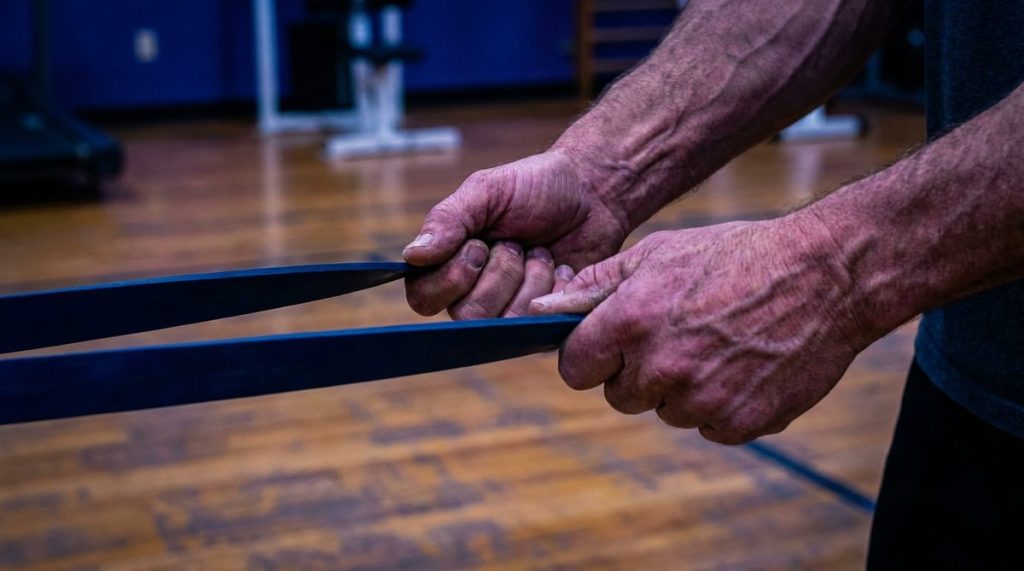
The key word is “progressive.” You don’t hand an 80-year-old a barbell and say good luck. Proper geriatric strength training starts with bodyweight movements, resistance bands, or light weights and increases gradually based on tolerance and response. In my clinic, we use a simple rating scale: if a patient can complete 12 repetitions of an exercise without significant fatigue, we increase the load by roughly 5–10%.
Sarcopenia — the clinical term for age-related muscle loss — begins as early as age 30, accelerates after 60, and is directly linked to falls, fractures, loss of independence, and even mortality. The antidote is not rest. It’s resistance.
Myth 3: “Your Biological Age Is Fixed by Your Birthday”
This myth is crumbling fast, and the science behind it is genuinely exciting. Your chronological age is just a number on your driver’s license. Your biological age — measured by epigenetic markers, telomere length, and metabolic function — can be years or even decades different.
A widely discussed 2024 study from the University of Regenerative Medicine Consortium demonstrated that older adults who followed a specific dietary protocol for just four weeks showed measurable reversal in biological age markers, including DNA methylation patterns associated with aging. The intervention emphasized leafy greens, healthy fats, adequate protein, and elimination of processed sugars. You can read a full breakdown at Scientists Reversed Biological Age With a 4-Week Diet Change.
In my practice, I’ve watched patients who adopt anti-inflammatory dietary patterns show improvements in joint stiffness, energy levels, and even balance scores within six to eight weeks. The idea that your body’s aging trajectory is locked in is simply not supported by current science.
Myth 4: “Cognitive Decline Is a Normal Part of Aging”
Let me be precise here, because nuance matters. Some degree of processing speed reduction is common after 60. Forgetting where you put your keys occasionally is not dementia. But the pervasive belief that “losing your mind” is an expected outcome of aging is both wrong and dangerous — because it causes people to dismiss treatable symptoms and avoid protective habits.
The Numbers Tell a Different Story
According to the Mayo Clinic, roughly 1 in 9 adults over 65 has Alzheimer’s disease. That means nearly 8 out of 9 do not. Meanwhile, a 2024 study from Yale University’s School of Public Health followed 4,765 adults aged 60 and older and found that those with a positive perception of aging performed significantly better on cognitive tests over a 10-year period — even after controlling for baseline health, education, and genetics.
Physical exercise is one of the most potent neuroprotective interventions we have. A 2023 systematic review found that 150 minutes per week of moderate aerobic activity reduced the risk of dementia by 28–35%. That’s comparable to or better than any pharmaceutical intervention currently available.
I often tell my patients: your brain is not a candle burning down. It’s a muscle that responds to how you use it.
Myth 5: “It’s Too Late to Change Your Health Outcomes”
This might be the most heartbreaking myth I encounter. A 72-year-old patient once told me, “Doc, I smoked for 40 years. What’s the point of quitting now?” The point is enormous.
Research published in the American Journal of Preventive Medicine (2023) showed that adults who quit smoking after age 65 still gained an average of 1.4 to 3.7 years of life expectancy. Those who started exercising after 60, even with no prior history of regular activity, reduced their all-cause mortality risk by 28–35% within five years.
The body’s repair mechanisms remain active throughout life. Bone density improves with weight-bearing exercise at any age. Blood pressure responds to dietary sodium reduction within days. Insulin sensitivity improves with resistance training within two to three weeks. The “too late” narrative has no basis in physiology.
A Simple 6-Step Plan to Start Today
If you’ve been sidelined by the “too late” myth, here’s exactly where I’d start with any new patient in my clinic:
- Get a baseline assessment. Ask your primary care provider for a comprehensive metabolic panel, blood pressure check, bone density scan (if not done in the last two years), and a functional movement screening. You can’t improve what you haven’t measured.
- Start a walking program. Begin with 10 minutes daily, adding 2 minutes per week until you reach 30 minutes. Walking is the single most underrated exercise for older adults — it improves cardiovascular health, balance, mood, and even gut motility.
- Add two days of resistance training per week. Bodyweight squats (using a chair for support), wall push-ups, and seated rows with a resistance band are excellent starting points. Each session can be as short as 15–20 minutes.
- Prioritize protein at every meal. Older adults need approximately 1.0 to 1.2 grams of protein per kilogram of body weight daily to maintain muscle mass — significantly more than the outdated RDA of 0.8 g/kg. Think eggs at breakfast, Greek yogurt at lunch, and fish or poultry at dinner.
- Address sleep quality. Poor sleep accelerates cognitive decline, increases fall risk, and worsens chronic pain. If you’re sleeping fewer than six hours or waking unrefreshed, raise this with your doctor. Sleep disorders like apnea are dramatically underdiagnosed in older adults.
- Schedule a medication review. Polypharmacy — taking five or more medications — affects roughly 40% of adults over 65 and is a leading cause of dizziness, fatigue, and falls. Ask your pharmacist or physician for an annual “deprescribing” conversation.

Myth 6: “Aging in Place Is Only for the Wealthy”
A recent AARP survey found that 77% of adults over 50 want to age in their current home, but only 54% feel confident they’ll be able to. Many assume the modifications and support needed to stay home safely require a fortune. That’s often not true.
Grab bars, raised toilet seats, improved lighting, and removal of trip hazards are low-cost interventions that dramatically reduce fall risk. Many states offer Medicaid waiver programs that cover home modifications for qualifying seniors. Veterans may access grants through the VA’s Specially Adapted Housing program. And Medicare Advantage plans increasingly cover supplemental benefits like home safety assessments.
The real cost of not modifying your home is a fall-related hip fracture, which carries an average hospital bill of $30,000–$35,000 and a one-year mortality rate of approximately 20–30% in adults over 65. For a practical financial roadmap, I recommend Aging in Place Costs: A Step-by-Step Guide to Budget Smart.
Myth 7: “A Positive Attitude About Aging Is Just Feel-Good Nonsense”
I saved this one for last because it ties everything together, and the data behind it still surprises people. A groundbreaking longitudinal study led by Dr. Becca Levy at Yale tracked participants for over 20 years and found that individuals with positive self-perceptions of aging lived an average of 7.5 years longer than those with negative perceptions — a larger effect than low blood pressure, low cholesterol, healthy weight, or even not smoking.
This isn’t wishful thinking. The mechanism appears to involve both behavioral and physiological pathways. People who view aging positively are more likely to exercise, attend preventive screenings, and maintain social connections. They also show lower levels of cortisol and C-reactive protein — biomarkers of chronic stress and inflammation.
Mindset Is a Health Intervention
In my 18 years of clinical work, the patients who recover fastest, maintain the most function, and report the highest quality of life are not necessarily the ones with the fewest diagnoses. They’re the ones who believe their actions still matter. They view setbacks as temporary. They ask “what can I do?” rather than “what’s the point?”
A 2025 study published in JAMA Network Open reinforced this, finding that older adults who scored higher on measures of purpose and agency showed slower rates of physical and cognitive decline over a six-year follow-up, regardless of socioeconomic status or baseline health.
If you take nothing else from this article, take this: the stories you tell yourself about aging are not neutral. They shape your biology, your behavior, and your future. Choose them carefully.
The Bottom Line on Aging Myths
Every one of these aging myths shares a common thread — they underestimate the human body’s capacity to respond, adapt, and heal at any age. The science is overwhelming and growing: how you move, eat, think, and engage with the world matters profoundly after 50, 60, 70, and beyond.
You are not defined by your birthday. You are defined by what you do next. And from where I sit — across the treatment table from thousands of older adults who have surprised themselves and their families — “next” can be extraordinary.
Frequently Asked Questions
At what age is it truly too late to start exercising?
There is no such age. Studies show measurable strength, balance, and cardiovascular improvements in adults initiating exercise programs in their 80s and even 90s. The key is starting at an appropriate intensity and progressing gradually under professional guidance.
How much protein do older adults really need each day?
Current evidence supports 1.0 to 1.2 grams of protein per kilogram of body weight daily for adults over 65, which is higher than the standard recommended dietary allowance of 0.8 g/kg. Spreading protein intake across all three meals is more effective than consuming most of it at dinner.
Can you actually reverse your biological age through diet alone?
Recent research suggests that specific dietary interventions emphasizing whole foods, leafy greens, healthy fats, and reduced processed sugar intake can reverse epigenetic markers of aging in as few as four weeks. However, the most robust results combine dietary changes with regular exercise, quality sleep, and stress management.
Is strength training safe for someone with osteoporosis?
Yes, and it is actually recommended. Weight-bearing and resistance exercises stimulate bone formation and slow bone density loss. A physical therapist or qualified trainer can design a safe program that avoids high-impact loading or excessive spinal flexion while still providing bone-building benefits.
Does a positive mindset about aging really add years to your life?
According to a well-known longitudinal study by Yale researcher Dr. Becca Levy, adults with positive self-perceptions of aging lived an average of 7.5 years longer than those with negative views. This effect held even after controlling for age, gender, socioeconomic status, and baseline health, making mindset one of the most powerful longevity factors studied.
About Michael Torres, DPT, Board-Certified Geriatric Specialist
Michael Torres is a Doctor of Physical Therapy and board-certified geriatric clinical specialist with 18 years of experience working with older adults. He has treated thousands of seniors recovering from hip replacements, managing arthritis, rebuilding strength after hospitalizations, and preventing dangerous falls. At Daily Trends Now, Michael writes practical guides on exercises, mobility, pain management, and the physical strategies that help seniors stay strong and independent.