

The Phone Call That Changed How I Think About Aging
Three years ago, I received a phone call from a patient I hadn’t seen in nearly a decade. Margaret was 74, and the last time she’d been in my office, she was struggling — overweight, pre-diabetic, isolated after her husband’s death, and convinced that her best years were behind her. She’d told me, almost matter-of-factly, “Dr. Roberts, I’m just winding down.”
But the woman on the phone sounded entirely different. She was calling to tell me she’d just completed a 5K walk, had reversed her pre-diabetes, was volunteering at a local literacy program, and — her voice cracking with emotion — had made three close friends she spoke with every single day. “I feel better at 74 than I did at 64,” she said.
Margaret’s story isn’t a fairy tale. In my 22 years of practicing geriatric medicine, I’ve seen this transformation hundreds of times. And what’s remarkable is that the formula is never some exotic treatment or expensive biohacking protocol. It comes down to a handful of foundational habits — pillars, really — that research consistently confirms make the difference between merely surviving and genuinely thriving after 60.
A National Institute on Aging longitudinal study published in early 2025 reinforced what clinicians like me have observed for decades: aging does not have to mean decline. In fact, many older adults actually improve in key health metrics over time when they commit to specific, evidence-based lifestyle practices. If you’ve bought into the myth that getting older only goes in one direction, I’d encourage you to read more about 5 Myths About Aging and Decline That Science Has Debunked.
So what are these pillars of healthy aging? Let me walk you through the six that I’ve seen make the most profound difference — both in the clinical literature and in the real lives of my patients.
Pillar 1: Movement That You’ll Actually Keep Doing
I don’t tell my patients to “exercise more.” That phrase is so vague it’s almost useless. What I tell them is this: find movement that makes your body feel good and that you’d miss if you skipped it. That’s the kind of physical activity that sticks.
The CDC recommends that adults 65 and older get at least 150 minutes of moderate-intensity aerobic activity per week, plus muscle-strengthening activities on two or more days. But here’s a statistic that stops most people in their tracks: only about 28% of adults over 75 meet those guidelines. That means nearly three out of four older Americans are moving far less than their bodies need.
What I see most often is patients who were active in their 40s and 50s, got derailed by an injury or life event, and never rebuilt the habit. The good news? It’s never too late. A 2024 meta-analysis in the British Journal of Sports Medicine found that adults who began regular exercise programs after age 60 experienced a 22% reduction in all-cause mortality compared to sedentary peers — even when they started with chronic conditions.
What Works Best for Seniors
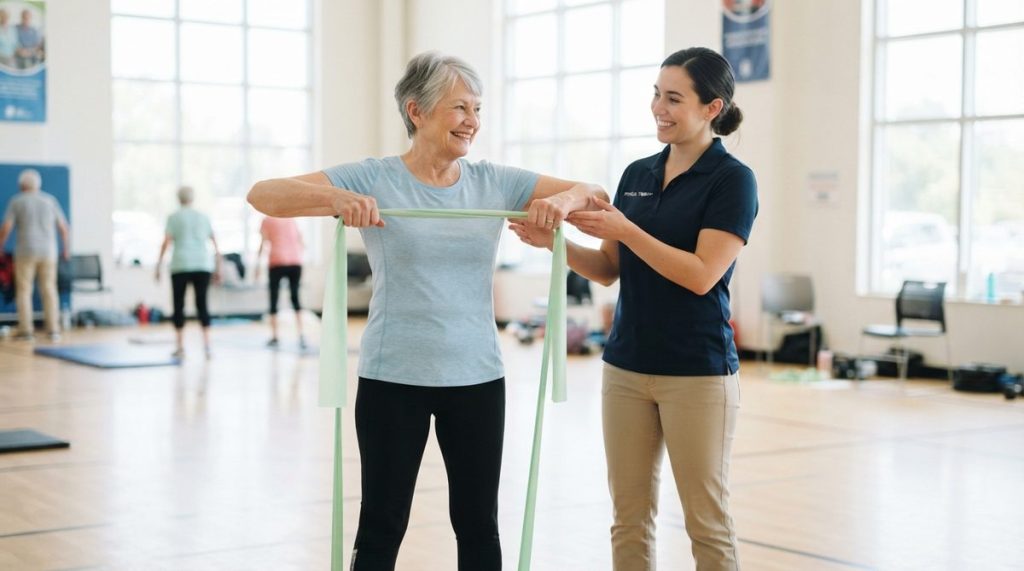
For my patients, I typically recommend a combination approach: walking or swimming for cardiovascular health, resistance bands or light weights for muscle preservation, and balance exercises like tai chi or single-leg stands to prevent falls. Falls are the leading cause of injury death among adults 65 and older, so balance work isn’t optional — it’s essential.
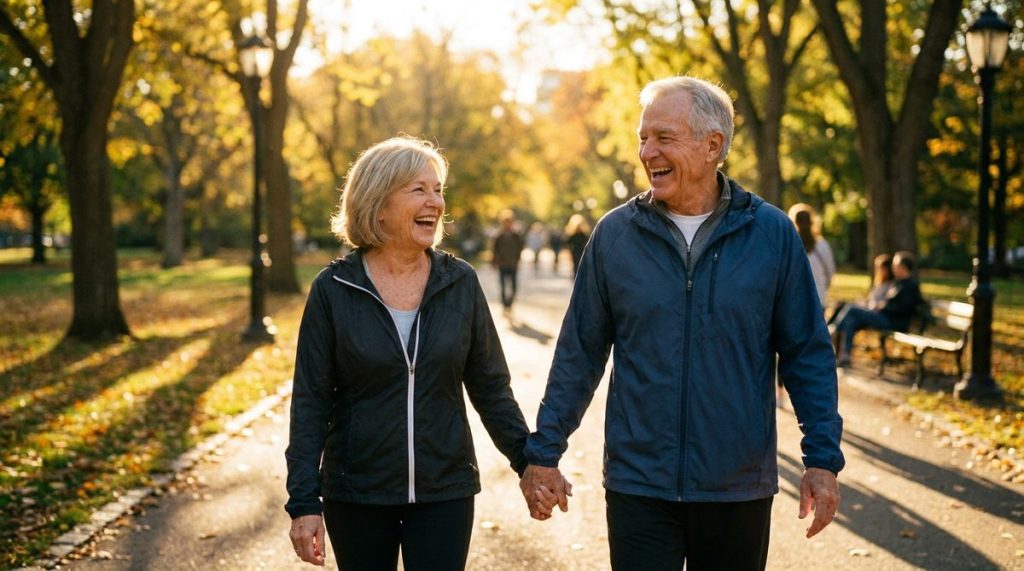
Margaret, my patient from that phone call, started with 10-minute walks around her block. Within six months, she was doing 45-minute sessions three times a week. She didn’t follow a fancy program. She just showed up, day after day, until it became as natural as brushing her teeth.
“The single most powerful anti-aging intervention available to every human being is regular physical movement. No pill, supplement, or procedure comes close to matching its benefits across every organ system.” — Based on findings from the National Institute on Aging’s ongoing longitudinal research
Pillar 2: Nutrition That Protects Your Brain and Bones
If movement is the foundation of healthy aging, nutrition is the mortar that holds everything together. And yet, when I ask patients over 60 about their diets, I often hear some version of, “I eat pretty healthy — I had a salad yesterday.” One salad does not a dietary pattern make.
The research overwhelmingly supports the Mediterranean and MIND diets for older adults. The MIND diet — a hybrid of Mediterranean and DASH eating patterns — was specifically designed to protect brain health. A Rush University study found that strict adherence to the MIND diet lowered Alzheimer’s risk by up to 53%, and even moderate adherence cut risk by about 35%.
Here’s what that looks like in practical terms: leafy greens at least six times a week, berries at least twice a week, nuts daily, fish at least once a week, whole grains three or more times daily, and olive oil as your primary cooking fat. It also means limiting red meat, butter, cheese, pastries, and fried foods.

The Protein Problem Nobody Talks About
One issue I encounter constantly in my practice is protein deficiency among older adults. After age 60, your body becomes less efficient at synthesizing muscle protein. The Mayo Clinic notes that sarcopenia — age-related muscle loss — affects roughly 10% of adults over 50 and accelerates significantly after 70. Without adequate protein intake (I recommend 1.0 to 1.2 grams per kilogram of body weight daily for my older patients), even the best exercise program won’t fully preserve muscle mass.
I often tell my patients to think of protein as medicine — they need a dose at every meal, not just dinner. Eggs at breakfast, Greek yogurt at lunch, chicken or fish at dinner. Simple, consistent, effective.
Pillar 3: Sleep — The Most Underrated Health Tool
Sleep is the pillar that most of my patients dismiss. “Oh, I’ve never slept well” or “I only need five hours” are phrases I hear weekly. But the science is unforgiving on this point: poor sleep in older adults is directly linked to increased risk of dementia, cardiovascular disease, falls, depression, and impaired immune function.
A landmark 2022 study published in Nature Aging found that adults over 60 who consistently slept fewer than six hours per night had a 30% higher risk of developing dementia compared to those who slept seven to eight hours. That’s not a marginal difference — it’s enormous.
The challenge is that sleep architecture genuinely changes as we age. You spend less time in deep sleep, you wake more frequently, and conditions like sleep apnea become more common. About 56% of adults over 65 report at least one sleep complaint, according to the National Sleep Foundation.
Practical Sleep Strategies That Actually Help
What I recommend to my patients isn’t complicated, but it requires consistency:
- Fix your wake time first. Set an alarm for the same time every day — including weekends. This anchors your circadian rhythm more powerfully than any supplement.
- Limit daytime naps to 20 minutes. Longer naps fragment nighttime sleep, especially for people over 65.
- Cut caffeine by noon. Caffeine’s half-life is roughly five to six hours, and sensitivity increases with age. That 2 PM coffee is still active in your system at bedtime.
- Create a cool, dark environment. Optimal sleep temperature is between 65°F and 68°F. Use blackout curtains if light is an issue.
- Talk to your doctor about medications. Many common prescriptions — including certain blood pressure drugs, steroids, and antidepressants — can disrupt sleep. A medication review can be revealing.
- Get screened for sleep apnea. If your partner says you snore loudly or you wake feeling exhausted despite spending eight hours in bed, this is worth investigating.
For more about which medical routines may or may not serve you well after 60, check out this helpful guide on Medical Routines Older Adults May Not Need: Myths Debunked.
Pillar 4: Mental Health and Emotional Resilience
Here’s something I wish more people understood: depression is not a normal part of aging. It’s common — the CDC estimates that about 1 in 5 adults over 60 experience a mental health concern — but common and normal are not the same thing. When patients tell me they’ve “accepted” feeling flat, joyless, or anxious as just “part of getting old,” it breaks my heart, because these are treatable conditions.
In 2025, the California Department of Aging launched an expanded initiative specifically focused on mental health resources for older adults, recognizing that this population is dramatically underserved. Nationally, fewer than half of older adults with depression receive any treatment. That gap is a public health failure.
What Emotional Resilience Actually Looks Like
Emotional resilience in later life isn’t about being perpetually happy or never struggling. It’s about having the tools and relationships to navigate loss, change, and uncertainty without being consumed by them. I’ve watched patients lose spouses, receive cancer diagnoses, and face financial hardship — and come through these experiences with a depth and steadiness that frankly amazes me.
The common thread? They all had at least two or three of the following: a therapist or counselor they trusted, a spiritual or contemplative practice, a peer support group, and a sense of purpose. Purpose is particularly potent. A 2019 JAMA Network Open study found that strong life purpose was associated with a 15.2% reduced risk of death from any cause among older adults.
If you’re navigating financial stress alongside health concerns — which many of my patients are — it’s worth understanding how fiscal pressures can compound emotional struggles. The Social Security Tax Cliff 2026: 5 Steps to Protect Your Income guide offers practical strategies that can help ease one major source of anxiety.
Pillar 5: Social Connection — Your Biological Need
I call social connection the “invisible vital sign.” We check blood pressure, cholesterol, and blood sugar at every visit. But loneliness? Isolation? These are rarely measured, despite the fact that their health impact rivals that of smoking 15 cigarettes a day, according to former U.S. Surgeon General Dr. Vivek Murthy’s landmark 2023 advisory on the loneliness epidemic.
The numbers are staggering. Approximately one-quarter of adults over 65 are considered socially isolated. Among those over 75, the figure climbs even higher. And the consequences are far from just “feeling sad” — social isolation increases the risk of dementia by 50%, heart disease by 29%, and stroke by 32%.
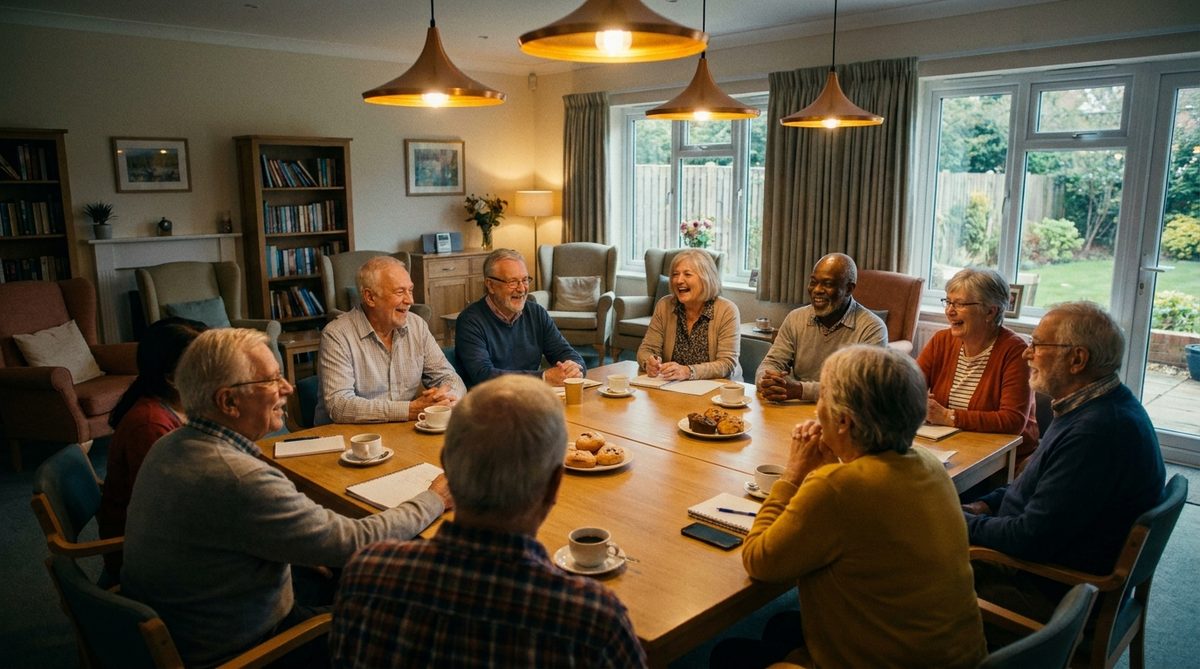
Building Connection on Purpose
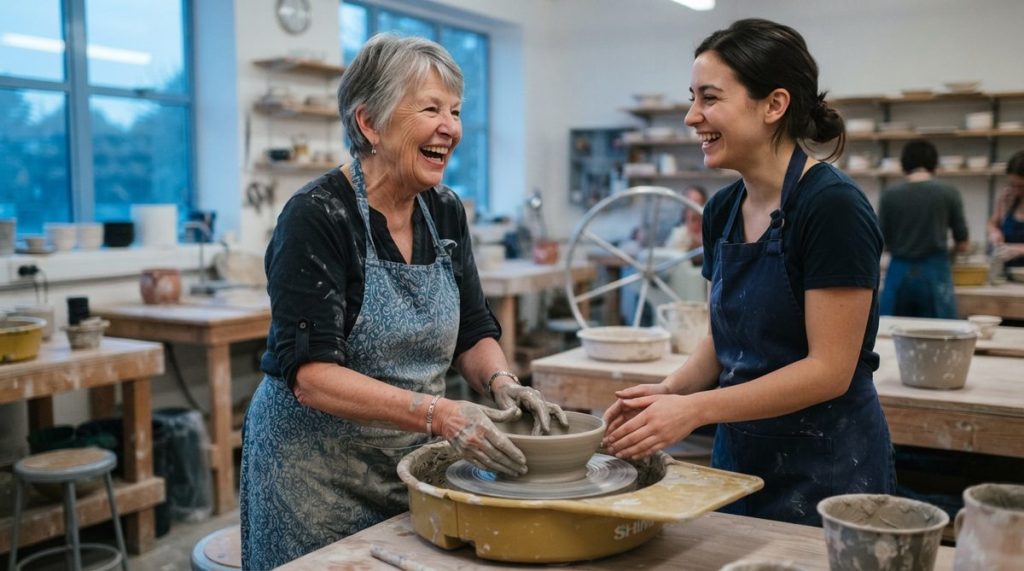
Margaret — my patient who called me at 74 — told me something I’ve never forgotten. She said, “Making friends at 70 is harder than dating at 20. But I did it, and it saved my life.” She joined a walking group at her local senior center, started volunteering at a library, and eventually formed a small book club that met every Thursday.
Programs like PACE (Program of All-Inclusive Care for the Elderly), which has been expanding across states including Ohio, are built on this exact principle — that keeping older adults connected, engaged, and out of institutional settings isn’t just more humane, it’s more effective medicine. These programs combine medical care, social activities, transportation, and meals in community-based settings.
“We now have enough evidence to say definitively that social isolation is a clinical risk factor — as measurable and as dangerous as hypertension or high cholesterol. Treating it is not a luxury; it’s a medical necessity.” — Reflected in findings from the U.S. Surgeon General’s 2023 Advisory on Loneliness
If you can do one thing this week, make it this: call someone you haven’t spoken to in a month. Better yet, make a plan to meet in person. Your cardiovascular system, your brain, and your mood will thank you.
Pillar 6: Proactive, Informed Medical Decision-Making
The final pillar is one that I’m especially passionate about as a clinician: becoming an active, informed participant in your own healthcare. Too many of my patients — smart, capable people — sit passively in exam rooms and accept whatever they’re told without asking a single question. This isn’t the 1970s. Shared decision-making isn’t just a buzzword; it’s the standard of care.
Here’s what proactive medical decision-making looks like in practice:
- Know your numbers. You should be able to tell me your blood pressure, A1C (if diabetic or pre-diabetic), LDL cholesterol, kidney function (GFR), and BMI without looking them up. These are the dashboard indicators of your health.
- Review your medications annually. Polypharmacy — taking five or more medications — affects nearly 40% of adults over 65. Each additional medication increases the risk of adverse drug interactions. Ask your doctor at least once a year: “Do I still need every one of these?”
- Get appropriate screenings — but question unnecessary ones. Some screenings that make sense at 55 may not make sense at 80. The U.S. Preventive Services Task Force regularly updates its guidelines, and a good geriatrician will tailor screening recommendations to your individual health status and life expectancy.
- Prepare for appointments. Write down your top three concerns before every visit. Bring a list of your medications including dosages. If possible, bring a family member or friend who can help you remember what was discussed.
- Complete advance directives. Only about one-third of American adults have an advance directive. If you’re over 60 and don’t have one, this should be a priority — not because something bad is going to happen, but because having your wishes documented is an act of love and clarity for your family.
The Data Revolution in Healthy Aging
We’re living in an extraordinary time for aging research. The Sienna for Seniors Foundation recently committed $1 million to advance healthy aging research at Ontario Tech University. The National Institute on Aging continues to fund groundbreaking studies on everything from Alzheimer’s biomarkers to the gut microbiome’s role in cognitive health. A major NIA-funded study published in 2025 directly challenged the assumption that aging inevitably means decline, finding that a significant percentage of older adults in the study actually improved in physical and cognitive function over a five-year period.
This isn’t wishful thinking. This is data. And as someone who reads these studies for a living, I can tell you that the trajectory of aging science gives me real hope — not hype, but evidence-based optimism. For a deeper dive into that research, take a look at New Study Says Aging Doesn’t Mean Decline: What the Data Shows.
Putting It All Together: Margaret’s Blueprint
When I think about what separates patients who thrive from those who merely survive, it always comes back to these six pillars of healthy aging: consistent movement, brain-protective nutrition, quality sleep, emotional resilience, meaningful social connection, and proactive engagement with their medical care.
Margaret didn’t change her life overnight. She started with walking. Then she cleaned up her diet. Then she joined a group. Then she finally addressed the grief she’d been carrying since her husband died. Each pillar reinforced the others, creating a positive feedback loop that transformed her health, her mood, and her sense of what was possible at 74.
I don’t share her story because it’s unusual. I share it because I’ve seen it repeated — in different forms, with different details — more times than I can count. The pattern is consistent. The pillars are the same. And the opportunity is available to virtually every older adult willing to invest the effort.
Your Next Step Doesn’t Have to Be Dramatic
If you’ve read this far and feel overwhelmed, let me offer one final piece of clinical advice: start with the pillar that feels most doable. Not the hardest one. Not the one you think you “should” tackle first. The one that feels almost easy. Momentum builds on momentum.
Maybe that’s a 10-minute walk tomorrow morning. Maybe it’s calling your daughter or an old friend tonight. Maybe it’s scheduling that overdue physical and writing down three questions to bring with you. Whatever it is, start there.
Because here’s what 22 years of geriatric medicine has taught me: the patients who age well aren’t the ones who had the best genetics or the most money. They’re the ones who decided — sometimes at 60, sometimes at 75, sometimes at 82 — that they weren’t done yet. That their health was worth fighting for. That aging could be something other than decline.
If Margaret could make that phone call at 74 and tell me she felt better than she had in a decade, then I believe the same possibility exists for you. The pillars are here. The evidence is clear. The only question left is: which one will you start building today?
Frequently Asked Questions
What are the 6 pillars of healthy aging after 60?
The six pillars are regular physical movement, brain-protective nutrition (like the MIND or Mediterranean diet), quality sleep, mental health and emotional resilience, meaningful social connection, and proactive medical decision-making. Research shows that consistently practicing these habits can dramatically improve health outcomes for older adults.
Is it too late to start healthy habits after age 70?
Absolutely not. A 2024 meta-analysis in the British Journal of Sports Medicine found that adults who began exercise programs after age 60 experienced a 22% reduction in all-cause mortality compared to sedentary peers. The National Institute on Aging has also published research showing that many older adults actually improve in physical and cognitive function over time when they adopt evidence-based lifestyle changes.
How much exercise do seniors over 65 actually need?
The CDC recommends at least 150 minutes of moderate-intensity aerobic activity per week, plus muscle-strengthening activities on two or more days. This can include walking, swimming, light weights, resistance bands, and balance exercises like tai chi. Even starting with just 10 minutes a day and gradually increasing duration provides measurable health benefits.
Why is social isolation so dangerous for older adults?
Social isolation increases the risk of dementia by 50%, heart disease by 29%, and stroke by 32%, according to research cited in the U.S. Surgeon General's 2023 advisory. Its health impact is comparable to smoking 15 cigarettes a day. About one-quarter of adults over 65 are considered socially isolated, making it a critical but often overlooked health risk factor.
About Dr. James Roberts, MD, Board-Certified in Geriatrics
Dr. James Roberts is a board-certified geriatrician with 22 years of clinical experience caring for American seniors. He specializes in chronic disease management, medication safety, cognitive health, and senior wellness. Dr. Roberts is passionate about translating the latest medical research into clear, practical guidance that helps older adults make confident, informed decisions about their health. At Daily Trends Now, his articles are based on peer-reviewed studies and authoritative sources such as the CDC, Mayo Clinic, and the National Institute on Aging.