

Key Takeaways
- Nearly 90% of adults over 65 want to age in place, yet fewer than 10% of U.S. homes have the accessibility features needed to support them safely.
- The average aging-in-place home modification costs between $5,000 and $25,000—a fraction of the $60,000+ annual price tag for assisted living.
- A proposed Senate bill could provide a $10,000 tax credit for senior home upgrades, potentially transforming access to critical modifications.
- Strategic, room-by-room modifications starting with bathrooms and entryways deliver the highest safety return on investment for older homeowners.
The Stunning Disconnect Between What Seniors Want and What Their Homes Deliver
Here’s a number that stopped me mid-research: according to AARP‘s 2024 Home and Community Preferences Survey, 89% of adults aged 65 and older say they want to remain in their current home as they age. That desire hasn’t budged more than a few percentage points in over a decade of polling. It’s practically unanimous.
Now here’s the dissonance. The U.S. Census Bureau’s American Housing Survey reveals that fewer than 10% of the nation’s housing stock has basic universal-design features—things like a no-step entry, single-floor living, and accessible bathrooms. In my 16 years covering lifestyle and active aging, I’ve never seen a gap this wide between aspiration and infrastructure. We have tens of millions of Americans planning to age in homes that are quietly designed to fail them.
This isn’t a soft lifestyle story. It’s a structural crisis hiding in plain sight—one that involves healthcare costs, legislative action, real estate economics, and the deeply personal question of how you want to spend the last third of your life. Let’s pull it apart.
What “Aging in Place” Actually Means—and What It Doesn’t
The phrase aging in place gets tossed around casually, but the National Institute on Aging defines it precisely: the ability to live in one’s own home and community safely, independently, and comfortably, regardless of age, income, or ability level. That last clause is the one most people skip over.
Aging in place doesn’t mean refusing all help. It doesn’t mean white-knuckling your way through a house full of hazards. And it certainly doesn’t mean saving money by default. What it means is proactively designing your living environment so it supports your body and routines as they evolve—whether that’s at 55 or 95.
I often tell my readers that aging in place is a verb, not a noun. It requires action, investment, and honest self-assessment. The people who do it well start planning years before they need to. The people who struggle are almost always the ones who waited until a fall or a diagnosis forced their hand.
The Economics: Staying Home vs. Moving to Assisted Living
Let’s talk money, because this is where the aging-in-place argument becomes almost irrefutable on paper. The Genworth 2024 Cost of Care Survey pegs the national median cost of assisted living at $5,511 per month—that’s $66,132 per year. A private room in a nursing home? $9,733 per month, or $116,796 annually.
Compare that to the cost of making a typical home accessible. Most comprehensive aging-in-place renovations fall between $5,000 and $25,000, depending on scope. Even at the high end, you’re looking at roughly four months’ worth of assisted living costs for modifications that can serve you for a decade or more.
| Option | Average Annual Cost | Includes Housing? | Customizable? | Preserves Independence? |
|---|---|---|---|---|
| Aging in Place (with modifications) | $5,000–$25,000 (one-time) + maintenance | Yes (existing home) | Fully | Yes |
| Assisted Living Facility | $66,132 | Yes | Limited | Partial |
| Nursing Home (Private Room) | $116,796 | Yes | Minimal | No |
| In-Home Caregiver (44 hrs/week) | $75,504 | No | Moderate | Mostly |
| Adult Day Health Care | $22,360 | No | Moderate | Mostly |
Of course, the one-time modification cost doesn’t account for ongoing expenses like home maintenance, property taxes, or eventual in-home care. If you’re concerned about how rising costs could erode the financial cushion you’ve built, I’d recommend reading Inflation Cutting Into Retirement Savings: What Seniors Can Do for practical strategies.
Still, the math overwhelmingly favors staying put—if your home can be made safe. That’s the giant “if.”
The Senate’s $10,000 Tax Credit: A Game-Changer or a Band-Aid?
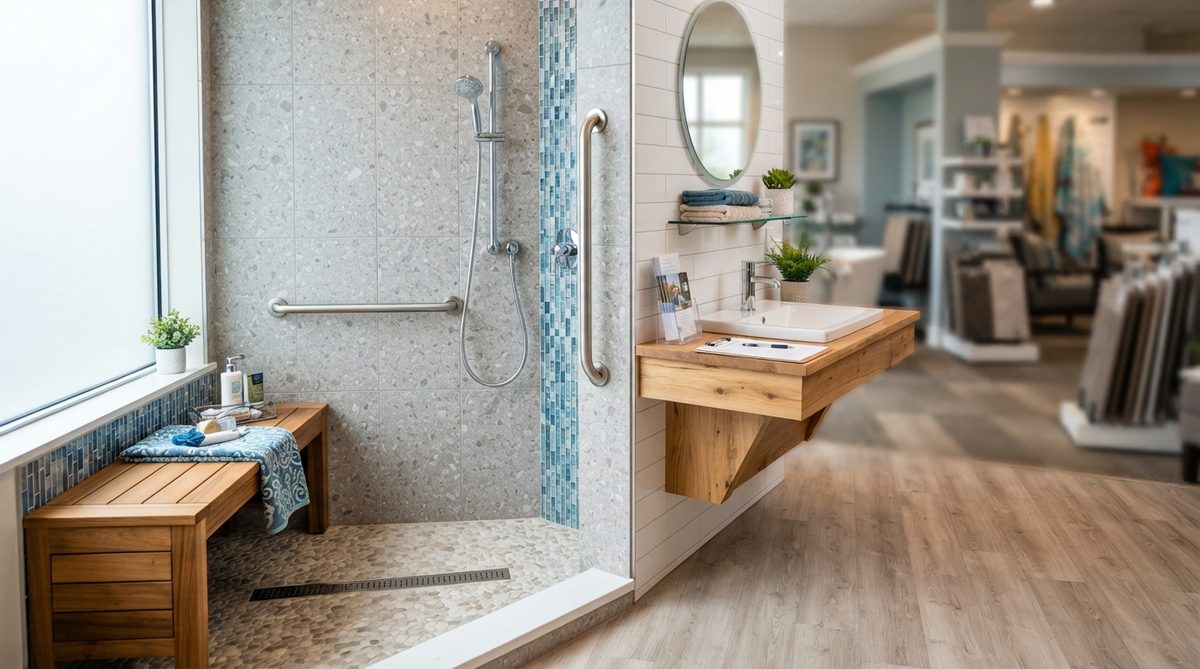
In early 2025, a bipartisan Senate bill was introduced that would offer a $10,000 tax credit to homeowners aged 60 and older for aging-in-place modifications. Qualifying upgrades would include grab bar installation, wheelchair ramp construction, bathroom remodels, stair lifts, widened doorways, and smart-home safety technology.
If passed, this credit could offset 40% to 100% of modification costs for most middle-income homeowners. That’s significant. Currently, Medicare does not cover home modifications (a fact that shocks many of my readers), and Medicaid waivers for home accessibility vary wildly by state. Private insurance rarely touches it either.
The bill has drawn support from aging advocacy groups including the National Council on Aging, which notes that falls alone cost the U.S. healthcare system over $50 billion annually. Preventing even a fraction of those falls through home modifications would more than pay for the tax credit program.
Who Would Benefit Most?
The credit would be most transformative for homeowners in the $40,000–$80,000 annual income range—people who own their homes outright but lack the liquid savings to fund a $15,000 bathroom renovation. These are exactly the households most likely to delay modifications until an emergency forces a far more expensive intervention.
What I see most often in this space is a predictable cycle: a senior falls, goes to the hospital, enters short-term rehab, and then faces the choice between returning to the same unsafe home or moving to a facility. The $10,000 credit, deployed proactively, could break that cycle for millions of Americans.
Room-by-Room: Where Modifications Matter Most
Not all home upgrades carry equal weight. In my reporting, I’ve interviewed dozens of occupational therapists, certified aging-in-place specialists (CAPS), and universal design consultants. They almost universally agree on a priority hierarchy.
The Bathroom: Ground Zero for Falls
The CDC reports that 80% of falls among older adults happen in the bathroom. Wet surfaces, high tub walls, and poor lighting create a near-perfect hazard zone. Priority modifications include:
- Curbless or low-threshold shower entry (eliminates the most common trip point)
- Grab bars at the toilet, shower entry, and inside the shower (rated for 250+ lbs)
- Handheld adjustable-height showerhead
- Non-slip flooring with a coefficient of friction (COF) above 0.6
- Comfort-height toilet (17–19 inches vs. standard 15 inches)
- Motion-activated night lighting along the path from bedroom to bathroom
A full bathroom remodel for accessibility runs $8,000–$20,000. A grab-bar-and-lighting package? As little as $300–$800 installed. Start where you can.
Entryways and Hallways: The Threshold Problem
A single step at the front door—just 7 inches of vertical rise—can become an impassable barrier after a knee replacement or stroke. Ramps, zero-step entries, and lever-style door handles should be addressed early, ideally before any mobility issue arises.
Hallways need to be at least 36 inches wide for walker access and 42 inches for wheelchair clearance. Many older homes, especially colonials and Cape Cods built before 1970, have 30- to 32-inch hallways that make mobility device use extremely difficult.
The Kitchen: Independence Headquarters
The ability to prepare meals is one of the strongest predictors of continued independence. Pull-out shelving, D-shaped cabinet handles, adjustable-height countertops, and front-controlled cooktops all extend the years a person can safely cook for themselves.
For a thorough walkthrough of every room, our comprehensive guide on How to Make Your Home Safe for Aging in Place: 2025 Guide breaks down specific products, price ranges, and contractor questions to ask.
The Technology Layer: Smart Homes Aren’t Just for Millennials
There’s a stubborn myth that older adults and technology don’t mix. I’ve spent considerable energy debunking that idea—you can read my take in 7 Myths About Older Adults and Technology You Need to Stop Believing. The reality is that adults over 65 are the fastest-growing demographic of smart-home adopters, according to Parks Associates’ 2024 consumer data.
The technology most relevant to aging in place isn’t flashy. It’s functional:
- Medical alert systems — Modern devices from companies like Medical Guardian and Bay Alarm Medical include fall detection, GPS tracking, and two-way communication. Monthly costs range from $20 to $50.
- Smart lighting — Motion-activated lights from Philips Hue or Lutron Caseta eliminate the need to navigate dark rooms. Installation is often plug-and-play.
- Video doorbells and smart locks — Allow residents to answer the door without walking to it, reducing fall risk and improving security.
- Voice-activated assistants — Amazon Echo and Google Nest devices can set medication reminders, make emergency calls, control thermostats, and even read audiobooks—all hands-free.
- Water leak and stove-shutoff sensors — Devices like iGuardStove automatically turn off a burner after a set period, reducing kitchen fire risk by up to 70%.
The total cost for a basic smart-home safety package runs $500–$1,500, and most devices require no professional installation. When layered on top of physical modifications, this technology can extend safe independent living by years.
The Workforce Problem Nobody’s Talking About
Here’s where the aging-in-place narrative starts to strain. Even if every home could be perfectly modified, we face a severe shortage of the people needed to support in-home living: home health aides, occupational therapists, geriatric care managers, and even the contractors trained to do accessibility work.
The Bureau of Labor Statistics projects a need for 820,000 additional home health and personal care aides by 2032—the largest growth of any occupation in the country. Meanwhile, median pay for these roles sits at just $16.12 per hour, and turnover rates exceed 60% annually in many states.
The contractor side is equally challenging. The National Association of Home Builders (NAHB) has certified approximately 4,500 professionals through its CAPS (Certified Aging-in-Place Specialist) program since inception. That’s 4,500 certified specialists for a country with 56 million adults over 65. The ratio is staggering.
What This Means for You
If you’re planning modifications, start vetting contractors now—even if you don’t plan to renovate for two or three years. Ask specifically for CAPS certification or equivalent training. Get multiple bids. And understand that wait times for accessibility-focused contractors in some metro areas already stretch to six months or longer.
The Emotional Architecture of Staying Home
Dollars and grab bars only tell half the story. In my years of reporting, I’ve noticed that the fiercest advocates for aging in place aren’t motivated primarily by money. They’re motivated by memory, identity, and control.
Your home isn’t just shelter. It’s the kitchen where you perfected your grandmother’s pie crust. It’s the backyard where your kids learned to throw a ball. It’s the neighborhood where the mail carrier knows your name. Leaving that—even for a beautifully appointed senior community—carries a psychological cost that rarely shows up in financial comparisons.
Research published in The Gerontologist in 2023 found that older adults who remained in their own homes reported 23% higher life satisfaction scores and 18% lower rates of depression compared to peers who moved to institutional settings, even after controlling for health status and income. Place attachment is not sentimentality. It’s a measurable health variable.
When Aging in Place Isn’t the Right Answer
I’d be doing my readers a disservice if I painted this as universally ideal. There are scenarios where aging in place becomes unsafe, isolating, or financially unsustainable, and recognizing those inflection points is just as important as planning for success.
- Advanced dementia or cognitive decline — When a person can no longer safely manage medications, operate a stove, or recognize emergencies, 24-hour supervised care becomes essential. No amount of home modification substitutes for human oversight at that stage.
- Severe social isolation — A homebound senior with no nearby family, limited mobility, and few social connections may actually thrive in a community setting where daily interaction is built into the structure.
- Structural limitations of the home — Some houses simply cannot be modified affordably. A three-story Victorian with narrow stairways, a basement laundry, and a second-floor-only bathroom may cost $80,000+ to make accessible. At that point, relocating to an accessible single-story home or senior community becomes the smarter financial move.
- Caregiver burnout — When a spouse or adult child is the primary caregiver, their health and wellbeing matter too. The National Alliance for Caregiving reports that 36% of family caregivers describe their situation as highly stressful, and 17% say their own health has deteriorated as a result.
The goal isn’t to age in place at all costs. The goal is to age well—and for most people, in most situations, home is where that happens best.
A Practical Timeline: When to Do What
Based on interviews with geriatric specialists and my own reporting, here’s the timeline I recommend to readers who are serious about staying home long-term.
Ages 50–60: Assess and Plan
- Walk through your home with a critical eye—or hire a CAPS-certified specialist for a formal assessment ($150–$400).
- Identify structural barriers: stairs, narrow doorways, high bathtubs, poor lighting.
- Begin budgeting for modifications. Even setting aside $200/month creates a $24,000 fund over ten years.
- Review your financial plan with aging costs in mind. Our guide on 5 Biggest Financial Concerns for Retirees and How to Fix Them is a useful starting point.
Ages 60–70: Modify and Equip
- Complete the highest-priority modifications: bathroom accessibility, entryway ramps or zero-step entries, improved lighting throughout.
- Install smart-home safety technology.
- Establish relationships with local home-care agencies before you need them.
- If the proposed Senate tax credit passes, leverage it fully in this window.
Ages 70+: Maintain and Adapt
- Schedule annual home-safety reassessments as your physical needs evolve.
- Layer in professional support (cleaning, yard work, meal delivery) to reduce physical strain.
- Revisit the plan honestly every year. What worked at 72 may not work at 82.
The Bottom Line: Aging in Place Is a Right Worth Fighting For
In 16 years of covering this beat, I’ve watched aging in place evolve from a niche concept discussed by gerontologists to a mainstream expectation held by nearly nine in ten older Americans. That shift is real, and it’s justified by data, economics, and the deeply human desire to live life on your own terms.
But desire alone won’t make your home safe. The gap between wanting to stay and being able to stay is filled by planning, investment, policy support, and honest self-assessment. The $10,000 Senate tax credit, if enacted, would be the most significant federal investment in this space in decades. The smart-home technology arriving in 2025 is more accessible and affordable than ever. And the evidence that home modifications prevent falls, reduce hospitalizations, and extend independence is now overwhelming.
The question isn’t whether aging in place is a good idea. The data settled that long ago. The question is whether you’ll start preparing while the timeline is still on your side.
Frequently Asked Questions
Does Medicare cover aging-in-place home modifications?
No, traditional Medicare does not cover home modifications like grab bars, ramps, or bathroom remodels. Some Medicare Advantage plans offer limited home-safety benefits, and certain Medicaid waiver programs in select states may cover modifications for qualifying low-income seniors. The proposed Senate bill offering a $10,000 tax credit would be the first major federal program to directly offset these costs for homeowners.
How much does it cost to make a home accessible for aging in place?
Costs vary widely based on the home's current condition and the scope of work. Basic safety upgrades like grab bars, improved lighting, and non-slip flooring can cost $500–$2,000. A comprehensive renovation including a curbless shower, widened doorways, and a ramp typically runs $10,000–$25,000. Extensive whole-home modifications for wheelchair accessibility can exceed $50,000 in older homes with structural limitations.
What is the most important room to modify for aging in place?
Occupational therapists and aging-in-place specialists consistently identify the bathroom as the top priority. The CDC reports that 80% of in-home falls among older adults occur in the bathroom due to wet surfaces, high tub walls, and poor lighting. Installing grab bars, a curbless shower, non-slip flooring, and motion-activated night lighting delivers the highest safety return on investment.
At what age should I start planning aging-in-place modifications?
Experts recommend beginning your assessment and financial planning between ages 50 and 60, even if no modifications are needed yet. This allows time to budget, research contractors, and complete work before mobility challenges arise. Starting early also lets you take advantage of potential tax credits and spread costs over several years rather than facing a large emergency expense after a fall or health event.
About Jennifer Adams, 16 Years in Lifestyle Journalism
Jennifer Adams is a lifestyle journalist with 16 years of experience writing about travel, hobbies, relationships, home life, and the art of aging well. She has contributed to national publications focused on the interests and aspirations of adults over 50 — from budget-friendly travel destinations to rediscovering hobbies in retirement. At Daily Trends Now, Jennifer writes warm, practical articles that celebrate life after 50 and help readers make the most of every chapter.