

Key Takeaways
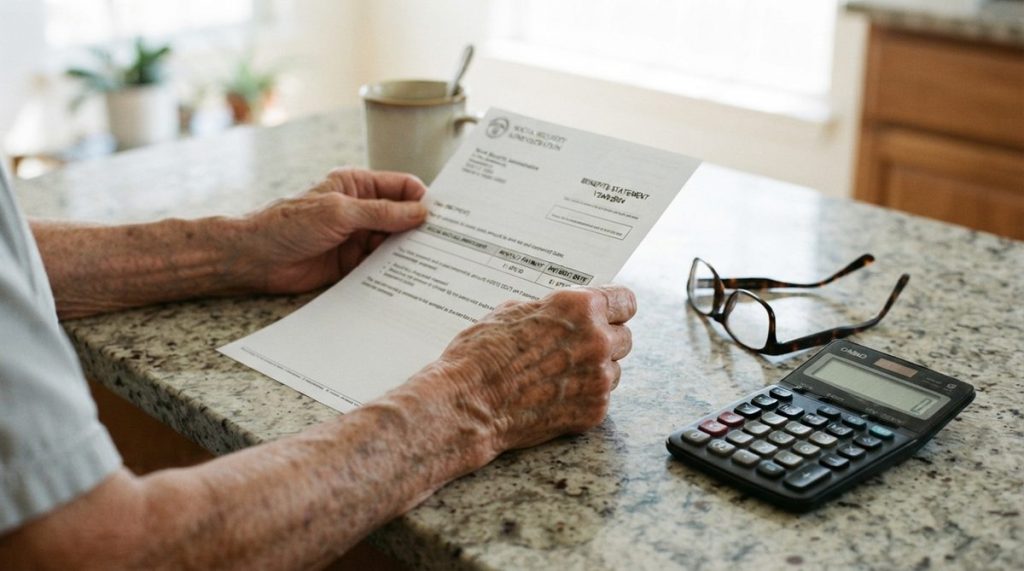
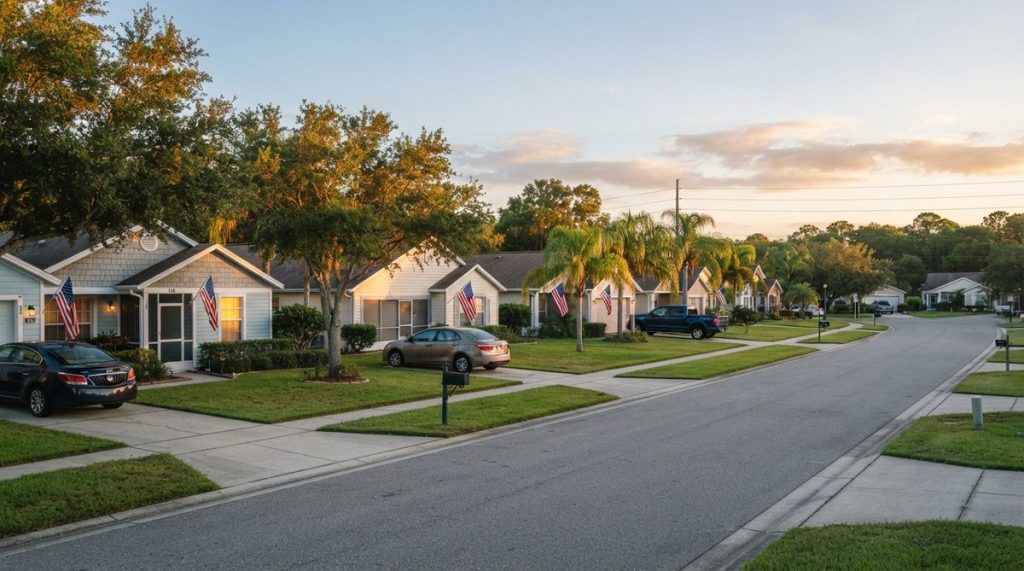
- Nearly 90% of adults over 65 want to age in their own homes, but most homes aren't ready without targeted safety modifications.
- Bathroom upgrades like grab bars, walk-in showers, and non-slip flooring prevent the majority of in-home fall injuries.
- A proposed Senate bill could offer up to $10,000 in tax credits for senior home upgrades, making 2025 a strategic year to plan renovations.
- Aging-in-place modifications don't have to drain your savings — prioritizing high-impact changes room by room keeps costs manageable.
Why Aging in Place Matters More Than Ever in 2025
Here’s a number that stopped me in my tracks when I first encountered it years ago, and it still holds: according to AARP, roughly 89% of adults aged 65 and older say they want to remain in their current home as they age. That’s not a mild preference — it’s an overwhelming consensus. Yet in my 14 years as a Certified Aging-in-Place Specialist, I’ve walked through hundreds of homes that simply aren’t ready for the realities of getting older.
The desire to stay home is deeply personal. Your home holds decades of memories, it’s woven into your community, and frankly, it’s usually more affordable than assisted living, which now averages over $4,500 per month nationally. But desire alone doesn’t make a home safe. What I see most often is a dangerous gap between intention and preparation — and that gap is where falls, injuries, and forced relocations happen.
The good news? Making your home safe for aging in place doesn’t require a six-figure renovation. It requires a plan, smart prioritization, and knowing where every dollar delivers the greatest return in safety. That’s exactly what this guide delivers.
Start With a Whole-Home Safety Assessment
Before you buy a single grab bar, I always tell my clients to slow down and assess the full picture. A formal aging-in-place assessment evaluates your home’s layout, lighting, flooring, doorway widths, bathroom accessibility, kitchen usability, and emergency egress. You can hire a CAPS-certified professional through the National Association of Home Builders directory, or begin with a self-guided walkthrough.
Walk through your home as if you had limited mobility. Could you navigate every room with a walker? Could you get out quickly in an emergency? Are there throw rugs waiting to trip you? Are light switches accessible from a seated position? These questions expose risks that most homeowners have been living with for decades without noticing.
The Room-by-Room Approach
I recommend breaking your assessment into zones: entryways and exits, hallways and stairs, bathroom, kitchen, bedroom, and outdoor spaces. Prioritize the rooms where falls and injuries happen most — and that means starting with the bathroom.
Bathroom Modifications: The Highest-Impact Investment
The National Council on Aging reports that one in four Americans aged 65 and older falls each year, and the bathroom is the single most dangerous room in the house. Wet surfaces, tight spaces, and the physical demands of getting in and out of a tub create a perfect storm of risk.
If you do nothing else, focus here. The modifications that deliver the greatest safety return include:
- Grab bars: Install them beside the toilet, inside the shower or tub, and at the bathroom entrance. ADA-compliant grab bars rated for 250+ pounds cost $20–$50 each, but professional installation into wall studs is essential — suction-cup versions fail.
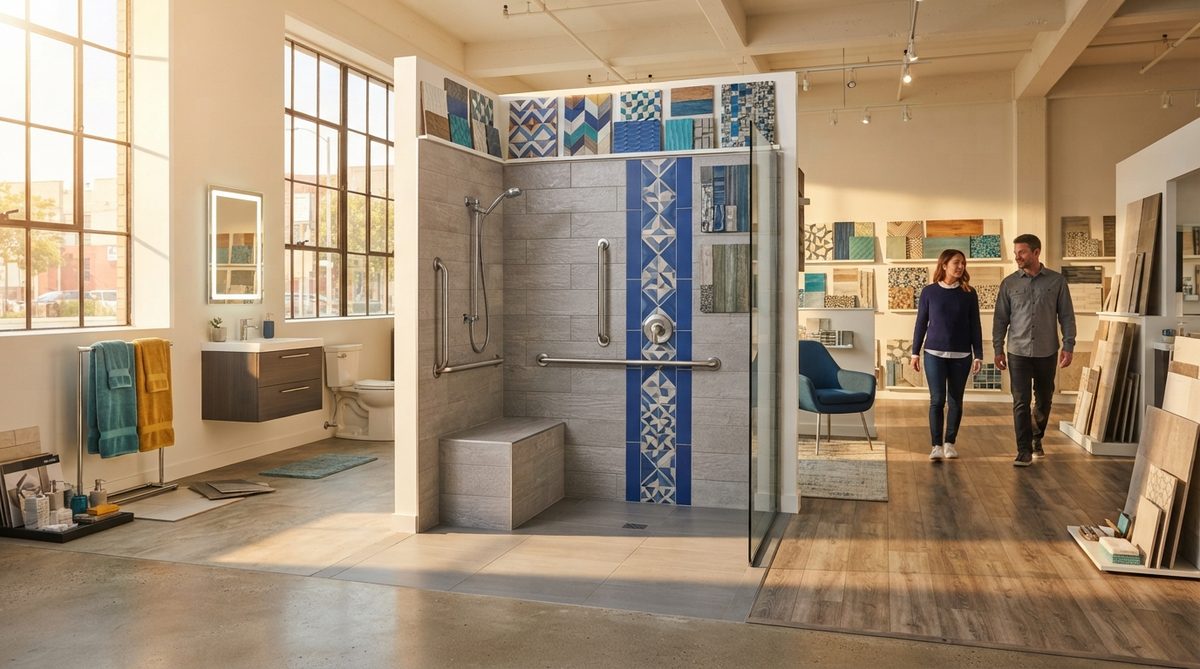
- Walk-in or curbless shower: Replacing a traditional tub with a curbless shower eliminates the most common point of bathroom falls. Expect to budget $3,000–$8,000 depending on your region.
- Non-slip flooring: Textured tile or vinyl with a high coefficient of friction dramatically reduces slip risk. This can often be installed over existing flooring for $500–$1,500.
- Comfort-height toilet: A 17–19 inch seat height (versus the standard 15 inches) reduces strain on knees and hips. A new ADA-height toilet runs $200–$500 installed.
- Handheld showerhead: A $30–$80 upgrade that allows bathing from a seated position — simple but transformative.
Lighting, Flooring, and Fall Prevention Throughout the Home
Falls don’t just happen in the bathroom. Hallways, staircases, and bedrooms are close behind in the injury statistics. The National Institute on Aging emphasizes that poor lighting and tripping hazards are among the most preventable risk factors for falls in older adults.
Lighting Upgrades That Cost Little but Matter Enormously
As we age, our eyes need two to three times more light to see the same level of detail. I’ve found that most homes occupied by adults over 60 are significantly under-lit, especially in transitional spaces like hallways, staircases, and entryways.
- Install motion-sensor LED lights in hallways, bathrooms, and staircases so you never walk into a dark room.
- Add illuminated light switch plates — they cost under $15 each and eliminate fumbling in the dark.
- Place plug-in nightlights along the path from bedroom to bathroom. Falls during nighttime bathroom trips are alarmingly common.
- Replace dim overhead fixtures with bright, daylight-temperature LEDs (5000K). The bulbs cost $3–$8 each and make a remarkable difference.
Flooring: Remove Every Tripping Hazard
This is the advice I give most often, and it’s also the advice most often ignored: remove all throw rugs. Every single one. I understand they’re decorative and feel cozy underfoot, but loose rugs are responsible for a staggering number of fall injuries. If you must have a rug, use industrial-strength double-sided carpet tape and choose low-pile options with no curling edges.
Beyond rugs, consider replacing thick carpet with smooth, low-pile flooring or luxury vinyl plank (LVP). LVP is waterproof, slip-resistant, easy on joints, and runs $2–$5 per square foot installed. It’s become my go-to recommendation for aging-in-place flooring projects.
Kitchen Safety: Practical Changes That Preserve Independence
The kitchen is where independence lives. Being able to cook your own meals, make coffee in the morning, and store food safely — these daily rituals matter. A few targeted modifications keep the kitchen functional and safe for decades.
- Lever-style faucet handles: Replace twist knobs, which are difficult for arthritic hands. Lever handles cost $80–$250 and install in under an hour.
- Pull-out shelving: Retrofit lower cabinets with pull-out drawers so you’re not reaching into deep, dark cabinets. Expect $50–$150 per shelf.
- Relocate daily-use items: Move dishes, glasses, and cooking essentials to countertop level or lower cabinets. Eliminate the need for step stools entirely.
- Auto-shutoff appliances: Stove-top fire prevention devices like automatic burner shut-offs cost $100–$300 and provide critical protection against kitchen fires, which disproportionately affect adults over 65.
- Contrasting edge strips: Apply high-contrast tape to counter edges to help those with diminishing depth perception identify surfaces.
Stairways, Entryways, and Getting In and Out Safely
If your home has stairs — inside or outside — they deserve immediate attention. Secure handrails on both sides of every staircase. If existing handrails are wobbly, replace or reinforce them before anything else. This is a $200–$600 project that a handyman can complete in an afternoon, and it addresses one of the leading causes of serious fall injuries.
The Front Door Problem
What I see most often is a front entrance that becomes progressively harder to use: uneven walkways, a single step with no railing, poor outdoor lighting, and a lock that requires fine motor precision. Here’s what to prioritize:
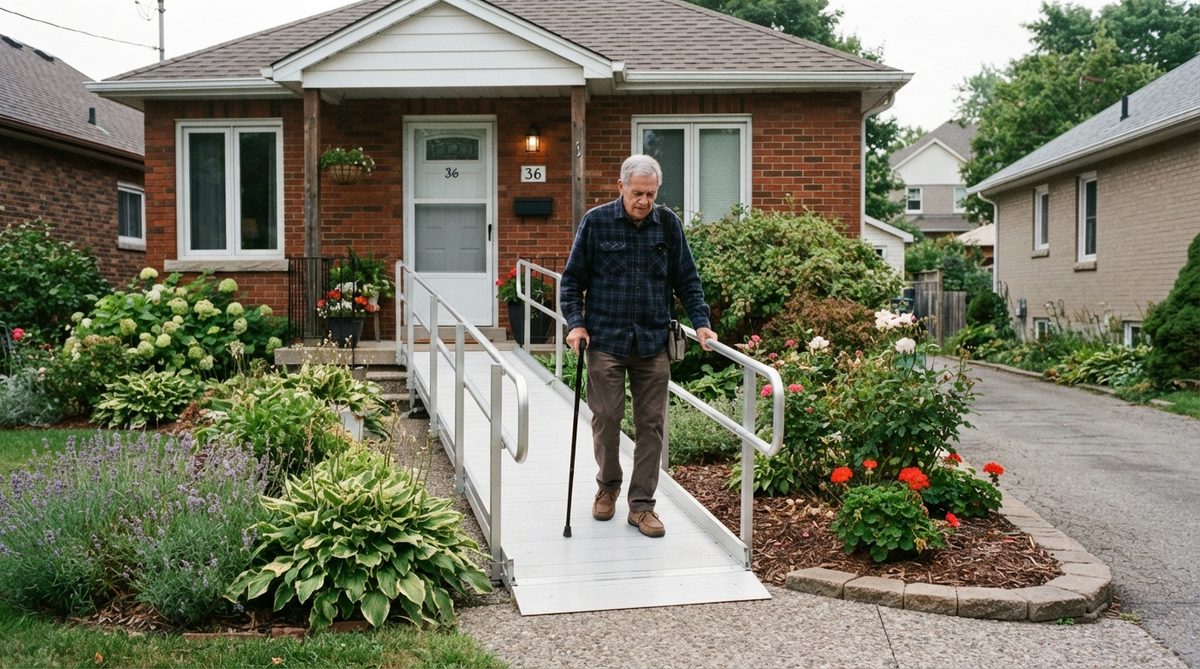
- Install a ramp or zero-step entry if possible. Modular aluminum ramps start at $1,000–$3,000 for residential lengths.
- Add exterior motion-sensor floodlights — $30–$80 per fixture — to illuminate the path from driveway to door.
- Switch to a smart lock with keypad or voice activation. This eliminates fumbling with keys in poor light or with stiff hands.
- Repair or replace uneven walkway pavers. A cracked or heaved sidewalk is a fall waiting to happen.
What This Actually Costs: A Realistic Budget Breakdown
One of the biggest barriers to making a home safe for aging in place is the fear that it will cost a fortune. Let me set the record straight with real-world numbers based on what I’ve seen across hundreds of projects.
| Modification | Estimated Cost | Impact Level | DIY Possible? |
|---|---|---|---|
| Grab bars (3–5 installed) | $150–$400 | Very High | Yes, if into studs |
| Curbless shower conversion | $3,000–$8,000 | Very High | No — hire a pro |
| Non-slip flooring (bathroom) | $500–$1,500 | High | Sometimes |
| Comfort-height toilet | $200–$500 | High | Possible |
| Motion-sensor lighting (whole home) | $100–$300 | High | Yes |
| Handrail reinforcement/addition | $200–$600 | Very High | Sometimes |
| Modular ramp (exterior) | $1,000–$3,000 | High | No |
| Pull-out cabinet shelves (kitchen) | $300–$750 | Medium | Yes |
| Smart lock (keypad entry) | $150–$350 | Medium | Yes |
| Stairlift (if needed) | $3,000–$6,000 | Very High | No |
A basic safety package — grab bars, lighting, throw rug removal, handrails, and a handheld showerhead — can come in under $1,000. A comprehensive renovation including a walk-in shower, flooring, and ramp typically runs $8,000–$15,000. Compare that to the average annual cost of assisted living ($54,000+) and the math becomes very clear.
Financial Help: Tax Credits, Grants, and Programs You Should Know About
Affordability is a real concern, and I never minimize it. But there are more funding pathways than most people realize.
In 2025, a bipartisan Senate bill has proposed a $10,000 tax credit for senior home safety upgrades. While the legislation is still working through Congress, it signals growing federal recognition that helping people age in place saves the healthcare system billions. Track its progress — if it passes, it could cover a significant portion of your modifications.
Other financial resources include:
- Medicaid Home and Community-Based Services (HCBS) waivers: Available in most states, these can fund grab bars, ramps, and other modifications for eligible low-income seniors.
- USDA Rural Development grants: If you live in a rural area, the Section 504 program offers grants up to $10,000 for home repairs for homeowners aged 62+ with very low income.
- Area Agencies on Aging: Your local AAA often administers small grant programs for home modifications. Call your state’s office to ask what’s available.
- VA Specially Adapted Housing grants: Veterans may qualify for grants up to $109,986 (2025 figure) for home adaptations related to service-connected disabilities.
If you’re weighing how to fund modifications against other retirement priorities, it’s worth reading about how to close the retirement income gap in 2026 so you can allocate funds strategically without compromising your long-term financial security.
Technology That Supports Safe Aging at Home
I’m not a tech evangelist, but certain technologies have earned their place in the aging-in-place toolkit because they genuinely save lives and extend independence.
Medical Alert Systems
Modern medical alert devices have come a long way from the “I’ve fallen and I can’t get up” era. Today’s systems include automatic fall detection, GPS tracking, and two-way voice communication. Monthly costs range from $20–$50, and they provide peace of mind for both the person wearing them and their family.
Smart Home Devices
Voice-activated assistants like Amazon Echo or Google Home let you control lights, lock doors, set medication reminders, and call for help — all hands-free. For someone with limited mobility or vision impairment, voice control can be genuinely life-changing.
Video doorbells ($100–$250) let you see and speak with visitors without approaching the door. Smart water leak detectors ($20–$50) alert you before a small leak becomes a dangerous flood. These aren’t luxury gadgets — they’re practical safety tools.
Of course, as you integrate more technology into your home, staying aware of scam risks becomes critical. I recommend reviewing this guide on how to protect yourself from financial scams in 2025 to keep your devices and personal information secure.
When to Start — and Why Waiting Is the Biggest Risk
In my experience, the single biggest mistake people make with aging-in-place planning is waiting until after a fall or health crisis forces their hand. By then, decisions are rushed, costs are higher (because you’re paying for urgent rather than planned work), and options are limited.
The ideal time to make your home safe for aging in place is in your 50s or 60s — before you need the modifications. At that stage, you can phase improvements over several years, shop for the best contractors, and absorb costs gradually. Many of the changes, like better lighting and lever-handle faucets, improve daily life immediately regardless of your age or mobility level.
If you’re already in your 70s or 80s and haven’t started, don’t feel overwhelmed. Begin with the highest-impact, lowest-cost items: grab bars, lighting, throw rug removal, and handrail checks. These four actions alone can reduce your fall risk substantially, and most can be completed in a single weekend.
Building a Support Network Around Your Home
A safe home is essential, but it’s not the whole picture. Aging in place successfully also means having a support network — neighbors who check in, family members who visit regularly, a relationship with a primary care physician who understands your living situation, and connections to community resources.
I encourage every client to establish a relationship with their local Area Agency on Aging. These organizations connect you with meal delivery, transportation, in-home care aides, and social programs that combat the isolation that can make aging at home feel lonely rather than liberating.
Financial planning is the other pillar. Making your home safe for aging in place is an investment that pays dividends, but it needs to fit within your broader retirement picture. For a deeper dive into protecting your financial foundation, take a look at the 5 biggest financial concerns for retirees and how to fix them.
Your Home Can Be Your Best Retirement Asset
After 14 years of helping people adapt their homes, I’ve seen the transformation that happens when someone realizes their house can work with them, not against them. A well-modified home isn’t just safer — it’s more comfortable, more efficient, and more enjoyable to live in. It preserves dignity and independence in a way that no institutional setting can replicate.
Making your home safe for aging in place is not a single project. It’s an ongoing commitment to living well in the space you love. Start with the bathroom. Fix the lighting. Remove the throw rugs. Check the handrails. Then keep going, one smart improvement at a time.
Your future self will thank you — and so will the people who love you.
About Marcus Bell, Certified Aging-in-Place Specialist (CAPS)
Marcus Bell is a Certified Aging-in-Place Specialist (CAPS) with 14 years of experience helping American seniors create safer, more comfortable living environments. He has consulted on hundreds of home modifications — from bathroom safety upgrades to smart home installations — and writes extensively about the products, services, and strategies that help older adults live independently for longer. At Daily Trends Now, Marcus covers home improvement, aging-in-place solutions, gardening, and practical lifestyle tips for seniors.