


Key Takeaways
- Financial scams targeting older adults cost Americans over $3.4 billion in 2023 alone, and losses are accelerating in 2025.
- Recognizing the top five scam tactics — from tech support fraud to romance scams — is your strongest first line of defense.
- Setting up call filtering, two-factor authentication, and credit freezes takes under an hour and blocks the majority of common attacks.
- Talking openly with family about scam attempts removes the shame factor that scammers exploit and creates a safety net around your finances.
Why Financial Scams Targeting Older Adults Are Surging Right Now
Let me share a number that should stop you in your tracks: according to the FBI’s Internet Crime Complaint Center, Americans over 60 reported losses of more than $3.4 billion to fraud in 2023 — a 11% increase from the year before. And that figure only reflects what was reported. The actual number is almost certainly higher, because shame and embarrassment keep many victims silent.
In my 12 years covering consumer technology, I’ve watched scam tactics evolve from clumsy Nigerian prince emails into sophisticated, AI-generated phone calls that can mimic a grandchild’s voice in real time. The technology powering these cons has leaped forward, but here’s the good news: the technology to stop them has advanced just as fast — if you know how to use it.
This guide is designed to walk you through, step by step, exactly how to protect yourself from financial scams in 2025. No jargon, no scare tactics — just practical moves you can make today.
The 5 Most Common Scams Targeting Adults Over 50
Before we get to solutions, you need to know what you’re defending against. What I see most often are these five scam categories, which account for the vast majority of losses among older adults.
1. Tech Support Fraud
You’re browsing the web when a full-screen pop-up screams that your computer is infected. A phone number urges you to call “Microsoft” or “Apple” immediately. The person who answers sounds professional, asks for remote access to your machine, and eventually requests payment — often via gift cards or wire transfer. The FBI ranked this the number-one scam type affecting people over 60 in its most recent report.
2. Government Impersonation
A caller claims to be from the IRS, Social Security Administration, or Medicare. They threaten arrest, benefit suspension, or legal action unless you pay immediately or “verify” personal information. No legitimate government agency will ever call you demanding immediate payment or threatening arrest.
3. Romance and Confidence Scams
These often begin on social media or dating apps. The scammer builds a relationship over weeks or months, then fabricates an emergency — a medical crisis, a business deal gone wrong — and asks for money. Losses in this category exceeded $652 million for adults over 60 in 2023 alone.
4. Investment and Cryptocurrency Fraud
Fake investment platforms, often promoted through social media ads, promise guaranteed returns. They may let you “withdraw” a small amount early to build trust, then pressure you to invest more. Once you do, the platform vanishes. If you’re evaluating legitimate investment options, our guide on 7 High-Return Low-Risk Investments for Retirees in 2025 can help you distinguish real opportunities from fraudulent ones.
5. Grandparent and Family Emergency Scams
You get a panicked call: “Grandma, I’m in trouble — please don’t tell Mom and Dad.” The caller may actually sound like your grandchild, thanks to AI voice-cloning tools that need only a few seconds of audio from a social media video to generate a convincing imitation. They’ll ask you to wire money or send gift cards for bail, hospital bills, or travel.

Your 10-Step Action Plan to Protect Yourself From Financial Scams
Now that you know the threats, here’s exactly what to do about them. I’ve organized these steps from quickest wins to deeper protections. You don’t have to do all ten in one sitting — but I’d encourage you to work through the entire list this week.
- Freeze your credit at all three bureaus. Visit Equifax.com, Experian.com, and TransUnion.com to place a free credit freeze. This prevents anyone — including you — from opening new accounts in your name until you temporarily lift the freeze. It takes about five minutes per bureau and costs nothing. This single step blocks most identity-theft-driven fraud.
- Turn on two-factor authentication (2FA) for every financial account. Log in to your bank, brokerage, and email accounts. Look under “Security” or “Settings” for two-factor or multi-factor authentication. Choose the option that sends a code to your phone via text message or, better yet, uses an authenticator app like Google Authenticator or Microsoft Authenticator. Even if a scammer steals your password, they can’t get in without that second code.
- Enable your phone’s built-in call filtering. On iPhone, go to Settings → Phone → Silence Unknown Callers. On Android, open the Phone app → Settings → Caller ID & Spam → toggle on “Filter spam calls.” This won’t block every scam call, but it dramatically reduces the volume. The FTC reports that phone calls remain the number-one contact method scammers use to reach older adults.
- Create a family “safe word.” Pick a word or phrase that only your immediate family knows — something unguessable, like “purple Tuesday fishing.” If you ever receive a distress call from a family member, ask for the safe word before sending money. AI voice clones can mimic a voice, but they can’t guess a phrase that was never spoken publicly.
- Set up bank and credit card alerts. Log in to your banking app or website and enable transaction alerts for any purchase over a dollar amount you choose — $50 is a good starting point. You’ll get an instant text or email notification, so if a fraudulent charge appears, you’ll know within seconds rather than discovering it on a monthly statement.
- Register your phone numbers on the National Do Not Call Registry. Visit DoNotCall.gov or call 1-888-382-1222 from the number you want to register. While this won’t stop scammers who ignore the law, it reduces legitimate telemarketing calls — making it easier to identify the illegitimate ones.
- Install a reputable password manager. Apps like 1Password, Bitwarden, or the built-in Apple Keychain / Google Password Manager generate and store unique, complex passwords for every site you use. You only need to remember one master password. Reusing passwords across sites is one of the most common ways accounts get compromised. Consumer Reports has consistently rated Bitwarden and 1Password among the best free and paid options.
- Verify before you act — every single time. If you receive a call, email, or text asking for money or personal information, hang up and contact the organization directly using a phone number from their official website or the back of your card. Never use the number the caller provides. This 30-second habit stops the vast majority of impersonation scams dead.
- Limit personal information on social media. Review your Facebook, Instagram, and other social profiles. Remove or hide your birthdate, hometown, pet names, high school, and other details commonly used in security questions. Scammers mine these details to answer account-recovery questions and gain access to your financial accounts.
- Designate a trusted contact on financial accounts. Most major brokerages and many banks now let you name a “trusted contact” — someone the institution can reach out to if they suspect you’re being exploited or if there’s unusual account activity. This isn’t giving the person control over your money; it’s adding a safety net. Talk to your financial advisor or bank about setting this up.
What to Do If You’ve Already Been Scammed
If you suspect you’ve fallen victim to a scam, speed matters. Here are the critical steps in order of urgency.
Contact Your Bank or Credit Card Company Immediately
Call the number on the back of your card or on your bank statement. Explain the situation and ask them to freeze the account, reverse any unauthorized transactions, and issue new cards. Many banks have dedicated fraud departments available 24/7. The sooner you call, the higher the chance of recovering your funds.
File Reports With the Appropriate Agencies
Report the scam to the FTC at ReportFraud.ftc.gov, to the FBI’s Internet Crime Complaint Center at IC3.gov, and to your state attorney general’s office. These reports help law enforcement track patterns and shut down scam operations. CISA (the Cybersecurity & Infrastructure Security Agency) also maintains a list of current threats and recommended protective measures worth bookmarking.
Change Your Passwords and Check for Identity Theft
If the scammer had access to your computer or any login credentials, change passwords for every account — starting with email and banking. Request free credit reports from AnnualCreditReport.com and look for unfamiliar accounts or inquiries. Consider placing a fraud alert (different from a credit freeze) on your credit files, which requires creditors to verify your identity before opening new accounts.
For a deeper dive into protecting your financial wellbeing, our comprehensive guide on how to protect yourself from financial scams in 2025 covers additional strategies, and if you’re concerned about the broader impact on your retirement savings, take a look at 5 Biggest Financial Concerns for Retirees and How to Fix Them.
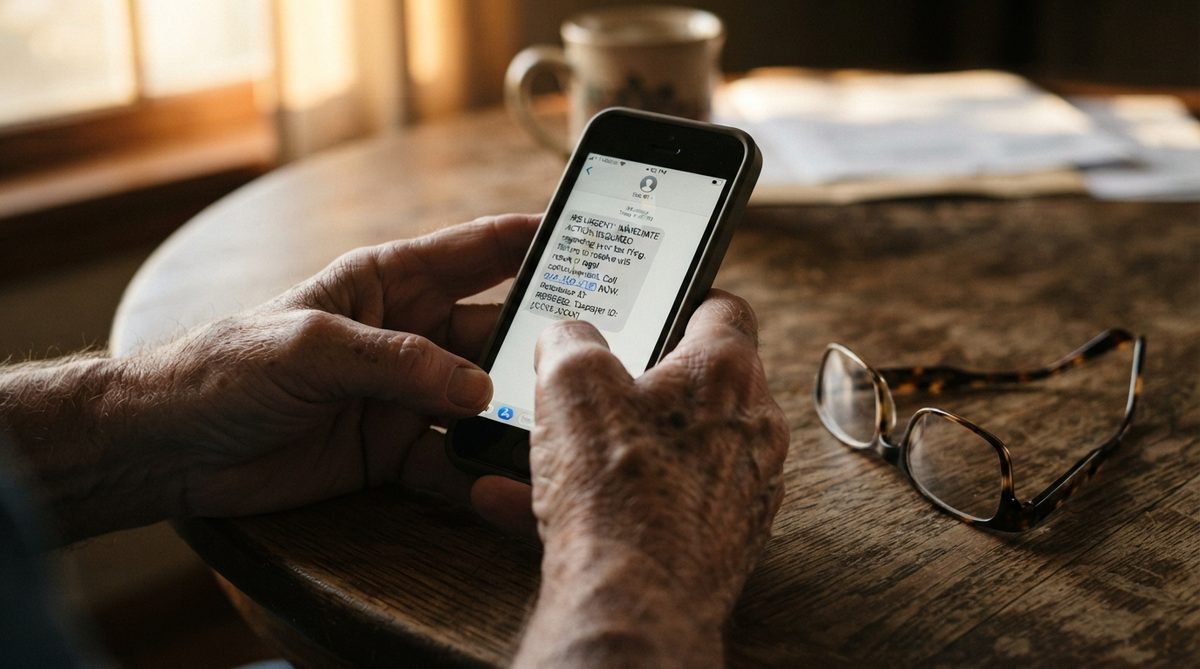
Why Shame Is the Scammer’s Best Weapon — and How to Disarm It
I often tell my readers that the single most damaging thing about financial scams isn’t the money — it’s the silence that follows. AARP research has found that only about 1 in 44 elder fraud cases is ever reported. That gap exists largely because victims feel embarrassed or fear that family members will question their competence.
Here’s what I want you to understand: being targeted by a scam does not mean you’re gullible. These operations are run by organized criminal networks with budgets, scripts, and technologies specifically engineered to bypass rational thinking. Doctors, lawyers, former FBI agents, and tech professionals have all fallen victim.
The most effective defense I’ve seen isn’t a piece of software — it’s an open conversation. Talk with your spouse, children, or close friends about scam attempts you’ve encountered. Share this article. Make it routine, like discussing the weather. When scam awareness becomes a normal topic of conversation rather than a source of shame, scammers lose their most powerful tool: isolation.
Emerging Threats to Watch in 2025 and Beyond
AI-Powered Deepfake Calls
As I mentioned earlier, AI voice-cloning technology now requires only a few seconds of sample audio. In 2024, the FTC documented a sharp rise in “family emergency” scams using cloned voices. Your safe-word system is the direct counter to this. If you haven’t set one up yet, do it today — it’s step four on the list above.
QR Code Scams (“Quishing”)
Scammers are placing fake QR codes on parking meters, restaurant menus, and even in direct mail. Scanning the code takes you to a phishing site designed to steal login credentials or payment information. Before scanning any QR code, check whether it’s a sticker placed over the original, and preview the URL on your phone’s screen before tapping through. If it looks unfamiliar or oddly formatted, don’t proceed.
AI-Generated Phishing Emails
The days of spotting scam emails by their broken English are over. Generative AI tools produce grammatically flawless, highly personalized phishing messages. Your best protection remains the verify-before-you-act principle: never click links or download attachments in unsolicited emails. Navigate directly to the company’s website or call them instead.
Building a Long-Term Scam-Resistance Habit
Technology moves fast, and scam tactics move faster. But the core principles of protection don’t change. Here’s a quarterly routine I recommend to my readers:
- January and July: Review your credit reports at AnnualCreditReport.com. Look for accounts you didn’t open and inquiries you don’t recognize.
- March and September: Update your passwords for email, banking, and social media. If you’re using a password manager, this takes just minutes.
- June and December: Check your phone and computer for software updates. Outdated software is one of the easiest entry points for hackers. Enable automatic updates wherever possible.
- Every quarter: Have a brief conversation with a trusted family member or friend about any suspicious calls, texts, or emails you’ve received.
Staying safe online isn’t about becoming a tech expert. It’s about building a few strong habits and sticking with them. In my 12 years covering this beat, the people who avoid scams aren’t necessarily the most tech-savvy — they’re the most consistently cautious.
You’ve already taken the most important step by reading this far. Now pick one action from the list above and do it before you close this page. Then come back tomorrow and do the next one. Within a week, you’ll have a level of protection that puts you ahead of the vast majority of people — at any age.
Frequently Asked Questions
What is the most common financial scam targeting older adults in 2025?
Tech support fraud remains the most common scam affecting adults over 60, according to the FBI's Internet Crime Complaint Center. Scammers use fake pop-up warnings to trick victims into calling a bogus support number and then request remote computer access and payment via gift cards or wire transfers.
How do I freeze my credit, and does it cost anything?
You can freeze your credit for free at each of the three major bureaus — Equifax, Experian, and TransUnion — through their websites. A credit freeze prevents anyone from opening new accounts in your name until you temporarily lift it, and it has no effect on your credit score.
Can AI really clone a family member's voice for scam calls?
Yes. AI voice-cloning tools can generate a convincing replica of someone's voice from just a few seconds of audio, often pulled from social media videos. The best defense is establishing a family safe word — a secret phrase that only your family knows — and asking for it before sending money in any emergency call.
Should I use an authenticator app or text-message codes for two-factor authentication?
An authenticator app like Google Authenticator or Microsoft Authenticator is more secure than text-message codes because SMS messages can be intercepted through SIM-swapping attacks. However, text-message 2FA is still far better than using a password alone, so use whichever method you're comfortable setting up.
What should I do first if I think I've been scammed?
Contact your bank or credit card company immediately to freeze your account and dispute unauthorized charges. Then file reports with the FTC at ReportFraud.ftc.gov and the FBI's IC3 at IC3.gov. Change your passwords for all financial and email accounts, and check your credit reports for signs of identity theft at AnnualCreditReport.com.
About Alex Rivera, 12+ Years in Consumer Tech Reporting
Alex Rivera is a senior technology journalist with over 12 years of experience making technology accessible to everyday readers. He has covered consumer electronics, smartphones, smart home devices, streaming platforms, and digital privacy for major publications. At Daily Trends Now, Alex focuses on the tech that matters most to American adults — from choosing the right phone plan to protecting your data online. His reviews and guides cut through the jargon to help readers make confident technology decisions.