

Key Takeaways
- The average cost of aging in place can exceed $100,000 over a decade when home modifications, healthcare, and maintenance are factored together.
- Strategic early investments of $1,500 to $10,000 in home safety modifications can prevent falls that cost an average of $38,000 per hospitalization.
- Aging in place is almost always cheaper than assisted living or nursing home care, but only when retirees plan proactively rather than reactively.
- Federal, state, and nonprofit programs can offset 30-60% of modification costs, yet fewer than 15% of eligible seniors take advantage of them.
The $100,000 Surprise Nobody Plans For
Here’s a statistic that stopped me mid-research: according to a 2024 study from the National Council on Aging, roughly 77% of adults over 50 say they want to age in their current home. But fewer than half have done anything to prepare their house for it. That gap between desire and action is where the real financial danger lives.
When I started covering aging-in-place stories 16 years ago, the conversation was almost entirely about desire — people saying they’d never leave their home. Today, the conversation has shifted to dollars. And the numbers are more complex than most retirees expect.
The headline cost of aging in place — home modifications, ongoing maintenance, in-home care — can quietly accumulate to over $100,000 across a decade. That sounds alarming, and it should get your attention. But here’s the twist: it’s still dramatically cheaper than the alternative. The median annual cost of a private room in a U.S. nursing home hit $116,868 in 2024, according to Genworth’s Cost of Care Survey. That means one year in a facility can cost more than a decade of thoughtfully planned aging at home.
The real question isn’t whether aging in place is affordable. It’s whether you’re doing it smartly or stumbling into it unprepared.
Where the Money Actually Goes: A Cost Breakdown
When most people hear “aging in place costs,” they picture a grab bar in the shower. In my experience, that mental image represents about 3% of the real financial picture. Let me walk you through where the money actually flows.
Home Modifications: The Upfront Investment
The most visible expense is retrofitting your home for safety and accessibility. The range here is enormous — and that’s precisely what trips people up. You can install basic safety features for $1,500 or undergo a full-home accessibility renovation for $50,000 or more.
Common modifications and their 2025 cost ranges include:
- Grab bars and handrails throughout the home: $200–$1,200 installed
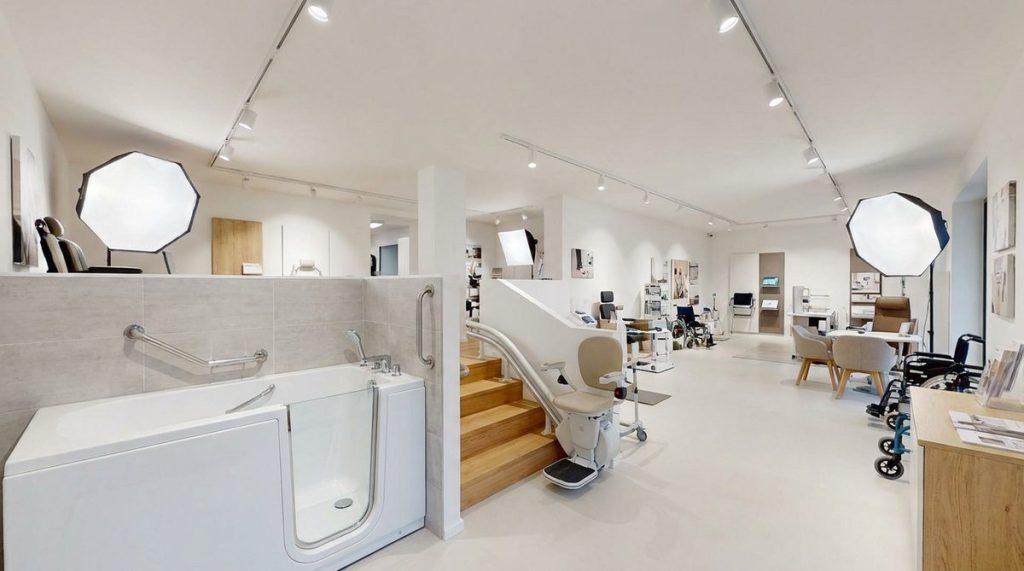
- Walk-in shower conversion from a standard tub: $3,000–$8,000
- Stairlift installation: $3,000–$15,000 depending on staircase configuration
- Widening doorways for wheelchair access: $1,000–$3,500 per doorway
- First-floor bedroom and bathroom addition: $20,000–$80,000
- Smart home technology (automated lighting, medical alert systems, voice-activated controls): $500–$3,000
- Non-slip flooring throughout main living areas: $2,000–$6,000
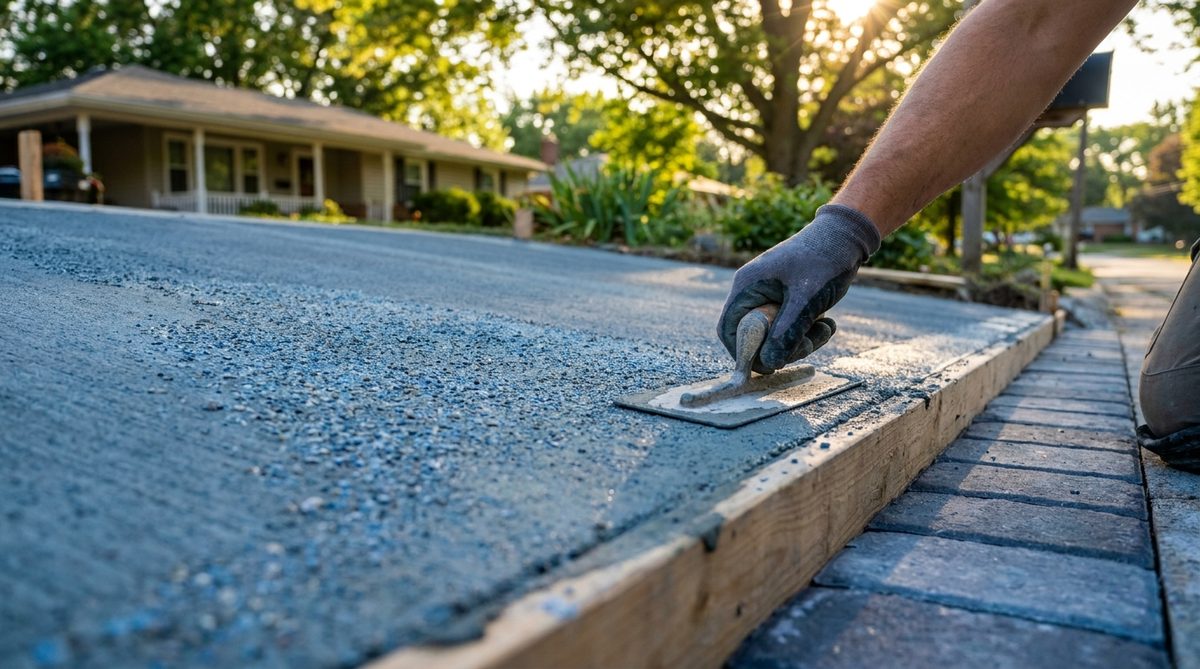
- Exterior ramp construction: $1,000–$8,000
What I see most often is a phased approach: retirees in their early 60s invest $1,500–$5,000 in basic safety upgrades, then add larger modifications as needs evolve. This staggered strategy is far more budget-friendly than a crisis-driven renovation after a fall.
Home Maintenance: The Silent Budget Drain
Here’s the cost category that blindsides people. Your home doesn’t stop aging just because you’ve decided to age in it. A 2023 report from AARP found that homeowners over 65 spend an average of $8,300 per year on home maintenance and repairs — and that figure jumps significantly for homes over 30 years old.
Roof replacements, HVAC failures, plumbing issues, and appliance breakdowns don’t care about your retirement budget. Over a decade, routine and emergency maintenance alone can total $80,000–$120,000. For retirees on fixed incomes, this is the expense that most often forces a premature move to assisted living.
If your Social Security check is already feeling squeezed, these maintenance costs compound the pressure. As I explored in a recent piece, Social Security’s 2.8% COLA is already failing to keep pace with real inflation — and home repair costs have risen 18% since 2021.

The Hidden Cost That Dwarfs Everything Else: In-Home Care
Modifications and maintenance are significant, but they’re not the biggest line item. That distinction belongs to in-home care services, and it’s not even close.
The median cost of a home health aide in the United States was $33 per hour in 2024. If you need 20 hours of weekly assistance — help with bathing, meal preparation, medication management, and light housekeeping — that’s $34,320 per year. Need 40 hours a week? You’re looking at $68,640 annually.
The National Institute on Aging reports that roughly 70% of Americans turning 65 today will need some form of long-term care services in their remaining years. The average duration of that need is approximately three years, but one in five will need it for more than five years.
This is the math that changes the entire aging-in-place conversation. A $5,000 bathroom remodel is a one-time cost. In-home care at even a modest level can run $100,000–$350,000 over the course of a retirement. Without long-term care insurance or substantial savings, this expense alone can destabilize a retirement plan.
The Cost of Doing Nothing
I often tell my readers that the most expensive decision in aging in place is procrastination. The data backs this up emphatically.
The CDC reports that one in four Americans over 65 falls each year. The average hospital cost for a fall-related injury is $38,000, and for hip fractures — the most common serious fall injury — that number exceeds $50,000. A $300 grab bar installation or a $2,000 bathroom renovation starts looking like one of the best investments you’ll ever make.
Beyond the immediate medical costs, falls are the number one reason older adults transition from independent living to nursing home care. Prevention isn’t just about safety — it’s a financial strategy.
The Budget-Smart Approach: Prioritizing What Matters Most
After covering this beat for 16 years, I’ve developed a clear framework for advising readers on how to approach aging in place costs without panic. It comes down to three tiers of priority.
Tier One: Immediate Safety (Under $1,500)
These are modifications every homeowner over 55 should make regardless of current mobility. They’re inexpensive, they prevent the most common injuries, and they add resale value to your home.
- Grab bars in every bathroom (next to toilet and in shower/tub)
- Non-slip mats or adhesive strips in wet areas
- Improved lighting in hallways, staircases, and entryways (motion-activated is ideal)
- Removal of trip hazards: loose rugs, raised thresholds, cluttered walkways
- Lever-style door handles replacing round knobs
- A medical alert system (monthly subscription typically $25–$50)
For a comprehensive breakdown of budgeting at this level, I recommend our detailed guide on aging in place costs and how to budget smart.
Tier Two: Functional Independence ($1,500–$15,000)
This tier addresses mobility limitations and makes daily routines sustainable for the long term. It’s where most retirees in their late 60s and 70s should be investing.
- Walk-in shower or tub conversion
- Stairlift or first-floor living arrangement
- Kitchen modifications (pull-out shelves, lowered countertops, touchless faucets)
- Smart home technology for remote monitoring and automation
- Exterior pathway improvements and ramp installation
Tier Three: Comprehensive Accessibility ($15,000+)
Major structural changes — adding a first-floor bedroom and bathroom, widening all doorways, installing an elevator — fall here. These are typically triggered by a specific medical event or diagnosis and are best planned with an occupational therapist and a certified aging-in-place specialist (CAPS).
Financial Resources Most Retirees Don’t Know About
One of the most frustrating findings in my research is how few older adults access the financial assistance that already exists. Fewer than 15% of eligible seniors utilize available programs to offset aging in place costs. Here are resources worth investigating:
- Medicaid Home and Community-Based Services (HCBS) Waivers: Available in all 50 states, these waivers can cover home modifications, personal care, and even some home maintenance for qualifying low-income seniors.
- VA Aid and Attendance Benefit: Veterans and surviving spouses may qualify for up to $2,431 per month (2025 rates) to help cover in-home care costs.
- USDA Rural Development Loans and Grants: Homeowners in rural areas over age 62 can receive grants up to $10,000 for home repairs and accessibility modifications.
- Area Agencies on Aging (AAA): These local organizations connect seniors with home modification grants, volunteer repair programs, and subsidized in-home care. Find yours through the Eldercare Locator at 1-800-677-1116.
- Nonprofit Programs: Organizations like Rebuilding Together provide free home modifications to low-income seniors in communities across the country.
State-level property tax exemptions and freezes for seniors also make a meaningful difference in overall housing costs. These vary widely — some states freeze assessed value at age 65, while others offer percentage exemptions — so checking with your county assessor’s office is essential.
The Inflation Factor: Why Waiting Costs More
Aging in place costs aren’t static. Building materials, labor rates, and healthcare services have all inflated significantly in recent years. The Bureau of Labor Statistics reports that home repair and maintenance costs rose 4.7% year-over-year in early 2025, outpacing general inflation.
This means the bathroom remodel that costs $5,000 today could cost $6,200 in three years. The grab bar installation at $300 now might be $400. These aren’t dramatic individual increases, but across an entire home retrofit, inflation can add thousands to the total bill. This inflationary pressure is part of a broader trend cutting into retirement savings in multiple ways.
The financial case for acting early is clear. Modifications done at 62 are cheaper than the same work at 72, and the years of fall prevention and independence they provide amplify the return on investment.
The Emotional Ledger: What the Numbers Don’t Capture
I’d be doing a disservice to this topic if I framed aging in place purely as a financial calculation. In my 16 years of covering this space, I’ve interviewed hundreds of older adults about their living situations. The difference in emotional well-being between those aging in a home they love and those who’ve moved to a facility they didn’t choose is profound and measurable.
Research published in the Journal of Gerontology consistently shows that older adults who age in their own homes report higher life satisfaction, lower rates of depression, and stronger social connections than those in institutional settings — provided their homes are safe and they have adequate support.
That last clause is critical. An unsafe home isn’t a sanctuary — it’s a hazard. The goal isn’t to stay home at any cost. The goal is to make home the safest, most supportive place it can be so that staying is a genuine choice rather than a stubborn gamble.
Making the Decision: A Realistic Self-Assessment
Before investing in aging in place, every retiree and pre-retiree should honestly assess their situation across five dimensions:
- Home suitability: Is your home a single story, or can it be adapted? Is it in a climate and location that supports independence?
- Financial capacity: Can you absorb both modification costs and potential in-home care expenses over 10–20 years?
- Social infrastructure: Do you have family, friends, or community resources nearby? Isolation is as dangerous as a fall.
- Healthcare access: Is your home within reasonable distance of medical facilities, pharmacies, and specialists?
- Willingness to adapt: Are you open to technology, outside help, and changes to your home’s layout and routines?
If you answer positively on at least four of these five dimensions, aging in place is likely your most cost-effective and fulfilling option. If only two or three apply, the calculus changes — and a continuing care retirement community or other supported living arrangement may actually save money and improve quality of life.
The Bottom Line: Plan Now, Save Later
Aging in place costs are real, and they’re rising. But they are manageable — dramatically so — when you approach them with the same seriousness you’d give any major financial decision. The retirees I’ve profiled who fare best aren’t the wealthiest. They’re the ones who started planning earliest, made incremental investments, and weren’t too proud to accept help when programs offered it.
The home you’ve spent decades building memories in can absolutely be the home you grow old in. It just takes honesty about what that requires, a willingness to invest strategically, and the understanding that spending $5,000 today to prevent a $50,000 crisis tomorrow is one of the wisest financial moves you’ll ever make.
Frequently Asked Questions
What is the average cost of aging in place per year?
The average cost varies widely based on individual needs, but combining home maintenance ($8,000–$12,000), basic modifications (amortized over time), and potential in-home care ($0–$68,000+), most retirees should budget $15,000–$40,000 per year for a comprehensive aging-in-place plan. Without in-home care needs, costs drop significantly to $8,000–$15,000 annually.
Does Medicare pay for home modifications to age in place?
Traditional Medicare does not cover home modifications like grab bars, ramps, or bathroom remodels. However, some Medicare Advantage plans offer limited home safety benefits. Medicaid's Home and Community-Based Services waivers may cover modifications for qualifying low-income seniors, and the VA offers grants for eligible veterans. Always check your specific plan and state programs.
At what age should I start making my home accessible for aging in place?
Experts and occupational therapists recommend beginning basic safety modifications — grab bars, improved lighting, trip hazard removal — by age 55 to 60, even if you have no current mobility issues. Early investment is significantly cheaper, prevents the most common injuries, and allows you to spread larger modifications over years rather than facing a costly emergency renovation after an injury.
About Jennifer Adams, 16 Years in Lifestyle Journalism
Jennifer Adams is a lifestyle journalist with 16 years of experience writing about travel, hobbies, relationships, home life, and the art of aging well. She has contributed to national publications focused on the interests and aspirations of adults over 50 — from budget-friendly travel destinations to rediscovering hobbies in retirement. At Daily Trends Now, Jennifer writes warm, practical articles that celebrate life after 50 and help readers make the most of every chapter.