Cruise, the self-driving vehicle company primarily owned by General Motors, will be reducing its workforce by 900 jobs. This decision follows an investigation by safety officials into reported injuries to pedestrians. Earlier this autumn, Cruise suspended testing of its autonomous vehicles in the United States after California revoked its driverless testing permit. Additionally, in recent weeks, both the company’s CEO, Kyle Vogt, and co-founder, Dan Kan, have resigned.
On Thursday, Cruise confirmed that the job reductions constituted 24% of its workforce and were predominantly in commercial operations and related corporate functions.
“These adjustments align with our commitment to pursue deliberate commercialization plans with safety as our guiding principle,” stated the company.
The startup emphasized that it was providing substantial support to affected employees through robust severance and benefits packages.
In the previous month, General Motors announced its intention to cut costs at Cruise, which reported a loss of over $700 million in the third quarter, bringing total losses to more than $8 billion since 2016, as reported by Reuters.
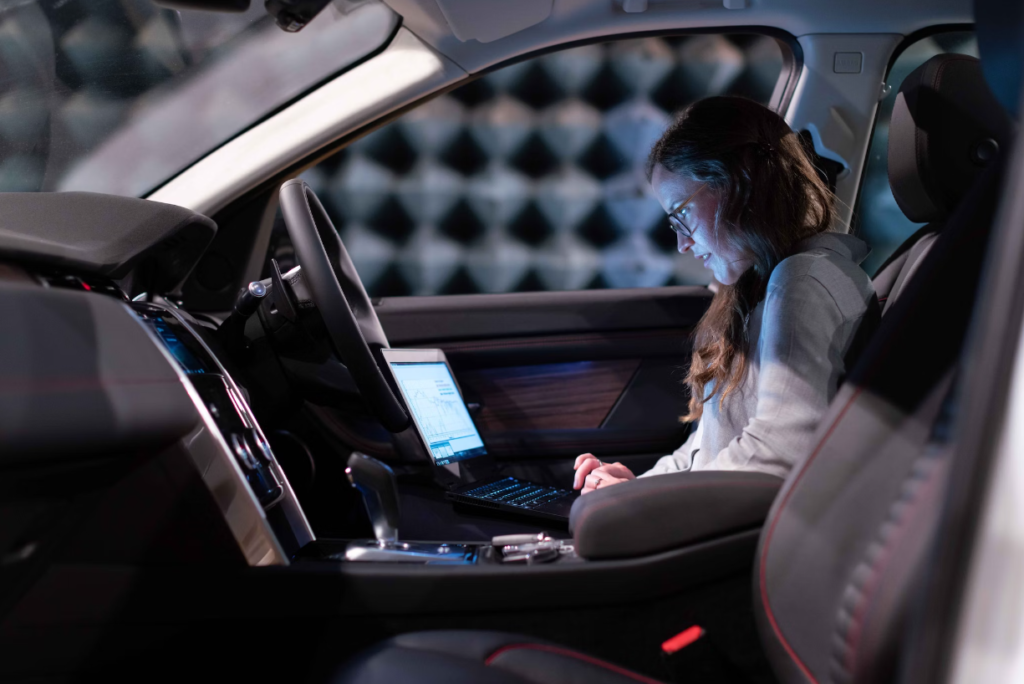
A GM spokesperson expressed support for the challenging employment decisions made by Cruise.
In October, the California Department of Motor Vehicles directed Cruise to withdraw its autonomous vehicles from the state’s roads, and the National Highway Traffic Safety Administration (NHTSA) initiated an investigation into its vehicle fleet.
These actions were prompted by two incidents involving pedestrians, both occurring when individuals crossed the road after the autonomous cars’ traffic lights had turned green. In one occurrence in August 2023, the self-driving vehicle collided with a person at a speed of 1.4 mph. In the second incident from October, the driverless car pulled a woman who had been thrown into its path after being struck by another car (operated by a human driver). The October report noted that the autonomous vehicle “braked aggressively” but was unable to halt in time. Both incidents transpired during nighttime.
Cruise has previously asserted that its safety performance “continues to surpass that of comparable human drivers.”
It’s worth noting that Cruise is not the sole autonomous vehicle company facing safety inquiries. Tesla is recalling over two million cars following a determination by the U.S. regulator that its driver assistance system, Autopilot, was partially defective. This action follows a two-year investigation into accidents occurring while the technology was in use.