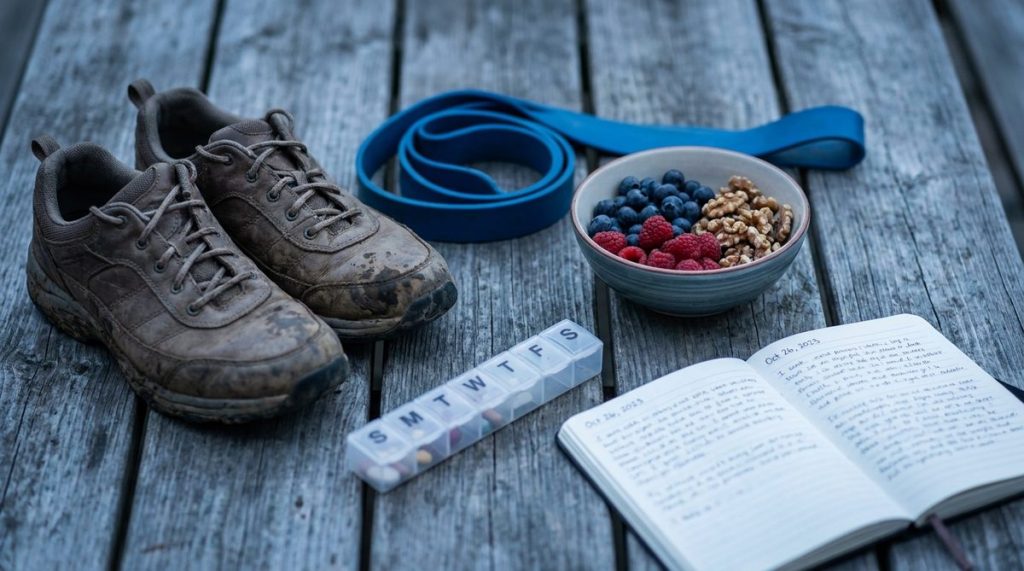


Key Takeaways
- Nearly half of older adults report actually improving with age when they adopt consistent healthy habits, according to Yale research.
- Strength training just twice per week can reduce fall risk by up to 40% and is one of the most underutilized tools in senior health.
- Social connection is as critical to longevity as quitting smoking, yet isolation affects roughly one in four Americans over 65.
- Focusing on healthspan — not just lifespan — means prioritizing the quality of your years through movement, nutrition, sleep, and purpose.
The Morning That Changed Everything for Margaret
Margaret was 67 when she walked into my clinic in the spring of 2019, frustrated and a little scared. She’d been diagnosed with type 2 diabetes two years earlier, her blood pressure was creeping upward, and she’d gained 18 pounds since retiring from her teaching career. “I feel like I’m falling apart,” she told me. “Is this just what getting older looks like?”
I remember sitting across from her and saying something I’ve said hundreds of times in my 22 years of practicing geriatric medicine: “Margaret, aging is inevitable. Declining is not.” That distinction matters more than almost anything I can prescribe.
Over the next 14 months, Margaret didn’t undergo any radical medical intervention. She didn’t take a new wonder drug. Instead, she committed to five straightforward habits — the same ones I’m about to walk you through — and the results were remarkable. Her A1C dropped from 7.8 to 6.1. She lost 14 pounds. She came off one of her blood pressure medications entirely. And when I asked how she felt at her one-year follow-up, she laughed and said, “Better than I did at 55.”
Margaret’s story isn’t unusual. A National Institute on Aging longitudinal study and recent Yale research both confirm what I see in practice every week: nearly half of older adults actually report improving with age when they adopt consistent, evidence-based habits. The key word there is consistent. Not perfect. Consistent.
So let’s talk about healthy habits for aging well — the five that I’ve watched transform my patients’ lives, and that the latest science says matter most as you move through your 60s, 70s, and beyond.
Habit One: Move Your Body With Purpose Every Single Day
I don’t start with exercise because it’s the most obvious answer. I start with it because it’s the most underutilized one. The CDC reports that only 28% of Americans aged 75 and older meet the minimum recommended physical activity guidelines — 150 minutes of moderate aerobic activity per week plus two sessions of muscle-strengthening exercise. That statistic keeps me up at night.
When I say “move with purpose,” I’m not talking about training for a marathon. I’m talking about deliberate, daily movement that challenges your muscles, your heart, and your balance. For Margaret, that started with 10-minute walks after each meal — a strategy that, incidentally, Mayo Clinic research shows can lower post-meal blood sugar spikes by up to 22%.
Why Strength Training Is Non-Negotiable After 60
Here’s what I tell every patient over 60: if you only do one type of exercise, make it resistance training. After age 30, adults lose 3% to 5% of muscle mass per decade, and the rate accelerates after 60. This age-related muscle loss — called sarcopenia — is one of the primary drivers of falls, fractures, disability, and loss of independence.
Strength training just twice per week can reduce fall risk by up to 40%. It improves bone density, insulin sensitivity, joint stability, and even cognitive function. You don’t need a gym membership. Body-weight squats, resistance bands, wall push-ups, and simple dumbbell exercises done in your living room are enough to make a measurable difference.
Margaret started with chair squats and resistance band rows. By month six, she was doing modified deadlifts with 15-pound dumbbells. The transformation in her posture alone was visible.
- Aim for 150 minutes per week of moderate aerobic activity (brisk walking counts)
- Add two or more sessions per week of muscle-strengthening exercises targeting all major muscle groups
- Include balance work — single-leg stands, heel-to-toe walking — at least three times per week
- Start where you are, not where you think you should be; progression matters more than intensity
If you’re planning to age in place — and most of us are — physical strength isn’t optional. It’s the foundation everything else rests on. For a deeper look at preparing your home for long-term independence, check out 5 Aging in Place Myths That Could Cost You Safety & Money.
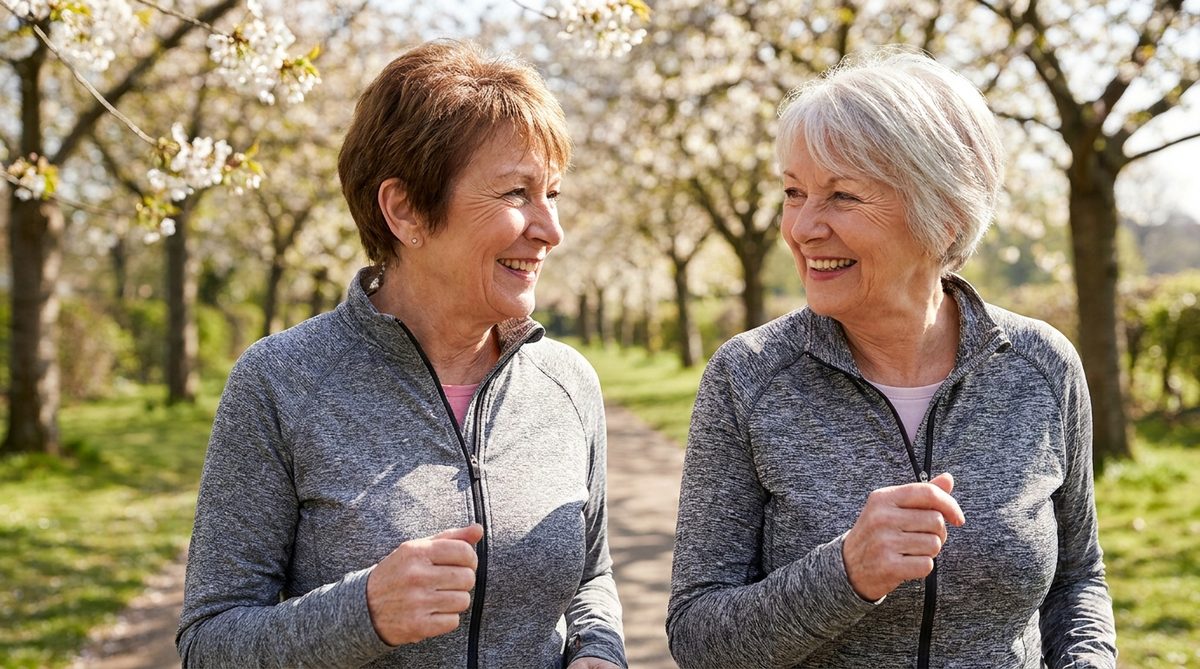
Habit Two: Eat to Fuel Function, Not Just to Fill Up
Nutrition after 60 is a different game than nutrition at 30, and too many of my patients don’t realize that until they’re dealing with consequences — muscle wasting, chronic fatigue, weakened immunity, or poorly managed blood sugar.
The single biggest nutritional mistake I see in older adults is under-eating protein. After 65, your body becomes less efficient at using dietary protein to build and repair muscle — a phenomenon called anabolic resistance. The current recommended dietary allowance of 0.8 grams of protein per kilogram of body weight was established for younger adults. Most geriatric nutrition experts, myself included, recommend 1.0 to 1.2 grams per kilogram for healthy older adults, and even more for those recovering from illness or surgery.
What a Day of Smart Eating Looks Like
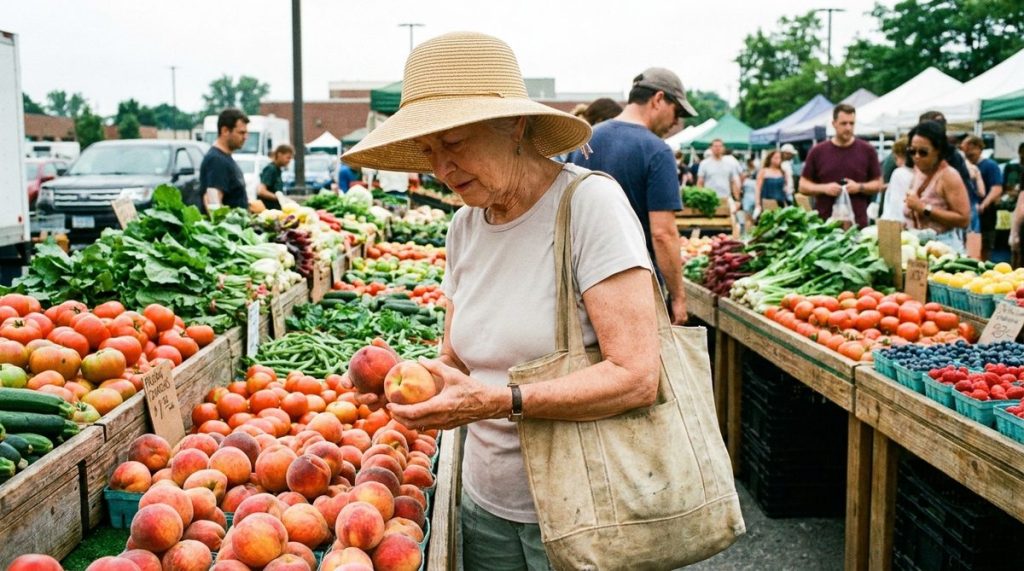
For Margaret, we restructured her meals around three principles: protein at every meal, fiber-rich vegetables as the default side, and hydration as a non-negotiable priority. A typical day looked something like this: Greek yogurt with berries and walnuts for breakfast, a large salad with grilled chicken and olive oil dressing for lunch, and salmon with roasted sweet potatoes and broccoli for dinner.
She didn’t count calories. She didn’t eliminate food groups. She simply shifted her plate to prioritize the nutrients her aging body needed most. Within weeks, her energy levels stabilized, her afternoon crashes disappeared, and her fasting blood glucose readings started trending downward.
- Include 25-30 grams of protein at each meal to combat anabolic resistance
- Prioritize omega-3 fatty acids from fish, flaxseed, and walnuts for brain and heart health
- Eat colorful vegetables and fruits for antioxidants, fiber, and micronutrients
- Stay hydrated — older adults lose the sensation of thirst, so drink water on a schedule rather than waiting until you feel thirsty
- Talk to your doctor about vitamin D and B12 supplementation, as deficiencies are extremely common after 60
If you want a more detailed guide to senior nutrition, I’d recommend reading 7 Nutrition Tips for a Healthy Senior Lifestyle This Summer for practical, season-specific strategies.
Habit Three: Protect Your Sleep Like Your Life Depends on It
Because, frankly, it does. What I see most often in my practice is patients who have accepted poor sleep as an inevitable part of aging. “I’m old — of course I don’t sleep well anymore.” I hear some version of that sentence multiple times a week, and every time, I push back.
It’s true that sleep architecture changes with age. Older adults tend to spend less time in deep, restorative slow-wave sleep, and circadian rhythms often shift earlier. But consistently getting fewer than six hours of sleep per night is not normal aging — it’s a health risk. Research published in the journal Sleep has linked chronic short sleep in older adults to increased risk of cardiovascular disease, cognitive decline, weakened immune function, and higher all-cause mortality.
The Sleep Habits That Actually Work After 60
Margaret’s sleep had been terrible for years. She was falling asleep on the couch at 8 PM, waking at 2 AM, and then lying in bed frustrated until dawn. We didn’t start with medication. We started with sleep hygiene — and the results were dramatic.
First, we addressed her evening routine. No screens after 8 PM. A consistent bedtime of 10:30 PM. A cool, dark bedroom. She stopped drinking coffee after noon (a habit she didn’t realize was affecting her sleep eight hours later). We also added a 20-minute morning walk to reset her circadian clock with natural light exposure.
Within three weeks, she was sleeping six and a half to seven hours most nights. Within two months, she told me her “brain fog” had lifted. That’s not a coincidence. During deep sleep, your brain’s glymphatic system clears metabolic waste, including beta-amyloid — one of the proteins implicated in Alzheimer’s disease. Protecting your sleep is, quite literally, protecting your brain.
- Maintain a consistent sleep and wake time — even on weekends
- Get bright natural light exposure within the first hour of waking
- Limit caffeine to the morning hours
- Keep your bedroom cool (65-68°F is the sweet spot for most people)
- If you nap, keep it under 30 minutes and before 2 PM
- Talk to your doctor if you snore heavily — undiagnosed sleep apnea is rampant in older adults
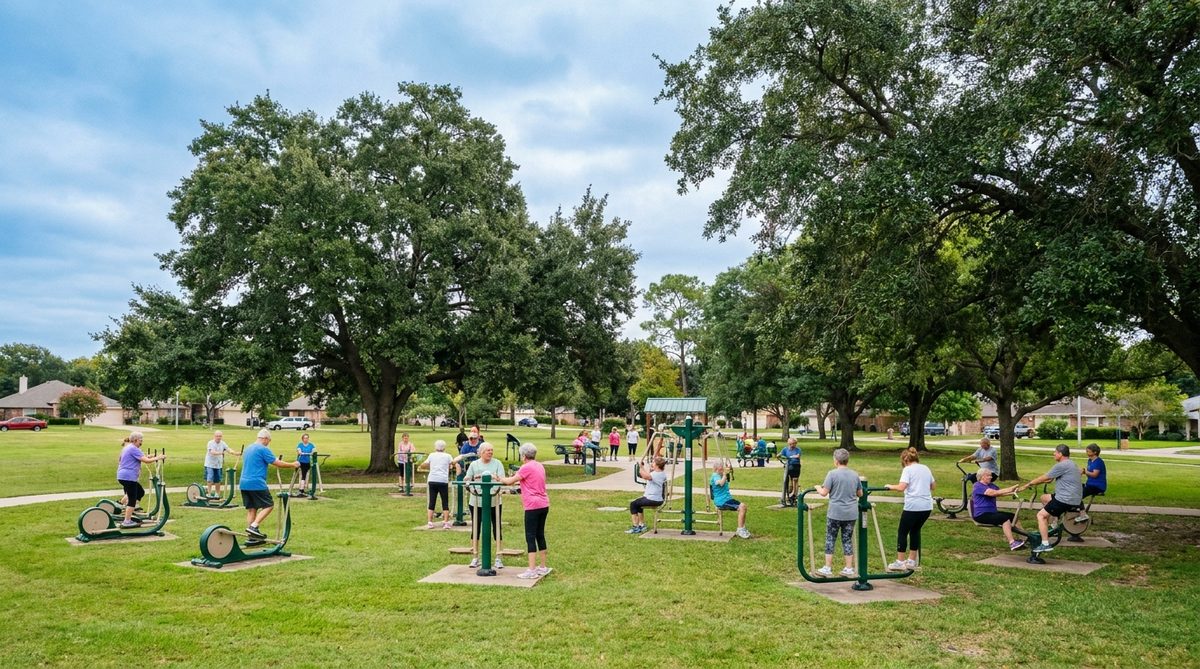
Habit Four: Stay Socially Connected — It’s Medicine
This is the habit that surprises people. When I list the top predictors of healthy aging, social connection consistently ranks alongside exercise and nutrition. The research is unambiguous: loneliness and social isolation in older adults are associated with a 26% increased risk of premature death, according to CDC data. That risk is comparable to smoking 15 cigarettes a day.
Yet roughly one in four Americans over 65 experiences social isolation. Retirement, the death of a spouse, children moving away, mobility limitations, hearing loss — these are all common triggers that gradually shrink an older person’s social world. And it happens so slowly that many people don’t recognize it until they’re deeply lonely.
Margaret’s Turning Point Wasn’t Medical — It Was Social
About four months into Margaret’s health journey, she hit a plateau. Her numbers were improving, but she felt stuck. Unmotivated. A little empty. When I asked her to describe a typical week, she paused and said, “I guess I don’t really see anyone anymore.”
She’d been retired for three years. Her husband had passed five years before that. Her two adult children lived in different states. Her daily life had become remarkably solitary — and it was eroding her progress.
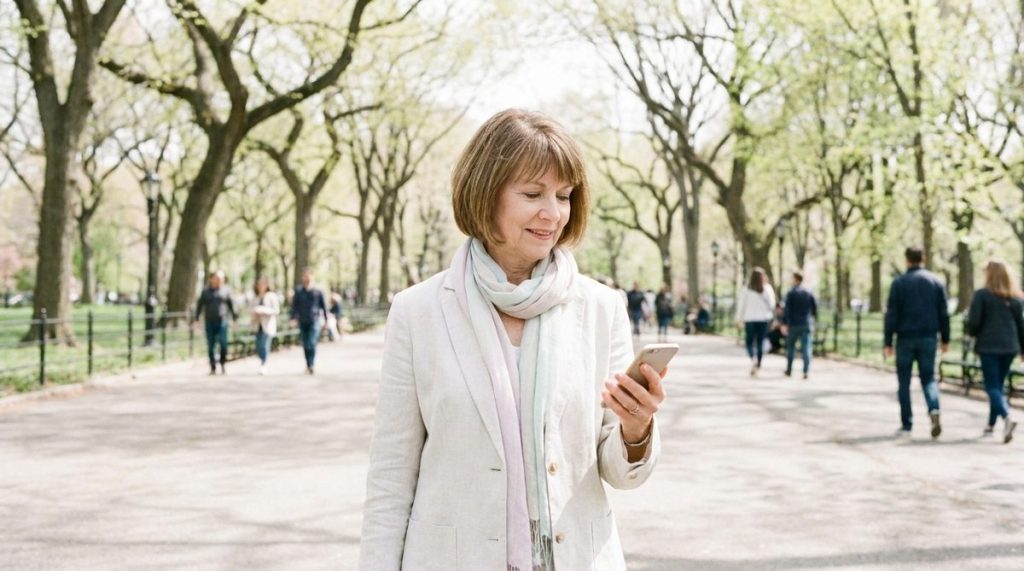
I encouraged her to find one recurring social commitment. Not a vague intention to “get out more,” but something on the calendar, at the same time each week. She joined a walking group at her local YMCA. That one decision — showing up every Tuesday and Thursday morning at 8 AM — changed the trajectory of her health in ways that no medication could have replicated. She made friends. She had accountability partners. She had reasons to get dressed, leave the house, and laugh.
- Schedule at least one in-person social interaction per week — treat it like a medical appointment
- Join a group organized around an activity you enjoy: walking, gardening, book clubs, faith communities, volunteering
- Stay in regular contact with family and friends through phone or video calls when in-person isn’t possible
- Consider intergenerational connections — mentoring, tutoring, or community programs that pair older and younger adults
- If grief or depression is driving your isolation, talk to your doctor; these are treatable conditions, not character flaws
The concept of healthspan versus lifespan is gaining enormous traction in senior health circles right now, and social connection is one of the most powerful tools we have for extending both. Living longer means little if you’re living alone and in despair.
Habit Five: Engage Your Mind With Intention and Curiosity
The final habit is one I feel strongly about, because I’ve watched what happens when people retire and stop challenging their brains. Cognitive decline is not a switch that flips on your 65th birthday. It’s a gradual process influenced heavily by how you use — or don’t use — your mind in the decades that follow.
The Yale study that’s been making headlines this year found that nearly half of older adults who maintained active mental engagement reported cognitive improvement, not just maintenance, as they aged. That finding aligns perfectly with what I observe in my patients. The ones who stay curious — who learn new skills, read widely, solve problems, engage in meaningful work or hobbies — consistently outperform their peers on cognitive assessments year after year.
What “Mental Exercise” Actually Means
I want to be specific here, because “keep your mind active” is the kind of vague advice that leads people to download a crossword puzzle app and call it done. While puzzles are fine, the most protective cognitive activities are ones that involve novelty, complexity, and social interaction.
Learning a new language. Taking a community college course. Playing a musical instrument for the first time. Joining a discussion group that tackles challenging topics. Volunteering in a role that requires problem-solving. These activities force your brain to build new neural pathways in a way that passive entertainment simply doesn’t.
Margaret chose to learn watercolor painting — something she’d always wanted to try but never had time for during her teaching years. She signed up for a beginner class at the local community center. It challenged her. It frustrated her. And it lit her up in a way I hadn’t seen before. The class also, not coincidentally, gave her another weekly social commitment and a sense of purpose that transcended her health metrics.
- Pursue at least one cognitively demanding hobby or learning activity
- Read books, articles, and material that challenges your thinking — not just confirms it
- Engage in meaningful conversations that require active listening and reflection
- Limit passive screen time (television, scrolling) and replace it with active mental engagement
- Consider purpose-driven activities like volunteering, mentoring, or part-time work that gives you a reason to show up
Tying It All Together: The Compounding Effect
Here’s what I want you to understand about healthy habits for aging well: these five habits don’t work in isolation. They compound. Margaret’s walking gave her better sleep. Her better sleep improved her blood sugar control. Her nutrition gave her the energy to exercise. Her social connections gave her motivation to keep going. Her painting gave her purpose that made all of it feel worthwhile.
This compounding effect is why I don’t believe in tackling everything at once. Margaret didn’t overhaul her life in a single week. She started with post-meal walks. Then she adjusted her breakfast. Then she fixed her sleep routine. Then she joined the walking group. Then she signed up for the painting class. Each step built on the last.
In my 22 years of treating older adults, I’ve learned that the patients who age most successfully aren’t the ones with the best genetics or the most money. They’re the ones who show up — consistently, imperfectly, stubbornly — for themselves. They accept that aging comes with real challenges, but they refuse to treat decline as a foregone conclusion.
When Margaret Came Back at 72
I saw Margaret again recently, now 72 and five years into this journey. Her A1C has remained below 6.5 for four consecutive years. She walks three miles most mornings with her YMCA group. She sleeps seven hours a night. She’s on fewer medications than she was at 67. And she brought in a watercolor painting she made of her granddaughter — it was genuinely good.
“You know what the funny thing is?” she told me. “I thought you were going to put me on more pills that first visit. Instead, you gave me homework.”
That’s exactly right. And it’s the same homework I’m giving you today. You don’t need to be perfect. You don’t need to be 30 again. You just need to start — one habit at a time, one day at a time — and trust that the effort compounds in ways that will surprise you.
If you’re also navigating the financial side of retirement and healthcare, which is deeply connected to stress levels and health outcomes, take a look at 7 Ways Retirees Can Fight Inflation Draining Savings. Financial peace and physical health are more intertwined than most people realize.
Aging well isn’t a mystery. It’s a practice. And it’s never too late to start.
Frequently Asked Questions
What is the most important healthy habit for aging well after 60?
While all five habits work synergistically, resistance training is arguably the most impactful single habit for older adults. It combats sarcopenia (age-related muscle loss), reduces fall risk by up to 40%, improves bone density, supports metabolic health, and has been shown to enhance cognitive function. Even two sessions per week of bodyweight or light dumbbell exercises can produce measurable benefits within weeks.
How much protein do seniors need daily to maintain muscle mass?
Most geriatric nutrition experts recommend 1.0 to 1.2 grams of protein per kilogram of body weight daily for healthy older adults, which is higher than the standard RDA of 0.8 grams per kilogram. For a 150-pound person, that translates to roughly 68 to 82 grams of protein per day, ideally distributed across three meals with 25-30 grams per meal to optimize muscle protein synthesis.
Is poor sleep a normal part of aging that I just have to accept?
No. While sleep patterns do change with age — including lighter sleep and earlier wake times — chronically sleeping fewer than six hours per night is not a normal consequence of aging. It is a modifiable health risk associated with cardiovascular disease, cognitive decline, and weakened immunity. Good sleep hygiene practices, consistent schedules, and medical evaluation for conditions like sleep apnea can significantly improve sleep quality at any age.
Can social isolation really affect my physical health as a senior?
Yes, and the evidence is striking. CDC data shows that social isolation and loneliness in older adults are associated with a 26% increased risk of premature death — a risk comparable to smoking 15 cigarettes per day. Isolation also increases the risk of dementia by approximately 50% and raises the likelihood of heart disease, stroke, and depression. Scheduling regular social interactions is a legitimate health intervention, not just a lifestyle preference.
About Dr. James Roberts, MD, Board-Certified in Geriatrics
Dr. James Roberts is a board-certified geriatrician with 22 years of clinical experience caring for American seniors. He specializes in chronic disease management, medication safety, cognitive health, and senior wellness. Dr. Roberts is passionate about translating the latest medical research into clear, practical guidance that helps older adults make confident, informed decisions about their health. At Daily Trends Now, his articles are based on peer-reviewed studies and authoritative sources such as the CDC, Mayo Clinic, and the National Institute on Aging.