

A Startling Gap: Americans Live Longer but Spend More Years Sick
Here is a number that should stop every American over 50 in their tracks: the average U.S. adult now lives to about 79, yet the average healthspan—the years spent free of chronic disease and disability—ends around 63. That means roughly 16 years, or about 20 percent of a typical life, are spent managing serious health conditions. I have spent 15 years as a nutritional scientist and registered dietitian working with older adults, and what I see most often is that people plan meticulously for retirement finances but barely think about extending their healthspan. In 2027, new data from multiple research institutions is finally forcing that conversation into the mainstream.
A landmark 2026 gift from the Sienna for Seniors Foundation—$1 million directed to healthy aging research at Ontario Tech University—and fresh NIH-funded artificial intelligence studies on aging biomarkers both signal a seismic shift. The priority is no longer just adding years to life. It is adding life to years. And for seniors navigating chronic conditions, the distinction between healthspan and lifespan is not academic. It is deeply personal.
Healthspan Defined: Why the Concept Is Reshaping Senior Health
Lifespan is simple arithmetic—birth to death. Healthspan is the subset of those years during which you maintain functional independence, cognitive sharpness, metabolic stability, and freedom from disabling disease. The National Institute on Aging now includes healthspan as a primary outcome measure in its funded research, a policy change adopted in late 2025 that reflects how seriously the scientific community takes this metric.
Why does this matter for you specifically? Because the United States has one of the widest lifespan-to-healthspan gaps among high-income nations. Japan’s gap is roughly 9 years. Spain’s is about 10. Ours exceeds 15. The culprit is not genetics alone—it is the cumulative burden of preventable chronic disease, much of it rooted in nutrition, movement, sleep, and social connection.
The Chronic Disease Burden by the Numbers
According to the CDC, 80 percent of adults aged 65 and older live with at least one chronic condition, and 68 percent have two or more. The top offenders—heart disease, type 2 diabetes, arthritis, and cognitive decline—share overlapping risk factors that are remarkably responsive to lifestyle intervention, even after age 60. I often tell my clients that a diagnosis is not a destiny. It is a data point, and data points can change.
Recent senior living industry research published in early 2027 confirmed that healthspan has become the number-one priority for adults considering their long-term care options, surpassing cost for the first time. That shift tells me something powerful: seniors are ready to invest effort, not just money, into staying well. If you have already been building 7 Healthy Habits for Aging Well in Your 60s, 70s, and Beyond, you are ahead of the curve.
The Six Pillars of Healthspan Extension: A Deep-Dive Analysis
After reviewing the converging evidence from 2025–2027 research, I have distilled the healthspan conversation into six interconnected pillars. None works in isolation. Think of them as load-bearing walls in a house—remove one, and the structure weakens.
Pillar 1: Protein Timing and Muscle Preservation
Sarcopenia—the age-related loss of muscle mass—accelerates after 50, with adults losing 1 to 2 percent of lean mass per year if they do nothing to counteract it. By 70, that can mean a 30 percent reduction in functional strength compared to age 40. But here is what most people miss: total daily protein matters less than when you eat it.
A 2026 study in the Journal of Nutrition found that older adults who distributed at least 25–30 grams of high-quality protein across three meals had 18 percent greater muscle protein synthesis than those who loaded protein into a single dinner. In my clinical work, I see this pattern constantly—clients eating a muffin for breakfast, a light salad for lunch, and a massive steak at dinner. The body cannot bank protein the way it banks calories. Spreading intake evenly is one of the simplest, most impactful changes a senior can make.
Practical sources for each meal: Greek yogurt with nuts at breakfast (20–25 g), lentil soup with cheese at lunch (22–28 g), and grilled salmon with quinoa at dinner (30–35 g). Aim for 1.0 to 1.2 grams of protein per kilogram of body weight daily—a target endorsed by the Mayo Clinic for adults over 65.
Pillar 2: Anti-Inflammatory Nutrition Over Fad Diets
Chronic low-grade inflammation—sometimes called “inflammaging”—is the biological engine behind nearly every age-related disease. C-reactive protein (CRP) levels tend to climb with age, and elevated CRP is independently associated with cardiovascular events, cognitive decline, and even depression in older adults.
Rather than chasing the latest elimination diet, I recommend a Mediterranean-style eating pattern rich in omega-3 fatty acids, polyphenols, and fiber. A 2024 meta-analysis of 37 randomized controlled trials showed that adherence to a Mediterranean diet reduced CRP by an average of 20 percent and cut cardiovascular events by 25 percent in adults over 55. That is a drug-level effect from food.
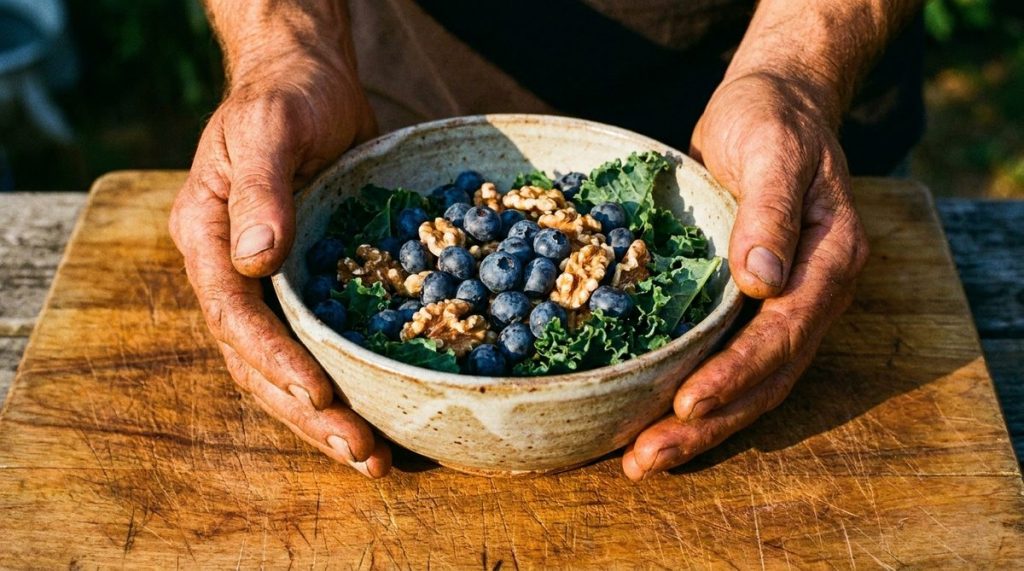
Key anti-inflammatory foods to prioritize: fatty fish (salmon, sardines, mackerel) at least twice weekly, a daily handful of walnuts or almonds, deeply pigmented berries, extra-virgin olive oil as the primary cooking fat, and at least five servings of vegetables per day with an emphasis on cruciferous varieties like broccoli, cauliflower, and Brussels sprouts.
Pillar 3: Structured Movement—Not Just “Staying Active”
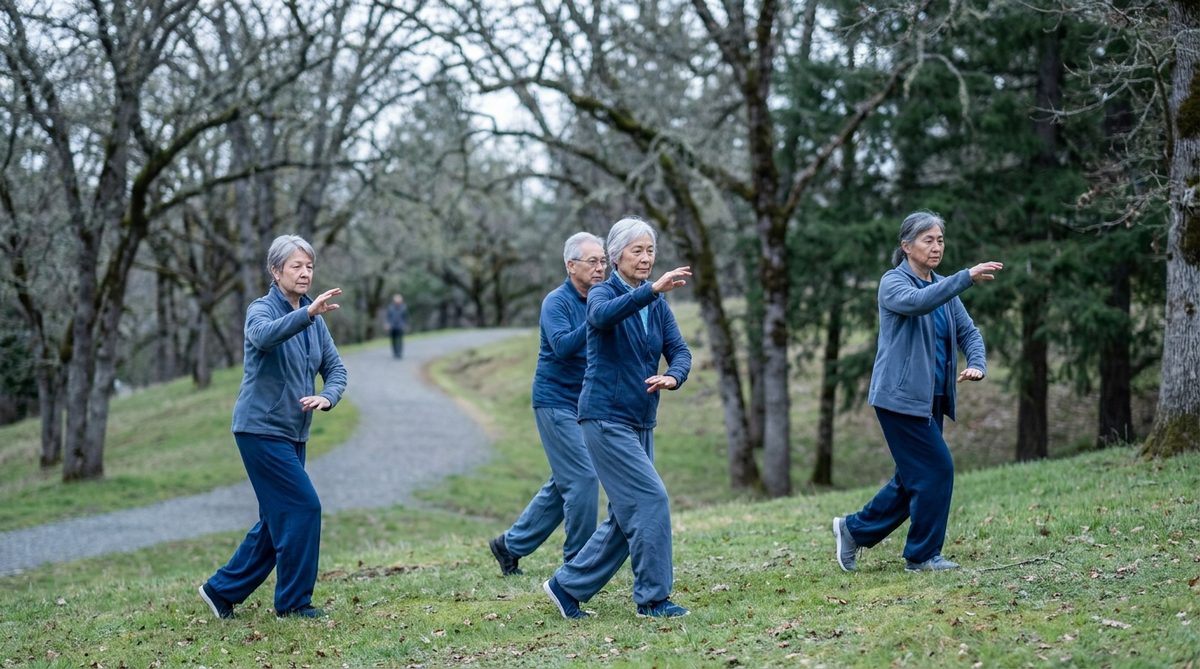
National Senior Health and Fitness Day, observed annually on the last Wednesday of May (May 26 in 2027), is a valuable reminder that movement is medicine. But vague advice to “stay active” is not enough. The evidence demands specificity.
The 2025 updated Physical Activity Guidelines for Americans recommend that adults over 65 get at least 150 minutes per week of moderate aerobic activity plus two sessions of resistance training plus balance exercises at least three days per week. Yet CDC data shows only 28 percent of adults aged 65–74 meet both the aerobic and strength training benchmarks simultaneously. That gap represents an enormous opportunity.
Resistance training, in particular, is underutilized among seniors. A 2026 Cochrane review found that progressive resistance training reduced fall risk by 34 percent, improved glycemic control as effectively as metformin in pre-diabetic older adults, and increased bone mineral density at the hip by 1.5 percent over 12 months. If you are focused on aging in place safely after 60, a structured exercise program is arguably more important than home modifications alone.
Pillar 4: Sleep Architecture and Cognitive Protection
Sleep is the most undervalued pillar of healthspan. Adults over 60 experience a natural decline in slow-wave (deep) sleep, the stage during which the glymphatic system clears amyloid-beta plaques from the brain. Reduced deep sleep is now recognized as an independent risk factor for Alzheimer’s disease, separate from genetic predisposition.
A 2026 longitudinal study from the National Institute on Aging tracked 4,800 adults aged 60–80 over five years and found that those averaging fewer than six hours of sleep per night had a 33 percent higher rate of cognitive decline compared to those sleeping seven to eight hours. Importantly, sleep quality mattered as much as duration. Frequent nighttime awakenings—common in seniors taking certain medications or dealing with sleep apnea—eroded the benefit of adequate total hours.
Actionable sleep strategies I share with clients: maintain a consistent wake time seven days a week (the single most powerful circadian anchor), limit caffeine after noon, keep the bedroom at 65–68°F, and discuss any use of sleep-disrupting medications—including certain blood pressure drugs and antihistamines—with your physician.
Pillar 5: Social Infrastructure as a Health Intervention
Loneliness is not merely an emotional state—it is a clinical risk factor. The U.S. Surgeon General’s 2023 advisory classified social isolation as equivalent in mortality risk to smoking 15 cigarettes per day, and subsequent data has only reinforced that warning. For seniors, social disconnection accelerates cognitive decline, worsens blood pressure, and increases the likelihood of depression by 50 percent.
Japan’s care manager model—where trained coordinators bridge medical care with social support for elderly citizens—has drawn attention from U.S. policymakers exploring similar systems in states like Pennsylvania. What I find promising is the acknowledgment that healthcare alone cannot extend healthspan. You also need human connection, purpose, and community. For those navigating the desire to stay in their homes as they age, understanding the full picture is critical. Our piece on Aging in Place Myths Exposed: What Most Homeowners Get Wrong addresses the social isolation risks that accompany living alone without a support network.
Pillar 6: Proactive Screening and Biomarker Tracking
Healthspan extension is not guesswork. It is measurable. Beyond standard annual physicals, I encourage my clients over 50 to track specific biomarkers that reveal aging trajectories before symptoms appear. These include fasting insulin (not just fasting glucose), hemoglobin A1c, high-sensitivity CRP, vitamin D (25-OH), and a comprehensive metabolic panel that includes kidney and liver function markers.
NIH-funded AI research is now making this even more powerful. Machine learning algorithms can analyze combinations of routine blood markers to predict biological age—your body’s functional age versus your chronological age—with remarkable accuracy. A 2027 pilot program at three U.S. academic medical centers is using AI-derived biological age scores to personalize preventive care plans for adults over 60. This is not science fiction. It is arriving in clinical practice now.
Your 10-Step Healthspan Action Plan for 2027
Knowing the pillars is one thing. Acting on them is another. Here is a concrete, sequential plan I use with my own clients to bridge that gap:
- Audit your protein intake for three days. Use a free app like Cronometer to track grams per meal, not just daily totals. Aim for 25–30 grams at each of three meals.
- Schedule a comprehensive blood panel. Request fasting insulin, hs-CRP, HbA1c, vitamin D, and a lipid panel with particle size. Bring the results to a dietitian or integrative physician for interpretation.
- Add two resistance training sessions per week. Start with bodyweight exercises (squats to a chair, wall push-ups, standing rows with a resistance band) if you are new to strength work.
- Perform a kitchen audit. Replace refined seed oils with extra-virgin olive oil, swap white bread for whole-grain sourdough, and stock your freezer with wild-caught salmon and frozen berries.
- Set a non-negotiable wake time. Even on weekends. Consistency trains your circadian clock more effectively than any supplement.
- Join one structured social activity per week. A walking group, faith community, gardening club, or volunteer commitment—anything that requires showing up on a schedule.
- Review your medication list with your pharmacist. Ask specifically about drugs that impair sleep, deplete nutrients (statins and CoQ10, metformin and B12, PPIs and magnesium), or increase fall risk.
- Hydrate intentionally. Thirst signaling blunts with age. Target at least 64 ounces of water daily, more in summer. Dehydration mimics cognitive decline and worsens joint pain.
- Practice balance exercises daily. Single-leg stands while brushing your teeth, heel-to-toe walking down a hallway, or standing on a foam pad for 60 seconds. Falls are the leading cause of injury death in adults over 65.
- Reassess every 90 days. Healthspan is a moving target. Recheck biomarkers, adjust caloric needs seasonally, and modify exercise intensity based on how your body responds.
The Mindset Shift That Makes Everything Else Work
In my 15 years of practice, the single biggest predictor of whether a client successfully extends their healthspan is not income, education, or even baseline health status. It is agency—the belief that their daily choices matter. Research from the 2027 Healthspan Priority Study found that seniors who scored high on internal locus of control—meaning they attributed their health outcomes to personal behavior rather than luck or fate—had 22 percent longer disability-free years than peers who felt powerless.
That finding aligns with what I observe every day. The client who tracks her blood sugar after meals and adjusts her next plate accordingly. The 72-year-old man who started deadlifting at 68 and now carries his own groceries without pain. The couple who moved closer to their grandchildren specifically to combat isolation. These are not extraordinary people. They are ordinary people making deliberate, evidence-based choices.
As recent data has shown, aging doesn’t have to mean decline. The science is clear, the tools are accessible, and the stakes—measured in years of independence, cognition, and joy—could not be higher.
Where We Go From Here
The healthspan conversation is no longer confined to longevity researchers in Silicon Valley labs. It has reached primary care offices, senior living communities, and kitchen tables across America. National Senior Health and Fitness Day 2027 is an ideal moment to take stock—not just of how long you expect to live, but of how well you expect to live those years.
The 16-year gap between lifespan and healthspan is not fixed. It is not inevitable. And narrowing it does not require extreme measures. It requires consistent, informed action across the six pillars I have outlined—protein timing, anti-inflammatory nutrition, structured exercise, restorative sleep, social connection, and proactive screening. Start with one. Build to all six. Reassess relentlessly. Your future self is counting on it.
About Dr. Linda Park, PhD, RD (Registered Dietitian)
Dr. Linda Park is a Registered Dietitian with a PhD in Nutritional Science and 15 years of clinical and research experience focused on older adults. She has published peer-reviewed research on the role of nutrition in managing diabetes, cardiovascular health, and cognitive decline in seniors. At Daily Trends Now, Dr. Park writes evidence-based articles on senior nutrition, supplement safety, meal planning, and the foods that truly make a difference for aging well.