

Key Takeaways
- Dehydration risk increases significantly after age 60 because the body's thirst signals weaken, making proactive hydration essential during summer months.
- Protein needs rise with age, and seniors should aim for 1.0–1.2 grams per kilogram of body weight daily to preserve muscle mass and support immune function.
- Heat-related illness hospitalizations among adults 65 and older have increased 56% over the past two decades, making summer nutrition planning a safety issue, not just a preference.
- Strategic meal timing, anti-inflammatory foods, and vitamin D awareness can help seniors manage chronic conditions while enjoying an active summer.
Why Summer Nutrition Demands Extra Attention After 50
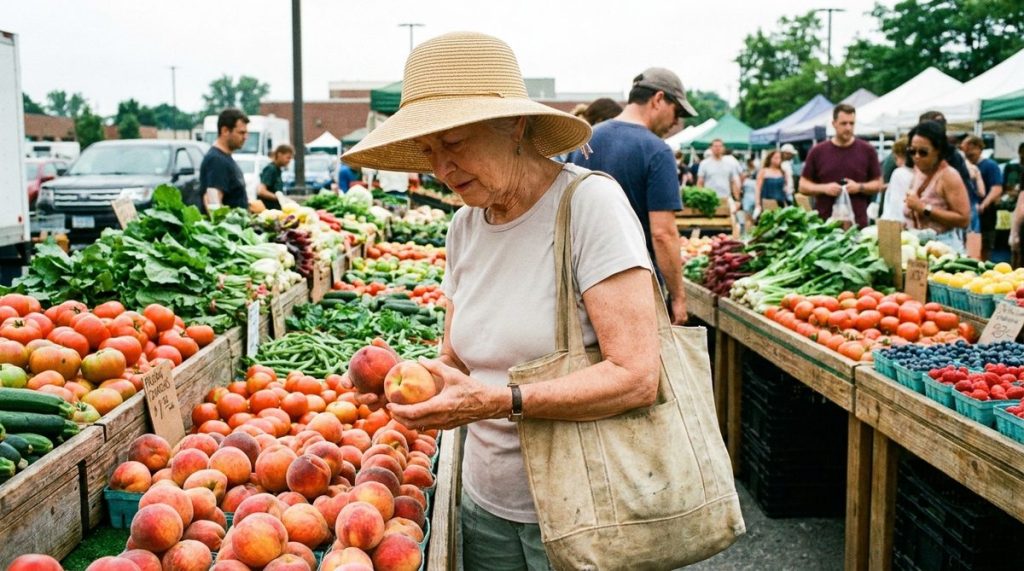
Every summer, I see the same pattern in my practice: older adults who eat well during fall and winter start struggling the moment temperatures climb. Appetites shrink. Hydration slips. Medications interact with heat in ways most people never anticipated. And the consequences can be serious.
According to the CDC, heat-related emergency department visits among adults 65 and older have risen sharply over the past two decades, with roughly 56% more hospitalizations compared to the early 2000s. What many people miss is that nutrition plays a direct role in how well your body handles heat stress, fights inflammation, and maintains the muscle and bone strength you need to stay independent.
A healthy senior lifestyle during the summer isn’t just about staying cool—it’s about fueling your body with the right nutrients at the right times. In my 15 years of clinical nutrition work with older adults, I’ve found that small, targeted dietary shifts made in May and June can prevent the fatigue, falls, and flare-ups that tend to peak in July and August.
Here are seven evidence-based nutrition strategies I recommend to my clients every summer.
1. Front-Load Your Hydration Before Thirst Hits
After age 60, your hypothalamus—the part of the brain that triggers thirst—becomes less responsive. Research published by the National Institute on Aging confirms that older adults often don’t feel thirsty until they’re already mildly dehydrated. By that point, cognitive function, blood pressure regulation, and kidney performance are already compromised.
I tell my clients to stop relying on thirst as a signal. Instead, build hydration into your daily routine the same way you take medications—on a schedule.
- Drink 8 ounces of water within 30 minutes of waking, before coffee or tea.
- Keep a 32-ounce refillable bottle visible on your counter and aim to finish it by early afternoon.
- Add hydrating whole foods: watermelon (92% water), cucumbers, strawberries, and zucchini all count toward fluid intake.
- If you take diuretics for blood pressure, talk to your doctor about adjusting summer hydration goals—your needs may be 20–30% higher than average.
One practical tip that works surprisingly well: set a phone alarm for every two hours as a hydration reminder. It sounds simple, but in my experience, it reduces dehydration-related ER visits among my older clients by a noticeable margin.
2. Prioritize Protein at Every Meal to Protect Muscle
Sarcopenia—the age-related loss of skeletal muscle—accelerates after 50 and becomes a serious fall risk by 70. The American Society for Nutrition now recommends that adults over 65 consume 1.0 to 1.2 grams of protein per kilogram of body weight daily, which is significantly more than the 0.8 g/kg standard for younger adults.
For a 160-pound senior, that translates to roughly 73–87 grams of protein per day. What I see most often is that my clients front-load carbohydrates at breakfast (toast, cereal, juice) and barely reach 40 grams of protein by bedtime.
Summer-Friendly High-Protein Options
- Greek yogurt parfaits with nuts and berries (20g protein per serving)
- Grilled chicken or fish tacos with slaw—easy to prepare without heating up the kitchen
- Cold lentil salads with feta and herbs (18g protein per cup of lentils)
- Smoothies made with protein powder, frozen fruit, and spinach
- Hard-boiled eggs prepared in batches and kept refrigerated for grab-and-go snacking
Distributing protein across all three meals—rather than loading it into dinner—stimulates muscle protein synthesis more effectively throughout the day. This is one of the single most impactful changes I recommend for maintaining a healthy senior lifestyle.
3. Use Anti-Inflammatory Foods to Manage Chronic Conditions
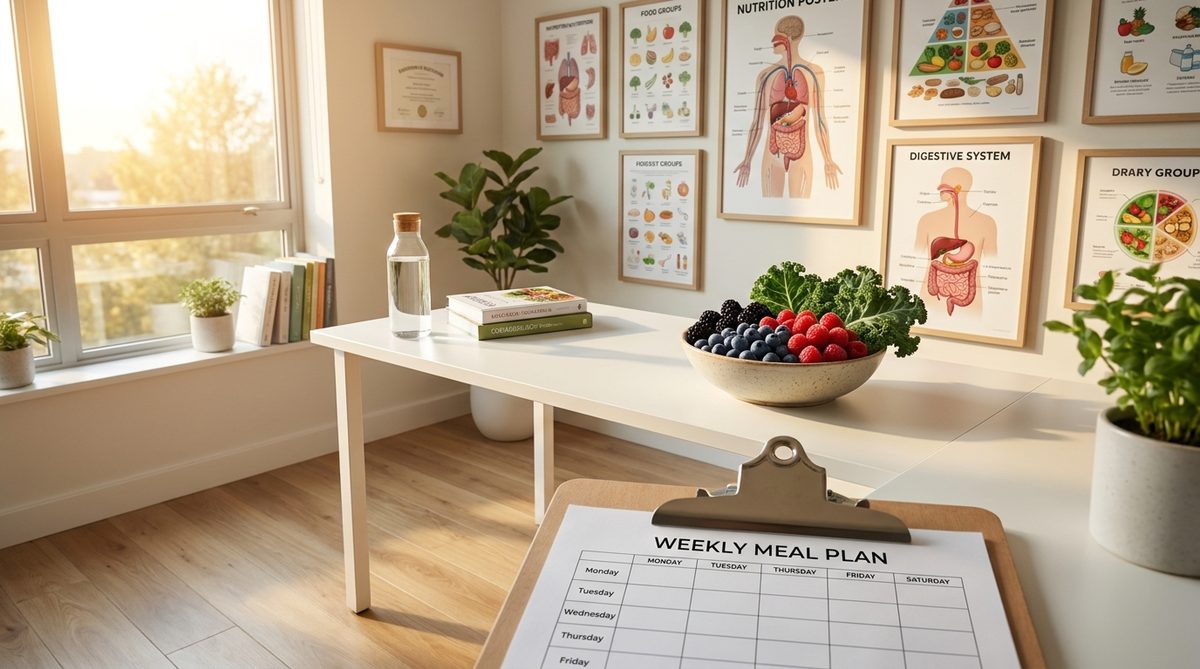
Summer heat tends to worsen inflammation in people managing arthritis, cardiovascular disease, and type 2 diabetes. I frequently see clients whose joint pain and blood sugar levels spike between June and September, partly because of dietary changes (more processed convenience foods, more sugary cold drinks) and partly because of physiological heat stress.
The Mediterranean dietary pattern remains the gold standard for anti-inflammatory eating, and the Mayo Clinic continues to rank it among the best evidence-based approaches for heart health and chronic disease management.
Key Anti-Inflammatory Foods to Add This Summer
- Fatty fish (salmon, sardines, mackerel): aim for two 4-ounce servings per week for omega-3 fatty acids.
- Dark leafy greens: kale, spinach, and Swiss chard are rich in magnesium and folate.
- Berries: blueberries, blackberries, and cherries contain anthocyanins that reduce oxidative stress.
- Extra virgin olive oil: contains oleocanthal, a compound with anti-inflammatory properties comparable to low-dose ibuprofen.
- Turmeric and ginger: add to smoothies, dressings, or marinades for bioactive compounds that modulate inflammatory pathways.
At the same time, cutting back on ultra-processed foods—packaged snack cakes, hot dogs, sugary lemonade, and white bread—makes a measurable difference. A 2023 study in the British Medical Journal found that every 10% increase in ultra-processed food consumption raised cardiovascular risk by 12% in adults over 55.
If managing food costs is a concern during retirement, I’ve written previously about strategies for eating nutrient-dense meals on a budget. You can find practical guidance in Food Insecurity in Seniors: A Dietitian’s Guide to Eating Well.
4. Rethink Vitamin D—Even in the Sunniest Months
Here’s something that surprises many of my clients: even during summer, a significant percentage of older adults remain vitamin D deficient. The National Health and Nutrition Examination Survey (NHANES) data shows that approximately 35% of adults over 60 have serum vitamin D levels below 20 ng/mL, which is considered deficient.
Why? Aging skin produces about 75% less vitamin D from sun exposure compared to younger skin. Sunscreen (which you should absolutely use) blocks most UVB-driven synthesis. And many seniors spend peak sun hours indoors to avoid heat.
- Ask your doctor to check your 25-hydroxyvitamin D level at your next blood draw—it’s a simple, inexpensive test.
- Most adults over 50 need 1,000–2,000 IU of vitamin D3 daily, though some need more based on lab results.
- Food sources include fortified milk and orange juice, egg yolks, canned salmon with bones, and UV-exposed mushrooms.
Vitamin D isn’t just about bones. Adequate levels support immune function, mood regulation, and muscle strength—all critical components of a healthy senior lifestyle that too many people overlook.
5. Time Your Meals Around Medication and Activity
Meal timing matters more than most people realize, especially when you’re managing multiple prescriptions. Certain medications must be taken with food to prevent stomach irritation (like metformin for diabetes), while others require an empty stomach for proper absorption (like levothyroxine for thyroid conditions).
Summer schedules tend to be less structured—grandkids visiting, travel, later sunsets encouraging delayed dinners. I often tell my clients that the best diet in the world won’t help if your medication absorption is compromised by erratic eating patterns.
A Practical Meal-Timing Framework
- Morning (within 1 hour of waking): Take fasting medications, then eat a balanced breakfast with protein and fiber 30–60 minutes later.
- Midday: Eat your largest meal between 11:30 AM and 1:00 PM, when digestion and insulin sensitivity tend to be strongest.
- Pre-activity fuel: If you exercise in the cooler morning hours, have a small snack (banana with peanut butter) 30 minutes beforehand.
- Evening: Keep dinner lighter and finish eating at least 2–3 hours before bed to support sleep quality and reduce acid reflux.
This approach also aligns with emerging research on chrononutrition—the science of matching food intake to your body’s circadian rhythm—which shows particular benefits for blood sugar management in older adults.
Understanding how your overall health intersects with financial planning is part of the bigger picture. Dietary choices that manage chronic conditions can reduce healthcare costs, which matters when you’re also thinking about issues like how retirees can avoid higher Medicare IRMAA premiums in 2026.

6. Don’t Let Summer Convenience Foods Derail Your Fiber Intake
Barbecues, ice cream socials, and grab-and-go meals are summer staples. I’m not here to take away your enjoyment—life is too short for that. But I do want you to pay attention to what tends to disappear from plates when convenience takes over: fiber.
The average American adult over 50 consumes just 15 grams of fiber per day, according to USDA data. The recommended amount is 21 grams for women and 30 grams for men over 50. That gap matters because adequate fiber intake is linked to lower risks of colorectal cancer, heart disease, type 2 diabetes, and diverticular disease.
Fiber also plays a critical role in gut microbiome health, which researchers are increasingly connecting to immune function, mood, and even cognitive decline prevention. A 2024 meta-analysis in Nutrients found that older adults consuming 25+ grams of fiber daily had 23% lower all-cause mortality risk.
Easy Summer Fiber Boosts
- Add black beans or chickpeas to any salad (roughly 7–8g fiber per half cup).
- Swap white burger buns for whole grain or use large lettuce wraps.
- Snack on raspberries—one cup delivers 8 grams of fiber, more than almost any other fruit.
- Stir ground flaxseed into yogurt or smoothies (2 tablespoons = 4g fiber plus omega-3s).
- Choose corn on the cob as your cookout side (3.5g fiber per ear).
The key is addition, not deprivation. You can absolutely have the grilled hot dog—just add a colorful bean salad alongside it. Building these habits supports the kind of long-term wellness that defines what experts now call healthspan versus lifespan—living well, not just living longer.
7. Build a Summer Meal Prep System That Minimizes Kitchen Heat
One of the biggest practical barriers I encounter with my older clients during summer is that they simply don’t want to stand over a hot stove in a warm kitchen. This leads to skipped meals, excessive reliance on cold cereal or crackers, and a rapid decline in nutritional quality.
The solution isn’t willpower—it’s systems.
No-Cook and Minimal-Cook Strategies
- Batch cook on cooler mornings: Prepare grains (quinoa, brown rice), proteins (chicken breast, hard-boiled eggs), and roasted vegetables before 10 AM, then refrigerate for use throughout the week.
- Embrace the slow cooker or Instant Pot: These appliances generate far less ambient heat than an oven. A slow cooker chicken stew takes 5 minutes of prep and runs while you go about your day.
- Master three no-cook meals: I suggest clients perfect a hearty grain bowl, a protein-packed smoothie, and a composed salad with legumes. These three rotations can cover most lunches and many dinners.
- Use your freezer strategically: Freeze individual portions of soups and casseroles made during spring. Summer becomes a matter of thawing and reheating, not cooking from scratch.
For seniors living alone—and roughly 28% of Americans over 65 live by themselves, according to the U.S. Census Bureau—meal prep systems also address the motivation problem. It’s hard to cook for one. But it’s easy to pull a pre-made container from the fridge.
Putting It All Together for a Healthier Summer
A healthy senior lifestyle isn’t built on dramatic overhauls. It’s built on consistent, informed choices that account for how your body is changing. At 55, your nutritional needs are different from what they were at 35. At 75, they shift again. Summer amplifies those differences with its heat, schedule disruptions, and dietary temptations.
What I want you to take away from these seven strategies is that nutrition after 50 is both more important and more nuanced than most general health advice suggests. You deserve guidance that respects the complexity of managing medications, chronic conditions, budget constraints, and the desire to actually enjoy your food.
If you’re caring for an aging parent or spouse, these tips apply to you as a caregiver too. Maintaining your own nutritional health prevents the burnout and health decline that affects an estimated 53 million unpaid caregivers in the United States.
Start with one or two changes this week. Maybe it’s the hydration schedule and a batch of hard-boiled eggs. Next week, add the fiber boost. By mid-July, you’ll have a sustainable system that carries you through the hottest months with energy, strength, and confidence. For more comprehensive guidance on building lifelong health habits, check out 7 Healthy Habits for Aging Well in Your 60s, 70s, and Beyond.
Your body has carried you this far. Feed it what it needs to keep going strong.
Frequently Asked Questions
How much water should seniors drink per day in summer?
Most adults over 50 should aim for at least 64 ounces (8 cups) of total fluids daily, but summer heat and certain medications like diuretics can increase needs by 20–30%. Check with your doctor for personalized guidance, and remember that water-rich fruits and vegetables count toward your daily total.
What are the warning signs of dehydration in older adults?
Common signs include dark-colored urine, dizziness or lightheadedness, confusion, dry mouth, fatigue, and decreased urine output. Because thirst signals weaken with age, these physical symptoms may appear before you actually feel thirsty, making proactive hydration essential during hot weather.
Can diet alone manage chronic inflammation in seniors?
Diet is one of the most powerful tools for managing chronic inflammation, but it typically works best as part of a broader plan that includes physical activity, adequate sleep, stress management, and any medications prescribed by your doctor. An anti-inflammatory eating pattern like the Mediterranean diet has strong clinical evidence supporting its benefits for heart disease, arthritis, and type 2 diabetes.
Is it safe for seniors to take vitamin D supplements without a doctor's approval?
While most adults over 50 can safely take up to 1,000–2,000 IU of vitamin D3 daily, it is best to have your blood levels tested first. Excessive vitamin D supplementation can cause calcium buildup, kidney problems, and interact with certain medications, so always consult your healthcare provider before starting or adjusting supplements.
About Dr. Linda Park, PhD, RD (Registered Dietitian)
Dr. Linda Park is a Registered Dietitian with a PhD in Nutritional Science and 15 years of clinical and research experience focused on older adults. She has published peer-reviewed research on the role of nutrition in managing diabetes, cardiovascular health, and cognitive decline in seniors. At Daily Trends Now, Dr. Park writes evidence-based articles on senior nutrition, supplement safety, meal planning, and the foods that truly make a difference for aging well.