

Margaret’s Story: When the Fridge Goes Empty Before the Month Ends
Margaret is 72, lives alone in a small apartment outside of Columbus, Ohio, and manages type 2 diabetes with metformin and a careful diet—or at least she tries to. When I first spoke with her through a community nutrition outreach program last spring, she told me something I’ve heard far too many times in my 15 years as a registered dietitian: “By the third week of the month, I’m eating crackers and canned soup because that’s all I can afford.”
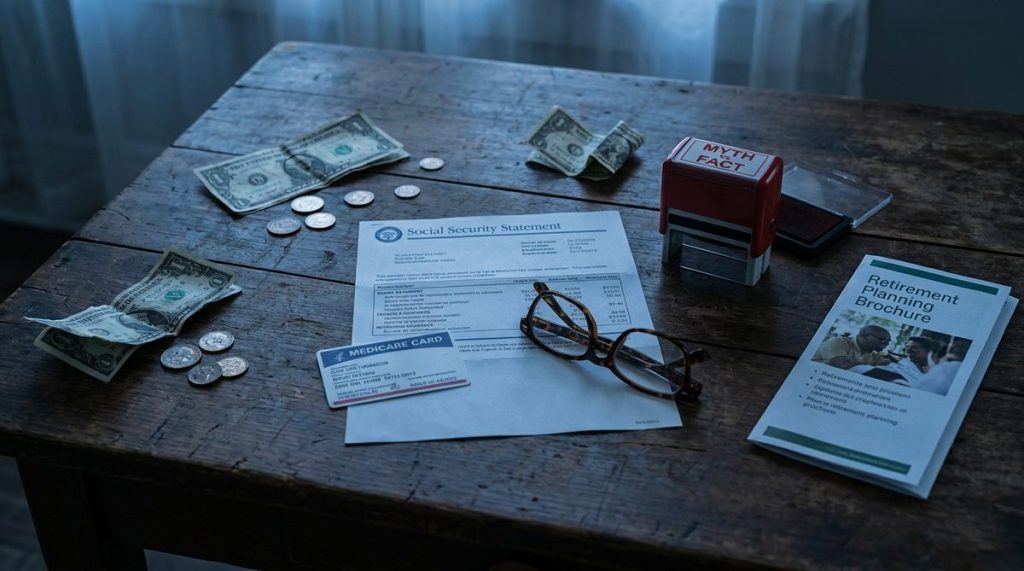
Margaret isn’t careless. She’s not uneducated about nutrition. She simply can’t stretch her $1,907 monthly Social Security check far enough to cover rent, medications, utilities, and the fresh produce, lean proteins, and whole grains her endocrinologist keeps telling her to eat. So her blood sugar spikes. She feels dizzy. She skips her walking routine. And the cycle tightens.
Her story is not unusual. According to the America’s Health Rankings 2026 Senior Report, preventive care utilization among older adults has improved—more seniors are getting screened and vaccinated than a decade ago. But two alarming trends are moving in the opposite direction: drug-related deaths among adults 65 and older, and food insecurity. Between 2021 and 2026, the percentage of seniors reporting food insecurity climbed from roughly 7.2% to nearly 9%, translating to millions of older Americans who don’t reliably know where their next nutritious meal is coming from.
This article is for Margaret—and for anyone over 50 who has ever had to choose between filling a prescription and filling the refrigerator. I want to share what I know works: practical, evidence-based strategies for eating well on a limited budget, managing chronic conditions through food, and accessing resources many seniors don’t realize exist.
Why Food Insecurity in Seniors Is a Health Emergency, Not Just an Economic One
When we talk about hunger in America, the conversation often centers on children and working-age families. Seniors get left out. But food insecurity in seniors carries unique and compounding medical risks that deserve their own spotlight.
The Chronic Disease Multiplier
Nearly 80% of adults over 65 manage at least one chronic condition, and 68% manage two or more, according to the CDC. Conditions like diabetes, hypertension, heart failure, and chronic kidney disease are all diet-sensitive. When a senior can’t afford the right foods, those conditions don’t just stall—they accelerate.
In my clinical work, I’ve watched patients with well-controlled A1C levels spiral into the 9–10% range within a few months of losing consistent access to balanced meals. That’s not a willpower failure. That’s a systems failure. A 2023 study published in JAMA Internal Medicine found that food-insecure seniors had 30% higher rates of emergency department visits compared to food-secure peers of the same age, adjusting for income.
Medication-Nutrient Interactions Get Worse
Many common medications prescribed to older adults—statins, ACE inhibitors, diuretics, proton pump inhibitors—deplete specific nutrients or require food for proper absorption. When meals become irregular or nutritionally empty, drug efficacy drops and side effects spike. I often tell my clients that food and medication aren’t separate conversations; they’re two halves of the same treatment plan.
If you’re managing rising healthcare costs alongside food costs, understanding how your income affects what you pay for coverage matters too. You might find it helpful to review 7 Ways to Manage Medicare IRMAA and Keep Premiums Low so that more of your budget stays available for quality nutrition.
The Isolation Factor
Food insecurity in seniors rarely exists in isolation. It correlates tightly with social isolation, depression, and cognitive decline. Eating alone, eating poorly, and eating irregularly form a triad that erodes both physical and mental health. A 2024 National Institute on Aging brief reported that socially isolated seniors were 26% more likely to report skipping meals than those with regular social contact.
Building a Nutrient-Dense Diet on a Tight Budget: What Actually Works
Let me be direct: I don’t believe in telling people to “just eat more vegetables” without addressing the reality that a bag of frozen broccoli costs $2.50 and a box of off-brand mac and cheese costs $0.89. Nutrition advice that ignores economics is useless advice. Here’s what I recommend to my clients who are working with limited grocery budgets.
The “Power Five” Budget Foods for Seniors
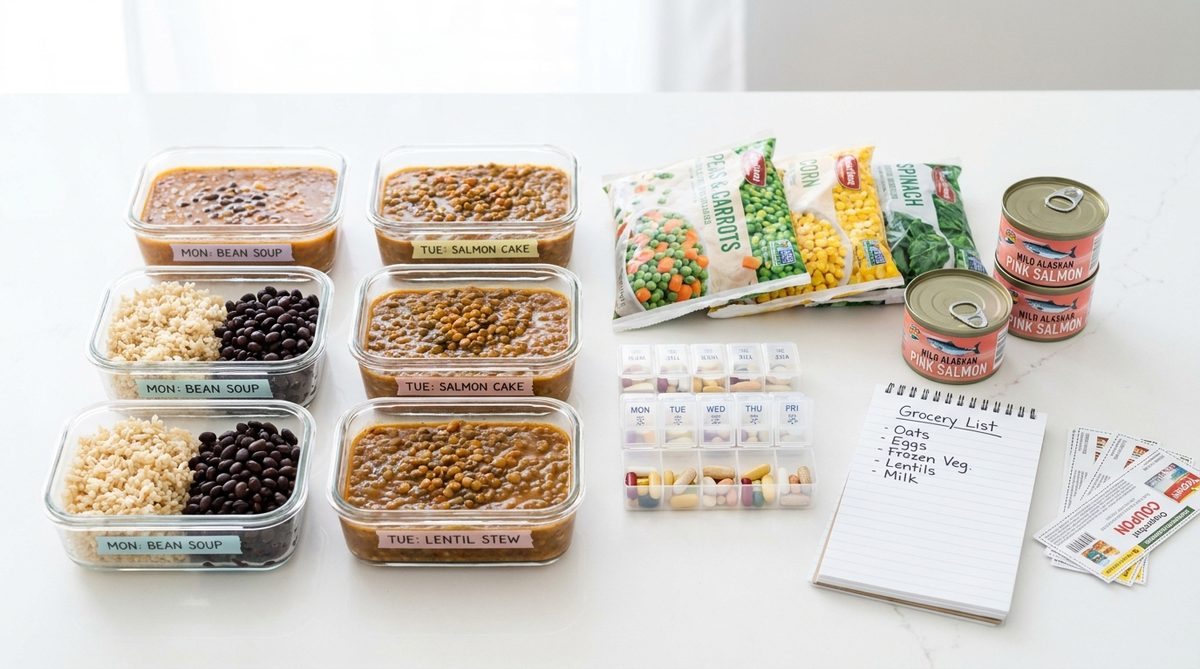
Over the years, I’ve developed what I call my “Power Five”—five food categories that deliver the highest nutritional return per dollar for older adults managing chronic conditions:
- Dried and canned beans (black beans, lentils, chickpeas): At roughly $0.15–$0.20 per serving, legumes deliver protein, fiber, potassium, and magnesium. They stabilize blood sugar, lower LDL cholesterol, and keep you full for hours. Rinse canned versions to cut sodium by up to 40%.
- Frozen vegetables (no-sauce varieties): Flash-frozen produce retains nutrients as well as—and sometimes better than—fresh produce that’s been sitting on a shelf for days. A 16-ounce bag of frozen spinach or mixed vegetables averages $1.50–$2.00 and provides multiple servings of vitamins A, C, K, and folate.
- Canned fish (salmon, sardines, mackerel): These are among the cheapest sources of omega-3 fatty acids, vitamin D, and calcium (from the edible bones). A can of wild pink salmon runs about $2.50 and contains roughly 40 grams of protein. For brain and heart health in older adults, I consider this a non-negotiable pantry staple.
- Eggs: Even with recent price increases, eggs remain one of the most nutrient-dense affordable foods available. One large egg provides 6 grams of protein, choline for brain health, lutein for eye health, and vitamin D—all for about $0.30 per egg at current national averages.
- Oats (old-fashioned or steel-cut): A 42-ounce canister of old-fashioned oats costs approximately $4.00 and yields about 30 servings. Oats provide beta-glucan fiber, which the Mayo Clinic highlights as effective for lowering cholesterol—critical for seniors managing cardiovascular risk.
A Sample Budget Day of Eating
Here’s what a full day looks like using the Power Five, totaling roughly $5.50–$6.00:
Breakfast: Oatmeal cooked with water, topped with a sliced banana ($0.25) and a tablespoon of peanut butter ($0.15). Total: ~$0.55.
Lunch: Black bean and egg scramble with frozen peppers and onions, a corn tortilla, and a squeeze of lime. Total: ~$1.60.
Dinner: Canned salmon mixed with a little mustard and lemon juice over brown rice, with a side of steamed frozen broccoli. Total: ~$2.40.
Snack: A hard-boiled egg and a small handful of unsalted peanuts. Total: ~$0.60.
That day provides approximately 1,600 calories, 80+ grams of protein, ample fiber, omega-3s, and a broad micronutrient profile—all for under six dollars. This isn’t theoretical. I’ve walked dozens of clients through this framework, and it holds up in real grocery stores, not just on paper.
Accessing Food Assistance: Programs Many Seniors Don’t Know About
What I see most often is eligible seniors leaving money on the table—literally. Federal and state nutrition programs exist specifically for older adults, yet participation rates remain stubbornly low. According to the USDA, only about 48% of eligible seniors participate in SNAP (the Supplemental Nutrition Assistance Program). That means more than half of the older adults who qualify for food assistance aren’t receiving it.
Key Programs Worth Exploring
SNAP for Seniors: The average SNAP benefit for a senior household is about $104 per month as of 2027. It’s not a fortune, but combined with smart shopping, it can be the difference between nutritional adequacy and deficiency. Many seniors mistakenly believe they earn “too much” to qualify—the income threshold for a single-person household is $1,580/month gross (or $1,215 net) in most states, though some states have expanded eligibility through broad-based categorical eligibility.
The Senior Farmers’ Market Nutrition Program (SFMNP): This USDA program provides low-income seniors with coupons redeemable at farmers’ markets, roadside stands, and community-supported agriculture programs. Benefits are modest—typically $20–$50 per growing season—but they open the door to fresh, locally grown produce during the summer months when access matters most.
Commodity Supplemental Food Program (CSFP): Sometimes called “the senior food box,” CSFP delivers a monthly package of shelf-stable foods—canned meats, juice, cereal, peanut butter, canned fruits and vegetables, cheese, and dry milk—to eligible adults 60 and older. Over 700,000 seniors receive CSFP boxes each month.
Meals on Wheels and Congregate Meal Programs: Funded partly through the Older Americans Act, these programs serve over 220 million meals to seniors annually. They’re not means-tested, meaning any adult 60 or older can participate. Beyond nutrition, congregate meal sites combat social isolation—and as I mentioned earlier, eating with others has measurable health benefits.
To find local resources, call the Eldercare Locator at 1-800-677-1116 or visit the National Institute on Aging’s nutrition resource page for guidance on meal planning support.
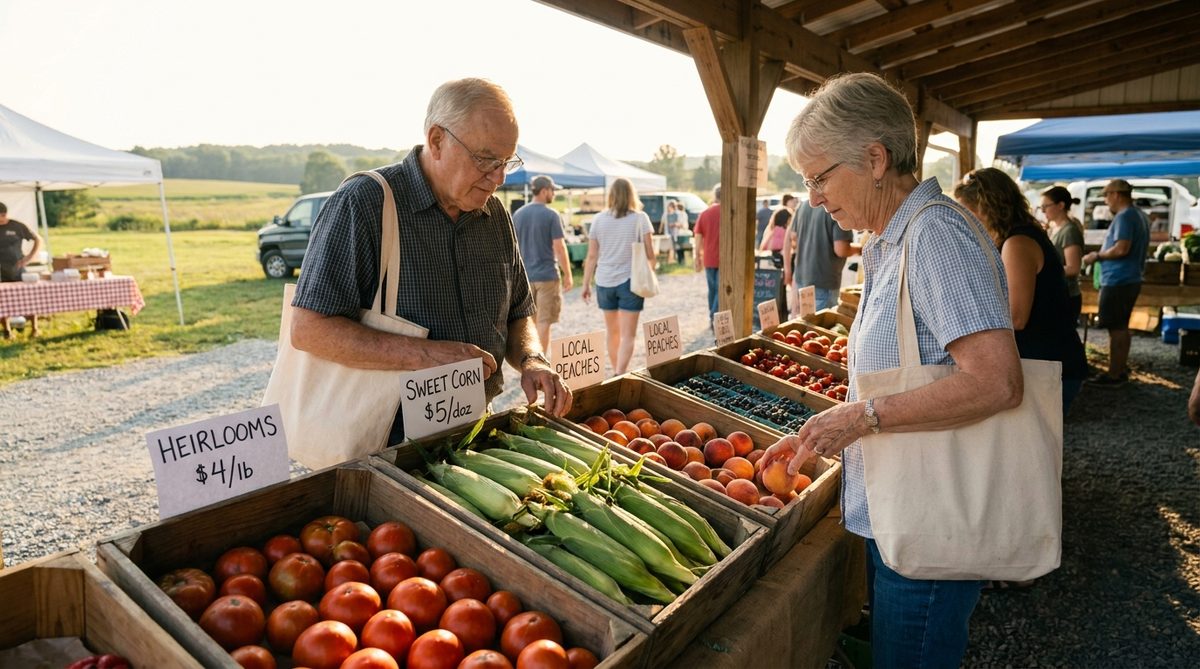
Summer Nutrition Challenges: Heat, Hydration, and Appetite Loss
As we head into another summer season, I want to flag something that doesn’t get enough attention: warm weather creates specific nutritional risks for older adults that compound food insecurity.
Dehydration Is More Dangerous Than You Think
The aging body loses its sensitivity to thirst signals. By the time a 70-year-old feels thirsty, they may already be mildly dehydrated. Add diuretic medications—commonly prescribed for hypertension and heart failure—and the risk escalates further. The CDC reports that adults over 65 account for a disproportionate share of heat-related hospitalizations each summer, and dehydration is a primary driver.
My practical advice: don’t rely on thirst. Set a timer. Drink 6–8 ounces of water every 90 minutes during waking hours, more if you’re active or outdoors. Infuse water with cucumber, mint, or citrus slices to make it more appealing. And count water-rich foods—watermelon, cucumbers, oranges, tomatoes—as part of your hydration strategy.
When the Heat Kills Your Appetite
Many of my older clients eat significantly less during summer. Cooking feels burdensome in a hot kitchen, and appetite naturally dips. But caloric and protein needs don’t drop just because the temperature rises. Muscle loss (sarcopenia) accelerates when protein intake drops below 0.6 grams per pound of body weight—and recovery from that loss is much harder after 65.
No-cook and minimal-cook meals are the answer here. Think Greek yogurt parfaits with frozen berries and granola, tuna salad on whole-grain crackers, cottage cheese with sliced peaches, or overnight oats prepared the evening before. These require almost no heat exposure and deliver solid protein and micronutrients.
Staying active during summer is also essential for maintaining muscle mass and appetite regulation. If you’re thinking about how to maintain your independence at home as you age, take a look at How to Set Up Your Home to Age in Place: A Step-by-Step Guide and 7 Healthy Habits for Aging Well in Your 60s, 70s, and Beyond for complementary strategies.
A 7-Step Action Plan for Seniors Facing Food Insecurity
If you or someone you care about is struggling to afford nutritious food consistently, here’s a step-by-step plan I’ve refined through years of working with older adults in exactly this situation:
- Screen yourself honestly. Ask: “In the last 30 days, did I worry about running out of food before I had money to buy more?” If yes, you’re experiencing food insecurity—and there’s no shame in naming it.
- Apply for SNAP. Visit your state’s SNAP portal or call 1-800-221-5689 for application help. Many states now offer online applications, and some Area Agencies on Aging provide in-person assistance.
- Call the Eldercare Locator (1-800-677-1116). Ask about CSFP food boxes, local food pantries, Meals on Wheels, and congregate dining sites near you. One phone call can connect you to multiple programs simultaneously.
- Build a “Power Five” pantry. Use the budget food list above to stock shelf-stable staples that won’t spoil quickly. Buy in bulk when possible—warehouse stores often accept SNAP/EBT cards.
- Batch-cook on your best day. If you have one day per week where energy is highest, prepare large batches of beans, grains, and roasted or steamed vegetables. Portion into containers for the week ahead. This strategy saves both money and energy on low-stamina days.
- Talk to your pharmacist and doctor. Ask whether any of your medications interact with food or deplete nutrients. Request generic alternatives if brand-name drugs are consuming your food budget. Some pharmacies also offer nutrition counseling.
- Connect with a registered dietitian. Under Medicare Part B, seniors with diabetes or kidney disease qualify for Medical Nutrition Therapy (MNT)—up to three hours of one-on-one nutrition counseling in the first year, at no out-of-pocket cost with most plans. This is one of Medicare’s most underused benefits, and I wish more people knew about it.
What the 2026 Senior Report Tells Us About Where We’re Headed
The America’s Health Rankings 2026 Senior Report paints a picture of contradictions. On one hand, flu vaccination rates among adults 65+ have climbed to 73%, and colorectal cancer screening is at an all-time high. These are genuine victories driven by better access to preventive care and public health messaging.
On the other hand, the report reveals that food insecurity in seniors, drug overdose deaths among older adults, and obesity-related complications are all trending upward. The gap between medical care and daily living support is widening. We’re getting better at diagnosing diseases but not necessarily at giving people the material resources to manage them.
Understanding the difference between simply living longer and living well for longer is becoming one of the defining conversations in senior health. If you haven’t already, I encourage you to read about Healthspan vs. Lifespan: What Seniors Must Know in 2027—it frames this tension clearly.
Margaret’s Update—and a Final Thought
I reconnected with Margaret in early 2027. She’s now enrolled in SNAP and receives a monthly CSFP box. She attends a congregate lunch program twice a week at her local senior center—not just for the food, but because she says the company makes her want to eat more. Her A1C dropped from 9.4% to 7.1% over eight months. No new medications were added. The primary intervention was consistent access to the right food.
That’s the part that keeps me doing this work. Nutrition isn’t glamorous. A can of salmon doesn’t make headlines the way a new drug does. But for millions of older Americans, the most powerful medicine is a full refrigerator—and the knowledge of how to use what’s in it.
If you’re over 50 and reading this, please don’t wait until the crackers-and-canned-soup week to seek help. The resources exist. The science is clear. And your body is worth feeding well, every single day of the month.
About Dr. Linda Park, PhD, RD (Registered Dietitian)
Dr. Linda Park is a Registered Dietitian with a PhD in Nutritional Science and 15 years of clinical and research experience focused on older adults. She has published peer-reviewed research on the role of nutrition in managing diabetes, cardiovascular health, and cognitive decline in seniors. At Daily Trends Now, Dr. Park writes evidence-based articles on senior nutrition, supplement safety, meal planning, and the foods that truly make a difference for aging well.