

Key Takeaways
- New research confirms that aging does not automatically mean decline—many older adults actually improve their health over time with the right habits.
- The six pillars of an age-defying lifestyle include purposeful movement, anti-inflammatory nutrition, quality sleep, social connection, cognitive engagement, and proactive medical care.
- Small, consistent changes in daily routine can produce measurable improvements in biological age markers within months.
- Aging in place successfully depends on combining these lifestyle pillars with practical home and financial planning.
The Patient Who Made Me Rethink Everything About Aging
Three years ago, a 74-year-old retired teacher named Margaret walked into my clinic in tears. Her primary care doctor had told her that the fatigue, joint pain, and foggy thinking she’d been experiencing were “just part of getting older.” She’d accepted that verdict for almost two years before her daughter insisted on a second opinion.
When I reviewed Margaret’s labs, her vitamin D was critically low. She was sleeping fewer than five hours a night. She hadn’t engaged in any structured physical activity since retiring at 67. Her diet consisted mostly of processed convenience foods because cooking for one “didn’t seem worth the effort.”
Margaret wasn’t declining because of her age. She was declining because of her habits—and nobody had told her it was reversible.
Within six months of targeted changes, Margaret’s inflammatory markers dropped by 38 percent. Her sleep improved to seven hours. She joined a water aerobics class and started hosting a weekly dinner club with neighbors. At her follow-up, she told me, “I feel like I got five years back.” In my 22 years of practicing geriatric medicine, Margaret’s story is not the exception. It is, when patients commit to the right framework, remarkably common.
That framework is what researchers and clinicians now call the pillars of an age-defying lifestyle—and as we move into 2026, the science behind them has never been stronger.
Why 2026 Is a Turning Point for How We Think About Aging
A landmark study published in early 2025 challenged the long-held assumption that aging inevitably means decline. Researchers tracking thousands of older adults over a decade found that a significant portion actually improved in physical function, cognitive performance, and emotional well-being as they aged. The differentiator wasn’t genetics or luck. It was lifestyle architecture—the deliberate stacking of daily habits that protect the body and brain.
The National Institute on Aging has been increasingly vocal about this shift, emphasizing that biological age and chronological age are two very different numbers. Recent breakthroughs in epigenetic testing now allow us to measure biological age with startling precision, and the results confirm what I’ve seen in practice: people who adopt specific lifestyle pillars can slow—and in some cases partially reverse—the biological clock. If you haven’t read about this research, scientists reversed biological age in seniors, and the implications are genuinely exciting.
So what are these pillars? Let me walk you through each one the way I explain them to my own patients—with the story of how each one played out in Margaret’s life and in the clinical evidence.
Pillar One: Purposeful Movement (Not Just “Exercise”)
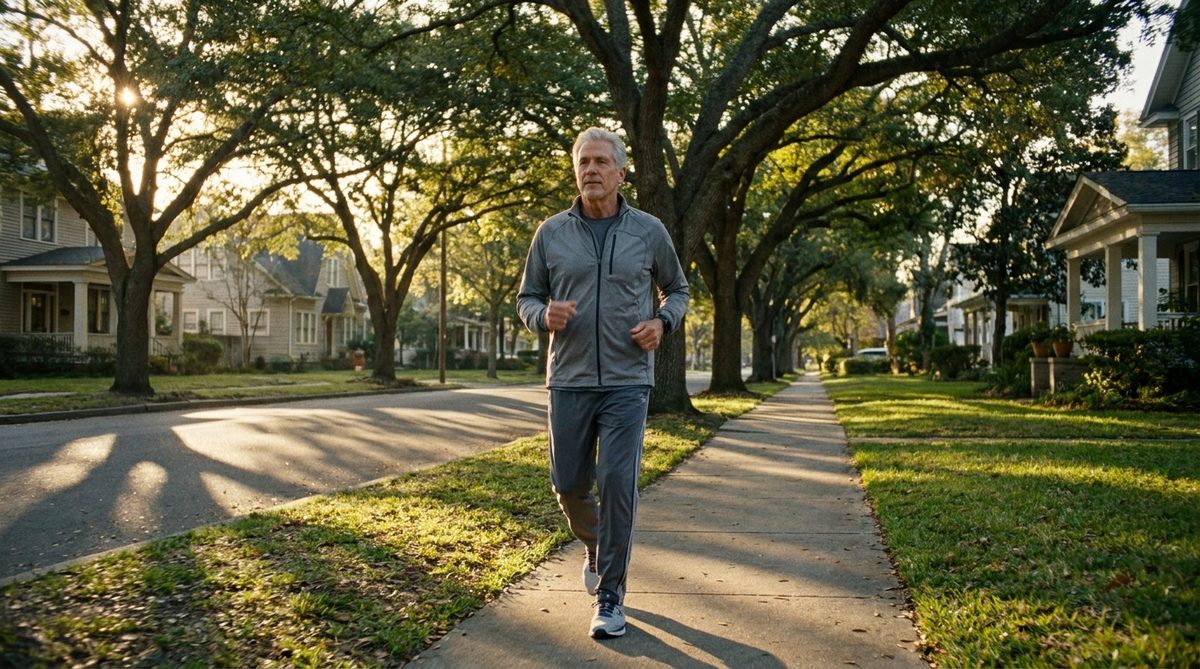
I don’t tell my patients to “exercise more.” That phrase is so vague it’s almost useless. What I tell them is to build purposeful movement into the architecture of their day.
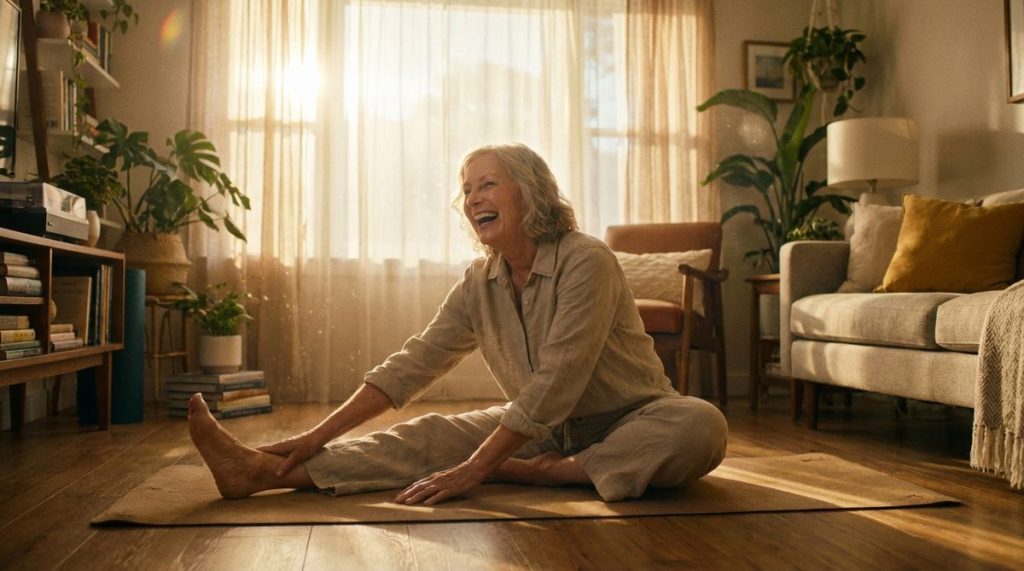
For Margaret, that started with a ten-minute walk after breakfast. Not a power walk. Not a jog. Just movement with intention. Within a month, she added water aerobics twice a week—an activity that gave her both resistance training and social connection without stressing her arthritic knees.
What the Research Actually Shows
The CDC recommends that adults 65 and older get at least 150 minutes of moderate-intensity aerobic activity per week, along with muscle-strengthening activities on two or more days. But here’s the number that stops my patients in their tracks: adults over 60 who engage in regular physical activity reduce their risk of all-cause mortality by up to 35 percent compared to sedentary peers.
What I see most often is patients who were active earlier in life but stopped after a health scare, a surgery, or retirement. The gap between “I used to be active” and “I haven’t moved intentionally in three years” is where the real danger lives. Muscle mass decreases approximately 3 to 8 percent per decade after age 30, and the rate accelerates after 60. But resistance training—even modest bodyweight exercises—can reverse sarcopenia at any age.
- Walking 7,000 to 10,000 steps daily is associated with significantly lower cardiovascular risk in adults over 60
- Balance exercises like tai chi reduce fall risk by up to 50 percent according to multiple meta-analyses
- Even gardening, carrying groceries, and climbing stairs count as functional strength training
- The best exercise is the one you’ll actually do consistently—sustainability beats intensity every time

Pillar Two: Anti-Inflammatory Nutrition
Margaret’s “convenience diet” was heavy on sodium, refined carbohydrates, and ultra-processed foods. Her C-reactive protein—a marker of systemic inflammation—was elevated. This is not unusual. According to recent NHANES data, more than 60 percent of calories consumed by American adults come from ultra-processed foods, and that number tends to increase in older adults living alone.
I didn’t hand Margaret a rigid meal plan. Instead, I introduced her to what I call the “crowding out” approach: rather than eliminating foods she enjoyed, we focused on adding nutrient-dense options that naturally displaced the processed ones.
The Mediterranean Pattern Keeps Winning
The research on diet and aging keeps circling back to Mediterranean and MIND diet patterns. A 2024 study in The Lancet Healthy Longevity found that adherence to a Mediterranean-style diet was associated with a 25 percent reduction in the risk of cognitive decline over a five-year period in adults aged 65 and older. The Mayo Clinic continues to recommend this dietary pattern as one of the most evidence-backed approaches for heart health, brain health, and longevity.
The foods that form the backbone of an age-defying lifestyle on the nutritional front are not exotic or expensive:
- Leafy greens, berries, and cruciferous vegetables for antioxidant and anti-inflammatory compounds
- Fatty fish like salmon, sardines, and mackerel at least twice weekly for omega-3 fatty acids
- Extra virgin olive oil as a primary fat source
- Nuts, seeds, and legumes for plant-based protein and fiber
- Adequate protein at every meal—older adults need 1.0 to 1.2 grams per kilogram of body weight daily, higher than what’s recommended for younger adults
Margaret’s dinner club became her secret weapon. Cooking with and for others gave her both nutritional improvement and the next pillar on our list.
Pillar Three: Social Connection as Medicine
I often tell my patients that loneliness is as dangerous as smoking 15 cigarettes a day. That’s not hyperbole—it comes from a widely cited meta-analysis by Julianne Holt-Lunstad at Brigham Young University. Social isolation increases the risk of premature death by 26 percent and the risk of dementia by approximately 50 percent.
What struck me about Margaret’s case was how quickly she had become isolated after retirement. She went from seeing dozens of students and colleagues daily to spending most of her time alone. The cognitive fog she attributed to aging was, in large part, a symptom of social deprivation.
Building a Social Infrastructure
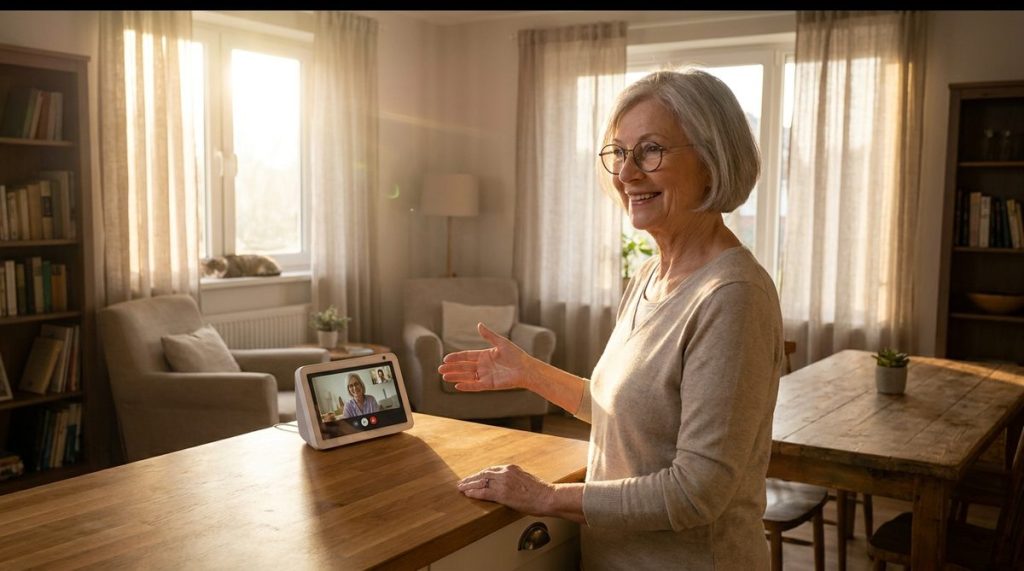
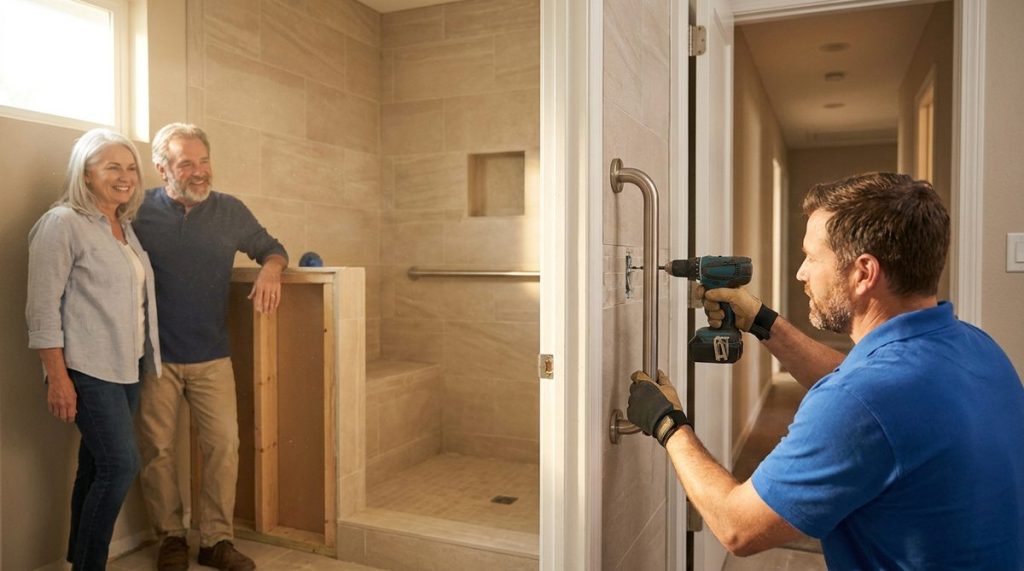
For seniors planning to age in place—and most seniors want to, even if few feel fully ready—social infrastructure is just as important as grab bars and wider doorways. I encourage my patients to think about social connection the same way they think about medication: it needs to be scheduled, consistent, and non-negotiable.
- Weekly recurring activities with the same group of people (classes, clubs, faith communities, volunteer work)
- Daily brief contact with at least one person outside the household—even a five-minute phone call counts
- Intergenerational connection, which research shows is particularly protective for cognitive health
- Community programs like senior fairs that combine health screenings, resources, and social engagement in one accessible event
Pillar Four: Prioritizing Sleep Quality
Sleep is the pillar most of my patients dismiss—and the one that often produces the most dramatic improvements when addressed. Margaret was sleeping fewer than five hours a night and assumed that was normal for her age. It is not.
The National Institute on Aging confirms that while sleep architecture changes as we get older—with less deep sleep and more nighttime awakenings—the need for seven to nine hours of sleep does not diminish. What changes is our ability to achieve it, often due to treatable factors like sleep apnea, medication side effects, chronic pain, or poor sleep hygiene.
The Hidden Cost of Poor Sleep After 60
Chronic sleep deprivation in older adults is linked to a cascade of health problems that mimic or accelerate aging: impaired glucose metabolism, elevated cortisol, reduced immune function, increased amyloid-beta accumulation in the brain (a hallmark of Alzheimer’s pathology), and heightened fall risk due to daytime drowsiness.
For Margaret, three changes made an enormous difference: she stopped drinking coffee after noon, established a consistent wake time (even on weekends), and we treated a mild case of sleep apnea she didn’t know she had. Within eight weeks, she described the improvement as “like putting on glasses for the first time.”
- Keep a consistent sleep-wake schedule, even on weekends
- Limit caffeine to mornings only—caffeine’s half-life is five to six hours, and sensitivity increases with age
- Ask your doctor about a sleep study if you snore, wake gasping, or feel unrefreshed despite adequate time in bed
- Review all medications with your physician for sleep-disrupting side effects—beta-blockers, certain antidepressants, and corticosteroids are common culprits
Pillar Five: Cognitive Engagement and Mental Health
The conversation about an age-defying lifestyle cannot stop at the body. Mental health and cognitive engagement are foundational, not supplemental. Nine out of ten geriatric patients I see who report “feeling old” are also experiencing some degree of depression, anxiety, or cognitive under-stimulation—and these are profoundly treatable conditions at any age.
Margaret’s cognitive fog cleared substantially once her sleep, nutrition, and social connection improved. But she also started doing something she hadn’t done since college: learning a new language. She chose Spanish, partly because her neighborhood had a growing bilingual community and partly because novel learning—acquiring genuinely new skills—is one of the most potent forms of cognitive exercise.
Protecting the Brain in 2026
The science of neuroplasticity has demolished the myth that the aging brain can only deteriorate. New neural pathways form at every age when the brain is challenged with novelty. Passive activities like watching television provide minimal cognitive benefit. Active engagement—learning instruments, studying languages, strategic games, creative writing, or even navigating unfamiliar routes while walking—builds cognitive reserve.
Mental health deserves equal attention. Late-life depression affects approximately 7 percent of the general older adult population and up to 13 percent of those receiving home healthcare. It’s chronically underdiagnosed because symptoms like fatigue, appetite changes, and social withdrawal are often misattributed to “normal aging” or other medical conditions. If you or a loved one has been struggling, please talk to a physician. Effective treatments exist, and the belief that decline is inevitable is one of the most harmful aging myths we need to debunk.
Pillar Six: Proactive, Coordinated Medical Care
The final pillar is the one that ties everything else together. Proactive medical care means more than showing up for annual physicals. It means having a care team that understands the unique physiology of aging, coordinates across specialties, and treats you as a partner rather than a passive recipient.
What I see most often in patients who come to me after years with a non-geriatric provider is what I call “silo medicine.” Their cardiologist adjusts one medication. Their rheumatologist adds another. Their primary care doctor doesn’t know about the supplement they started. Nobody has looked at the full picture and asked, “Are all twelve of these medications still necessary? Are any of them interacting? Is this fatigue a disease or a side effect?”
What Proactive Care Looks Like
Margaret was on seven medications when I first saw her. After a comprehensive review, we safely discontinued two that were no longer indicated and adjusted doses on two others. That single intervention reduced her dizziness and improved her energy—before any lifestyle changes even took effect.
- Request a comprehensive medication review at least once a year, especially if you see multiple specialists
- Stay current on recommended screenings: colorectal cancer, bone density, hearing, vision, cognitive function, and depression
- Get vaccinated—pneumococcal, shingles (Shingrix), annual flu, and updated COVID-19 boosters remain critical for adults over 65
- Understand your Medicare benefits thoroughly, because rising premiums can affect how consistently you access care; the 2026 Medicare Part B premium increase is already eating into Social Security COLA adjustments
- Advocate for yourself—if a provider attributes a new symptom to “just aging,” seek a second opinion
Margaret’s Life Two Years Later
The last time Margaret came in for her routine visit, she was 76. Her biological age, measured by an epigenetic panel we’d been tracking, had dropped to the equivalent of 69. She was sleeping seven hours a night, walking 8,000 steps most days, hosting her dinner club religiously, and conversational in Spanish. Her inflammatory markers were normal. Her mood was bright.
“You know what changed?” she told me. “I stopped believing that feeling bad was the price of getting old.”
That belief—that decline is the default—is the most dangerous thing I fight in my practice. It’s more dangerous than any single disease because it convinces people not to try. The evidence in 2026 is unequivocal: an age-defying lifestyle is not about denying that we age. It’s about refusing to age on autopilot.
Where to Start If This Feels Overwhelming
If you’ve read through these six pillars and feel like the gap between where you are and where you could be is impossibly wide, I want you to hear this clearly: you do not need to change everything at once. Margaret didn’t. She started with a ten-minute walk and a phone call to a friend. That was week one.
Pick one pillar. The one that resonates most. Make one small change this week and protect it like an appointment you can’t cancel. In my experience, one pillar tends to pull the others along. Better sleep leads to more energy for movement. Movement improves mood. Better mood makes you more likely to cook a real meal and call a friend.
The compound interest of small, consistent health habits is the closest thing to a fountain of youth that modern medicine has found. And unlike most medical interventions, it costs almost nothing, has no side effects, and is available to you starting today.
About Dr. James Roberts, MD, Board-Certified in Geriatrics
Dr. James Roberts is a board-certified geriatrician with 22 years of clinical experience caring for American seniors. He specializes in chronic disease management, medication safety, cognitive health, and senior wellness. Dr. Roberts is passionate about translating the latest medical research into clear, practical guidance that helps older adults make confident, informed decisions about their health. At Daily Trends Now, his articles are based on peer-reviewed studies and authoritative sources such as the CDC, Mayo Clinic, and the National Institute on Aging.