
Key Takeaways
- New research shows many older adults actually improve in key health measures over time, challenging the myth that aging equals inevitable decline.
- A 4-week dietary intervention reversed biological age markers in adults over 50, proving it's never too late to make meaningful changes.
- Physical decline after 60 is driven more by inactivity and outdated beliefs than by the aging process itself.
- Seniors who engage in regular arts and physical activity show measurably slower biological aging compared to sedentary peers.
The Biggest Lie We’ve Been Told About Getting Older
In my 18 years as a board-certified geriatric physical therapy specialist, I’ve watched one belief do more damage to my patients than any single disease: the conviction that aging automatically means decline. It’s a myth so deeply woven into American culture that many adults over 50 simply stop trying — and that surrender, not aging itself, becomes the real problem.
A landmark 2024 study published in The Lancet Healthy Longevity tracked over 18,000 older adults and found something remarkable: a significant portion actually improved in physical function, cognitive sharpness, and emotional well-being over multi-year follow-up periods. Not just maintained — improved. That finding should rewrite everything you think you know about growing older.
Today, I’m going to dismantle seven of the most persistent aging myths I encounter in clinical practice. These aren’t harmless misunderstandings. They’re beliefs that lead to unnecessary medication, premature loss of independence, and years of diminished quality of life. Let’s set the record straight with evidence, not wishful thinking.
Myth #1: Physical Decline After 60 Is Inevitable
This is the myth I fight hardest every single day. Patients walk into my clinic at 65, 72, even 84 years old assuming that weakness, stiffness, and poor balance are just “part of getting old.” What I see most often is the consequence of inactivity being mistaken for the consequence of aging.
The CDC reports that only 28% of adults aged 75 and older meet the recommended guidelines for aerobic and muscle-strengthening activity. That means nearly three out of four older Americans are under-exercising — and then blaming their age for the results.
“Muscle loss after 50 happens at a rate of roughly 1-2% per year — but resistance training can reverse years of that loss in as little as 8-12 weeks, even in adults in their 80s and 90s.”
Research from Tufts University demonstrated that nursing home residents with an average age of 87 increased their leg strength by 175% after just 10 weeks of supervised resistance training. That’s not maintenance. That’s transformation. If you’ve been told to “take it easy,” I’d encourage you to question who benefits from that advice — because it certainly isn’t you.
For a comprehensive framework on building sustainable habits, check out these 6 Pillars of a Healthier Age-Defying Lifestyle After 50.
Myth #2: Your Brain Is on an Irreversible Downhill Slide
The idea that cognitive decline is a one-way street may be the most damaging aging myth of all. Yes, processing speed tends to slow modestly with age. But vocabulary, pattern recognition, emotional intelligence, and what psychologists call “crystallized intelligence” often continue to grow well into our 70s and beyond.
The National Institute on Aging emphasizes that normal age-related cognitive changes are far more subtle than most people fear. Occasionally forgetting where you put your keys is not the beginning of dementia. It’s a normal variation in attention that happens at every age.
What Actually Protects Your Brain
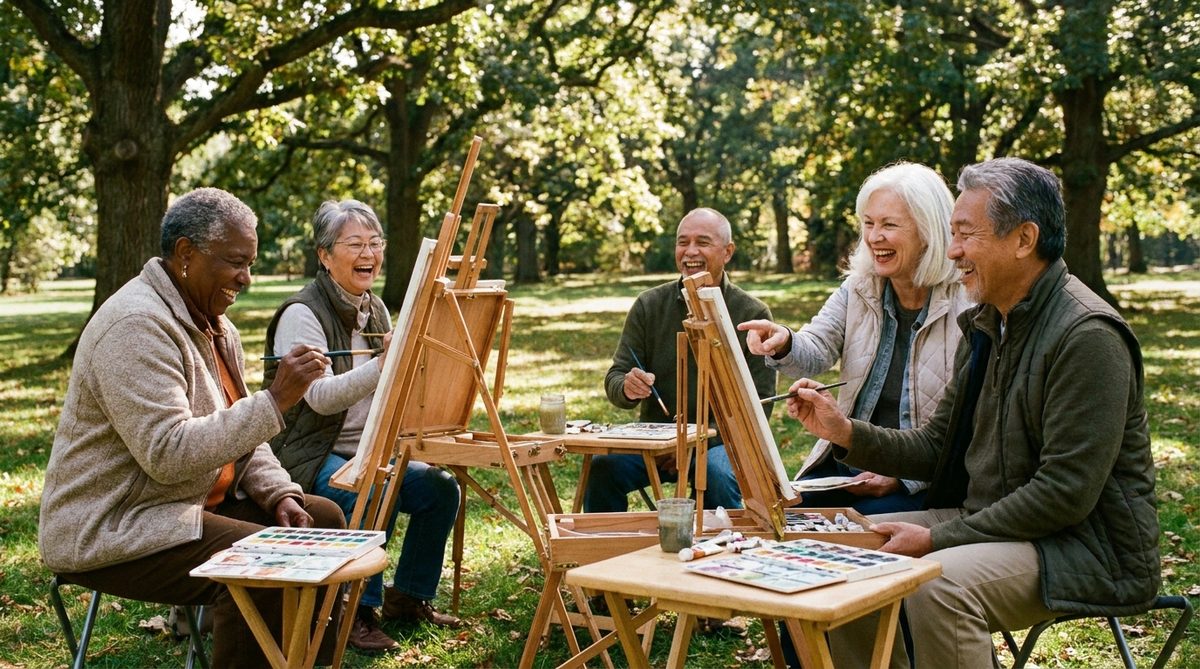
A 2025 study from University College London found that regular engagement in arts activities — painting, music, theater, creative writing — was linked to measurably slower biological aging and better cognitive outcomes in adults over 60. The effect was independent of education level and socioeconomic status.
I often tell my patients that the brain responds to challenge the same way muscles do: use it in varied, demanding ways, and it adapts. Stop challenging it, and it atrophies. The prescription isn’t crossword puzzles alone — it’s novelty, social interaction, physical movement, and creative expression working together.
Myth #3: It’s Too Late to Change Your Diet and See Real Results
This one gets personal for me because I’ve watched patients dismiss nutrition advice with a wave of the hand: “I’m 68 — what difference will a salad make now?” The answer, according to recent science, is a stunning amount of difference.
Researchers at the Helfgott Research Institute conducted a controlled trial in which adults over 50 followed a specific diet rich in leafy greens, cruciferous vegetables, colorful berries, healthy fats, and fermented foods for just four weeks. The result? Measurable reversal of epigenetic biological age markers. Four weeks. Not four years.
The mechanism involves DNA methylation — chemical tags on your genes that shift with age but also respond dramatically to nutritional input. This means your cells are listening to what you eat right now, regardless of what you ate for the previous three decades. You can explore the details in our deep dive on how to Reverse Biological Age: What a 4-Week Diet Change Can Do.
A Simple Nutrition Reset for Adults Over 50
- Add before you subtract. Instead of focusing on what to eliminate, add one extra serving of colorful vegetables to every meal for the first week.
- Prioritize protein at every meal. Aim for 25-30 grams per meal to combat age-related muscle loss. Think eggs, Greek yogurt, chicken, fish, or legumes.
- Incorporate fermented foods daily. Kimchi, sauerkraut, kefir, or plain yogurt support gut microbiome diversity, which research links to reduced inflammation and better immune function.
- Eat the rainbow — literally. Different colored fruits and vegetables deliver different polyphenols. Rotate your selections weekly.
- Hydrate intentionally. Thirst sensation diminishes with age. Set a goal of at least 64 ounces daily, and front-load your intake before 3 PM to reduce nighttime bathroom trips.
- Reduce ultra-processed foods by 50%. You don’t need perfection. Cutting packaged snacks, sugary drinks, and processed meats by half produces measurable improvements in inflammatory markers within weeks.
Myth #4: Sleep Problems Are Just Part of Getting Older
I hear this constantly: “I haven’t slept well since I turned 55, but that’s just how it is.” No, it isn’t. While sleep architecture does change with age — lighter sleep stages, earlier wake times — chronic insomnia, frequent nighttime awakenings, and daytime exhaustion are not normal parts of aging. They’re medical problems with solutions.
According to the Mayo Clinic, older adults still need 7-8 hours of quality sleep per night. The barrier isn’t age — it’s often undiagnosed sleep apnea (which affects an estimated 56% of adults over 65), medication side effects, untreated pain, or poor sleep hygiene habits that have accumulated over decades.
What You Can Do Starting Tonight
First, talk to your doctor about a sleep study if you snore, gasp, or wake feeling unrefreshed. Second, audit your medication list — antihistamines, certain blood pressure medications, and corticosteroids are common sleep disruptors. Third, maintain consistent sleep and wake times, even on weekends. Your circadian rhythm becomes less flexible with age, making consistency more important, not less.
Myth #5: Depression and Loneliness Are Normal in Old Age
This myth quietly kills people. Depression is not a natural consequence of aging, yet it’s dramatically under-diagnosed in adults over 65 because both patients and providers dismiss symptoms as “just getting old.” The reality? The CDC reports that adults aged 55 and older have among the highest suicide rates in the United States, and untreated depression doubles the risk of cardiac events in older adults.
“In my clinical experience, the single most powerful intervention for an older adult’s overall health isn’t a medication or a surgery — it’s consistent, meaningful social connection. Loneliness is as damaging to longevity as smoking 15 cigarettes a day.”
That statistic comes from a meta-analysis by Julianne Holt-Lunstad at Brigham Young University, and it should alarm every senior living alone without regular social contact. If you or someone you love is struggling, this isn’t weakness — it’s a medical issue that responds well to treatment, including therapy, medication, community engagement, and structured physical activity.

Myth #6: You Can’t Build Muscle After 70
This is flatly, demonstrably wrong — and it’s one of the aging myths I take the most satisfaction in busting with my patients. Sarcopenia (age-related muscle loss) is real, but it is not irreversible, and it is not an excuse to avoid the weight room.
A 2023 systematic review in Sports Medicine analyzed 78 studies involving adults aged 65 to 94 and concluded that progressive resistance training produced significant increases in muscle mass, strength, and functional capacity across all age groups studied. The gains were most dramatic in those who had been previously sedentary — meaning the less you’ve done, the more you stand to gain.
Getting Started Safely
I recommend that any adult over 65 beginning a strength training program work with a qualified physical therapist or certified trainer experienced in geriatric fitness for at least the first four to six sessions. This isn’t about babying you — it’s about establishing correct movement patterns that prevent injury and maximize results. If mobility or home safety is a concern, consider reviewing 7 Home Modifications for Aging in Place and What They Cost to ensure your environment supports your new activity level.
Start with two sessions per week. Focus on compound movements: squats (even to a chair), push-ups (even against a wall), rows, and step-ups. Progressive overload — gradually increasing resistance — is the key principle. Your muscles don’t know how old you are. They only know whether they’re being challenged.
Myth #7: Aging Well Is Mostly About Genetics
If I had a dollar for every patient who told me “good genes” were the only thing that mattered, I could fund my own research lab. The truth, backed by extensive twin studies and population-level data, is that genetics account for only about 20-25% of your longevity and healthspan. The remaining 75-80% is shaped by lifestyle choices, environment, and social determinants of health.
That means the decisions you make today — what you eat, how you move, whether you stay socially engaged, how you manage stress, and the quality of your sleep — carry far more weight than the DNA you inherited. This is liberating news, not a burden. It means you have genuine agency over how you age.
The Evidence-Based Aging Well Checklist
Based on the convergence of research from the Blue Zones Project, the Framingham Heart Study, and recent epigenetic aging studies, here’s what the evidence consistently supports:
- Move daily. At least 150 minutes of moderate aerobic activity plus two resistance sessions per week.
- Eat whole foods. Emphasize plants, lean proteins, healthy fats, and fiber. Minimize ultra-processed foods.
- Stay connected. Maintain at least three meaningful social relationships. Join a class, volunteer, or call someone daily.
- Sleep 7-8 hours. Treat sleep as a non-negotiable health behavior, not a luxury.
- Manage stress actively. Meditation, deep breathing, nature exposure, and creative hobbies all reduce cortisol and inflammatory markers.
- Stay current on screenings. Preventive care catches problems when they’re most treatable.
- Protect your finances. Financial stress is a major health risk for retirees — and scams targeting seniors are surging. Stay informed with resources like 7 Ways to Protect Seniors From Online Scams in 2025.
The Real Story of Aging in America
The narrative is shifting, and the science is unambiguous: aging does not mean decline. It means change — and much of that change is within your control. The new research challenging the notion that older adults inevitably deteriorate isn’t just academic. It’s a call to action for every American over 50 who has been told, directly or indirectly, to lower their expectations.
I’ve worked with a 78-year-old woman who started deadlifting after a hip replacement and now lifts more than many 40-year-olds. I’ve seen a 71-year-old man reverse his type 2 diabetes with dietary changes and walking. I’ve watched patients in their 80s regain enough balance and strength to travel internationally again. These aren’t anomalies. They’re what happens when people reject aging myths and commit to evidence-based action.
You don’t need perfect genetics. You don’t need to turn back the clock. You need accurate information, a willingness to challenge outdated assumptions, and the understanding that your body and brain are still remarkably adaptable — no matter what year is printed on your birth certificate.
Start today. Pick one myth from this list that you’ve been believing, and act against it this week. Your future self will thank you.
About Michael Torres, DPT, Board-Certified Geriatric Specialist
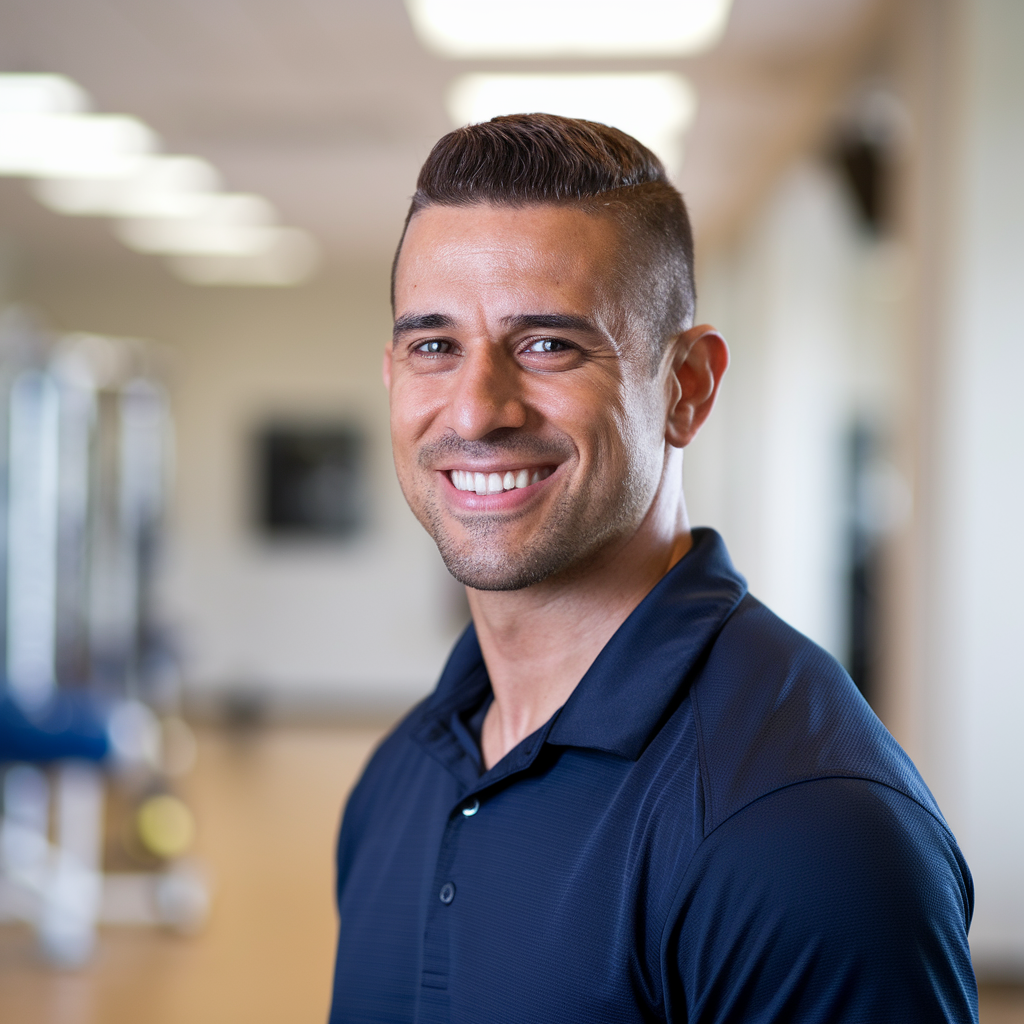
Michael Torres is a Doctor of Physical Therapy and board-certified geriatric clinical specialist with 18 years of experience working with older adults. He has treated thousands of seniors recovering from hip replacements, managing arthritis, rebuilding strength after hospitalizations, and preventing dangerous falls. At Daily Trends Now, Michael writes practical guides on exercises, mobility, pain management, and the physical strategies that help seniors stay strong and independent.