

The Phone Call That Changed Everything
Last March, a 67-year-old woman named Carol sat across from me in my office, clutching a grocery bag full of supplement bottles. She’d just come from a follow-up with her cardiologist. Her LDL cholesterol had crept up again. Her fasting glucose was borderline. She hadn’t slept well in months. And she was exhausted—not just physically, but from the sheer confusion of conflicting health advice she’d been reading online.
“I keep hearing about these pillars of healthy aging,” she told me, “but nobody actually explains what I’m supposed to do with my life on a Tuesday morning.”
Carol’s frustration is something I hear almost every week. In my 15 years of clinical nutrition practice, I’ve worked with hundreds of adults over 50 who are motivated, intelligent, and willing to make changes—but who feel buried under vague wellness buzzwords. The phrase “age-defying lifestyle” gets thrown around constantly, yet rarely with the specificity that people like Carol actually need.
So let me break it down. Not with platitudes, but with the six evidence-based pillars that I’ve seen transform the health of my older clients—pillars that researchers, physicians, and public health experts are converging on as we head into 2026.
Pillar One: Nutrition That Actually Fights Chronic Disease
Carol’s supplement bag contained fish oil, turmeric capsules, a multivitamin, collagen powder, and something labeled “cellular renewal complex.” When I asked about her actual meals, she admitted to skipping breakfast most days, eating a sandwich for lunch, and relying on frozen dinners because cooking for one felt pointless after her husband passed.
This is what I see most often: people investing in supplements while neglecting the foundational eating patterns that the science overwhelmingly supports. According to the CDC, fewer than 1 in 10 American adults eat enough fruits and vegetables—and that figure is even lower among adults over 65 living alone.
The dietary pattern with the strongest evidence for longevity and chronic disease prevention remains the Mediterranean-style diet. A landmark 2024 meta-analysis in The BMJ confirmed that adherence to Mediterranean eating patterns reduced all-cause mortality risk by 21% and cardiovascular events by 33% in adults over 60.
What This Looks Like in Practice
For Carol, we didn’t overhaul everything at once. We started with three changes:
- Adding a handful of walnuts and a piece of fruit to her morning coffee routine—turning “skipping breakfast” into a 200-calorie anti-inflammatory start
- Swapping two frozen dinners per week for a simple sheet-pan meal with salmon, olive oil, and roasted vegetables (total prep time: 12 minutes)
- Replacing her afternoon soda with sparkling water and a splash of 100% pomegranate juice
Within six weeks, her fasting glucose dropped from 118 mg/dL to 103. Not magic. Just real food, consistently eaten. If you’re looking for a broader framework for building these kinds of habits, I’d recommend exploring 5 Healthy Habits for Aging Well in Your 60s and Beyond as a companion guide.
Pillar Two: Movement as Medicine—Not Punishment
The second pillar of a healthier age-defying lifestyle is physical activity, but not the way most people think about it. When I mention exercise to clients over 60, I often see a flash of guilt cross their faces—as if they’ve already failed because they aren’t running 5Ks or lifting heavy at the gym.
Here’s what the research actually says: the National Institute on Aging recommends that older adults aim for 150 minutes per week of moderate-intensity aerobic activity, combined with muscle-strengthening activities at least two days per week and balance training. That’s roughly 22 minutes a day of brisk walking plus two short resistance sessions.
A 2023 study published in JAMA Internal Medicine found that adults aged 60–85 who walked just 7,000 to 8,000 steps daily had a 50–65% lower risk of premature death compared to those walking fewer than 4,000 steps. The returns on movement are extraordinary—and they don’t require a gym membership.
Carol’s Movement Breakthrough
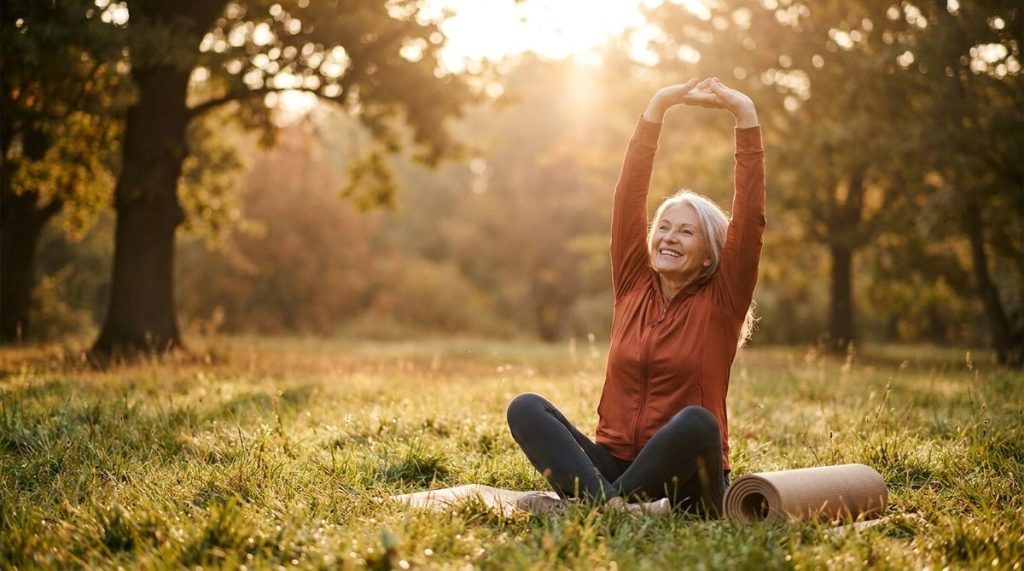
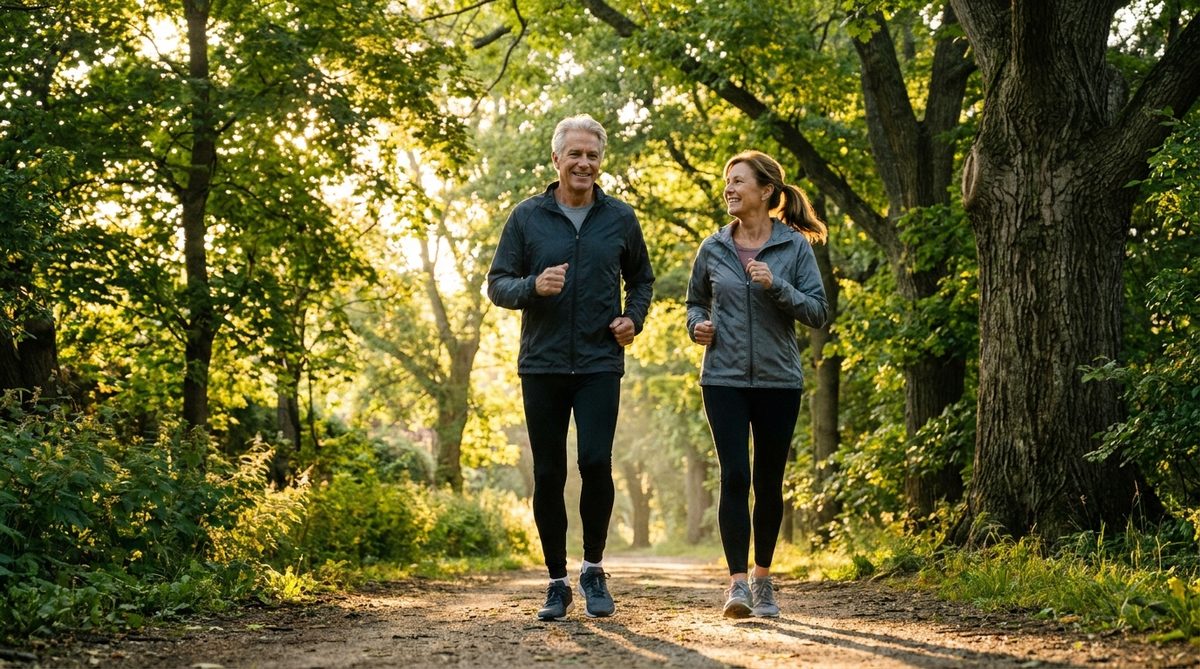
Carol had knee osteoarthritis and hadn’t exercised regularly in years. We started with a 10-minute morning walk—literally around her block. She used a cane at first. By month two, she’d added a second loop. By month four, she was walking 25 minutes most mornings and had joined a chair yoga class at her local senior center on Thursdays.
Her rheumatologist told her the knee inflammation had measurably decreased. More importantly, she told me she felt “like herself again.” That’s not an anecdote I take lightly. It’s a pattern I’ve seen repeated dozens of times.
Pillar Three: Sleep Quality—The Most Underrated Health Lever
If I could give every American over 50 one piece of advice they’re probably not hearing enough, it would be this: take your sleep as seriously as your blood pressure medication.
Poor sleep isn’t just about feeling tired. Research from the Mayo Clinic has linked chronic sleep disruption in older adults to increased risk of Alzheimer’s disease, cardiovascular events, falls, depression, and impaired immune function. A 2024 study in Sleep journal found that adults over 60 sleeping fewer than five hours per night had a 30% higher risk of developing dementia over a 10-year follow-up.
Yet sleep problems are often dismissed as a normal part of aging. They’re common, yes—but they’re not inevitable, and they’re absolutely not something you should just accept.
Practical Sleep Strategies That Work
- Keep a consistent wake time, even on weekends—this anchors your circadian rhythm more powerfully than any supplement
- Limit caffeine after noon (and remember that “decaf” still contains 2–15 mg of caffeine per cup)
- Address nighttime urination with your doctor—nocturia affects over 60% of adults over 65 and is one of the most treatable causes of sleep disruption
- Consider cognitive behavioral therapy for insomnia (CBT-I), which the American College of Physicians recommends as a first-line treatment over sleeping pills
- Keep your bedroom cool (65–68°F) and genuinely dark—blackout curtains are a worthwhile investment
Carol’s sleep improved substantially when she stopped drinking tea after 2 PM and started using a white noise machine to mask the traffic sounds from her apartment window. Small changes, real results.
Pillar Four: Cognitive Engagement and Lifelong Learning
The “use it or lose it” principle isn’t just folk wisdom—it’s backed by decades of neuroscience. The concept of cognitive reserve suggests that mentally stimulating activities throughout life can build resilience against age-related brain changes and even delay the symptoms of dementia.
A 2023 longitudinal study from Rush University Medical Center followed 1,903 adults (average age 80) for over seven years. Those who engaged in cognitively stimulating activities—reading, writing, playing games, learning new skills—had a 29% slower rate of cognitive decline compared to those with low cognitive engagement.
I often tell my clients that the brain is the most metabolically active organ in the body. It consumes about 20% of your daily calories despite being only 2% of your body weight. Feeding it well (see Pillar One) and challenging it regularly aren’t optional—they’re foundational to a healthier age-defying lifestyle.
Beyond Crossword Puzzles
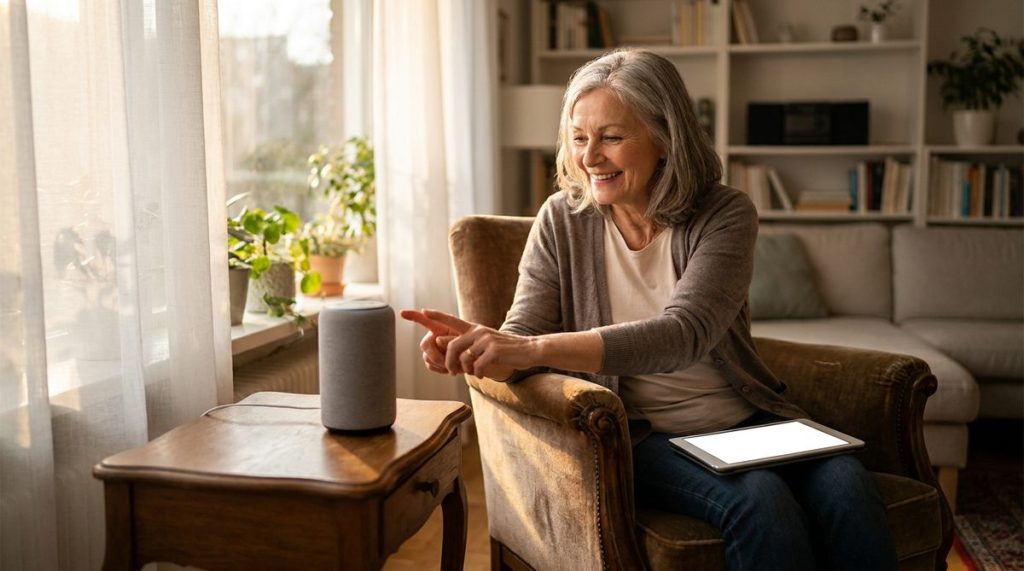
While puzzles and games certainly help, the most potent cognitive stimulation comes from novelty and complexity. Learning a new language, taking an online course, picking up a musical instrument, or even navigating new technology all create new neural pathways. If you’re interested in how modern devices can support both cognitive health and independent living, this guide to setting up your smart home safely is a practical starting point.

Pillar Five: Social Connection—Your Longevity Superpower
When Carol first came to see me, she mentioned almost as an afterthought that she hadn’t had a real conversation with a friend in over two weeks. She didn’t think of loneliness as a health issue. Most people don’t.
But it is. The U.S. Surgeon General’s 2023 advisory on loneliness and isolation declared social disconnection a public health crisis, noting that prolonged loneliness carries health risks equivalent to smoking 15 cigarettes a day. For adults over 65, social isolation increases the risk of premature death by 26%, dementia by 50%, and heart disease by 29%.
These aren’t soft numbers. They rival the risk profiles of obesity, physical inactivity, and heavy drinking.
Building Connection When It Feels Hard
I understand that social connection becomes more complicated after 50. Friends move. Spouses pass away. Retirement eliminates the built-in social structure of a workplace. Mobility issues make going out harder. None of this makes the need any less urgent.
- Volunteer work—even two hours per week—has been linked to lower rates of depression and higher life satisfaction in adults over 60
- Shared-interest groups (book clubs, gardening clubs, faith communities) create recurring, low-pressure social contact
- Video calls count. A 2024 University of Michigan study found that older adults who had regular video calls with friends or family reported 40% lower loneliness scores than those who relied solely on phone calls or texts
- Consider a “social prescription”—ask your doctor about community programs designed to reconnect isolated older adults with local activities and peer groups
Carol started volunteering at her local library’s literacy program. She told me it gave her a reason to get dressed, get out, and feel useful. Three months later, she had two new friends and a weekly dinner date. Her blood pressure had also dropped 8 points—a correlation her cardiologist noted with interest.
Pillar Six: Proactive, Informed Healthcare
The final pillar is about taking ownership of your medical care without becoming overwhelmed by it. In my experience, the seniors who age most successfully are the ones who show up to appointments prepared, ask questions, and view their healthcare team as partners rather than authorities who shouldn’t be questioned.
This is especially critical given that adults over 65 take an average of 4–5 prescription medications, according to the CDC. Polypharmacy—the simultaneous use of multiple drugs—increases the risk of adverse drug interactions, falls, and cognitive side effects. Yet fewer than half of older adults have had a comprehensive medication review in the past year.
Becoming Your Own Health Advocate
- Bring a written list of every medication, supplement, and over-the-counter drug to every appointment
- Ask your physician or pharmacist for an annual “deprescribing” conversation—are any of your medications no longer necessary?
- Stay current on recommended screenings (colonoscopy, bone density, vision, hearing) and discuss with your doctor which screenings still make sense for your age and health status
- Keep a simple health journal—track blood pressure, blood sugar, weight, mood, and sleep patterns weekly so you have data to share at appointments
Understanding the financial side of healthcare in retirement is equally important. Medical costs remain one of the largest expenses seniors face, and planning ahead can prevent devastating financial surprises. For a deeper look at this, 7 Big Expenses Seniors Must Plan for in Retirement 2026 offers a clear breakdown.
Where Carol Is Now
I saw Carol again this past January—almost a year after that first appointment with the bag of supplements. She still takes fish oil (I approved that one) and her prescribed statin. The “cellular renewal complex” is gone. In its place: a consistent Mediterranean-inspired eating pattern, morning walks, Thursday yoga, Tuesday volunteering, a 10 PM bedtime she actually keeps, and a relationship with her doctor that she describes as “a real partnership.”
Her A1C dropped from 5.9% to 5.4%. Her LDL went from 162 to 128. She lost 11 pounds without dieting. She sleeps six to seven hours most nights. She told me she feels “ten years younger,” and while I’m always cautious about that kind of claim, her biomarkers back it up.
Carol’s story isn’t exceptional. It’s reproducible. The six pillars of a healthier age-defying lifestyle aren’t secrets—they’re nutrition, movement, sleep, cognitive engagement, social connection, and proactive healthcare. What makes them powerful isn’t knowing about them. It’s doing them, consistently, one small change at a time.
The Real Secret to Aging Well
If there’s one thing I want every reader over 50 to take away from this, it’s that aging well isn’t about defying biology—it’s about working with it. Your body at 65 or 75 is remarkably capable of adaptation, healing, and growth when you give it what it needs. Recent research continues to confirm this, as covered in this piece on why aging doesn’t mean decline.
You don’t need to overhaul your life in a weekend. Pick one pillar. Make one change this week. Build from there. That’s how Carol did it. That’s how the strongest evidence says it works. And in my 15 years of helping people navigate nutrition and chronic disease, it’s the approach I’ve seen succeed more than any other.
Your future self will thank you for what you start today.
Frequently Asked Questions
What is the most important pillar of a healthier age-defying lifestyle for seniors?
While all six pillars work synergistically, nutrition tends to have the broadest impact because it directly influences inflammation, blood sugar regulation, cardiovascular health, cognitive function, and sleep quality. Starting with consistent, whole-food-based eating patterns like the Mediterranean diet can create a positive ripple effect across every other pillar.
How much exercise do seniors really need each week to see health benefits?
The National Institute on Aging recommends 150 minutes per week of moderate-intensity aerobic activity (like brisk walking), plus muscle-strengthening exercises at least two days per week and regular balance training. However, research shows significant health benefits begin at even lower levels—walking just 7,000 steps daily can reduce premature death risk by 50% or more in adults over 60.
Can social isolation really affect physical health in older adults?
Yes, substantially. The U.S. Surgeon General's 2023 advisory reported that chronic loneliness carries health risks comparable to smoking 15 cigarettes per day. For seniors, social isolation increases the risk of premature death by 26%, dementia by 50%, and heart disease by 29%. Regular social contact—even through video calls—can measurably reduce these risks.
Is it too late to start building healthy habits after age 65 or 70?
Absolutely not. Research consistently shows that the human body retains a remarkable capacity for adaptation well into later decades. Studies have demonstrated that adults in their 70s and 80s who adopt regular physical activity, improve their diets, or increase social engagement experience measurable improvements in cardiovascular markers, cognitive function, and overall mortality risk within months.
About Dr. Linda Park, PhD, RD (Registered Dietitian)
Dr. Linda Park is a Registered Dietitian with a PhD in Nutritional Science and 15 years of clinical and research experience focused on older adults. She has published peer-reviewed research on the role of nutrition in managing diabetes, cardiovascular health, and cognitive decline in seniors. At Daily Trends Now, Dr. Park writes evidence-based articles on senior nutrition, supplement safety, meal planning, and the foods that truly make a difference for aging well.