

Why an Age-Defying Lifestyle Isn’t About Turning Back the Clock
Every week in my clinic, at least one patient asks me some version of the same question: “Dr. Roberts, what’s the secret to aging well?” After 22 years of practicing geriatric medicine, I can tell you the answer isn’t a single supplement, a trendy diet, or an expensive anti-aging cream. It’s a system—a set of interconnected habits that reinforce each other day after day.
The science has never been clearer. A 2023 study published in Nature Medicine found that adults who adopted multiple healthy behaviors simultaneously reduced their risk of all-cause mortality by up to 62%, even when they started after age 60. That’s not a typo. The compounding effect of layering good habits is far more powerful than any single intervention.
What I’m sharing here are the six pillars of a healthier, age-defying lifestyle—the framework I use with my own patients. These aren’t fads. They’re grounded in decades of clinical research and real-world results I’ve witnessed firsthand. Whether you’re 52 or 82, each pillar can be adapted to your current health status and goals.
And if you’ve ever been told that aging automatically means decline, I’d encourage you to read this eye-opening piece on why aging doesn’t have to mean decline. The data tells a very different story.
Pillar 1: Strategic Movement Over Generic Exercise
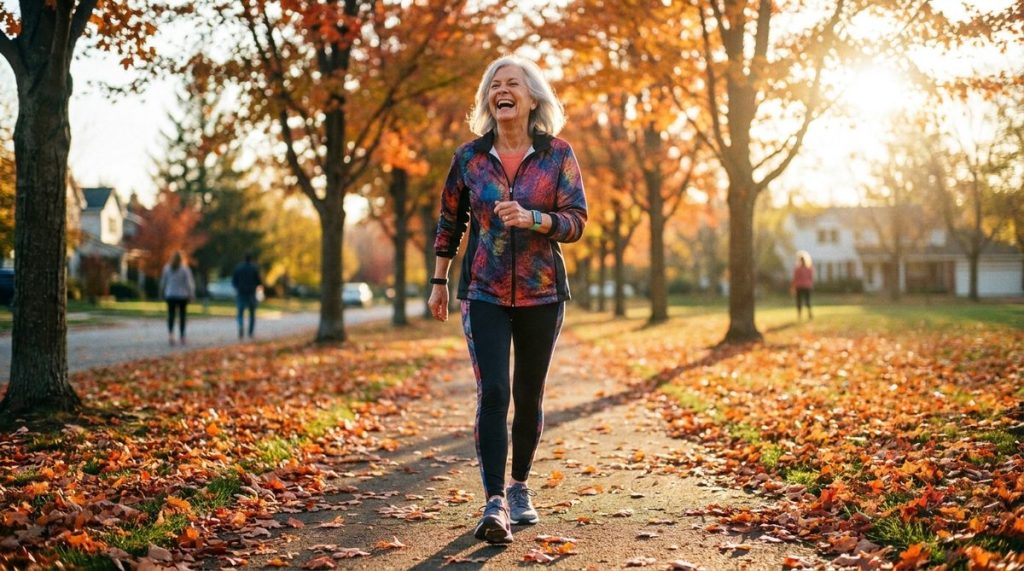
I deliberately don’t say “just exercise more.” That advice is too vague to be useful and often leads people to either overdo it or choose the wrong type of activity for their body. What I recommend instead is strategic movement—a deliberate combination of four exercise categories tailored to your age, joint health, and cardiovascular fitness.
The Four Types of Movement Every Older Adult Needs
- Resistance training: At least two sessions per week. After age 50, we lose roughly 1–2% of muscle mass per year. Resistance exercise is the single most effective countermeasure for sarcopenia (age-related muscle loss).
- Aerobic activity: 150 minutes of moderate-intensity or 75 minutes of vigorous-intensity per week, per CDC guidelines for older adults.
- Balance work: Falls are the leading cause of injury-related death in Americans over 65. Even five minutes of single-leg stands or tai chi daily can reduce fall risk by 23–40%.
- Flexibility and mobility: Dynamic stretching, yoga, or gentle range-of-motion exercises keep joints functional and reduce chronic pain.
What I see most often is patients gravitating toward only one type—usually walking—and neglecting resistance and balance training entirely. Walking is wonderful, but it’s not enough on its own. The 87-year-old triathletes making headlines aren’t superhuman; they’ve simply built a well-rounded movement practice over time.
Start where you are. If you haven’t exercised in years, a 10-minute walk and two bodyweight squats is a legitimate beginning. Progress matters more than perfection. For more on building sustainable habits, check out these five healthy habits for aging well in your 60s and beyond.
Pillar 2: Nutrition That Fights Inflammation, Not Just Calories
Calorie counting is largely irrelevant for most of my patients over 65. What matters far more is the quality of food and its effect on chronic inflammation—the underlying driver of heart disease, type 2 diabetes, Alzheimer’s, and many cancers.
The Anti-Inflammatory Eating Framework
The Mediterranean and MIND diets consistently outperform every other eating pattern in longevity research. A landmark 2024 study from Rush University showed that adults who closely followed the MIND diet had a 53% lower risk of developing Alzheimer’s disease compared to those who didn’t.
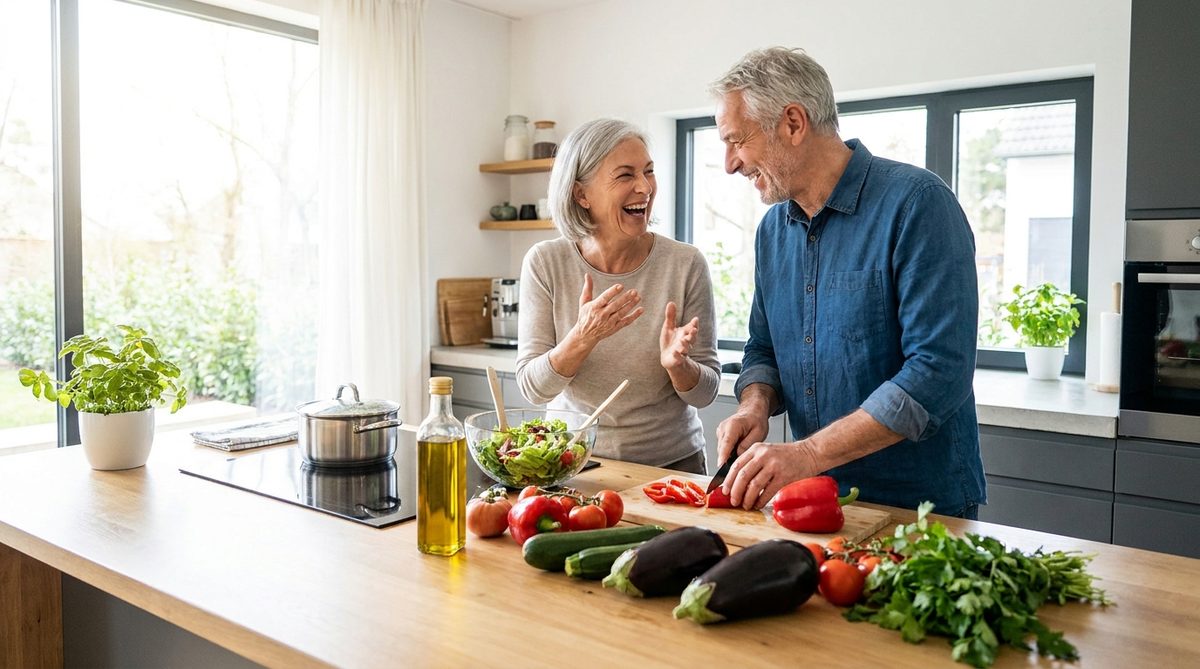
Here’s what a practical anti-inflammatory plate looks like:
- Half the plate: Colorful vegetables—leafy greens, cruciferous vegetables, bell peppers, tomatoes
- One quarter: Lean protein—fatty fish (salmon, sardines, mackerel at least twice per week), poultry, legumes, or eggs
- One quarter: Whole grains or starchy vegetables—quinoa, sweet potato, brown rice
- Healthy fats: Extra-virgin olive oil, avocado, nuts (especially walnuts and almonds)
I often tell my patients: “If it comes in a box with more than five ingredients, it’s probably working against you.” Ultra-processed foods—packaged snacks, sugary cereals, fast food—drive systemic inflammation and accelerate cellular aging. A 2022 BMJ analysis found that every 10% increase in ultra-processed food consumption raised all-cause mortality risk by 14%.
The Protein Problem After 65
Many older adults aren’t eating enough protein, and this is something I flag constantly. The current RDA of 0.8 grams per kilogram of body weight was designed for younger adults. Most geriatric nutritionists now recommend 1.0–1.2 g/kg/day for adults over 65, and even higher—up to 1.5 g/kg/day—for those with sarcopenia or recovering from illness.
Spreading protein intake across all three meals (rather than loading it at dinner) maximizes muscle protein synthesis. Aim for 25–30 grams per meal.
Pillar 3: Sleep as a Non-Negotiable Health Intervention
If I could prescribe one thing to every patient over 60, it wouldn’t be a medication—it would be better sleep. Poor sleep isn’t just about feeling tired. It’s a direct contributor to cognitive decline, cardiovascular disease, immune dysfunction, and even increased fall risk.
The National Institute on Aging recommends 7–9 hours for most adults, yet surveys consistently show that nearly 50% of Americans over 60 report chronic sleep difficulties. This is not a normal part of aging—it’s a medical problem that deserves clinical attention.
Evidence-Based Sleep Strategies for Older Adults
- Consistent timing: Go to bed and wake up within a 30-minute window every day, including weekends. This anchors your circadian rhythm.
- Light exposure management: Get 20–30 minutes of natural morning sunlight. Dim indoor lights after 8 p.m. Avoid screens for at least one hour before bed.
- Temperature: Keep the bedroom between 65–68°F. Core body temperature needs to drop for sleep onset.
- Alcohol awareness: Even one glass of wine within three hours of bedtime fragments sleep architecture and suppresses restorative REM sleep.
- Medication review: Many common prescriptions—certain blood pressure medications, corticosteroids, some antidepressants—can disrupt sleep. Ask your doctor for a comprehensive medication review.
If you’ve tried behavioral strategies and still struggle, talk to your physician about a sleep study. Undiagnosed sleep apnea affects roughly 56% of adults over 65 and is a major—but treatable—cause of daytime fatigue, hypertension, and cognitive fog.
Pillar 4: Cognitive Engagement and Mental Health Protection
In my 22 years of practice, I’ve watched two patients with nearly identical physical health trajectories diverge dramatically based on one factor: how actively they engaged their minds. The brain is not a passive organ. It responds to stimulation, novelty, and challenge throughout the entire lifespan.
What Actually Works for Brain Health
Forget the brain-training apps that promise to boost your IQ. The strongest evidence supports these cognitive protectors:
- Learning something genuinely new: A new language, a musical instrument, a complex card game. The key is novelty, not repetition of familiar tasks.
- Social interaction: Loneliness increases dementia risk by 40%, according to a 2022 meta-analysis in The Lancet. Regular, meaningful social contact is as important to brain health as any supplement.
- Reading and writing: Adults who read regularly show slower rates of cognitive decline. Journaling, letter writing, and creative writing offer similar benefits.
- Purpose and engagement: Having a reason to get up in the morning—whether it’s volunteering, mentoring, caregiving, or pursuing a hobby—is associated with lower rates of depression and dementia.
Mental health deserves the same clinical seriousness as any physical condition. Depression affects approximately 7 million American adults over 65, yet only about one-third receive treatment. If you’re experiencing persistent sadness, withdrawal, changes in appetite, or loss of interest in activities you once enjoyed, please bring it up with your doctor. These are not inevitable parts of aging—they’re treatable conditions.
And if you think hobbies are frivolous, these common myths about hobbies for seniors may change your mind. Purposeful leisure activity is medicine.

Pillar 5: Proactive Medical Management
An age-defying lifestyle doesn’t mean avoiding doctors—it means partnering with them strategically. Too many of my patients fall into one of two extremes: either they avoid medical care entirely until a crisis hits, or they’re over-tested and over-medicated without a clear plan. Both approaches undermine healthy aging.
The Screenings and Check-Ups That Matter Most After 50
| Screening/Test | Recommended Frequency | Why It Matters | Ages |
|---|---|---|---|
| Blood pressure check | At least annually (more often if elevated) | Hypertension is the #1 modifiable risk factor for stroke and heart disease | 50+ |
| Lipid panel | Every 1–2 years | Tracks cholesterol and triglycerides; guides cardiovascular risk reduction | 50+ |
| Colorectal cancer screening | Every 10 years (colonoscopy) or per doctor’s recommendation | Colorectal cancer is highly treatable when caught early | 50–75 |
| DEXA bone density scan | Every 2 years (or as recommended) | Detects osteoporosis before a fracture occurs | Women 65+; men 70+ (earlier with risk factors) |
| A1C / fasting glucose | Every 1–3 years | Identifies prediabetes and diabetes; affects nearly every organ system | 50+ |
| Hearing and vision exams | Every 1–2 years | Untreated hearing loss is linked to a 2–5x increased dementia risk | 50+ |
| Annual wellness visit | Yearly | Comprehensive review of medications, functional status, and prevention plan | 65+ (Medicare-covered) |
| Cognitive screening | As part of annual wellness visit or with any concerns | Early detection of cognitive changes enables planning and intervention | 65+ |
The Medication Conversation
Polypharmacy—taking five or more medications—affects over 40% of Americans over 65. I review every patient’s medication list at least annually because drug interactions and unnecessary prescriptions are among the most common causes of preventable hospitalizations in older adults.
Bring a complete, updated list of every medication, supplement, and over-the-counter product to every appointment. Ask your doctor three questions: “Do I still need this?” “Could this be causing side effects I’m experiencing?” and “Are any of these interacting with each other?”
Understanding your health coverage matters too. With rising costs, knowing what retirees actually take home from Social Security in 2026 helps you budget for prescriptions, copays, and out-of-pocket expenses that affect your ability to manage chronic conditions.
Pillar 6: Environmental Design for Aging in Place
The final pillar is one that most health articles overlook entirely: your physical environment. According to AARP’s most recent survey, nearly 90% of adults over 65 want to age in place—but fewer than half have made meaningful modifications to their homes to make that feasible.
Your environment can either support your health or quietly sabotage it. A poorly lit staircase, a slippery bathroom floor, or a kitchen that requires reaching overhead for daily items—these aren’t minor inconveniences. They’re injury risks waiting to happen.
High-Impact Home Modifications
- Bathroom safety: Grab bars near the toilet and inside the shower, a non-slip mat, and a handheld showerhead. Falls in the bathroom account for roughly 235,000 emergency room visits per year among older adults.
- Lighting: Replace dim bulbs with bright, consistent LED lighting throughout hallways, staircases, and entryways. Motion-sensor nightlights in bedrooms and bathrooms reduce nighttime fall risk.
- Floor hazards: Remove loose rugs, secure electrical cords, and address uneven thresholds. These are the most common tripping hazards I encounter during home safety assessments.
- Accessibility: Consider lever-style door handles, raised toilet seats, and single-floor living arrangements when possible.
- Technology: Medical alert systems, smart home devices, and AI-assisted monitoring can provide safety without sacrificing independence. The Mayo Clinic’s resources on healthy aging offer additional guidance on creating supportive home environments.
Environmental design also includes your social environment. Living in isolation—whether in a remote rural area or a disconnected suburb—creates barriers to healthcare access, social engagement, and emergency response. If aging in place is your goal, proactive planning is essential.
How the Six Pillars Work Together
These six pillars aren’t independent silos—they’re a reinforcing system. Better sleep improves exercise performance. Regular movement reduces inflammation, which improves cognitive function. A strong social network motivates you to stay active and eat well. Proactive medical management catches problems early, before they derail your other efforts. And a well-designed home environment keeps you safe enough to maintain your independence and your routines.
In my clinical experience, the patients who thrive aren’t the ones who obsess over one pillar and neglect the others. They’re the ones who build a modest, sustainable practice across all six. They walk three times a week instead of running a marathon. They eat vegetables at most meals instead of following a restrictive diet. They see their doctor regularly and ask informed questions. They call a friend, join a book club, or volunteer at a local school.
An age-defying lifestyle isn’t about defying biology. It’s about aligning with it—giving your body and mind the inputs they need to function at their best, regardless of the number on your birthday cake.
Your Next Step
Pick one pillar. Just one. Identify the smallest possible action you could take this week to improve it. Maybe it’s adding a serving of leafy greens to dinner tonight. Maybe it’s calling your doctor to schedule that overdue annual wellness visit. Maybe it’s setting a consistent bedtime for the next seven days.
Small, consistent actions compound into transformative results. I’ve seen it happen thousands of times in my practice, and the research confirms it: it’s never too late to start building a healthier, more resilient life.
The age-defying lifestyle isn’t reserved for the genetically gifted or the wealthy. It’s available to anyone willing to take it one pillar at a time.
Frequently Asked Questions
Is it too late to start an age-defying lifestyle if I'm already in my 70s or 80s?
Absolutely not. Research consistently shows that adults who adopt healthier habits—even in their 70s and 80s—experience meaningful improvements in strength, cardiovascular health, cognitive function, and overall quality of life. The benefits of resistance training, improved nutrition, and better sleep are measurable at any age.
Which pillar of a healthier age-defying lifestyle should I focus on first?
Start with the one that feels most achievable for you right now. For many of my patients, that's sleep or nutrition because they don't require equipment or gym access. However, if you haven't seen your doctor recently, scheduling a comprehensive wellness visit is an excellent first step because it establishes a baseline for everything else.
How much exercise is safe for seniors with chronic conditions like arthritis or heart disease?
Most chronic conditions benefit from regular movement, but the type and intensity should be tailored to your situation. The CDC recommends 150 minutes of moderate aerobic activity per week for older adults, but your doctor can help you adjust based on your specific conditions. Low-impact options like water aerobics, chair exercises, and walking are excellent starting points.
Do anti-aging supplements actually work for older adults?
Most anti-aging supplements lack strong clinical evidence. A few—like vitamin D (if you're deficient), omega-3 fatty acids, and certain probiotics—have research supporting specific benefits. However, no supplement replaces the foundational pillars of movement, nutrition, sleep, and social engagement. Always consult your doctor before starting any supplement, especially if you take prescription medications.
What's the connection between social isolation and physical health in seniors?
Social isolation is a serious health risk for older adults. Research shows that chronic loneliness increases the risk of heart disease by 29%, stroke by 32%, and dementia by up to 40%. Meaningful social connections reduce stress hormones, support immune function, and promote physical activity. Even brief daily interactions—a phone call, a shared meal, a community group—provide measurable health benefits.
About Dr. James Roberts, MD, Board-Certified in Geriatrics
Dr. James Roberts is a board-certified geriatrician with 22 years of clinical experience caring for American seniors. He specializes in chronic disease management, medication safety, cognitive health, and senior wellness. Dr. Roberts is passionate about translating the latest medical research into clear, practical guidance that helps older adults make confident, informed decisions about their health. At Daily Trends Now, his articles are based on peer-reviewed studies and authoritative sources such as the CDC, Mayo Clinic, and the National Institute on Aging.