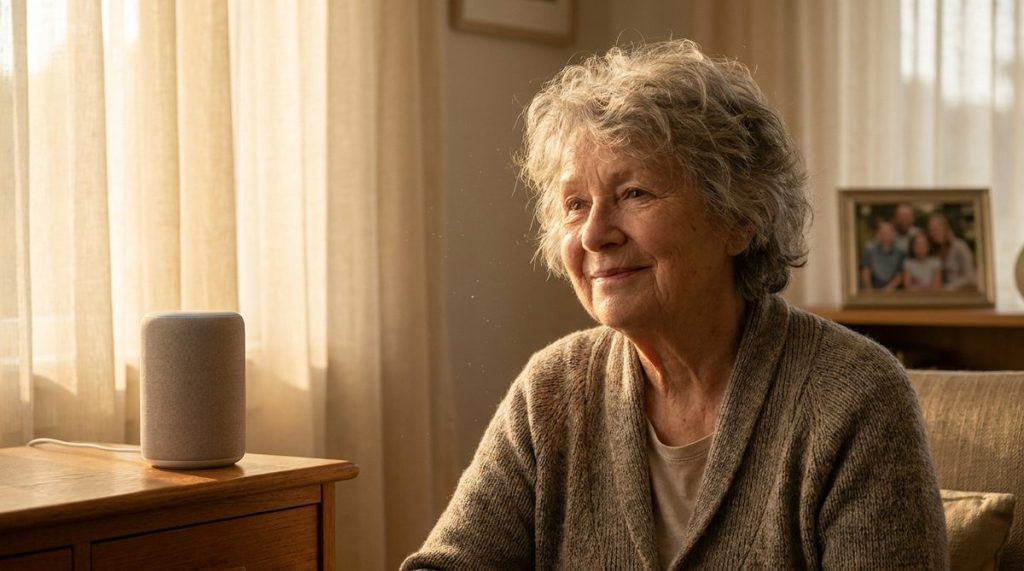


The Phone Call That Changed Margaret’s Mornings
Margaret called my office on a Tuesday in March. She was 67, recently retired, and—by her own admission—feeling like she was “falling apart.” Her knees ached every morning. She’d gained 18 pounds since leaving her teaching job two years earlier. Her doctor had just added a second blood pressure medication, and her fasting glucose was creeping toward prediabetes territory.
“I used to be the person who walked the hallways all day and never sat down,” she told me. “Now I sit in my recliner and watch the news until noon. I don’t even recognize myself.”
Margaret’s story is one I hear constantly. In my 15 years as a registered dietitian working primarily with adults over 50, I’ve watched hundreds of clients reach their 60s and 70s feeling blindsided by how quickly things shift when routines disappear and chronic conditions start stacking up. But here’s what I also know: Margaret’s story doesn’t have to end where it started. Within five months, she’d dropped 11 pounds, her fasting glucose had normalized, and she told me she felt “ten years younger.” No miracle supplement. No extreme diet. Just five foundational habits, applied consistently.
Those are the same five healthy habits for aging well that I want to walk you through today—backed by research, grounded in real clinical experience, and designed specifically for the realities of life after 60.
Why Your 60s and 70s Are a Pivotal Window
There’s a persistent myth that by the time you reach your mid-60s, the die is cast—your health trajectory is locked in. The science says otherwise. A landmark study published in the BMJ in 2020 found that adults who adopted even four healthy lifestyle behaviors after age 60 reduced their risk of all-cause mortality by up to 50% over a 10-year follow-up period. The National Institute on Aging consistently emphasizes that it’s never too late to benefit from positive changes.
What I see most often in practice is that people don’t fail because they lack willpower. They fail because they try to overhaul everything at once, or they follow advice designed for 30-year-olds. The habits that matter most after 60 aren’t about six-pack abs or marathon training. They’re about preserving function, protecting cognition, managing chronic disease, and maintaining independence.
That last point—independence—is deeply personal for most of my clients. According to AARP’s 2024 Home and Community Preferences Survey, roughly 77% of adults over 50 want to remain in their homes as they age. But wanting to age in place and being physically capable of it are two very different things. The habits below directly support that goal. If you’re also thinking about the practical side of staying home, you might find this guide to modifying your home for aging in place a useful companion to the health strategies we’ll cover here.
Habit 1: Prioritize Protein at Every Meal
When Margaret showed me her typical daily food log, the pattern was instantly familiar. Toast and coffee for breakfast. A small salad for lunch. A reasonable dinner—but only one meal out of three had any meaningful protein. She was averaging about 38 grams of protein a day. For a 155-pound woman in her late 60s, the research suggests she needed at least 68 to 85 grams.
After age 60, the body becomes less efficient at synthesizing muscle from dietary protein—a phenomenon researchers call “anabolic resistance.” The Mayo Clinic recommends that older adults consume 1.0 to 1.2 grams of protein per kilogram of body weight daily, which is significantly higher than the outdated RDA of 0.8 g/kg that was established using data from younger populations.
What This Looks Like on a Plate
I often tell my clients to aim for 25–30 grams of protein at each of their three main meals. That’s roughly equivalent to a palm-sized portion of chicken breast, a cup of Greek yogurt with nuts, or two eggs plus a serving of cottage cheese. Spreading protein intake across the day is critical—your muscles can only use so much at once.
For Margaret, we made simple swaps: Greek yogurt parfaits replaced toast at breakfast, and her lunch salads got topped with canned salmon or hard-boiled eggs. Within six weeks, her energy levels had noticeably improved, and her physical therapist reported she was progressing faster in her knee-strengthening exercises.
Habit 2: Move for 150 Minutes a Week—But Smarter, Not Harder
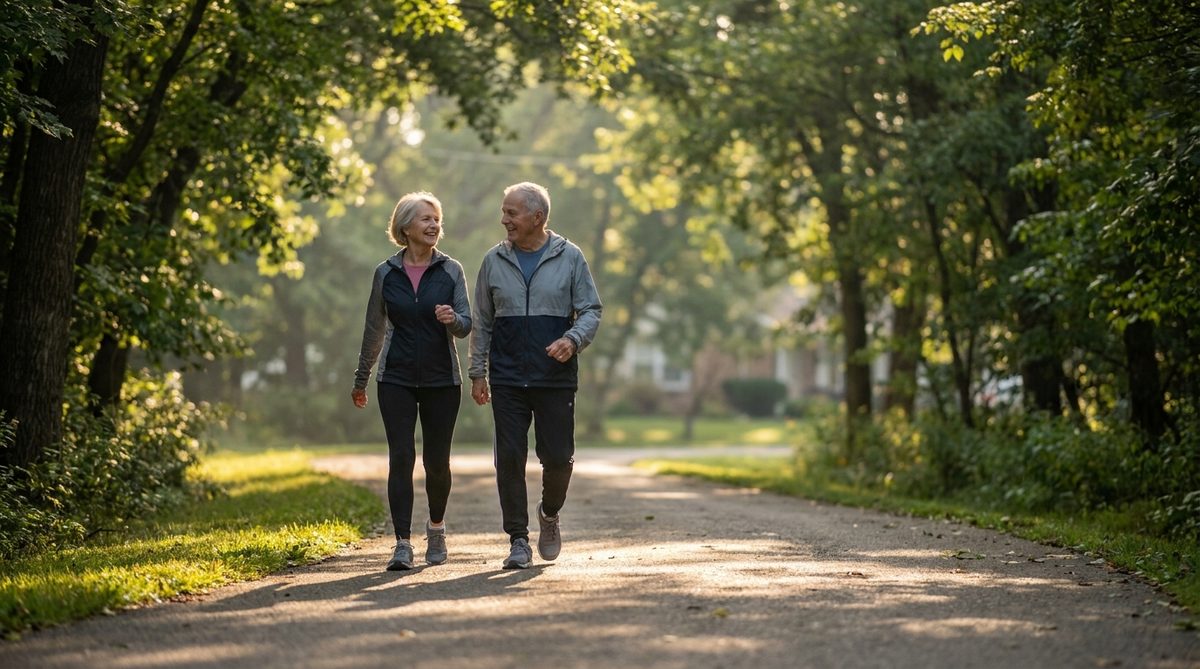
The CDC’s physical activity guidelines for adults 65 and older recommend at least 150 minutes of moderate-intensity aerobic activity per week, plus muscle-strengthening activities on two or more days. That recommendation hasn’t changed in years, and for good reason—the evidence behind it is overwhelming. But what I’ve found is that how you structure those 150 minutes matters enormously for adherence.
Margaret hated the gym. The thought of getting in her car, driving 20 minutes, changing clothes, and navigating equipment she wasn’t comfortable with felt like an enormous barrier. So we scrapped the gym entirely.
The “Movement Snacking” Approach
Instead, Margaret adopted what exercise physiologists call “movement snacking”—short bouts of intentional activity spread throughout the day. A 10-minute walk after breakfast. Chair squats during commercial breaks. Resistance band exercises while watching her morning show. By the end of the week, she was consistently hitting 160 to 180 minutes without ever setting foot in a gym.
The key addition, and one I push hard for anyone over 60, is balance training. Falls are the leading cause of injury-related death among adults 75 and older, according to the CDC. Simple single-leg stands, heel-to-toe walking, and tai chi–inspired weight shifts can dramatically reduce fall risk. Margaret started doing balance exercises every evening while brushing her teeth—a habit cue that made it automatic.
Habit 3: Guard Your Sleep Like Your Life Depends on It
It essentially does. Poor sleep in older adults is linked to increased inflammation, impaired glucose metabolism, elevated blood pressure, accelerated cognitive decline, and a significantly higher risk of falls. A 2023 study in Nature Aging found that adults over 60 who consistently slept fewer than six hours per night had measurably faster rates of brain atrophy compared to those sleeping seven to eight hours.
Yet sleep quality almost always deteriorates with age. Margaret was averaging about five and a half hours, waking two or three times per night, and relying on over-the-counter sleep aids that left her groggy the next morning.
Evidence-Based Sleep Strategies for Seniors
- Consistent wake time: More important than bedtime. Margaret set a 6:30 a.m. alarm seven days a week, even weekends.
- Morning light exposure: 15–20 minutes of natural sunlight within the first hour of waking helps reset circadian rhythm, which weakens with age.
- Limit fluids after 7 p.m.: Nocturia (nighttime urination) is the number-one sleep disruptor in adults over 60. Shifting fluid intake earlier made a noticeable difference for Margaret.
- Cool bedroom (65–68°F): Core body temperature regulation changes with age, making a cool sleeping environment even more important.
- Tart cherry juice: One of the few dietary interventions with clinical evidence for improving sleep in older adults, thanks to its natural melatonin content. Margaret drank 8 ounces about 90 minutes before bed.
Within three weeks, Margaret was sleeping six and a half to seven hours and waking only once during the night. She stopped the OTC sleep aids entirely.
Habit 4: Feed Your Brain—Literally
Cognitive decline is the fear I hear about more than any other in my practice—more than cancer, more than heart disease. And the emerging research on nutrition and brain health gives us real, actionable tools. The MIND diet (Mediterranean-DASH Intervention for Neurodegenerative Delay) was specifically developed by researchers at Rush University Medical Center to target brain health, and a 2023 follow-up analysis found that adherence to the MIND diet was associated with a 53% lower risk of Alzheimer’s disease.
The Brain-Protective Foods I Recommend Most
| Food Category | Weekly Target | Key Brain-Protective Nutrients | Easy Swaps for Seniors |
|---|---|---|---|
| Leafy greens | 6+ servings/week | Folate, lutein, vitamin K | Pre-washed bagged spinach in smoothies or omelets |
| Berries | 2+ servings/week | Anthocyanins, flavonoids | Frozen blueberries (cheaper, just as nutritious) |
| Fatty fish | 1+ serving/week | DHA, EPA omega-3s | Canned wild salmon (no cooking required) |
| Nuts | 5+ servings/week | Vitamin E, healthy fats | Small handful of walnuts as a daily snack |
| Olive oil | Primary cooking oil | Polyphenols, oleocanthal | Replace butter in sautéing and salad dressings |
| Beans & legumes | 3+ servings/week | Fiber, B vitamins, magnesium | Canned low-sodium chickpeas added to salads or soups |
For Margaret, we didn’t introduce a rigid “diet plan.” Instead, I asked her to add one MIND diet food to each meal she was already eating. Spinach in her morning eggs. Blueberries in her yogurt. Walnuts on her afternoon apple slices. Small additions, massive cumulative impact over months and years.
If you’re looking for a broader framework for healthy aging habits, I recently reviewed a helpful piece on the six pillars of an age-defying lifestyle after 50 that complements these nutritional strategies well.
Habit 5: Stay Socially Nourished
This is the habit that surprises people when a dietitian brings it up. But the data is unambiguous: social isolation in older adults carries a mortality risk comparable to smoking 15 cigarettes a day. A 2024 report from the National Academies of Sciences, Engineering, and Medicine found that socially isolated older adults have a 50% increased risk of developing dementia and a 29% increased risk of coronary heart disease.
Margaret had been socially active as a teacher—surrounded by colleagues, students, and parents every day. Retirement stripped all of that away overnight, and she hadn’t replaced it with anything. She told me she sometimes went three or four days without a meaningful conversation with anyone other than her husband.
Building a Social “Diet” That Sustains You
I frame social engagement the same way I frame nutrition: you need variety, consistency, and intentionality. Margaret and I identified three “social nutrients” she could build into her week:
- A recurring group activity: She joined a Tuesday morning walking group at her local senior center. Low barrier, built-in accountability.
- A purpose-driven connection: She began volunteering as a reading tutor at a nearby elementary school two afternoons a week—reconnecting with the teaching identity she missed.
- A daily micro-connection: A five-minute phone call or video chat with a friend or family member. Not texting—voice-to-voice contact, which research shows provides greater emotional benefit.
Hobbies play a critical role here too. Many retirees dismiss the idea of picking up new interests, but staying engaged in something you find meaningful has a documented effect on both cognitive health and longevity. You might be surprised by how many myths about senior hobbies hold people back unnecessarily.
Margaret’s Results—and What They Mean for You
Five months after that first phone call, Margaret’s numbers told a compelling story. Her fasting glucose dropped from 118 mg/dL to 96 mg/dL—well out of the prediabetes range. Her blood pressure improved enough that her doctor reduced her back to a single medication. She’d lost 11 pounds without ever counting a calorie. Her knee pain, while not gone entirely, had decreased enough that she could walk two miles without stopping.
But the number she was proudest of? Zero. That was the number of days in the past month she’d spent sitting in her recliner until noon.
“I have a life again,” she told me at our last session. “I didn’t realize I’d stopped living until I started again.”
Making These Healthy Habits Stick After 60
If there’s one thing I’ve learned working with hundreds of older adults, it’s this: the best health plan is the one you’ll actually follow. Grand overhauls fail. Small, identity-reinforcing habits compound. Here’s what I recommend to every client on day one:
- Start with one habit, not five. Pick the one that feels most achievable and build consistency for two to three weeks before adding another.
- Attach new behaviors to existing routines. Balance exercises while brushing teeth. Protein at a meal you already eat. A phone call during your afternoon coffee.
- Track progress, not perfection. Margaret used a simple paper calendar with check marks. Seeing a streak of X’s was more motivating than any app.
- Involve your doctor. Every change Margaret made was communicated to her primary care physician. Collaboration between your medical team and your nutritional strategy is essential, especially if you’re managing medications.
The Bigger Picture: Aging Well Is a Choice You Make Daily
The phrase “healthy habits for aging well” can sound abstract until you see it play out in someone’s real life. Margaret didn’t reverse time. She still has arthritis. She still takes blood pressure medication. But she reclaimed her energy, her confidence, and her sense of purpose—and she did it through daily decisions, not dramatic interventions.
The research is clear, and my clinical experience confirms it: your 60s and 70s are not a period of inevitable decline. They’re a window of extraordinary opportunity—if you use it. The habits that protect your muscles, your brain, your sleep, your heart, and your social connections aren’t complicated. They’re just consistent.
And consistency, as Margaret will tell anyone who asks, changes everything.
About Dr. Linda Park, PhD, RD (Registered Dietitian)
Dr. Linda Park is a Registered Dietitian with a PhD in Nutritional Science and 15 years of clinical and research experience focused on older adults. She has published peer-reviewed research on the role of nutrition in managing diabetes, cardiovascular health, and cognitive decline in seniors. At Daily Trends Now, Dr. Park writes evidence-based articles on senior nutrition, supplement safety, meal planning, and the foods that truly make a difference for aging well.