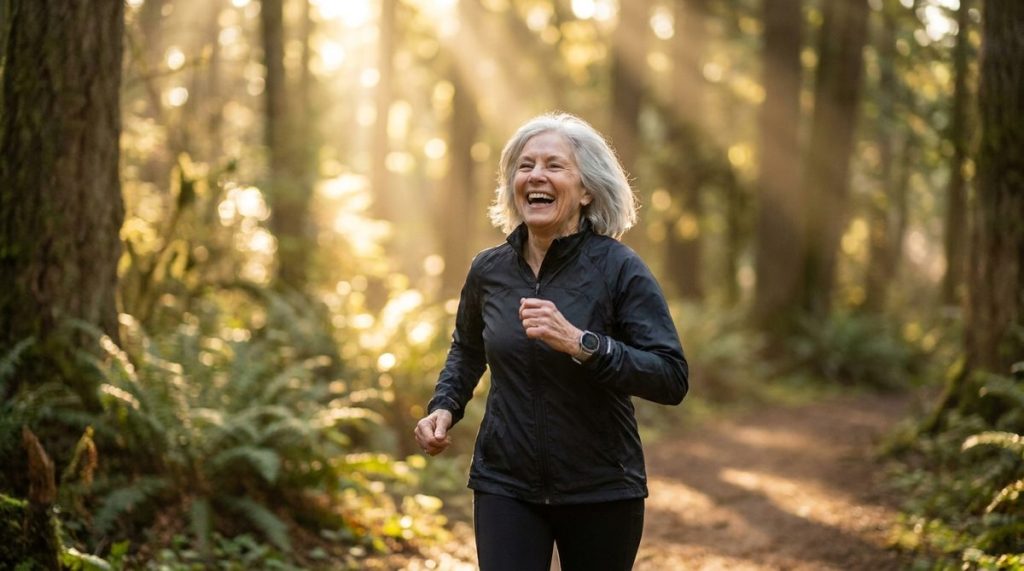


The Science Is Clear: Aging Doesn’t Have to Mean Decline
For decades, the dominant narrative around aging has been one of inevitable deterioration—weaker bones, foggy thinking, shrinking social circles, mounting prescriptions. In my 22 years of practicing geriatric medicine, I’ve watched that narrative cause real harm. Patients walk into my office expecting the worst, and that expectation alone can become a self-fulfilling prophecy.
But a landmark 2024 study published in The Lancet Healthy Longevity is challenging that assumption head-on. Researchers tracking over 18,000 adults aged 50 and older found that a significant proportion—nearly 30%—actually improved in key health metrics over a 10-year follow-up period. Improvements showed up in physical function, cognitive performance, and emotional well-being. This wasn’t a fluke. It was a pattern, and it was tied to specific, repeatable behaviors.
What I see most often in patients who thrive past 60, 70, and even 80 is not lucky genetics. It’s intentional daily choices. Below, I’m sharing seven evidence-backed strategies that can help older adults not just maintain function but genuinely improve with age. If you’ve been told your best years are behind you, read on—because the data says otherwise.
“Nearly 30% of adults over 50 actually improved in physical function, cognition, and emotional well-being over a decade—proving that decline is not the default trajectory of aging.”
1. Build Muscle—Not Just Endurance—After 50
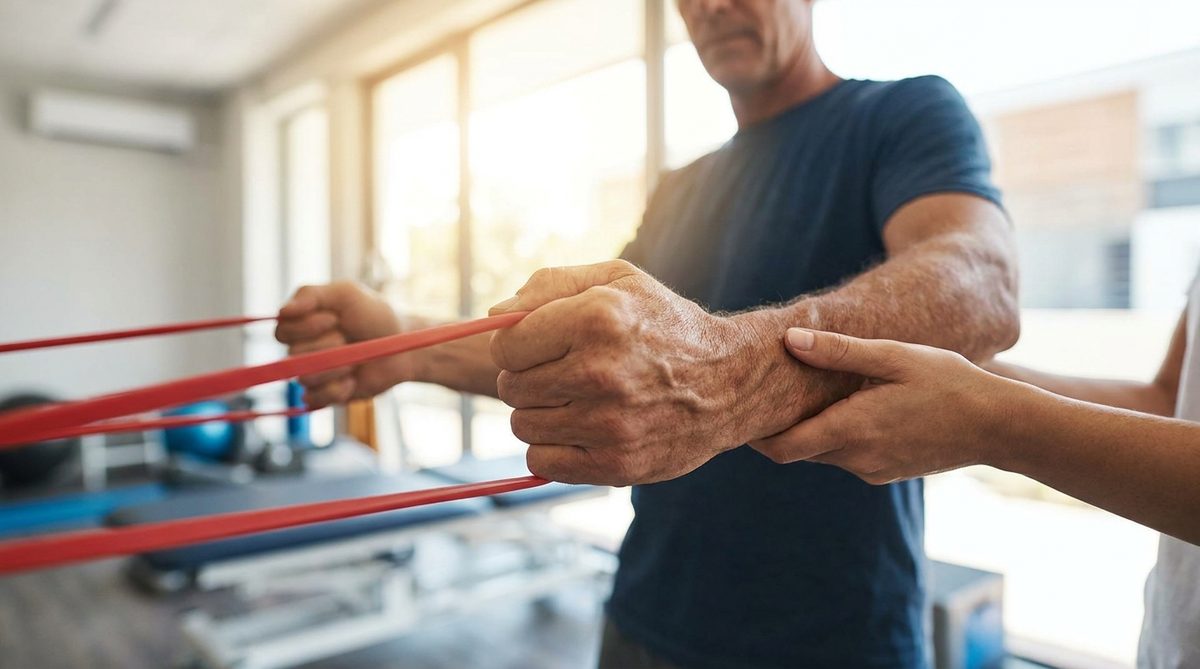
Most seniors I counsel understand that “staying active” matters. But what many miss is that resistance training is arguably the single most protective form of exercise for older adults. After age 30, we lose approximately 3–8% of muscle mass per decade, a process called sarcopenia that accelerates sharply after 60, according to the National Institute on Aging.
The good news? Sarcopenia is not irreversible. A 2023 meta-analysis in The Journal of Gerontology found that adults aged 65–80 who engaged in progressive resistance training twice per week for 12 weeks gained an average of 1.1 kg of lean muscle mass and improved functional strength by 25–30%.
What This Looks Like in Practice
- Start with bodyweight exercises: chair squats, wall push-ups, standing calf raises
- Progress to resistance bands or light dumbbells (3–8 lbs) within 2–4 weeks
- Aim for 2–3 sessions per week, each lasting 20–30 minutes
- Focus on compound movements that mimic daily tasks: squatting, pulling, pushing, carrying
I often tell my patients that the ability to get up off the floor unassisted is one of the strongest predictors of longevity after 65. Strength training preserves exactly that ability.
2. Prioritize Cognitive Challenge Over Passive Entertainment
Television is the number-one leisure activity for Americans over 65, consuming an average of 4.5 hours per day according to Bureau of Labor Statistics data. While relaxation has its place, excessive passive screen time is associated with faster cognitive decline in multiple longitudinal studies.
What the research supports instead is cognitively demanding novelty—activities that force your brain to form new neural pathways. The ACTIVE trial, one of the largest cognitive training studies ever conducted, found that participants who engaged in structured reasoning exercises showed measurable cognitive benefits that persisted for up to 10 years.
High-Value Cognitive Activities
- Learning a new language (even 15 minutes daily with an app shows measurable benefit)
- Taking up a musical instrument for the first time
- Strategy-based games: chess, bridge, complex puzzle games
- Community college courses or free online university lectures
- Writing—journaling, memoir work, or creative fiction
The key distinction I emphasize is challenge versus comfort. Doing the same crossword puzzle format every morning has diminishing returns. Your brain needs to struggle slightly to grow—at any age. For a deeper look at the research behind aging and improvement, check out New Study Says Aging Doesn’t Mean Decline—Here’s Proof.

3. Treat Nutrition as Medicine—Especially Protein
If there’s one nutritional blind spot I encounter repeatedly in my older patients, it’s protein deficiency. The current RDA of 0.8 grams of protein per kilogram of body weight was established for younger adults. Emerging consensus among geriatric nutrition experts, including recommendations from the PROT-AGE study group, suggests that older adults need 1.0–1.2 g/kg/day to prevent muscle wasting, and up to 1.5 g/kg/day during illness or recovery.
For a 160-pound senior, that translates to roughly 73–87 grams of protein daily—far more than the typical breakfast of toast and coffee provides.
| Protein Source | Serving Size | Protein (grams) | Bonus Benefit |
|---|---|---|---|
| Greek yogurt (plain) | 1 cup | 17 g | Probiotics for gut health |
| Chicken breast (grilled) | 4 oz | 35 g | Lean, low saturated fat |
| Canned salmon | 3 oz | 22 g | Omega-3s for heart & brain |
| Eggs | 2 large | 12 g | Choline supports cognition |
| Lentils (cooked) | 1 cup | 18 g | High fiber, blood sugar control |
| Cottage cheese | 1 cup | 28 g | Casein protein, slow-digesting |
| Whey protein shake | 1 scoop | 20–25 g | Fast absorption post-exercise |
I recommend distributing protein across all three meals rather than loading it into dinner alone. Research from the University of Texas shows that muscle protein synthesis is maximized when each meal contains at least 25–30 grams. For broader lifestyle strategies, see 6 Pillars of a Healthier Age-Defying Lifestyle for 2026.
4. Address Loneliness as a Clinical Health Risk
In 2023, the U.S. Surgeon General declared loneliness and social isolation a public health epidemic. The data backing that declaration is staggering: chronic loneliness increases the risk of premature death by 26%, rivals the health impact of smoking 15 cigarettes per day, and raises dementia risk by approximately 50%, according to the CDC.
Among my patients, loneliness is often the invisible accelerant behind conditions I’m treating—depression, elevated cortisol, poor medication adherence, cognitive decline. Yet it rarely appears on a problem list.
Practical Steps That Work
- Structured social commitments: Weekly volunteer shifts, book clubs, or faith-based gatherings create accountability
- Intergenerational connection: Programs like Foster Grandparents or community mentoring pair seniors with younger people, which research shows benefits both parties
- Technology-facilitated contact: Regular video calls with family have been shown to reduce loneliness scores even when in-person visits aren’t possible
- Shared physical activity: Group exercise classes provide both social bonding and physical benefit simultaneously
The takeaway from every study I’ve reviewed is consistent: social connection is not a luxury in later life—it is a biological necessity on par with nutrition and movement.
5. Get Serious About Sleep Quality, Not Just Quantity
Sleep architecture changes significantly with aging, but the assumption that “older people just need less sleep” is a myth that causes real harm. The Mayo Clinic recommends 7–8 hours for adults over 65, yet CDC data shows nearly one-third of older Americans report getting fewer than six hours per night.
Poor sleep in older adults is directly linked to increased fall risk, impaired glucose metabolism, accelerated cognitive decline, and weakened immune response. What I see most often is that my patients accept poor sleep as normal aging rather than treating it as the modifiable risk factor it truly is.
Evidence-Based Sleep Strategies for Seniors
- Maintain a consistent wake time—even on weekends—to anchor your circadian rhythm
- Limit caffeine after noon (caffeine’s half-life is 5–6 hours and extends with age)
- Get bright natural light exposure within 30 minutes of waking
- Discuss all medications with your doctor—many common prescriptions (beta-blockers, certain antidepressants, corticosteroids) disrupt sleep
- Consider cognitive behavioral therapy for insomnia (CBT-I), which the American Academy of Sleep Medicine now recommends as first-line treatment over sleeping pills for older adults
“Chronic loneliness increases premature death risk by 26% and raises dementia risk by 50%. Social connection isn’t a luxury for older adults—it’s a biological necessity.”
6. Manage Chronic Conditions Proactively, Not Reactively
Approximately 80% of adults over 65 have at least one chronic condition, and 68% have two or more, according to the National Council on Aging. The difference between older adults who improve over time and those who decline often comes down to how actively they manage those conditions rather than whether they have them.
In my practice, I see a clear pattern. Patients who thrive typically share these habits:
- They know their numbers: Blood pressure, A1C, cholesterol panel, kidney function (eGFR), vitamin D level—not vaguely, but specifically
- They question medication changes: Polypharmacy (taking 5+ medications) affects nearly 40% of seniors and significantly increases adverse drug interaction risk
- They prepare for medical appointments: Written symptom logs, medication lists, and specific questions lead to dramatically better outcomes than passive visits
- They get annual medication reviews: I recommend every adult over 65 undergo a comprehensive “deprescribing” review annually to determine which medications are still necessary
Chronic disease management is also a financial concern. Healthcare costs represent one of the biggest expenses retirees face, and poor management drives those costs higher. For financial planning strategies, read 7 Big Expenses Seniors Must Plan for in Retirement 2026.
7. Adopt a Purpose-Driven Mindset—It Measurably Extends Life
This final strategy might sound soft compared to protein intake targets and resistance training protocols, but the research behind it is remarkably hard. A 2019 study published in JAMA Network Open followed nearly 7,000 adults over 50 and found that those with the strongest sense of life purpose had a 15.2% lower risk of all-cause mortality over a five-year period—even after controlling for demographic, lifestyle, and health variables.
Purpose doesn’t require grand ambitions. In my experience, it looks like:
- A retired teacher tutoring neighborhood kids twice a week
- A grandparent who maintains the family garden and teaches grandchildren to grow food
- A former engineer volunteering with Habitat for Humanity
- Someone learning watercolor painting and sharing work at a local gallery
What matters is that the activity creates a reason to get up in the morning, generates a sense of contribution, and connects you to something beyond yourself. The Japanese concept of ikigai—a reason for being—has been studied extensively in the Okinawan centenarian population and consistently correlates with exceptional longevity.
The Bigger Picture: You Have More Agency Than You Think
The cultural assumption that aging equals decline is not just inaccurate—it’s dangerous. When older adults internalize negative aging stereotypes, research by Yale psychologist Becca Levy shows they live an average of 7.5 years less than those with positive perceptions of aging. That effect is larger than the survival advantage of not smoking, maintaining a healthy weight, or exercising regularly.
Every strategy I’ve outlined above—building strength, challenging your brain, optimizing protein, nurturing social bonds, improving sleep, managing conditions proactively, and cultivating purpose—is within reach for most older adults. None requires expensive equipment, rare access, or unusual discipline. What they require is a fundamental belief that improvement is possible.
The science now backs that belief conclusively. In my 22 years of caring for older patients, the ones who age most successfully share a common trait: they refuse to accept decline as destiny. They stay curious, stay engaged, and stay intentional about the choices that compound over months and years into dramatically different outcomes.
Your next decade can genuinely be better than your last. The evidence—and my clinical experience—confirm it.
Frequently Asked Questions
At what age is it too late to start strength training?
It's never too late. Studies have shown significant muscle and strength gains in adults well into their 90s. A 2009 Cochrane review found that progressive resistance training improved strength in older adults regardless of starting age. Always consult your physician before beginning, especially if you have osteoporosis or joint conditions, but age alone is not a barrier.
How much protein should a senior eat per day?
Current geriatric nutrition guidelines recommend 1.0–1.2 grams of protein per kilogram of body weight daily for healthy older adults. That means a 160-pound person should aim for roughly 73–87 grams per day, spread across three meals. During illness or recovery, needs may increase to 1.5 g/kg/day. A registered dietitian can help personalize your target.
Can cognitive decline really be reversed in older adults?
While not all cognitive decline is reversible, many contributing factors are treatable. Depression, medication side effects, sleep apnea, vitamin B12 deficiency, and thyroid disorders can all mimic or worsen cognitive impairment. When these are addressed, cognition often improves. Additionally, structured cognitive training has been shown in the ACTIVE trial to produce benefits lasting up to 10 years.
Does loneliness actually affect physical health, or is it just an emotional issue?
Loneliness has measurable physiological effects. Chronic social isolation raises cortisol levels, increases systemic inflammation, elevates blood pressure, and weakens immune function. The CDC reports that social isolation increases heart disease risk by 29% and stroke risk by 32%. It is now recognized as a clinical health risk, not merely an emotional concern.
What is deprescribing, and should I ask my doctor about it?
Deprescribing is the supervised, gradual process of reducing or stopping medications that may no longer be necessary or that may be causing more harm than benefit. It's especially important for adults taking five or more medications, a situation known as polypharmacy. Yes, you should ask your doctor or pharmacist about an annual medication review, particularly after age 65, to assess whether each prescription is still appropriate.
About Dr. James Roberts, MD, Board-Certified in Geriatrics
Dr. James Roberts is a board-certified geriatrician with 22 years of clinical experience caring for American seniors. He specializes in chronic disease management, medication safety, cognitive health, and senior wellness. Dr. Roberts is passionate about translating the latest medical research into clear, practical guidance that helps older adults make confident, informed decisions about their health. At Daily Trends Now, his articles are based on peer-reviewed studies and authoritative sources such as the CDC, Mayo Clinic, and the National Institute on Aging.