

The Silent Threat Eating Away at Your Retirement
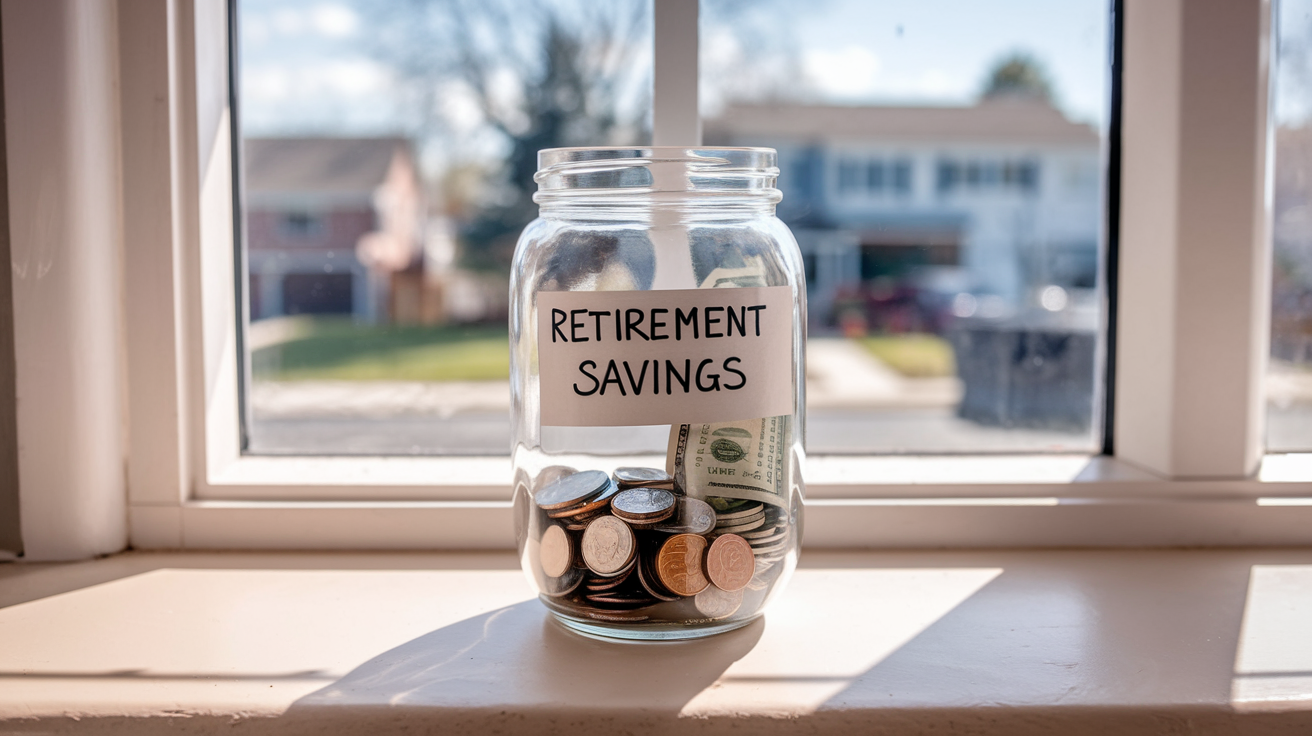
You worked hard for decades. You saved diligently. You did everything right. But now, a hidden inflation risk is quietly draining retirement savings for millions of American seniors — and many don’t even realize it’s happening.
While official inflation numbers may show modest increases, the reality for retirees tells a very different story. The everyday costs that matter most to seniors — healthcare, groceries, home maintenance, and insurance premiums — are rising far faster than the general Consumer Price Index suggests.
According to recent surveys, older adults across the country are depleting their retirement savings earlier than expected. If you’re living on a fixed income, understanding this hidden inflation risk could be the difference between financial stability and running out of money too soon.
Why Standard Inflation Numbers Don’t Tell the Whole Story
When you hear that inflation is hovering around 3%, that number represents an average across the entire economy. But retirees don’t spend money the same way a 35-year-old does. Seniors spend a disproportionate share of their income on healthcare, prescription medications, and housing — categories where prices are climbing much faster than the headline rate.
The Investopedia financial education platform has documented how “senior inflation” — the actual rate of price increases on goods and services older adults rely on — often outpaces general inflation by 1% to 2% annually. Over a 20-year retirement, that gap can erode tens of thousands of dollars in purchasing power.
This is the hidden inflation risk that financial advisors rarely talk about. Your Social Security cost-of-living adjustment (COLA) is calculated using a broad measure that doesn’t fully account for the unique spending patterns of retirees.
Healthcare Costs: The Biggest Culprit
Medicare premiums, supplemental insurance, prescription drug costs, and out-of-pocket medical expenses represent the single largest inflation threat to retirement savings. In 2026, higher Medicare costs are expected to take an even bigger bite out of seniors’ fixed incomes.
According to Medicare.gov, Part B premiums have increased significantly over the past decade, often outpacing the Social Security COLA meant to offset rising costs. This means that even when your monthly benefit check goes up, the net amount you actually receive may stay flat — or even shrink.
For seniors managing chronic conditions like diabetes, heart disease, or arthritis, the compounding effect of medical inflation can be devastating. Many retirees report spending 25% or more of their annual income on healthcare alone.
Grocery Bills and Everyday Expenses Are Adding Up
It’s not just healthcare. Walk into any grocery store and you’ll feel the pinch. Food prices have surged in recent years, and while some categories have stabilized, protein, dairy, and fresh produce remain significantly more expensive than they were just three years ago.
Home insurance premiums have also skyrocketed in many states, driven by climate-related disasters and rising repair costs. Property taxes continue their upward march. Utility bills keep climbing. Each of these increases chips away at a fixed retirement income.
As we reported recently, retirees fear tariff-driven inflation draining savings even further. Trade policies and global supply chain disruptions can push prices higher on everything from clothing to household goods — costs that directly impact seniors living on tight budgets.
The Compounding Problem: Why Time Works Against You
Here’s what makes the hidden inflation risk so dangerous: it compounds over time. A 4% real inflation rate for seniors may not sound alarming in a single year. But over 15 to 20 years of retirement, it can cut your purchasing power nearly in half.
Consider this scenario: if you retired with $500,000 in savings and withdraw $30,000 per year, standard financial models might suggest your money lasts well into your 80s. But factor in true senior inflation, and that timeline could shrink by five to seven years.
This is why 62% of retirees don’t know how long their money will last. The uncertainty isn’t just about market volatility — it’s about the slow, steady erosion of purchasing power that’s nearly invisible until it’s too late.
How the 2026 Social Security COLA Factors In
The Social Security Administration announced a 2.8% cost-of-living adjustment for 2026. While any increase is welcome, many financial experts argue it’s not enough to keep pace with the actual costs seniors face.
For context, the average monthly Social Security check provides roughly $1,900. A 2.8% increase adds about $53 per month. Meanwhile, Medicare Part B premium increases, rising Medigap costs, and grocery inflation can easily consume that entire adjustment — and then some.
To understand the full picture of what’s changing, read our detailed breakdown of the Social Security 2.8% increase for 2026 and what seniors must know.

7 Practical Steps to Protect Your Retirement Savings
The good news is that you’re not powerless against this hidden inflation risk. Here are concrete steps you can take right now to safeguard your financial future:
- Review your spending annually. Track where your money actually goes. Many seniors are surprised to discover how much healthcare and insurance costs have increased year over year.
- Consider Treasury Inflation-Protected Securities (TIPS). These government bonds adjust with inflation and can provide a hedge against rising prices in your portfolio.
- Delay Social Security if possible. Every year you delay claiming benefits past age 62 (up to age 70) increases your monthly check by approximately 8% — a powerful buffer against future inflation.
- Shop Medicare plans every year. During open enrollment, compare your current plan against alternatives. Switching plans can save hundreds or even thousands of dollars annually.
- Reduce fixed expenses. Downsizing your home, refinancing at a lower rate, or eliminating unnecessary subscriptions can free up cash to absorb rising costs elsewhere.
- Keep a portion of savings in growth investments. While safety is important, holding everything in cash or low-yield CDs guarantees you’ll lose purchasing power over time. A balanced approach with some equity exposure can help your savings keep pace with inflation.
- Take advantage of senior tax benefits. The IRS offers higher standard deductions for taxpayers 65 and older. Make sure you’re claiming every deduction and credit available to you.
For more strategies tailored specifically to retirees, explore our guide on 5 ways retirees can lower inflation risk on savings.
Don’t Wait Until It’s Too Late
The hidden inflation risk draining retirement savings isn’t a future problem — it’s happening right now, with every trip to the pharmacy, every insurance premium increase, and every grocery run that costs more than it did last month.
The seniors who fare best in retirement aren’t necessarily those who saved the most. They’re the ones who stayed informed, adjusted their strategies, and refused to ignore the warning signs.
You’ve earned your retirement. Now protect it. Start by reviewing your finances this week, talking to a trusted financial advisor, and making sure your savings plan accounts for the real inflation you’re experiencing — not just the number on the evening news.