

No Tax on Social Security: What the $63 Billion Relief Plan Means for You
For millions of American seniors, Social Security isn’t just a monthly check — it’s a lifeline. It covers groceries, medications, utilities, and the basic dignity of living independently after decades of hard work. So when Washington talks about eliminating taxes on Social Security benefits, retirees pay attention.
Now, that conversation has turned into real legislation. The proposed no tax on Social Security provision, included in the One Big Beautiful Bill Act (OBBBA), promises an estimated $63 billion in tax relief aimed squarely at America’s seniors. But what does it actually mean for your wallet? Let’s break it down clearly.
How Social Security Benefits Are Currently Taxed
Many retirees are surprised to learn that their Social Security benefits can be taxed at the federal level. Under current law, if your combined income exceeds certain thresholds, up to 50% or even 85% of your Social Security benefits become taxable.
Here’s how it currently works, according to the IRS:
- Single filers with combined income between $25,000 and $34,000 may pay tax on up to 50% of benefits. Above $34,000, up to 85% becomes taxable.
- Married couples filing jointly with combined income between $32,000 and $44,000 may owe tax on up to 50%. Above $44,000, up to 85% is taxable.
These thresholds haven’t been adjusted for inflation since 1993. That means more and more retirees are pulled into paying taxes on their benefits each year — even those living on modest fixed incomes. It’s a stealth tax increase that has quietly squeezed seniors for over three decades.
What the New Proposal Would Change
The OBBBA’s Social Security tax deduction would allow qualifying seniors to deduct their Social Security income from their taxable earnings. In practical terms, this means no tax on Social Security benefits for millions of retirees starting as early as the 2026 tax year.
The proposal works as a deduction rather than a full exemption, which is an important distinction. Rather than removing Social Security from the tax code entirely, it allows you to subtract those benefits from your adjusted gross income. The result is the same for most middle-income retirees: a significantly lower tax bill, or no federal tax owed on Social Security at all.
The Congressional Budget Office estimates this change would deliver approximately $63 billion in cumulative tax relief to seniors over the next decade. For individual retirees, savings could range from a few hundred to several thousand dollars annually, depending on income level.
If you’ve been following this year’s benefit changes, you may already know that the Social Security 2.8% increase for 2026 was announced earlier this year. Combining that cost-of-living adjustment with potential tax elimination could give retirees meaningful breathing room.

Who Benefits the Most?
Not every retiree currently pays taxes on their Social Security. About 40% of Social Security recipients owe federal taxes on their benefits, according to the Social Security Administration. These tend to be middle-income retirees — people with pensions, retirement account withdrawals, or part-time employment income in addition to Social Security.
The seniors who would see the biggest impact include:
- Retirees with combined income between $25,000 and $75,000 who currently pay taxes on a significant portion of their benefits.
- Married couples where both spouses receive Social Security and have modest retirement savings.
- Seniors who work part-time in retirement and have been pushed above the taxable thresholds.
For higher-income retirees, the deduction may be phased out or capped, though final details are still being negotiated in Congress. Those earning well into six figures from investments and pensions may see limited relief.
Why This Matters Now More Than Ever
The timing of this proposal isn’t coincidental. American seniors are facing a perfect storm of financial pressures. Inflation, while cooling, has already done lasting damage to retirement budgets. As recent surveys confirm, inflation is draining retirement savings faster than expected for many older adults.
Healthcare costs continue to climb. Housing expenses remain stubbornly high. And the purchasing power of a fixed Social Security check has been steadily eroding. A 2025 survey found that 62% of retirees don’t know how long their money will last — a startling statistic that underscores the anxiety so many seniors feel about their financial future.
Eliminating taxes on Social Security won’t solve every financial challenge retirees face. But for a household surviving on $2,500 a month in benefits, keeping an extra $1,500 to $3,000 per year could mean the difference between covering prescription costs and going without.
What Seniors Should Do Right Now
While the legislation hasn’t been signed into law yet, there are practical steps you can take today to prepare:
1. Review Your Current Tax Situation
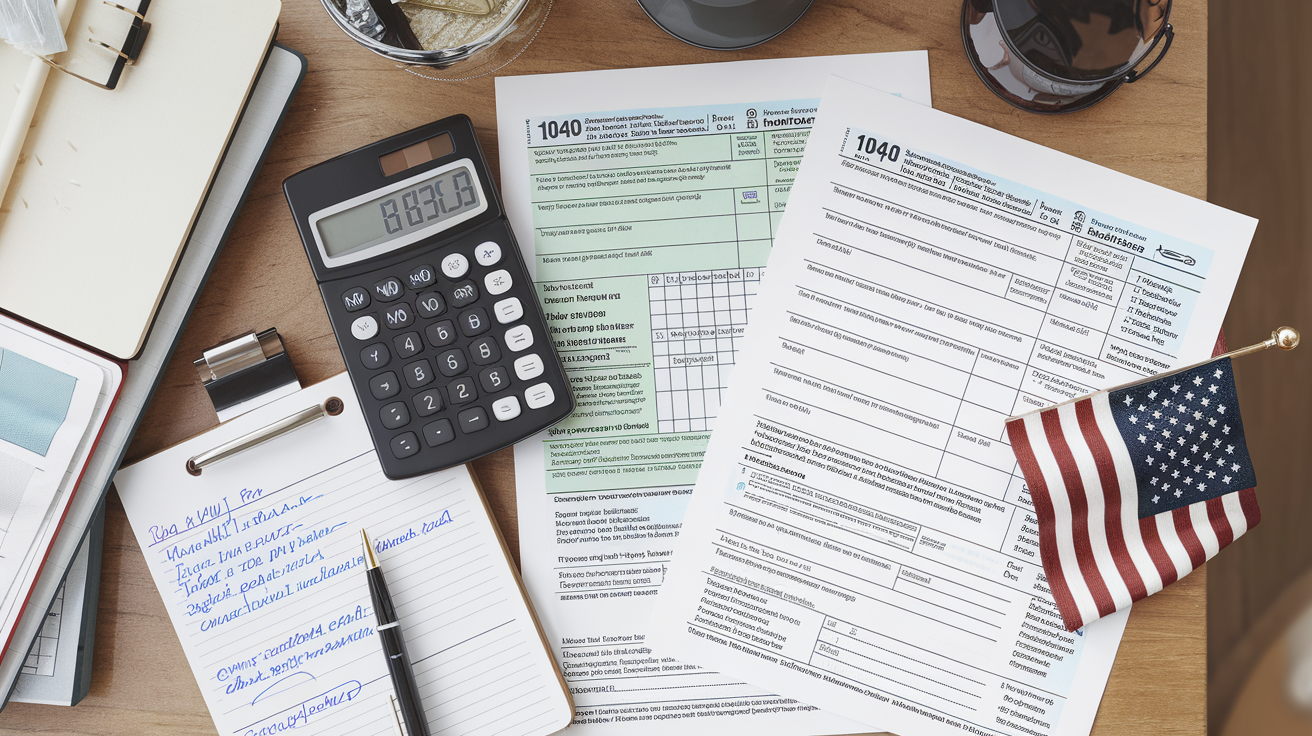
Pull out your most recent tax return and look at line 6b (taxable Social Security benefits). If you’re currently paying tax on your benefits, you stand to gain from this proposal. The Investopedia guide on Social Security taxation is an excellent resource for understanding your current liability.
2. Don’t Make Hasty Financial Decisions
Until the bill is officially signed, don’t restructure your retirement withdrawals or change your tax withholding based on assumptions. Legislation can change dramatically before final passage.
3. Talk to a Tax Professional
A qualified tax advisor or enrolled agent who specializes in retirement income can help you model different scenarios. If the no tax on Social Security provision passes, they can help you adjust your withholding and estimated payments promptly.
4. Stay Informed on Related Changes
This isn’t the only retirement-related change on the horizon for 2026. Medicare adjustments, new savings account rules, and inflation protection strategies are all evolving. Staying informed gives you the power to act quickly when the time is right.
The Bigger Picture: Is This Sustainable?
Critics of the proposal raise a fair question: if the government stops collecting $63 billion in revenue from Social Security taxation, how does that affect the Social Security trust fund itself? Currently, taxes on benefits flow directly back into the trust fund, helping to extend its solvency.
Supporters counter that the trust fund’s challenges are much larger than this single revenue stream and that the relief is both morally right and economically stimulating. Seniors who keep more of their benefits tend to spend that money locally — on healthcare, food, home maintenance, and services — which supports the broader economy.
The debate will continue, but the momentum behind no tax on Social Security appears stronger than it has been in years, with bipartisan support among lawmakers who represent aging constituencies.
What This Could Mean for Your Monthly Budget
Let’s put real numbers to this. If you receive the average Social Security benefit of approximately $1,976 per month and currently pay taxes on 85% of those benefits at a 12% federal tax rate, you’re losing roughly $2,415 per year to federal income taxes on Social Security alone.
Under the proposed deduction, that money stays in your pocket. Over a ten-year retirement, that’s more than $24,000 — enough to cover a year of supplemental health insurance, emergency home repairs, or simply greater peace of mind.
Final Thoughts: Hope With Healthy Caution
The no tax on Social Security proposal represents one of the most significant potential financial wins for American seniors in decades. It acknowledges a simple truth: people who spent a lifetime paying into the system shouldn’t be penalized for relying on it in retirement.
Stay engaged, stay informed, and be ready to act when the final details emerge. Your retirement income is worth protecting — and this could be the year Washington finally agrees.