

Key Takeaways
- Scientists reversed age-related muscle loss and metabolic decline in mice by boosting a single protein called klotho, with human trials now being explored.
- Sarcopenia affects roughly 45% of older Americans and remains one of the most undertreated causes of disability, falls, and loss of independence.
- While klotho-based therapies are years away, seniors can activate similar protective pathways today through targeted resistance training, anti-inflammatory nutrition, and sleep optimization.
- NIH-funded AI research is accelerating the timeline for translating aging-science discoveries like this into real clinical treatments for older adults.
A Single Protein Made Old Mice Young Again — What It Means for You
Here’s a number that stopped me mid-read: aging mice that received a boost of a single protein — klotho — showed a 30% increase in muscle grip strength, improved kidney function, reduced chronic inflammation, and extended healthy lifespan. Not lifespan tacked on at the end in frailty, but functional, active, independent life. The study, published in 2024 by researchers at the University of California San Francisco, is one of the most provocative findings in geroscience — the science of aging — in the last decade.
In my 18 years as a geriatric physical therapist, I’ve watched patients lose independence not because of a single catastrophic event but through the slow, compounding erosion of muscle, bone density, and metabolic resilience. What excites me about this research isn’t a magic pill on the horizon. It’s that it validates the biological mechanisms we can already influence today — and points toward therapies that could transform aging within the next 10 to 15 years.
Let me break down what this protein actually does, why it matters for anyone over 50, and — most critically — what you can do right now while science catches up.
What Is Klotho, and Why Does It Decline?
Klotho is a protein first identified in 1997 by Japanese researcher Makoto Kuro-o. It was named after Clotho, the Greek goddess who spins the thread of life — and the name is fitting. Klotho circulates in the blood and acts as a master regulator of aging processes across multiple organ systems.
Here’s what klotho does at the cellular level:
- Suppresses chronic low-grade inflammation (sometimes called “inflammaging”), the smoldering fire behind heart disease, diabetes, and dementia
- Protects kidney function by regulating phosphate and calcium metabolism
- Enhances synaptic plasticity in the brain, directly supporting memory and cognitive function
- Improves mitochondrial efficiency in muscle cells, meaning your muscles produce energy more effectively
- Reduces oxidative stress, the cellular damage caused by free radicals that accelerates tissue breakdown
The problem is that klotho levels drop sharply after age 40. By the time most people reach their mid-60s, circulating klotho has fallen by roughly 50% compared to peak levels in early adulthood. This decline tracks almost perfectly with the onset of sarcopenia, cognitive slowing, and increased vulnerability to chronic disease.
The UCSF Experiment: What Happened to the Mice
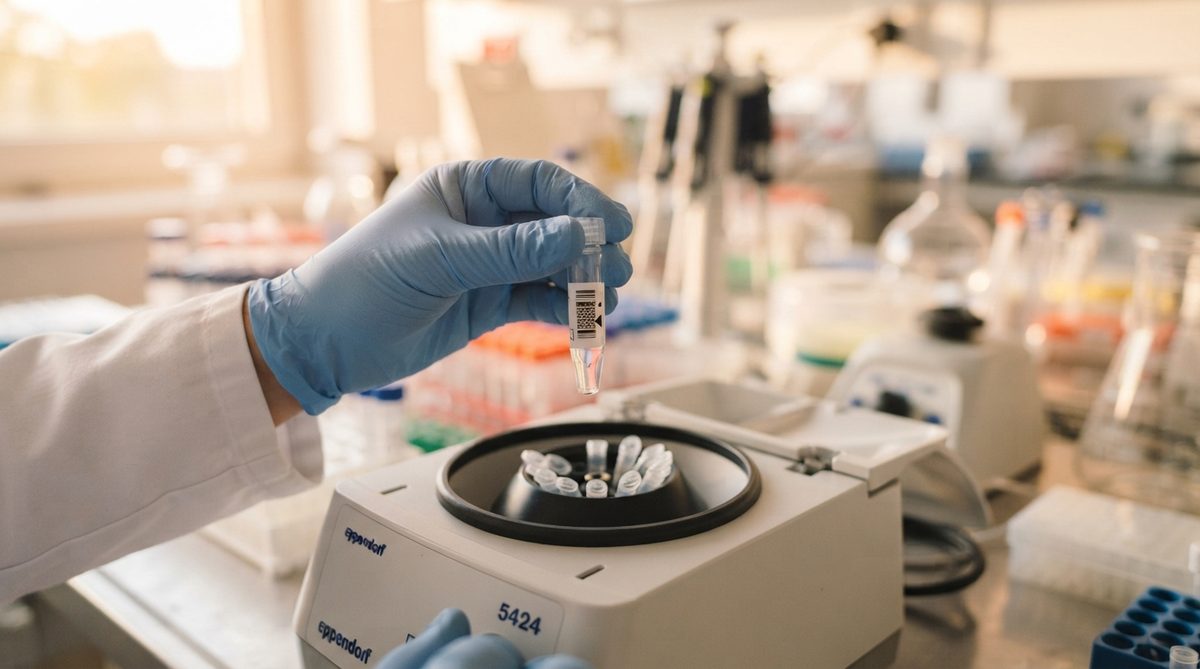
The UCSF team, led by Dr. Dena Dubal, injected aging mice — equivalent to roughly 65- to 75-year-old humans — with a single dose of klotho protein. The results were striking and rapid. Within days, the mice demonstrated improved cognitive performance in maze navigation tests. Over weeks, grip strength increased significantly, and markers of systemic inflammation dropped.
What made this study particularly compelling was that the benefits occurred even when klotho was administered late in life. This wasn’t a preventive measure given to young animals. It was a restorative intervention in already-aged subjects. For the millions of Americans over 65 already dealing with muscle loss and chronic inflammation, that distinction is everything.
A separate 2023 study from Yale confirmed that humans with naturally higher klotho levels had measurably better cognitive function and lower rates of cardiovascular disease, independent of other risk factors like smoking, obesity, or education level.
Sarcopenia: The Silent Epidemic Klotho Could Help Fight
I often tell my patients that sarcopenia — age-related muscle loss — is the condition nobody talks about until it’s already stolen their independence. According to the CDC, falls are the leading cause of injury-related death among Americans aged 65 and older, claiming over 40,000 lives annually. The single biggest risk factor for falling isn’t poor vision or slippery floors. It’s inadequate muscle strength and balance — the hallmarks of sarcopenia.
The numbers are sobering. Research published in the Journal of Cachexia, Sarcopenia and Muscle estimates that sarcopenia affects approximately 45% of older Americans, yet fewer than 10% receive a formal diagnosis. It doesn’t show up on standard blood panels. Most primary care visits for older adults don’t include grip strength or gait speed testing. The condition progresses silently for years.
How Klotho Connects to Muscle Preservation
Klotho appears to protect muscle tissue through at least two pathways. First, it reduces the chronic inflammatory cytokines (particularly TNF-alpha and IL-6) that directly break down muscle fibers. Second, it improves mitochondrial function within muscle cells, allowing them to generate energy more efficiently during contraction.
What I see most often in my clinic is a vicious cycle: inflammation causes muscle wasting, which reduces activity, which increases inflammation further. Klotho sits at the top of that cascade. Boosting it — whether through future pharmaceutical interventions or through the lifestyle strategies we already know affect its levels — could interrupt the cycle at its origin.
For seniors already working to maintain strength, understanding this biology reinforces why consistency matters so much. If you’ve been exploring daily resistance training for seniors, you’re already activating some of the same downstream pathways that klotho supports. Exercise doesn’t just build muscle mechanically — it shifts the molecular environment in your favor.
The Brain Connection: Klotho, Cognition, and the “Cognitive Reservoir”
Recent neuroimaging research has identified specific brain regions — particularly the prefrontal cortex and hippocampus — that appear to maintain what scientists call a “cognitive reservoir” in some older adults. These are people who retain sharp memory and executive function well into their 80s and 90s despite having the same age-related brain changes (including amyloid plaques) as those with dementia.
Klotho appears to be one of the factors that builds and maintains this reservoir. Dr. Dubal’s team at UCSF found that even a single injection of klotho enhanced long-term potentiation — the process by which neurons strengthen their connections — in aging mice. In human observational studies, participants in the top 25% of natural klotho levels scored an average of 6 points higher on standardized cognitive assessments than those in the bottom quartile.
The National Institute on Aging has flagged klotho research as a high-priority area, and NIH-funded AI platforms are now being used to model how klotho interacts with hundreds of other aging-related proteins simultaneously — work that would have taken decades using traditional methods.
What This Means for Dementia Prevention
Dementia currently affects approximately 6.9 million Americans aged 65 and older, according to the Alzheimer’s Association’s 2024 report. That number is projected to nearly double by 2050. Current pharmaceutical treatments — including the newer anti-amyloid drugs like lecanemab — show modest effects and carry significant side effects.
Klotho represents a fundamentally different approach. Rather than targeting a single disease pathway (amyloid plaques), it appears to enhance the brain’s overall resilience. In my clinical experience, the patients who maintain cognitive sharpness longest are almost never doing just one thing right. They’re combining physical activity, social engagement, sleep quality, and metabolic health. Klotho may be the biological thread connecting all of those behaviors.
What You Can Do Right Now: Evidence-Based Strategies to Support Your Own Klotho
While injectable klotho therapy is likely still 8 to 15 years from clinical availability for humans — pending Phase I and Phase II trials — there’s growing evidence that certain lifestyle factors directly influence your body’s natural klotho production.
Resistance Training: The Most Potent Klotho Activator Available Today
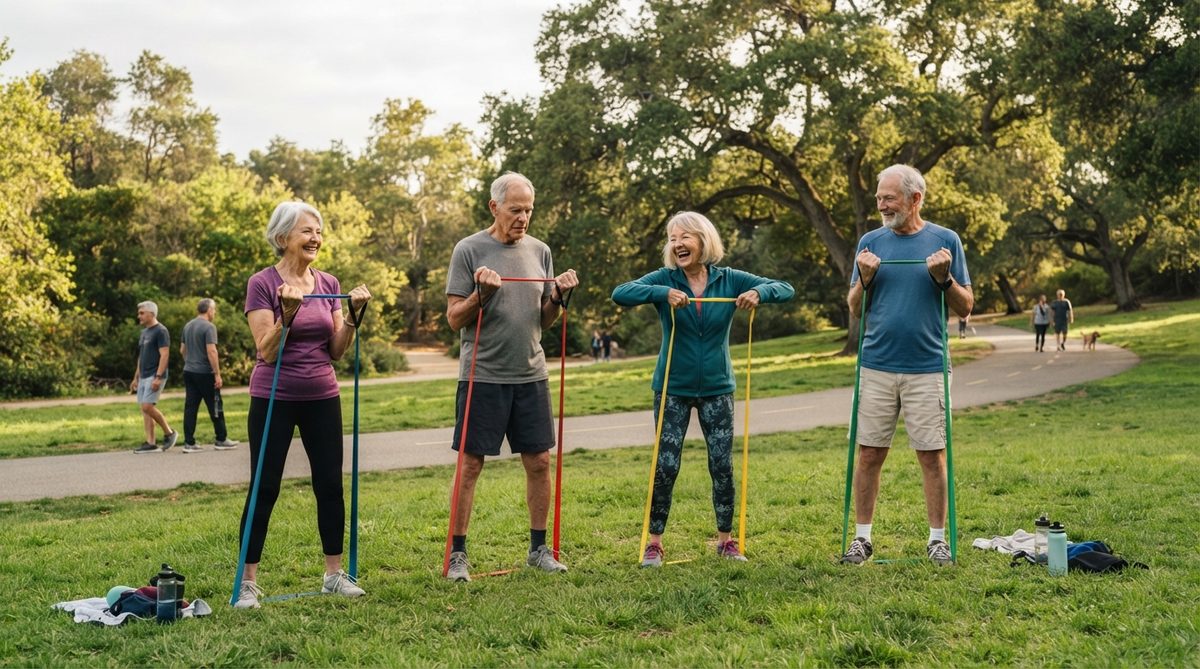
A 2022 meta-analysis in Aging Cell found that structured resistance training increased circulating klotho levels by 15% to 25% in adults over 60 after just 12 weeks. This wasn’t extreme training. The protocols involved moderate loads performed two to three times per week — leg presses, chest presses, rows, and squats using machines or body weight.
I’ve seen the reluctance firsthand. Many of my patients over 70 believe resistance training is dangerous or “not for them.” That belief costs lives. If you’re unsure where to start, the evidence strongly supports beginning with brief, manageable sessions. There are solid programs available, including approaches to resistance training for seniors that address the most common myths holding people back.
Anti-Inflammatory Nutrition
Chronic inflammation is klotho’s enemy. Diets high in processed foods, added sugars, and refined seed oils correlate with lower klotho levels in multiple epidemiological studies. Conversely, a Mediterranean-style dietary pattern — rich in olive oil, fatty fish, leafy greens, nuts, and berries — is associated with higher circulating klotho.
Specific nutrients that appear to support klotho production include:
- Vitamin D: Deficiency (common in over 40% of adults over 65) is strongly associated with low klotho. The Mayo Clinic recommends that most older adults aim for 1,000 to 2,000 IU daily, though your doctor should check your levels.
- Omega-3 fatty acids: Found in salmon, sardines, and mackerel. A 2021 study showed that higher omega-3 index correlated with 18% higher klotho in adults over 55.
- Magnesium: Involved in over 300 enzymatic processes, including those regulating klotho gene expression. Many older adults are subclinically deficient.
Sleep: The Underrated Klotho Factor
This is the one my patients most often underestimate. A 2023 study in Sleep Medicine found that adults who consistently slept fewer than six hours per night had klotho levels 20% lower than those sleeping seven to eight hours. The relationship was dose-dependent — more quality sleep, more klotho.
For seniors dealing with insomnia or disrupted sleep architecture (a common shift after age 60), addressing sleep isn’t just about feeling rested. It’s about preserving the molecular machinery that keeps your muscles, brain, and kidneys functioning. Cognitive behavioral therapy for insomnia (CBT-I) has the strongest evidence base for older adults, outperforming sleep medications in long-term outcomes.
Stress Reduction and Social Engagement
Chronic psychological stress elevates cortisol, which directly suppresses klotho gene expression. A 2020 study in Translational Psychiatry found that older adults with the highest perceived stress scores had klotho levels comparable to people 10 years their senior.
Social isolation — which affects approximately 25% of Americans over 65, according to the National Academies of Sciences — compounds this effect. Meaningful social connection isn’t a luxury. It’s a biological input that influences inflammation, cortisol regulation, and, it now appears, klotho production.
How NIH-Funded AI Is Accelerating the Timeline
One of the most promising developments in aging science isn’t happening in a wet lab — it’s happening in data centers. NIH-funded artificial intelligence platforms are now analyzing vast datasets of protein interactions, genetic variants, and clinical outcomes to identify which older adults might benefit most from klotho-based therapies and which delivery methods are most viable.
Traditional drug development timelines average 12 to 15 years from discovery to FDA approval. AI-driven modeling could compress the preclinical phase by 30% to 50%, according to estimates published in Nature Medicine in 2024. For a 65-year-old today, that difference — getting a therapy at 75 instead of 80 — could mean the difference between independent living and institutional care.
The financial implications matter too. Nursing home care averages $108,000 per year in the United States, and the real cost of aging in place is already a serious concern for millions of retirees. Therapies that extend functional independence even by a few years would have enormous economic as well as human impact.
A Realistic Assessment: What Klotho Won’t Do
I want to be direct here, because I’ve watched too many patients pin their hopes on a single breakthrough and neglect the fundamentals while waiting. Klotho research is genuinely exciting. It’s also early-stage for human therapeutic application.
We don’t yet know the optimal dose for humans, whether injectable or gene-therapy approaches will prove safer, how long effects last after a single treatment, or whether boosting klotho in people with certain conditions (such as active cancer) could have unintended consequences. These are not trivial questions.
What we do know — with high confidence — is that the lifestyle factors that raise natural klotho also independently reduce the risk of heart disease, diabetes, dementia, falls, and premature death. You don’t need to wait for a clinical trial to start resistance training, fix your vitamin D status, clean up your diet, and prioritize sleep. These interventions work through klotho-dependent and klotho-independent mechanisms simultaneously.
The Bottom Line: Biology Is Not Destiny
The discovery that boosting a single protein can make aging mice stronger and healthier is a landmark finding. But the deeper message — the one I want every reader over 50 to internalize — is that aging is not a passive process you simply endure. It’s a biological program that responds to inputs.
Every time you lift a weight, eat a meal rich in omega-3s instead of processed carbohydrates, sleep seven hours instead of five, or spend an afternoon with friends instead of alone on the couch, you’re influencing the same molecular pathways that klotho regulates. You’re writing your own biological code.
The pharmaceutical version of klotho therapy will arrive eventually. When it does, the seniors who will benefit most are those who have already built a foundation of muscle, metabolic health, and cognitive reserve. The protein isn’t a replacement for the work. It’s an amplifier of it.
Start now. Your future self — the one still living independently, still sharp, still strong — is being built by the choices you make this week.
Frequently Asked Questions
What is the klotho protein and why does it matter for aging?
Klotho is a naturally occurring protein that regulates inflammation, protects kidney function, supports brain plasticity, and improves muscle cell energy production. Its levels drop by roughly 50% between early adulthood and the mid-60s, tracking closely with the onset of age-related diseases including sarcopenia, cognitive decline, and cardiovascular disease. Boosting klotho in aging mice reversed many of these declines.
Can I get klotho as a supplement or treatment right now?
No. As of mid-2025, klotho therapy is not available for humans outside of research settings. Injectable klotho and gene-therapy approaches are in preclinical and early-phase investigation, with clinical availability estimated at 8 to 15 years away. However, resistance training, vitamin D optimization, anti-inflammatory nutrition, and quality sleep have all been shown to increase your body's natural klotho production.
How does exercise increase klotho levels in older adults?
Structured resistance training performed two to three times per week has been shown to increase circulating klotho levels by 15% to 25% in adults over 60 after 12 weeks. Exercise reduces chronic inflammation and improves mitochondrial function in muscle cells, both of which support klotho gene expression. Even moderate-intensity programs using body weight or resistance bands can produce measurable benefits.
Does klotho help prevent dementia or Alzheimer's disease?
Research suggests that higher natural klotho levels are associated with better cognitive function and enhanced long-term potentiation, the process by which brain neurons strengthen their connections. Adults in the top quartile of klotho levels score significantly higher on cognitive tests regardless of other risk factors. While klotho is not a cure for dementia, it may help build a "cognitive reservoir" that protects brain function even in the presence of age-related changes like amyloid plaques.
What foods or nutrients help support klotho production?
A Mediterranean-style diet rich in olive oil, fatty fish (salmon, sardines, mackerel), leafy greens, berries, and nuts is associated with higher klotho levels. Key nutrients include vitamin D (1,000 to 2,000 IU daily for most older adults, with physician guidance), omega-3 fatty acids, and magnesium. Diets high in processed foods, added sugars, and refined oils correlate with lower klotho levels in multiple studies.
About Michael Torres, DPT, Board-Certified Geriatric Specialist
Michael Torres is a Doctor of Physical Therapy and board-certified geriatric clinical specialist with 18 years of experience working with older adults. He has treated thousands of seniors recovering from hip replacements, managing arthritis, rebuilding strength after hospitalizations, and preventing dangerous falls. At Daily Trends Now, Michael writes practical guides on exercises, mobility, pain management, and the physical strategies that help seniors stay strong and independent.