

A Single Protein Made Aging Mice Stronger — Here’s Why Seniors Should Pay Attention
Here’s a statistic that should stop you mid-scroll: by 2030, every single Baby Boomer in the United States will be over age 65, placing roughly 73 million Americans squarely in the demographic most affected by age-related muscle loss, cognitive decline, and chronic disease. Against that backdrop, a May 2025 study published in the journal Nature Aging delivered a finding that sent shockwaves through the longevity research community — scientists boosted a single protein called klotho in aging mice and watched them become measurably stronger, more resilient, and biologically younger.
In my 18 years of practice as a board-certified geriatric physical therapist, I’ve watched promising lab discoveries come and go. But the klotho research is different. It intersects directly with the muscle wasting, inflammation, and cognitive erosion I treat in my patients every day. Let me walk you through what the science actually says, what it doesn’t, and — most importantly — what you can do right now while we wait for human trials to catch up.
What Exactly Is Klotho, and Why Does It Matter?
Klotho is an anti-aging protein first identified in 1997 by Dr. Makoto Kuro-o at the University of Texas Southwestern Medical Center. Named after the Greek goddess who spins the thread of life, klotho circulates in the blood and is produced primarily in the kidneys and brain. Its levels peak in early adulthood and decline steadily after age 40 — precisely when most of my patients start noticing they can’t recover as quickly from a fall, a surgery, or even a bad night of sleep.
What makes klotho remarkable is the breadth of its influence. According to the National Institute on Aging, klotho modulates oxidative stress, calcium-phosphate metabolism, insulin signaling, and Wnt pathways involved in tissue repair. In plain language, it’s like a master dimmer switch that controls how quickly — or slowly — your body deteriorates.
The 2025 Study: Key Findings
Researchers at the University of California, San Francisco, administered klotho protein injections to mice equivalent in human years to roughly 65–75 years old. Within two weeks, the treated mice demonstrated:
- A 20–25% increase in grip strength compared to untreated controls
- Improved synaptic plasticity in the hippocampus — the brain’s memory center
- Reduced systemic inflammation markers, including IL-6 and TNF-alpha
- Enhanced mitochondrial function in skeletal muscle tissue
The untreated control mice continued to decline at the expected rate. The treated mice didn’t just stop declining — they reversed course. That distinction matters enormously. We’re not talking about slowing aging. We’re talking about reclaiming lost ground.
From “Lifespan” to “Healthspan”: Why the Shift Changes Everything
The conversation in geriatric medicine has been pivoting for years, and this klotho research crystallizes the shift. Adding years to life isn’t the goal anymore. Adding life to years is. The concept of “healthspan” — the number of years lived in good health, free from disabling chronic conditions — is now the North Star for researchers and clinicians alike.
Consider this: the average 65-year-old American today can expect to live to approximately 84, according to CDC life-table data. But the average healthspan for that same person ends around age 73. That’s an 11-year gap filled with potential disability, pain, and dependence. If klotho-based therapies can compress that gap even partially, the implications for quality of life — and healthcare costs — are staggering.
I often tell my patients that the best predictor of independence at 85 isn’t your cholesterol number or your blood pressure. It’s whether you can get up from a chair without using your hands, walk at a brisk pace, and catch yourself if you stumble. These are functional markers, and they’re precisely what the klotho-boosted mice improved upon. If you’re interested in understanding more about functional assessments, simple tools that predict older adults’ health outcomes can give you a clearer picture of where you stand.
What This Means for Chronic Conditions Seniors Already Manage
Let me connect the dots between a protein in a mouse study and the conditions filling my treatment schedule every week.
Sarcopenia: The Silent Thief of Independence
Sarcopenia — age-related muscle loss — affects an estimated 10–16% of adults over 60 worldwide, with rates climbing past 50% in those over 80. The Mayo Clinic identifies it as a major contributor to falls, fractures, and loss of independence. Klotho’s demonstrated ability to restore mitochondrial function in skeletal muscle directly targets the cellular machinery that breaks down in sarcopenia.
What I see most often in my clinic is a patient who doesn’t realize how much strength they’ve lost until they can’t carry groceries from the car or step over a bathtub ledge. By the time sarcopenia becomes obvious, you’ve already lost 30–40% of your peak muscle mass. The klotho findings suggest there may eventually be pharmacological ways to rebuild that lost tissue, not just slow its departure.
Cognitive Decline and Dementia
The hippocampal improvements in the klotho study are particularly significant. Alzheimer’s disease currently affects 6.9 million Americans aged 65 and older, a number the Alzheimer’s Association projects will reach 13.8 million by 2060. Previous human observational studies have already shown that people with naturally higher klotho levels perform better on cognitive tests and have larger brain volumes, independent of age, education, or APOE-ε4 status (the primary genetic risk factor for Alzheimer’s).
Researchers at UCSF, led by Dr. Dena Dubal, have described klotho as potentially providing a “cognitive reservoir” — a buffer that protects the brain even when pathology like amyloid plaques is present. This isn’t speculative; it’s grounded in published data from the JAMA Neurology cohort studies of 2023 and 2024.
Chronic Inflammation: The Common Denominator
Virtually every chronic condition I treat — osteoarthritis, type 2 diabetes, cardiovascular disease, chronic kidney disease — has chronic low-grade inflammation at its root. The scientific community calls this “inflammaging.” The fact that klotho supplementation reduced IL-6 and TNF-alpha in the mouse models is significant because these are the exact inflammatory cytokines elevated in nearly every age-related disease.
Reducing systemic inflammation doesn’t just address one condition. It addresses the biological terrain that allows multiple conditions to flourish simultaneously. That’s what makes klotho research fundamentally different from developing another drug for another single disease.
The Honest Reality Check: How Far Are We From Human Treatments?
I’d be doing you a disservice if I didn’t temper the excitement with clinical honesty. Here’s where things stand as of mid-2025:
- No klotho-based drug is currently in human clinical trials for aging. The UCSF team has indicated they aim to begin Phase I safety trials by late 2026 or early 2027, but regulatory timelines are notoriously unpredictable.
- Mouse-to-human translation is historically difficult. Roughly 90% of drugs that work in rodent models fail in human trials, often due to dosing complexities, unexpected side effects, or insufficient efficacy at safe doses.
- Delivery method is unresolved. The mouse studies used direct injections. A practical human therapy might require subcutaneous injections, IV infusions, or gene-therapy approaches — each with different risk profiles.
- Cost and access remain unknown. If a klotho therapy does reach market, pricing could initially place it out of reach for many seniors. Financial pressures are already a reality for older Americans — as outlined in this analysis of how inflation is draining retirement savings in 2026.
The bottom line: klotho is one of the most promising anti-aging targets discovered in a generation, but it is not a supplement you can buy today, despite what some online retailers may claim. Any product marketed as “klotho” on the consumer market is unregulated and unproven.
What You Can Do Right Now to Protect Your Own “Klotho System”
While we wait for the science to mature, here’s what the existing evidence — and my clinical experience — tells us about naturally supporting klotho levels and the biological systems it protects.
Exercise: The Closest Thing to a Klotho Pill
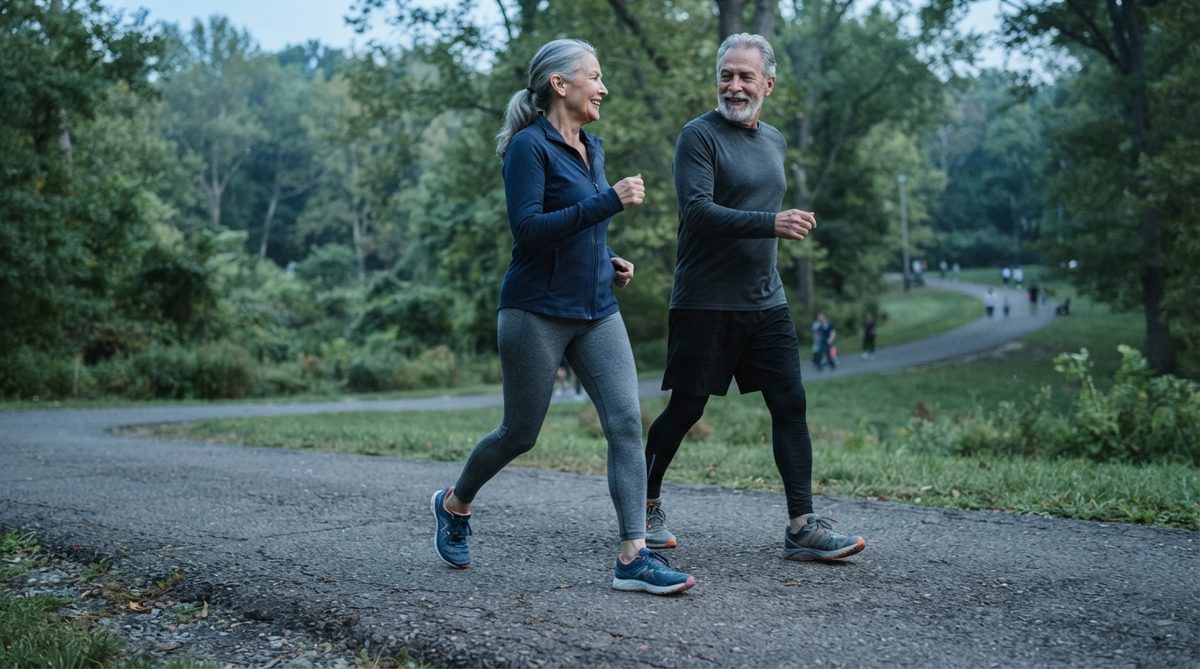
A 2022 meta-analysis in Aging Cell found that regular aerobic exercise increases circulating klotho levels by an average of 15–20% in adults over 60. Resistance training independently improves mitochondrial function in skeletal muscle — the same outcome the klotho injections produced in mice. The combination of both is what I prescribe to every patient I see.
The minimum effective dose, based on current guidelines from the American College of Sports Medicine: 150 minutes per week of moderate aerobic activity plus two sessions of resistance training targeting all major muscle groups. If you’re looking for seasonal ways to get started, these spring health tips for seniors offer practical ideas.
Reduce Chronic Inflammation Through Diet
Mediterranean-style dietary patterns have been associated with higher klotho levels in observational studies. The key components:
- Fatty fish (salmon, sardines, mackerel) at least twice per week for omega-3 fatty acids
- Abundant leafy greens and cruciferous vegetables for sulforaphane and polyphenols
- Extra-virgin olive oil as a primary fat source
- Minimized intake of ultra-processed foods, which drive IL-6 and TNF-alpha elevation
Prioritize Sleep Quality
Klotho is produced in the kidneys and brain, both of which undergo critical repair during deep sleep. Adults over 50 who consistently get fewer than six hours of sleep show accelerated klotho decline and higher inflammatory markers. I encourage my patients to treat sleep as a non-negotiable medical intervention — not a luxury.
Manage Chronic Kidney Disease Aggressively
Because the kidneys are a primary klotho production site, any decline in kidney function directly reduces klotho output. The CDC estimates that 38 million American adults have chronic kidney disease, and most don’t know it. If you’re over 50, request a simple estimated GFR (glomerular filtration rate) test at your next physical. Early detection preserves both kidney function and your body’s ability to produce its own anti-aging protein.
The Bigger Picture: A New Era for Aging Research
The klotho breakthrough doesn’t exist in isolation. It arrives alongside NIH-funded artificial intelligence research mapping the biology of aging at unprecedented speed, alongside emerging work on senolytics (drugs that clear damaged “zombie” cells), and alongside growing evidence that psychedelics like psilocybin may promote neuroplasticity in aging brains. What’s different about this moment in 2025 is convergence — multiple lines of inquiry pointing toward the same conclusion: biological aging is modifiable.
For seniors managing chronic conditions today, that convergence offers real hope — not the empty hype of anti-aging supplements with no evidence, but rigorous science advancing through peer review toward clinical application. The question has shifted from “Can we slow aging?” to “How soon can we get these therapies to patients safely?”
In my practice, I’ve seen 78-year-olds outperform 60-year-olds on functional tests. I’ve seen patients recover from hip replacements in half the expected time because they had a foundation of strength, low inflammation, and healthy sleep habits. The klotho research validates what I’ve observed clinically: your biological age is not your chronological age, and you have more control over the gap between them than most people realize.
The mice got an injection. You have something better available right now — the accumulated evidence of decades of geriatric research, a body that still responds to training, and a window of time to act before the next generation of therapies arrives. Use it.
Frequently Asked Questions
Can I buy klotho supplements online?
No legitimate, FDA-approved klotho supplement exists as of mid-2025. Products marketed as "klotho" online are unregulated and have no clinical evidence supporting their claims. Consult your physician before taking any supplement claiming anti-aging properties.
How does exercise increase klotho levels naturally?
Regular aerobic exercise and resistance training stimulate klotho production in the kidneys and improve the cellular pathways klotho supports, including mitochondrial function and reduced inflammation. Studies show a 15–20% increase in circulating klotho with consistent moderate exercise in adults over 60.
When will klotho-based therapies be available for humans?
Researchers at UCSF aim to begin Phase I human safety trials by late 2026 or early 2027. Even in an optimistic scenario, a commercially available therapy is likely at least 7–10 years away, pending successful trials and FDA approval.
Does klotho help prevent Alzheimer's disease?
Observational studies show that people with naturally higher klotho levels have better cognitive performance and larger brain volumes, even when Alzheimer's-related pathology is present. However, klotho has not yet been proven to prevent or treat Alzheimer's in human clinical trials.
What lifestyle factors lower klotho levels?
Chronic sleep deprivation, sedentary behavior, chronic kidney disease, smoking, and diets high in ultra-processed foods are all associated with reduced klotho levels. Managing these risk factors may help preserve your body's natural klotho production as you age.
About Michael Torres, DPT, Board-Certified Geriatric Specialist
Michael Torres is a Doctor of Physical Therapy and board-certified geriatric clinical specialist with 18 years of experience working with older adults. He has treated thousands of seniors recovering from hip replacements, managing arthritis, rebuilding strength after hospitalizations, and preventing dangerous falls. At Daily Trends Now, Michael writes practical guides on exercises, mobility, pain management, and the physical strategies that help seniors stay strong and independent.