

Medicare Costs Are Rising in 2026 — And Your Social Security Raise May Not Keep Up
If you’re one of the 67 million Americans who rely on Medicare, 2026 is shaping up to be a year that demands your attention. While the Social Security Administration recently announced a 2.8 percent cost-of-living adjustment (COLA) for 2026, rising Medicare premiums and deductibles threaten to absorb much of that increase before it ever reaches your wallet.
Understanding how higher Medicare costs in 2026 will affect your monthly budget isn’t just smart planning — it’s essential for protecting your financial security in retirement. Let’s break down what’s changing, what it means for you, and what steps you can take right now.
What’s Driving Higher Medicare Costs in 2026?
Every year, the Centers for Medicare & Medicaid Services adjusts premiums, deductibles, and copays to reflect rising healthcare spending. For 2026, several factors are pushing costs higher than many retirees expected.
First, healthcare inflation continues to outpace general inflation. Prescription drug prices, hospital costs, and physician fees have all climbed steadily. Second, the Medicare program is absorbing costs related to expensive new treatments, including breakthrough Alzheimer’s drugs and advanced cancer therapies. While these innovations are welcome, someone has to pay for them — and that someone is often the Medicare beneficiary.
Third, Medicare Part B premiums are projected to rise significantly. According to Medicare.gov, the standard Part B premium has been climbing year over year, and early estimates suggest 2026 could see one of the larger increases in recent memory. Since Part B premiums are typically deducted directly from your Social Security check, many seniors will see a smaller net deposit each month.
The Social Security COLA vs. Medicare Premium Squeeze
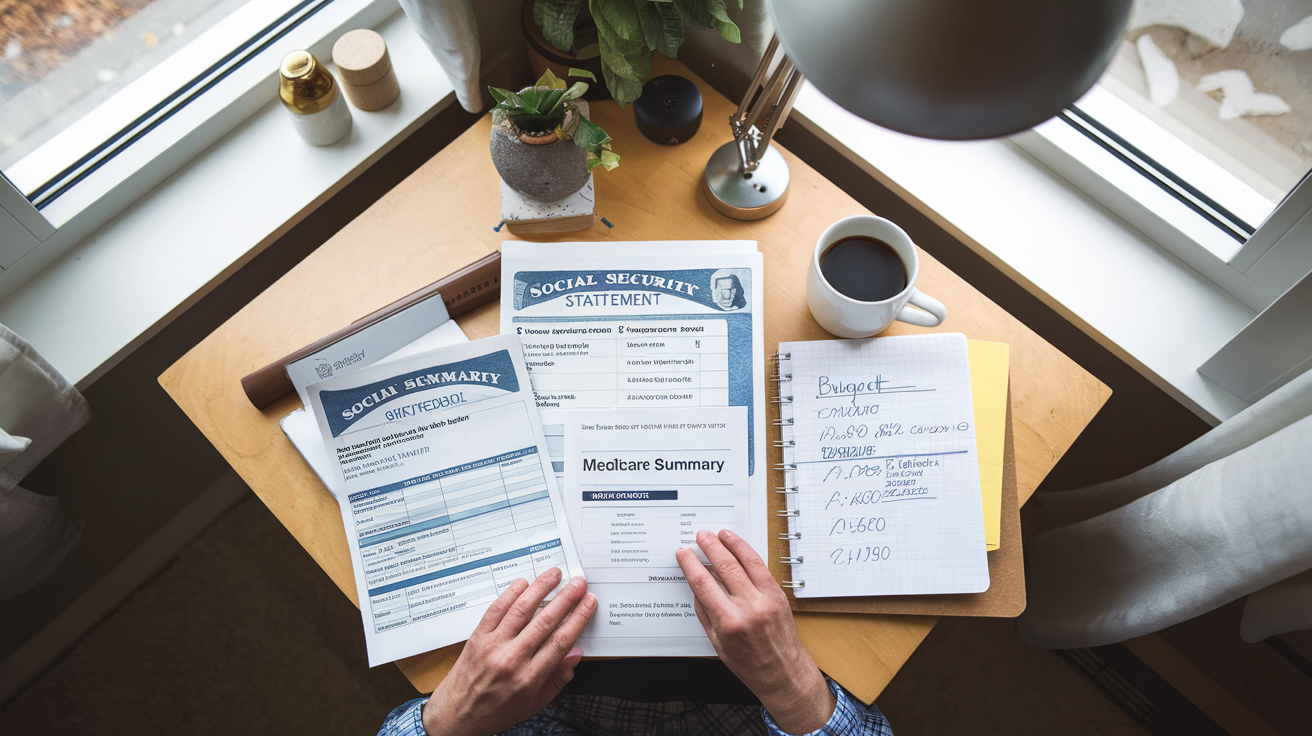
Here’s where the math gets painful. The 2.8 percent COLA for 2026 translates to roughly $50 more per month for the average retiree receiving about $1,900 in benefits. That sounds helpful — until you factor in higher Medicare costs.
If Part B premiums increase by $10 to $15 per month (a conservative estimate based on recent trends), that’s already eating up 20 to 30 percent of your raise. Add in higher Part D prescription drug premiums, increased deductibles, and rising Medigap or Medicare Advantage plan costs, and some retirees could find themselves with less purchasing power than they had in 2025.
This squeeze is nothing new, but it’s getting tighter. For a deeper look at how the 2026 COLA and benefit changes will affect you, read our detailed breakdown: Social Security Changes in 2026: What Seniors Must Know Now.

How Higher Medicare Costs Affect Different Groups of Seniors
Retirees on Fixed Incomes
If Social Security is your primary income source, you’re the most vulnerable to this premium squeeze. Every dollar absorbed by Medicare premiums is a dollar you can’t spend on groceries, utilities, or other essentials. With inflation still elevated across many categories, the pressure on fixed-income seniors is real and growing.
Higher-Income Retirees
Seniors with modified adjusted gross incomes above $103,000 (individual) or $206,000 (married filing jointly) pay Income-Related Monthly Adjustment Amounts, known as IRMAA surcharges. These surcharges add hundreds of dollars per month to both Part B and Part D premiums. If your income bumped up due to a Roth conversion, pension payout, or investment gains, you could face significantly higher Medicare costs in 2026 without even realizing it until the bill arrives.
Seniors Still Working
A surprising number of retirees are returning to the workforce just to cover rising costs. As we reported, Inflation Forces 63% of Seniors Back to Work in 2025 — and higher Medicare costs only add to the financial pressure pushing older Americans back into jobs they thought they’d left behind.
Medicare Part D: A Bright Spot with a Caveat
There is some good news on the prescription drug front. Thanks to provisions in the Inflation Reduction Act, Medicare Part D now includes a $2,000 annual out-of-pocket cap on prescription drug costs. For seniors who take expensive medications, this cap could save thousands of dollars per year.
However, the caveat is that Part D plan premiums themselves may rise as insurers adjust to absorbing more of the cost. According to Investopedia, some Part D plans are restructuring their formularies and premium structures, which means the drugs you take may not be covered the same way in 2026. Reviewing your plan during open enrollment is critical.
5 Steps Seniors Can Take to Protect Their Budget
You don’t have to sit back and accept higher costs without a fight. Here are practical steps you can take right now:
- Review your Medicare plan during open enrollment. Compare Medicare Advantage, Medigap, and Part D plans carefully. Even small premium differences add up over 12 months.
- Check your eligibility for Extra Help. Medicare’s Extra Help program can significantly reduce Part D costs for low-income seniors. Many who qualify don’t even know the program exists.
- Appeal IRMAA surcharges if your income has dropped. If you’ve experienced a life-changing event like retirement, divorce, or the death of a spouse, you can request a reduction in your IRMAA surcharge through Social Security.
- Budget for healthcare separately. Create a dedicated healthcare budget line that accounts for premiums, copays, deductibles, and out-of-pocket maximums. This prevents medical costs from silently draining your other spending categories.
- Talk to a SHIP counselor. Every state has a free State Health Insurance Assistance Program (SHIP) that provides unbiased Medicare counseling. These counselors can help you find the most cost-effective plan for your specific medications and healthcare needs.
The Bigger Picture: Inflation, Healthcare, and Retirement Security
Higher Medicare costs in 2026 don’t exist in a vacuum. They’re part of a broader trend of rising expenses that are reshaping what retirement looks like in America. From grocery bills to property taxes to insurance premiums, seniors are being squeezed from every direction.
The hidden danger is that many retirees are quietly depleting their savings faster than planned. If you’re concerned about whether your nest egg will last, you’re not alone — The Hidden Inflation Risk Draining Your Retirement Savings explores this growing concern in detail.
Don’t Let Rising Medicare Costs Catch You Off Guard
The bottom line is this: a 2.8 percent Social Security raise sounds positive on paper, but higher Medicare costs in 2026 could neutralize much of that gain for millions of seniors. The key to protecting yourself is staying informed, reviewing your options every year, and taking advantage of every program and strategy available to you.
You’ve worked hard your entire life. You deserve a retirement where rising healthcare costs don’t keep you up at night. Start planning now, ask for help when you need it, and remember — knowledge is your most powerful financial tool.