

Key Takeaways
- FBI data shows elder fraud losses exceeded $3.4 billion in 2023, a 11% increase from the prior year, with the average victim over 60 losing more than $33,000.
- The five most dangerous scam categories targeting older adults are tech support fraud, romance scams, government impersonation, investment schemes, and AI-powered voice cloning.
- Setting up a family "verification code word" and enabling multi-factor authentication on all financial accounts are two of the most effective defenses against modern scams.
- Reporting scams immediately to the FTC and FBI's IC3 dramatically increases the chance of recovering stolen funds, especially within the first 48 hours.
The $3.4 Billion Problem Hiding in Your Inbox
Here’s a number that should stop you cold: in 2023, Americans over 60 reported losing more than $3.4 billion to fraud, according to the FBI’s Internet Crime Complaint Center (IC3). That’s not a typo. And it represents an 11% jump from 2022. The average individual loss exceeded $33,000—enough to derail years of careful retirement planning.
In my 14 years working in cybersecurity and digital privacy research, I’ve watched elder fraud evolve from clumsy Nigerian prince emails into sophisticated, AI-enhanced operations that can fool even tech-savvy professionals. What I see most often is not a lack of intelligence among victims—it’s a lack of specific, actionable knowledge about how today’s scams actually work.
This article isn’t a surface-level warning. I’m going to walk you through exactly how the five most dangerous scam categories operate, why they’re so effective against adults over 50, and the concrete steps that will make you a dramatically harder target. If you’ve ever felt uncertain about a strange phone call, a suspicious email, or an “urgent” text from your bank, this is the deep-dive analysis you need.
Why Scammers Specifically Target Older Adults
Let me be direct: criminals target older Americans not because of any cognitive weakness, but because of financial strength. Adults over 50 control more than 83% of U.S. household wealth, according to Federal Reserve data. You’ve spent decades building savings, home equity, and retirement accounts. That makes you a high-value target.
There’s also a generational trust factor. Research from AARP’s technology division consistently shows that older adults are more likely to answer phone calls from unknown numbers, engage politely with strangers, and trust that institutions like the IRS or Social Security Administration would actually call them. Scammers exploit every one of these tendencies.
And here’s a finding that surprised even me: the FBI reports that only an estimated 1 in 24 elder fraud cases ever gets reported. Shame, embarrassment, and fear of losing financial independence keep victims silent. That silence is the scammer’s greatest ally.
“The FBI estimates that only 1 in 24 elder fraud cases is ever reported. That means the true annual cost of elder fraud in the U.S. likely exceeds $60 billion—a figure that dwarfs most categories of property crime.”
The 5 Most Dangerous Scams Targeting Older Adults Right Now
1. Tech Support Fraud
This was the single largest category of elder fraud in the FBI’s 2023 report, accounting for over $590 million in losses among victims 60 and older. Here’s how it works: a pop-up appears on your computer screen warning that your device is infected. It displays a phone number for “Microsoft Support” or “Apple Security.” When you call, a convincing agent walks you through granting them remote access to your computer—and then to your bank accounts.
The sophistication level has skyrocketed. These fake support pages now mimic legitimate company branding pixel-for-pixel. Some even generate fake system sounds to simulate a virus scan. I often tell my readers: Microsoft, Apple, and Google will never display a pop-up asking you to call a phone number. Never. If you see one, close your browser entirely using Ctrl+Alt+Delete (or Command+Q on Mac) and restart your computer.
2. Romance and Confidence Scams
Romance scams cost older Americans over $356 million in reported losses in 2023. These aren’t quick hustles—they’re long-term psychological operations. A scammer creates a fake profile on a dating site, social media platform, or even a faith-based community app. They spend weeks or months building genuine emotional connection before ever asking for money.
The requests start small: help with a medical bill, a plane ticket to finally meet, a temporary business emergency. By the time the victim realizes what’s happening, they may have sent tens or even hundreds of thousands of dollars. One case I consulted on involved a retired teacher who lost $287,000 over 14 months to someone she believed was a U.S. military officer stationed overseas.
3. Government Impersonation
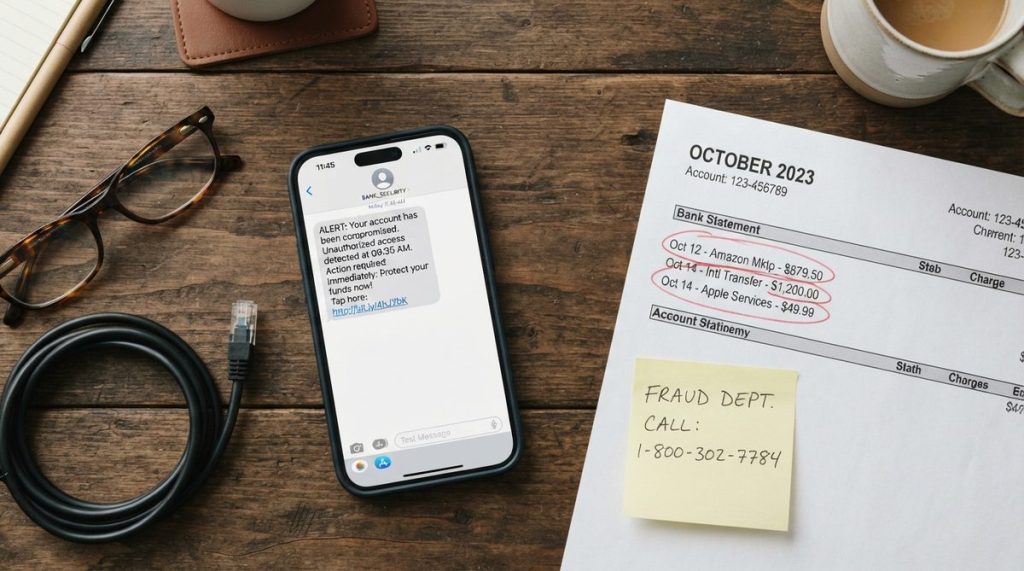
These scams involve callers or emailers pretending to represent the IRS, Social Security Administration, Medicare, or law enforcement. The pitch varies—you owe back taxes, your Social Security number has been “compromised,” you missed jury duty and have an active warrant—but the goal is always the same: create panic and extract payment, usually via gift cards, wire transfers, or cryptocurrency.
A critical fact to internalize: the Social Security Administration will never call you threatening to suspend your benefits. The IRS will never demand immediate payment by phone. If you’re worried about your benefits, our guide on what to do if Social Security is cut in 2032 walks you through legitimate steps to protect your income.
4. Investment and Cryptocurrency Fraud
Investment scams targeting older adults surged 67% between 2022 and 2023, with losses exceeding $1.2 billion. Many of these now involve cryptocurrency. The typical pattern: you see an ad on social media or receive a message from someone claiming to have an exclusive investment opportunity. You’re directed to a professional-looking website where you can watch your “investment” grow in real time. The returns look spectacular—until you try to withdraw your money.
These fake investment platforms are startlingly convincing. Some even allow small initial withdrawals to build trust before the victim invests a larger sum. If you’re exploring legitimate ways to grow your retirement savings, I’d recommend reviewing these vetted high-return, low-risk investment options for retirees instead of anything promoted through unsolicited messages.
5. AI-Powered Voice Cloning and Deepfakes
This is the threat that keeps me up at night as a cybersecurity researcher. Using freely available AI tools, a scammer can now clone a family member’s voice from as little as three seconds of audio—easily pulled from a social media video or voicemail greeting. They call a grandparent and say, in what sounds exactly like their grandchild’s voice, “Grandma, I’ve been in an accident. I need you to send money right now. Please don’t tell Mom and Dad.”
This is no longer theoretical. The FTC issued a specific consumer alert about AI voice cloning scams in 2023, and reports have accelerated through 2024 and into 2025. The emotional manipulation is devastating because the voice genuinely sounds real.

The Anatomy of a Scam: What Makes Them Work
After analyzing hundreds of elder fraud cases, I’ve identified four psychological levers that scammers pull, almost without exception. Understanding these makes you far more resilient than any single piece of software.
Urgency
Nearly every scam creates artificial time pressure. “Act now or your account will be frozen.” “Your grandson needs bail money in the next two hours.” This pressure is designed to bypass your rational thinking. Any legitimate institution will give you time to verify information.
Authority
Scammers impersonate powerful entities: the FBI, the IRS, your bank, a tech company. They use official-sounding language, fake badge numbers, and spoofed caller IDs that display legitimate phone numbers. The Cybersecurity & Infrastructure Security Agency (CISA) has documented how caller ID spoofing technology makes it trivially easy to display any phone number the scammer chooses.
Isolation
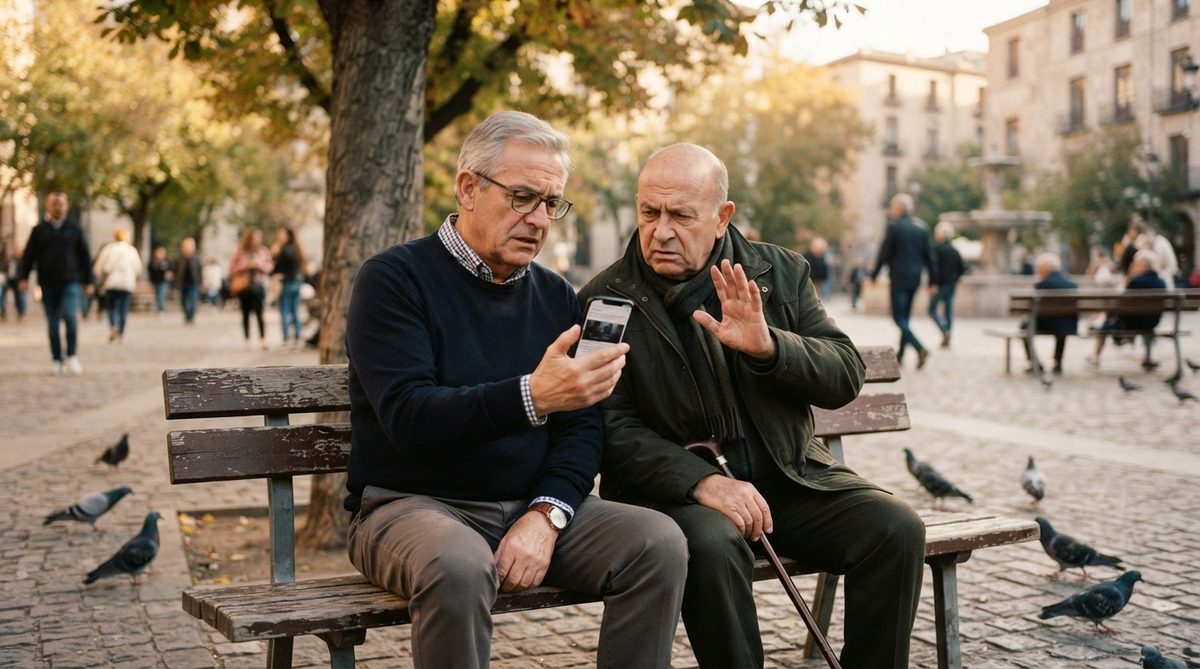
A hallmark of scam tactics is telling the victim not to discuss the situation with family members, friends, or other advisors. “This is a confidential federal investigation.” “Don’t tell anyone or the deal falls through.” Any legitimate entity that tells you not to talk to your family is not legitimate.
Emotional Hijacking
Whether it’s fear (your account is compromised), love (a grandchild in danger), or greed (an incredible investment return), scams target emotions, not logic. When you feel a strong emotional reaction to an unexpected communication, that feeling itself should be your first warning sign.
Your 8-Step Elder Fraud Defense Plan
I’ve distilled 14 years of cybersecurity expertise into this actionable protection plan. These aren’t vague suggestions—they’re specific steps ranked by impact. I recommend completing all eight within the next two weeks.
- Establish a family verification code word. Choose a specific, unusual word or phrase that only your immediate family knows. If anyone calls claiming to be a relative in distress, ask for the code word. AI can clone a voice, but it can’t guess “purple-telescope-fishing.” Update this word every six months.
- Enable multi-factor authentication (MFA) on every financial account. This means logging in requires both your password and a second verification—usually a code texted to your phone or generated by an authenticator app. Even if a scammer steals your password, MFA blocks access. Your bank’s website will have instructions, or call their customer service line for help setting it up.
- Freeze your credit at all three bureaus. Contact Equifax, Experian, and TransUnion to place a free security freeze on your credit file. This prevents anyone—including you—from opening new credit accounts until you temporarily lift the freeze. It takes about 10 minutes per bureau and is the single most effective identity theft prevention measure available.
- Set up bank transaction alerts. Configure your bank and credit card accounts to send you an instant text or email notification for any transaction over a threshold you choose (I recommend $50). This gives you near-real-time awareness of unauthorized activity.
- Never call a number displayed in a pop-up, email, or text. If you receive an alarming message claiming to be from your bank, the IRS, or a tech company, hang up or close the message. Then independently look up the organization’s official phone number from their website or your account statement and call that number directly.
- Use a password manager. Tools like Bitwarden (free) or 1Password ($36/year) generate and store unique, complex passwords for every account. You only need to remember one master password. This eliminates the dangerous practice of reusing the same password across multiple sites, which is how most account breaches happen.
- Register your phone number on the National Do Not Call Registry (donotcall.gov) and install a call-screening app. While the registry won’t stop criminals, it reduces legitimate telemarketing calls, making it easier to identify suspicious ones. Google’s built-in call screening (on Pixel phones) and the “Silence Unknown Callers” feature on iPhones are free and highly effective.
- Designate a trusted financial contact. Most major brokerages and banks now allow you to name a trusted contact person—someone the institution can reach out to if they suspect financial exploitation on your account. This is not giving someone access to your money; it’s adding a safety net. FINRA (the Financial Industry Regulatory Authority) mandated this option for brokerage accounts in 2018.
“A family code word costs nothing, takes 60 seconds to set up, and is currently the single best defense against AI voice-cloning scams. In my professional assessment, every family in America should have one by the end of this month.”
What to Do If You’ve Already Been Scammed
Speed matters enormously. The first 24-48 hours after a financial scam are critical for recovery. Here’s your immediate action plan if you suspect you’ve been victimized.
Contact Your Financial Institution Immediately
Call your bank or credit card company using the number on the back of your card. Explain what happened. Many banks have dedicated fraud departments that can freeze transactions, reverse wire transfers (in some cases), and flag your account for monitoring. The sooner you call, the higher the likelihood of recovering funds.
File Reports With Federal Agencies
Report the fraud to the FBI’s IC3 at ic3.gov and to the FTC at ReportFraud.ftc.gov. These reports aren’t just bureaucratic exercises—they feed into federal databases that law enforcement uses to identify and prosecute fraud networks. In 2023, the FBI’s Operation Shamrock specifically used IC3 reports to recover over $55 million in elder fraud losses.
Don’t Let Shame Keep You Silent
I cannot emphasize this enough. The most sophisticated people in the world fall for these scams. Former CIA officers, bank executives, and cybersecurity professionals have all been victimized. Scammers are professional criminals with refined psychological techniques. Being targeted is not your fault, and reporting is not a sign of weakness—it’s an act of courage that protects others.
Technology as Shield, Not Just Sword
Here’s what I find encouraging: the same technology that scammers exploit can be turned into your strongest defense. Modern smartphones have built-in spam detection. Banking apps offer real-time fraud alerts. Password managers make your accounts exponentially harder to breach.
For those of you planning to age independently at home—and research shows 90% of seniors want to do exactly that—digital security isn’t optional. It’s as fundamental as a grab bar in the shower or a working smoke detector. Your financial safety is part of your physical safety.
The scammers are counting on you feeling overwhelmed. They’re betting you’ll think cybersecurity is too complicated, too technical, too much for you to handle. But the eight steps I outlined above require no technical expertise. They require about two hours total. And they will make you a dramatically harder target.
The Bottom Line
Elder fraud is not slowing down. AI tools are making scams more convincing, cryptocurrency is making stolen money harder to trace, and the sheer volume of digital communication creates more attack surfaces every year. But the data also shows something hopeful: informed older adults are significantly less likely to fall victim. A 2024 AARP study found that adults who could identify at least three common scam tactics were 80% less likely to lose money to fraud.
You now know far more than three tactics. Share this article with someone you care about. Set up your family code word today. And remember: the best time to prepare for a scam is before it happens.
Frequently Asked Questions
What is the most common scam targeting older adults in 2025?
Tech support fraud remains the most financially damaging scam category for adults over 60, accounting for over $590 million in reported losses in 2023 according to FBI data. These scams typically begin with fake pop-up warnings on your computer screen urging you to call a fraudulent support number.
Can scammers really clone my family member's voice with AI?
Yes. Current AI voice-cloning technology can create a convincing replica of someone's voice from as little as three seconds of audio, which can be easily obtained from social media videos or voicemail greetings. The FTC has issued specific warnings about this growing threat, and establishing a family verification code word is the most effective countermeasure.
Should I answer calls from unknown numbers?
Cybersecurity experts generally recommend letting unknown calls go to voicemail. Legitimate callers will leave a message, while most scam robocalls will not. Both iPhone ("Silence Unknown Callers") and many Android phones offer built-in features to automatically send unrecognized numbers to voicemail.
What should I do first if I think I've been scammed?
Contact your bank or credit card company immediately using the phone number on the back of your card. The first 24-48 hours are critical for potentially reversing unauthorized transactions. After securing your accounts, file reports with the FBI's Internet Crime Complaint Center (ic3.gov) and the FTC at ReportFraud.ftc.gov.
About Dr. Priya Sharma, PhD in Computer Science, CISSP
Dr. Priya Sharma is a cybersecurity expert with a PhD in Computer Science and a Certified Information Systems Security Professional (CISSP) credential. She has spent 14 years researching digital privacy, online fraud, and data protection — with a particular focus on the risks facing older internet users. At Daily Trends Now, Dr. Sharma writes about online scams, password security, smartphone privacy, and the practical steps readers can take to stay safe in an increasingly connected world.