

Key Takeaways
- The average cost of aging in place home modifications ranges from $10,000 to over $100,000 depending on scope, far exceeding most retirees' expectations.
- Nearly 90% of adults over 65 want to stay in their homes, but fewer than 10% of U.S. housing stock is currently age-ready.
- Strategic phased renovations starting in your 50s or early 60s can cut total costs by 30-40% compared to emergency modifications after a fall or health crisis.
- Aging in place is still significantly cheaper than assisted living over a 5-10 year horizon, but only with proper financial planning and realistic budgeting.
The Number That Should Stop Every Retiree Cold
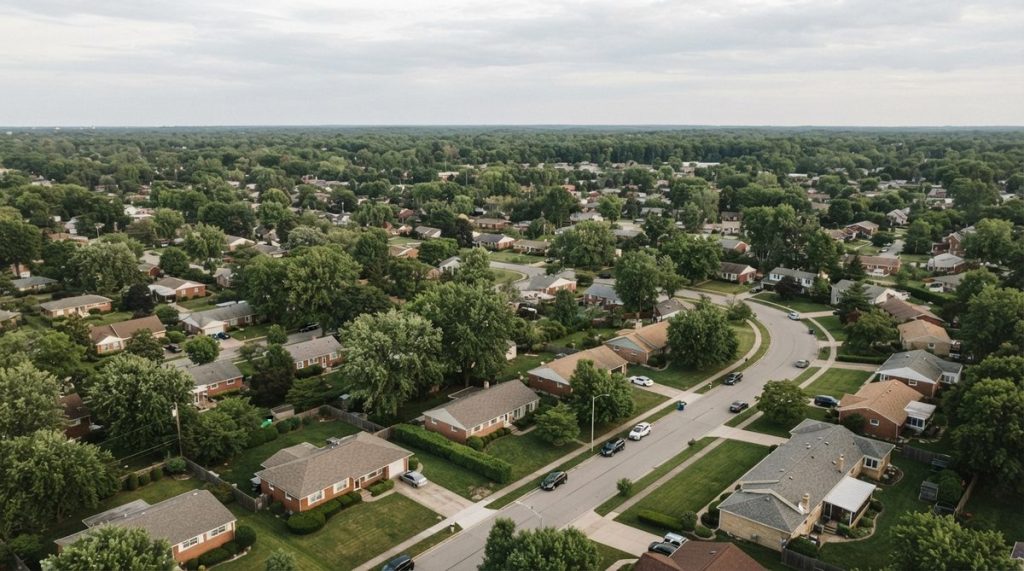
Here’s a statistic that caught me off guard, even after 16 years of covering lifestyle and aging topics: according to a 2024 report from the AARP, 89% of adults aged 65 and older say they want to remain in their current home as they age. Yet Harvard’s Joint Center for Housing Studies estimates that fewer than 10% of America’s 140 million housing units have the three basic accessibility features — a no-step entry, single-floor living, and accessible bathrooms — needed to support aging in place safely.
That gap between desire and reality isn’t just an inconvenience. It’s a financial time bomb. And in my experience, the Americans most likely to be blindsided are the ones who assume their paid-off mortgage means they’re home free.
Everyone — from policymakers to family caregivers to your neighbor who just retired — supports the idea of aging in place. But the real question, the one I’ve been investigating for months, is blunter: can we actually deliver it, and at what cost?
What “Aging in Place” Actually Means in 2025
The phrase gets tossed around so casually that it’s lost precision. Aging in place doesn’t simply mean “not moving to a nursing home.” It means modifying your environment, securing ongoing support services, and restructuring your finances so that your home remains safe, functional, and sustainable as your body and needs change over a 20- to 30-year retirement window.
The National Council on Aging defines it as “the ability to live in one’s own home and community safely, independently, and comfortably, regardless of age, income, or ability level.” That last clause — regardless of income or ability level — is where the dream starts to fracture.
The Three Pillars of Aging in Place
When I talk to gerontologists, occupational therapists, and certified aging-in-place specialists (CAPS), they consistently break the challenge into three categories:
- Structural modifications: Grab bars, walk-in showers, widened doorways, ramps, stair lifts, improved lighting, and smart-home technology.
- In-home care and services: Housekeeping, meal delivery, transportation, personal care aides, and skilled nursing visits.
- Financial sustainability: Funding all of the above without depleting savings prematurely or sacrificing quality of life.
Miss any one of these three pillars, and the whole structure wobbles. What I see most often is retirees who tackle the first pillar — maybe installing a grab bar or two — and assume they’ve checked the box. They haven’t even opened the box.
The Real Cost Breakdown: Where Your Money Goes
Let’s lay out the numbers with more honesty than most planning guides offer. I’ve pulled data from Genworth’s 2024 Cost of Care Survey, AARP research, and the National Association of Home Builders to build a realistic picture.
Home Modifications: The Upfront Hit
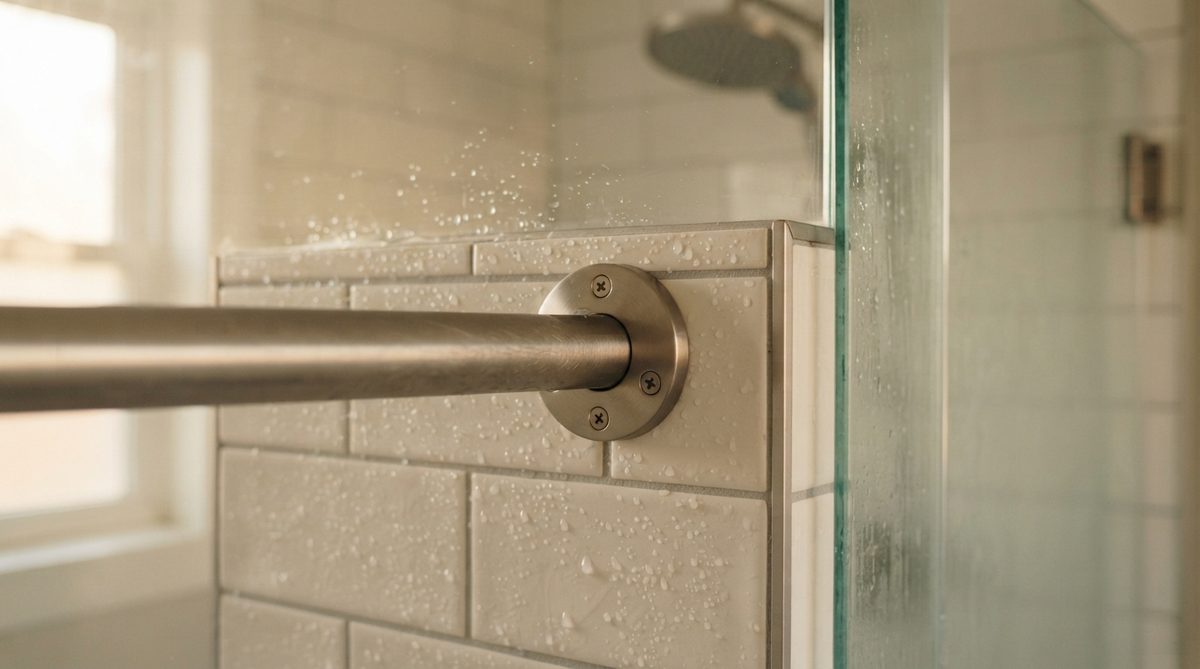
Basic accessibility upgrades — grab bars in bathrooms, lever-style door handles, improved lighting, non-slip flooring — typically run between $2,000 and $8,000. Most homeowners can handle this tier without breaking a sweat financially.
But moderate modifications tell a different story. A zero-threshold walk-in shower conversion averages $5,000 to $15,000. Widening doorways to accommodate a wheelchair costs $1,000 to $3,500 per doorway. A first-floor bedroom or bathroom addition — the modification most commonly needed when stairs become impassable — ranges from $25,000 to $75,000 or more, depending on your region and the complexity of plumbing and electrical work.
A stair lift installation runs $3,000 to $15,000. A residential elevator — increasingly requested by affluent retirees in multi-story homes — starts at $20,000 and can exceed $60,000.
Add it all up, and a comprehensive age-proofing renovation for a typical two-story, three-bedroom American home lands somewhere between $30,000 and $100,000. In high-cost markets like the San Francisco Bay Area or the Northeast corridor, I’ve seen quotes that approach $150,000.
In-Home Care: The Ongoing Drain
Modifications are a one-time expense. Care is not. According to Genworth’s data, the 2024 national median cost for a home health aide is $33 per hour. If you need just 20 hours per week of assistance — help with bathing, meal preparation, medication management, and light housekeeping — that’s $34,320 per year.
Need 40 hours per week? You’re looking at roughly $68,640 annually. Need round-the-clock care? The figure eclipses $190,000 per year, a number that exceeds most assisted living facilities and approaches skilled nursing home costs.
The average length of time an American over 65 will need some form of long-term care services is approximately 2.5 years, according to the National Institute on Aging. But averages mask extremes. Women, who live longer on average, often need care for 3.7 years. One in five people will need care for more than five years.
The Hidden Costs Nobody Mentions
Beyond construction and care, there’s a shadow budget that catches retirees off guard:
- Higher property taxes from home improvements that increase assessed value.
- Increased homeowner’s insurance premiums if you add structures or medical equipment.
- Technology subscriptions for medical alert systems ($30-$60/month), smart home monitoring, and telehealth platforms.
- Maintenance escalation — the older your home gets, the more it costs to maintain, right when your income is fixed or declining.
- Transportation costs if you stop driving and need ride services, which average $15-$25 per trip in most metro areas.
If you’re already watching your retirement budget carefully, understanding what the data really shows about retirees depleting savings early is essential context before committing to a major renovation plan.
Aging in Place vs. Assisted Living: The Honest Comparison
One of the most common questions I get from readers is whether aging in place actually saves money compared to moving into an assisted living community. The answer is: it depends entirely on how much care you need and for how long.
The Break-Even Analysis
The national median cost of assisted living in 2024 is approximately $5,511 per month, or $66,132 per year. That includes housing, meals, housekeeping, and basic personal care assistance. Memory care units average $7,200 per month.
If your aging-in-place costs consist solely of a $50,000 home modification plus property taxes and maintenance, you come out ahead for years — potentially a decade or more. But the moment you start needing 30+ hours per week of in-home care, the math flips. At that level of need, assisted living often becomes the more economical option.
The sweet spot, financially, is the period when you’re mostly independent but need your home to work with you rather than against you. That’s the window where aging in place delivers clear financial and emotional returns. Planning for that window early is the smartest move you can make.
The Phased Approach: How Smart Retirees Are Tackling This
In my 16 years covering this beat, the most successful aging-in-place stories I’ve reported share a common thread: the homeowner started early and phased the work over time. They didn’t wait for a hip fracture or a diagnosis to force their hand.
Phase 1: Your 50s — Assessment and Prevention (Cost: $2,000-$10,000)
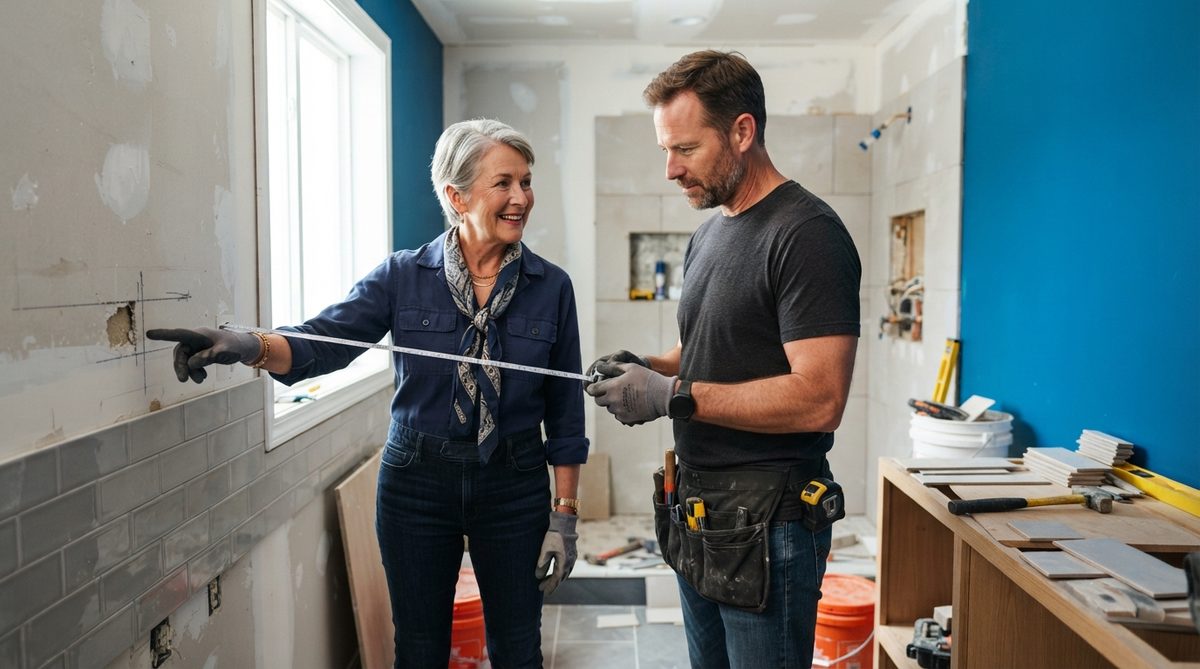
This is the cheapest and most impactful phase. Hire a Certified Aging-in-Place Specialist for a home assessment ($200-$500). Install grab bars, improve lighting in hallways and staircases, replace round doorknobs with lever handles, and address trip hazards like loose rugs and uneven thresholds.
This phase also includes a financial assessment. Meet with a financial planner who specializes in retirement to model different care scenarios. Understanding your full breakdown of retiree income sources helps you determine how much home modification you can realistically fund without jeopardizing your long-term security.
Phase 2: Your Early 60s — Structural Upgrades (Cost: $15,000-$50,000)
Now is the time for the bigger projects: converting a tub to a walk-in shower, widening at least one bathroom doorway, ensuring you have a bedroom and full bath on the main floor, and upgrading your HVAC system for better air quality and temperature control.
Doing these renovations while you’re still physically active means you can live through the construction more easily, make decisions without the pressure of medical urgency, and often negotiate better contractor rates during off-peak seasons.
Phase 3: Your 70s and Beyond — Technology and Care Integration (Cost: Varies Widely)
This is when smart-home technology, medical alert systems, and care coordination become central. It’s also when you need to revisit your financial plan annually, because healthcare costs tend to accelerate in this decade.
The phased approach typically saves 30-40% compared to emergency renovations, according to NAHB estimates. Rushed post-crisis modifications cost more because contractors charge premium rates for urgent timelines, design choices are limited by medical necessity, and homeowners lose negotiating leverage.
What the Government and Nonprofits Actually Offer
Federal and state programs exist to help fund aging-in-place modifications, but the reality is less generous than headlines suggest.
Federal Programs
- HUD Section 202 Supportive Housing for the Elderly: Provides capital advances to developers, but doesn’t directly fund individual home modifications.
- USDA Rural Development Loans and Grants: Available for low-income rural homeowners over 62 for home repairs, with grants up to $10,000 and loans up to $40,000.
- VA Specially Adapted Housing Grants: For qualifying veterans, grants can reach $109,986 (2024 figure) for significant home modifications.
- Medicaid Home and Community-Based Services (HCBS) Waivers: Vary enormously by state; some cover home modifications, many have multi-year waiting lists.
State and Local Programs
Many states offer property tax freezes or deferrals for seniors, which can free up cash for modifications. Colorado, for example, has recently expanded its Older Americans Act programs to include more aging-in-place support, and California’s high retirement livability rankings in cities like Chico partly reflect investments in senior-friendly community infrastructure.
Nonprofit organizations like Rebuilding Together and Habitat for Humanity’s Aging in Place program offer free or low-cost modifications for qualifying low-income seniors, but demand far outstrips capacity.
The bottom line: don’t count on government programs to cover your aging-in-place costs. They’re a supplement, not a solution. If you’re concerned about how inflation and rising costs are eroding your retirement cushion, you’re right to be — and these five financial fixes for retirees are worth reviewing alongside any renovation plans.
The Emotional Equation: What the Spreadsheets Don’t Capture
I’d be a poor journalist if I reduced aging in place to dollars and square footage. The reason 89% of older adults want to stay home isn’t because they’ve run a cost-benefit analysis. It’s because home is where their memories live. It’s the kitchen where they taught their grandchild to make pancakes. It’s the garden they’ve tended for 30 years. It’s the neighborhood where people know their name.
Research consistently shows that aging in place is associated with better mental health outcomes, stronger social connections (when the community infrastructure supports it), and a greater sense of autonomy and purpose. A 2023 study published in The Gerontologist found that older adults who remained in their homes reported 23% higher life satisfaction scores than peers who relocated to institutional care, controlling for health status.
But there’s a flip side. Isolation is a genuine risk. If your home becomes a fortress you can’t safely leave — because you can’t drive, because public transit doesn’t reach your suburb, because your friends have moved or passed away — then aging in place becomes aging in isolation. And the health consequences of chronic loneliness are devastating: the Surgeon General’s 2023 advisory equated its mortality risk to smoking 15 cigarettes a day.
Questions to Ask Yourself Honestly
- Is my home in a location where I can access groceries, healthcare, and social interaction without driving?
- Do I have a local support network — family, friends, faith community, neighbors — who check in regularly?
- Am I willing to accept help when I need it, or will pride keep me struggling in silence?
- Is my attachment to this specific house healthy, or am I avoiding change out of fear?
These are hard questions. I often tell my readers that the bravest thing isn’t staying put at all costs — it’s making an honest, clear-eyed decision about what kind of life you want in your 70s, 80s, and beyond, and then structuring your home and finances to support it.
The Technology Factor: What’s Changed in the Last Five Years
The aging-in-place landscape in 2025 looks dramatically different than it did even in 2020, largely because of technology advances that have moved from novelty to practical necessity.
- Smart home voice assistants now integrate with medication reminders, fall detection, and emergency calling, often for under $100 in hardware.
- Remote patient monitoring devices let doctors track blood pressure, glucose levels, and heart rhythms from your living room, reducing ER visits.
- AI-powered fall detection systems use radar or camera-based sensors (not wearables that can be forgotten) to detect falls and alert caregivers within seconds.
- Robotic vacuum and mopping systems reduce the need for housekeeping visits, saving $100-$200 per month for some households.
- Grocery and meal delivery services have expanded to virtually every zip code, eliminating one of the biggest logistical barriers to independent living.
Technology doesn’t replace human care, but it extends the period of independence — that critical “sweet spot” phase — by several years for many people. The investment is relatively modest compared to structural renovations, and the return in safety and peace of mind is substantial.
A Realistic Aging-in-Place Budget: What I’d Tell My Own Family
If a close family member asked me to help them plan, here’s the budget framework I’d sketch out for a healthy 60-year-old homeowner in a mid-cost U.S. market, planning to age in place through their 80s:
- Home assessment and Phase 1 modifications: $5,000-$8,000
- Phase 2 structural upgrades (early 60s): $25,000-$50,000
- Technology and smart-home systems: $3,000-$5,000 upfront, plus $100-$200/month ongoing
- Increased maintenance reserve (annual): $3,000-$6,000 above current spending
- In-home care (eventual, 20 hours/week for 2.5 years average): $85,800 total
- Transportation if/when driving stops: $3,000-$6,000/year
- Emergency contingency fund: $15,000-$25,000
Total estimated 20-year cost: $175,000 to $350,000, depending on care needs and market. That’s a staggering range, and it underscores why starting early and building these costs into your retirement plan — rather than treating them as surprises — is non-negotiable.
Compare that to 5-10 years of assisted living at $66,000 per year ($330,000-$660,000), and aging in place still wins financially for most people. But only if you plan.
The Bottom Line: Desire Isn’t a Strategy
Everyone supports aging in place. It polls well. It sounds warm. It aligns with American values of independence and self-determination. But support without funding, planning, and honest self-assessment is just sentiment.
The retirees who successfully age in place — the ones I’ve profiled over 16 years who are thriving at 80 and 85 in homes they love — share three traits: they started modifying early, they budgeted realistically, and they stayed socially connected. None of them did it alone, and none of them did it cheaply. But every single one of them told me it was worth it.
Your home can be your greatest asset in retirement — not just financially, but emotionally and physically. But only if you treat aging in place as the serious, multi-year project it is, rather than a passive hope that things will work out. Start the assessment now. Run the numbers. Talk to your family. Because the best time to age-proof your home was five years ago. The second-best time is today.
Frequently Asked Questions
How much does it cost to age in place vs. go to assisted living?
Aging in place typically costs $175,000 to $350,000 over a 20-year period, including home modifications, technology, and eventual in-home care. Assisted living averages $66,132 per year nationally in 2024, making it more expensive over 5-10 years for most people. However, if you need 40+ hours per week of in-home care, assisted living can become the more economical choice.
Does Medicare pay for aging-in-place home modifications?
Original Medicare generally does not cover home modifications like grab bars, ramps, or bathroom renovations. Some Medicare Advantage plans offer limited home safety benefits, typically $1,000-$3,000 annually. Medicaid may cover modifications through Home and Community-Based Services waivers, but eligibility and coverage vary widely by state, and waiting lists can be years long.
When should I start making my home senior-friendly?
Experts recommend beginning in your 50s with a professional home assessment and basic modifications like grab bars, better lighting, and trip-hazard removal. Tackling major structural changes — such as first-floor bedroom additions or walk-in shower conversions — in your early 60s is ideal, as it avoids the higher costs and stress of emergency renovations after a fall or health crisis.
About Jennifer Adams, 16 Years in Lifestyle Journalism
Jennifer Adams is a lifestyle journalist with 16 years of experience writing about travel, hobbies, relationships, home life, and the art of aging well. She has contributed to national publications focused on the interests and aspirations of adults over 50 — from budget-friendly travel destinations to rediscovering hobbies in retirement. At Daily Trends Now, Jennifer writes warm, practical articles that celebrate life after 50 and help readers make the most of every chapter.