

Key Takeaways
- Seasonal dietary shifts in spring can reduce inflammation and support chronic disease management for older adults.
- Rising spring temperatures pose serious heat-related health risks for seniors, especially those on common medications.
- Simple protein-focused nutrition strategies can help reverse age-related muscle loss starting this season.
- Proactive vitamin D and allergy management in spring sets the foundation for a healthier summer and fall.
Why Spring Is a Critical Health Window for Older Adults
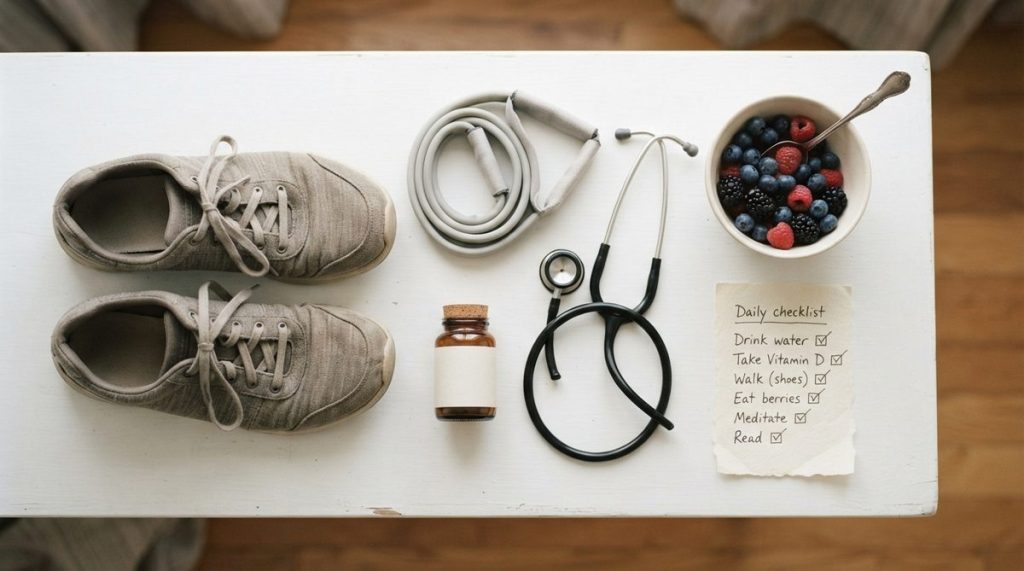
Spring isn’t just about longer days and blooming gardens — for adults over 50, it’s one of the most important seasonal transitions for managing chronic conditions. After months of reduced activity, lower vitamin D levels, and winter dietary patterns, the shift into warmer weather creates both opportunities and risks that deserve serious attention.
In my 15 years of clinical nutrition practice, I’ve seen how the spring months can either set seniors up for a strong, active summer or land them in the emergency room with dehydration, medication interactions, or flare-ups of chronic disease. The good news? A few targeted strategies make an enormous difference.
These seven spring health tips for seniors are grounded in current research and the practical realities I see with my own clients — real people managing diabetes, heart disease, arthritis, and the everyday challenges of aging well. Let’s get into them.
1. Recalibrate Your Hydration Before the Heat Arrives
This is the tip I lead with every single spring, because it’s the one most likely to prevent a hospital visit. As temperatures climb, older adults face disproportionate heat-related health risks. According to the CDC, adults aged 65 and older account for a significant share of heat-related deaths in the United States — and the numbers have been trending upward as extreme heat events become more frequent.
The problem isn’t just the heat itself. As we age, our thirst mechanism weakens. You can be significantly dehydrated before you even feel thirsty. Add in common medications — diuretics for blood pressure, antihistamines for allergies, certain antidepressants — and you have a perfect storm for dehydration that creeps up silently.
What I Tell My Clients
- Don’t wait until June to adjust your fluid intake. Start increasing water consumption now, in the milder spring weeks, so your body adapts gradually.
- Aim for at least 64 ounces of total fluids daily, and more on days you’re active or outdoors. Herbal teas, broth-based soups, and water-rich fruits like strawberries and melon all count.
- Set a timer on your phone or keep a marked water bottle visible — visual cues work far better than relying on thirst.
- Talk to your pharmacist about whether any of your current medications increase dehydration risk. This five-minute conversation could save you a trip to the ER.
Adults over 65 are 2 to 3 times more likely to be hospitalized for heat-related illness than younger adults, and medications common in this age group — including diuretics and beta-blockers — significantly compound the risk.
2. Prioritize Protein at Every Meal to Fight Muscle Loss
Sarcopenia — the age-related loss of muscle mass and strength — affects roughly 10 to 16 percent of older adults worldwide, with rates climbing sharply after age 70. What most people don’t realize is that the solution isn’t just exercise; it’s protein timing and distribution throughout the day.
I often tell my clients that eating 60 grams of protein at dinner and almost none at breakfast is one of the most common dietary mistakes I see in adults over 50. Research from the National Institute on Aging supports distributing protein evenly across meals — roughly 25 to 30 grams per meal — to maximize muscle protein synthesis.
Spring Protein Strategies That Actually Work
- Add Greek yogurt or cottage cheese to your breakfast. A single cup of Greek yogurt delivers 15 to 20 grams of protein.
- Incorporate spring legumes — fresh peas, fava beans, and lentils — into lunches and dinners for plant-based protein that also supports heart health.
- If you struggle with appetite in the morning, try a smoothie with protein powder, frozen berries, and a handful of spinach. It’s easy to digest and delivers 25+ grams of protein.
- Don’t overlook eggs. Two large eggs provide 12 grams of protein along with choline, which supports brain health — a nutrient many seniors are deficient in.
Recent animal research has even shown that boosting specific proteins can reverse aspects of age-related decline. While human applications are still being studied, the underlying message is clear: protein matters profoundly as we age. You can read more about that fascinating research in this breakdown of the protein and aging study.
3. Get Your Vitamin D Levels Checked — Now, Not Later
After a long winter indoors, most older adults in the United States are walking around with suboptimal vitamin D levels. The National Health and Nutrition Examination Survey data consistently shows that over 40 percent of American adults are vitamin D deficient, and the rates are even higher among seniors, people with darker skin, and those living in northern states.
Vitamin D isn’t just about bone health — though that matters enormously when fall risk increases with age. Adequate vitamin D levels are linked to better immune function, lower inflammation, improved mood, and even a reduced risk of certain chronic diseases including type 2 diabetes and cardiovascular disease.
My Spring Vitamin D Protocol
- Ask your doctor for a 25-hydroxyvitamin D blood test at your next appointment. You want levels between 30 and 50 ng/mL for optimal health.
- Spend 15 to 20 minutes outdoors in midday sun several times per week — spring’s gentler UV makes this more comfortable than summer.
- Include vitamin D-rich foods: fatty fish like salmon and sardines, fortified milk or plant-based milk, egg yolks, and mushrooms exposed to UV light.
- If your levels are below 30 ng/mL, supplementation with 1,000 to 2,000 IU of vitamin D3 daily is generally safe, but confirm dosage with your healthcare provider, especially if you take blood thinners or calcium channel blockers.
There are many misconceptions about what truly supports healthy aging. If you’ve been told that decline is inevitable after 60, I’d encourage you to read about the myths about healthy aging after 60 that could actually be holding you back.
4. Manage Spring Allergies Without Derailing Your Chronic Conditions
Spring 2026 pollen forecasts are already looking aggressive in many parts of the country, and for seniors managing conditions like asthma, COPD, or heart disease, an allergy flare-up isn’t just annoying — it can trigger a cascade of complications. Antihistamines can raise blood pressure. Decongestants can interact with heart medications. Even nasal steroids need monitoring if you’re on blood thinners.
What I see most often is seniors self-medicating with over-the-counter allergy products without checking interactions. A 2023 study in the Journal of the American Geriatrics Society found that nearly one in five adverse drug events in older adults involved OTC medications the patient’s doctor didn’t know about.
Safer Allergy Management for Seniors
- Use saline nasal rinses as a first-line defense. They’re drug-free and remarkably effective at reducing pollen exposure in nasal passages.
- If you need an antihistamine, second-generation options like cetirizine or loratadine are generally safer for older adults than first-generation ones like diphenhydramine (Benadryl), which can cause confusion, drowsiness, and urinary retention.
- Keep windows closed during high-pollen hours (typically 5 AM to 10 AM) and shower after spending time outdoors.
- Bring your complete medication list — including OTC products and supplements — to every doctor visit. This one habit prevents dangerous interactions.
5. Use Spring Produce to Build an Anti-Inflammatory Plate
Chronic inflammation is the common thread connecting heart disease, type 2 diabetes, arthritis, Alzheimer’s disease, and many cancers. And while no single food is a miracle cure, dietary patterns matter enormously. The Mediterranean diet — rich in vegetables, fruits, whole grains, fish, and olive oil — has the strongest evidence base for reducing systemic inflammation in older adults.
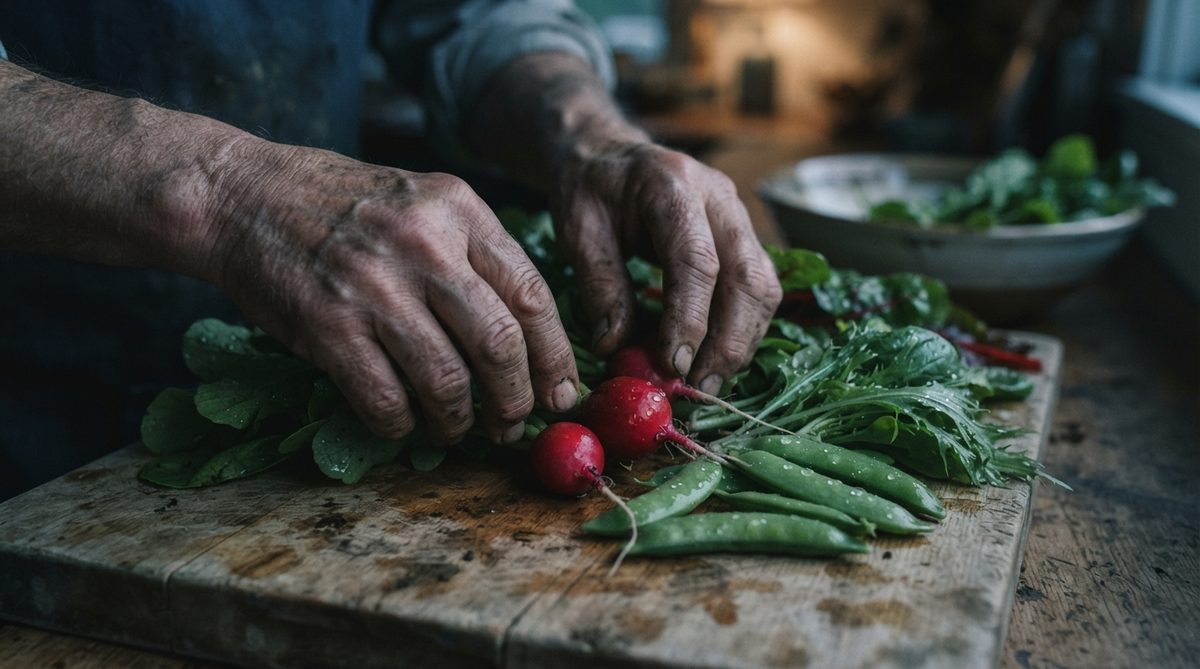
Spring gives us an incredible window to reset eating habits because the produce is outstanding. Asparagus, artichokes, radishes, peas, strawberries, and leafy greens are all at their peak nutritional value right now.
Building Your Anti-Inflammatory Spring Plate
- Fill half your plate with colorful vegetables. Aim for at least three different colors per meal — each color represents different phytonutrients with distinct anti-inflammatory properties.
- Replace refined grains with whole grains like quinoa, farro, or brown rice. The fiber supports gut microbiome health, which emerging research links directly to reduced inflammation and even improved cognitive function.
- Use extra virgin olive oil as your primary cooking fat. Its oleocanthal compound has been shown to have anti-inflammatory effects similar to low-dose ibuprofen.
- Add fatty fish at least twice per week. Wild-caught salmon, sardines, and mackerel deliver omega-3 fatty acids that directly lower inflammatory markers like C-reactive protein.
A 2024 meta-analysis published in Nutrients found that older adults who followed a Mediterranean-style diet for 12 months showed a 20 percent reduction in C-reactive protein levels and reported significantly less joint pain — results comparable to some anti-inflammatory medications.
The Mayo Clinic has consistently recommended anti-inflammatory dietary patterns as a cornerstone of chronic disease management for seniors, and I couldn’t agree more based on what I’ve seen in practice.

6. Prepare for Rising Heat Before It Becomes Dangerous
This spring health tip for seniors might save your life — or the life of someone you love. As spring temperatures rise earlier and more unpredictably due to shifting climate patterns, older adults living at home face escalating heat-related health risks. A 2024 report found that heat-related emergency department visits among adults 65+ increased by 18 percent over the previous five years.
The danger is compounded by the fact that many seniors aging in place live alone, without regular check-ins from family or caregivers. When oversight declines, a hot afternoon can become a medical emergency before anyone notices.
Concrete Heat Preparedness Steps
- Ensure your air conditioning is serviced and functioning before the first hot spell. If you don’t have AC, identify your nearest cooling center — your local Area Agency on Aging can provide locations.
- Establish a buddy system: arrange for a neighbor, friend, or family member to check in by phone or text during heat advisories.
- Know the signs of heat exhaustion: heavy sweating, weakness, cold or clammy skin, fast or weak pulse, nausea, and fainting. Heat stroke — hot skin, high body temperature over 103°F, confusion — is a 911 emergency.
- Adjust outdoor activity to early morning or evening hours. Even light gardening at noon on an 85°F day can overwhelm an aging body’s temperature regulation.
If you’re planning to age in place, heat preparedness is just one of many factors to consider. There are several common aging in place myths that could cost you significantly if you don’t address them proactively.
7. Spring-Clean Your Medicine Cabinet and Supplement Shelf
This is the least glamorous tip on the list, but in my experience, it’s one of the most impactful. Every spring, I encourage my older clients to do a thorough audit of their medications and supplements. Expired medications can lose potency or, in some cases, become harmful. Supplements you started two years ago may no longer be appropriate given changes in your health, new prescriptions, or updated lab work.
The average American over 65 takes four or more prescription medications. Add in OTC drugs and dietary supplements, and polypharmacy — the use of multiple medications simultaneously — becomes a real risk factor for adverse events, falls, cognitive changes, and nutritional deficiencies.
Your Spring Medicine Cabinet Audit
- Pull everything out — prescriptions, OTC medications, vitamins, herbal supplements, eye drops, topical creams — and check expiration dates. Discard anything expired through an authorized drug take-back program or your pharmacy.
- Make a complete list of everything you’re currently taking, including dosages and frequency. Bring this to your next doctor or pharmacist visit.
- Ask your pharmacist for a comprehensive medication review. Many pharmacies offer this service free, and it can identify dangerous interactions you might not know about.
- Review whether your supplements are still evidence-based for your current health status. For example, high-dose calcium supplements have fallen out of favor for many older adults due to cardiovascular concerns — your doctor may recommend dietary calcium instead.
- Check that you’re storing medications properly. Bathrooms are often too humid; a cool, dry bedroom shelf or kitchen cabinet away from the stove is better.
Scammers increasingly target seniors through fake health products and supplement schemes, so being informed about what you’re actually taking also protects you financially. For more on that growing threat, check out how elder fraud is rising as scammers use AI.
Putting It All Together: Your Spring Health Action Plan
These seven spring health tips for seniors aren’t about overhauling your life overnight. They’re about making deliberate, evidence-based adjustments during a season that naturally invites change. Pick two or three that resonate most with your current health picture and start there.
Here’s what I’d prioritize if I had to choose just three actions for this spring:
- Get your vitamin D level tested and start correcting any deficiency now.
- Increase your protein intake at breakfast and lunch — most seniors eat too little protein in the first half of the day.
- Schedule a medication and supplement review with your pharmacist before summer arrives.
Spring is a season of renewal, and your health deserves to be part of that. The research is clear that small, consistent changes in nutrition, hydration, and medication management can meaningfully reduce hospitalizations, slow chronic disease progression, and improve quality of life for older adults.
You don’t need a radical transformation. You need a plan — and the right information to build one. I hope these seven strategies give you a strong starting point for a healthier 2026.
Frequently Asked Questions
How much water should seniors drink per day in spring and summer?
Most older adults should aim for at least 64 ounces (8 cups) of total fluids daily, increasing to 80 or more ounces on hot days or during physical activity. Fluids from soups, herbal teas, and water-rich fruits and vegetables count toward your total. Because the thirst mechanism weakens with age, using visual reminders like a marked water bottle is more reliable than drinking only when thirsty.
What is the best anti-inflammatory diet for seniors with chronic conditions?
The Mediterranean diet has the strongest research support for reducing chronic inflammation in older adults. It emphasizes vegetables, fruits, whole grains, fatty fish, olive oil, nuts, and legumes while limiting processed foods, added sugars, and red meat. A 2024 meta-analysis found that seniors following this pattern for 12 months saw a 20 percent reduction in C-reactive protein, a key inflammation marker.
Are over-the-counter allergy medications safe for adults over 65?
Not all OTC allergy medications are equally safe for older adults. Second-generation antihistamines like cetirizine (Zyrtec) and loratadine (Claritin) are generally preferred over first-generation options like diphenhydramine (Benadryl), which can cause confusion, drowsiness, and urinary problems in seniors. Always check with your pharmacist for interactions with existing prescriptions before starting any OTC allergy product.
How much protein do older adults need daily to prevent muscle loss?
Current research suggests older adults need approximately 1.0 to 1.2 grams of protein per kilogram of body weight daily — significantly more than the standard RDA of 0.8 grams per kilogram. For a 150-pound person, that translates to roughly 68 to 82 grams of protein per day. Distributing protein evenly across meals (25 to 30 grams per meal) optimizes muscle protein synthesis better than loading protein into one large meal.
About Dr. Linda Park, PhD, RD (Registered Dietitian)
Dr. Linda Park is a Registered Dietitian with a PhD in Nutritional Science and 15 years of clinical and research experience focused on older adults. She has published peer-reviewed research on the role of nutrition in managing diabetes, cardiovascular health, and cognitive decline in seniors. At Daily Trends Now, Dr. Park writes evidence-based articles on senior nutrition, supplement safety, meal planning, and the foods that truly make a difference for aging well.