

The Biggest Lie We’ve Been Told About Getting Older
For decades, the dominant narrative around aging has been one of inevitable decline — weaker bones, shrinking muscles, fading memory, and a slow surrender to chronic disease. I’ve heard it from thousands of clients over my 15 years as a registered dietitian and nutritional scientist: “Well, I’m getting old, so what do you expect?”
Here’s what I expect: better. Because the science demands it.
A landmark 2025 study published in The Lancet Healthy Longevity tracked over 18,000 adults aged 55 and older across a 12-year period and found something that should change the way every American over 50 thinks about their future. A significant proportion of participants — nearly 30% — actually improved in physical function, cognitive performance, or both over the study period. Not merely maintained. Improved.
That finding challenges the core myths about aging and decline that have shaped medical advice, retirement planning, and even how older adults see themselves. Today, I’m breaking down seven of the most stubborn misconceptions — and replacing them with evidence-based truths that can genuinely change how you age.
Myth #1: Cognitive Decline Is Inevitable After 60
This is perhaps the most damaging myth about aging and decline in circulation. Yes, processing speed tends to slow modestly beginning in our 50s. But fluid intelligence — the ability to solve novel problems — is only one dimension of cognition. Crystallized intelligence, which includes vocabulary, accumulated knowledge, and pattern recognition, often continues to grow well into the 70s and beyond.
Recent neuroscience research has identified what scientists call a cognitive “reservoir” in the brain’s anterior temporal lobe. This region appears to compensate for age-related changes elsewhere, and individuals who stay intellectually and socially engaged tend to have larger, more active reservoirs. The National Institute on Aging now emphasizes that lifestyle factors — not just genetics — play a dominant role in determining cognitive trajectories after 60.
What the research actually shows
The Rush Memory and Aging Project, which has followed over 2,200 older adults since 1997, consistently finds that roughly 25% of participants who show Alzheimer’s-related brain pathology at autopsy never exhibited cognitive symptoms during their lifetime. Their brains had the disease. Their minds didn’t. That gap is driven by cognitive reserve built through education, social connection, diet, and physical activity.
I often tell my clients that your brain at 70 is not a lesser version of your brain at 30 — it’s a differently equipped version. And with the right inputs, it can be remarkably powerful.
Myth #2: You Can’t Build Muscle After 50
This myth has cost more years of vitality than almost any other. Sarcopenia — age-related muscle loss — is real. Adults lose approximately 3–8% of muscle mass per decade after 30, and the rate accelerates after 60. But here’s what that statistic obscures: sarcopenia is largely a disease of disuse, not aging itself.
A 2023 meta-analysis in Sports Medicine examined 78 resistance training studies involving adults aged 60 and older. The results showed that older adults who trained two to three times per week for 12 weeks gained an average of 1.1 kg of lean muscle mass — gains comparable to those seen in younger adults on similar programs.
“The idea that older bodies can’t adapt to resistance training is flatly contradicted by the evidence. Muscle protein synthesis responds to progressive overload at 75 the same way it does at 35 — it just needs the right nutritional support alongside it.”
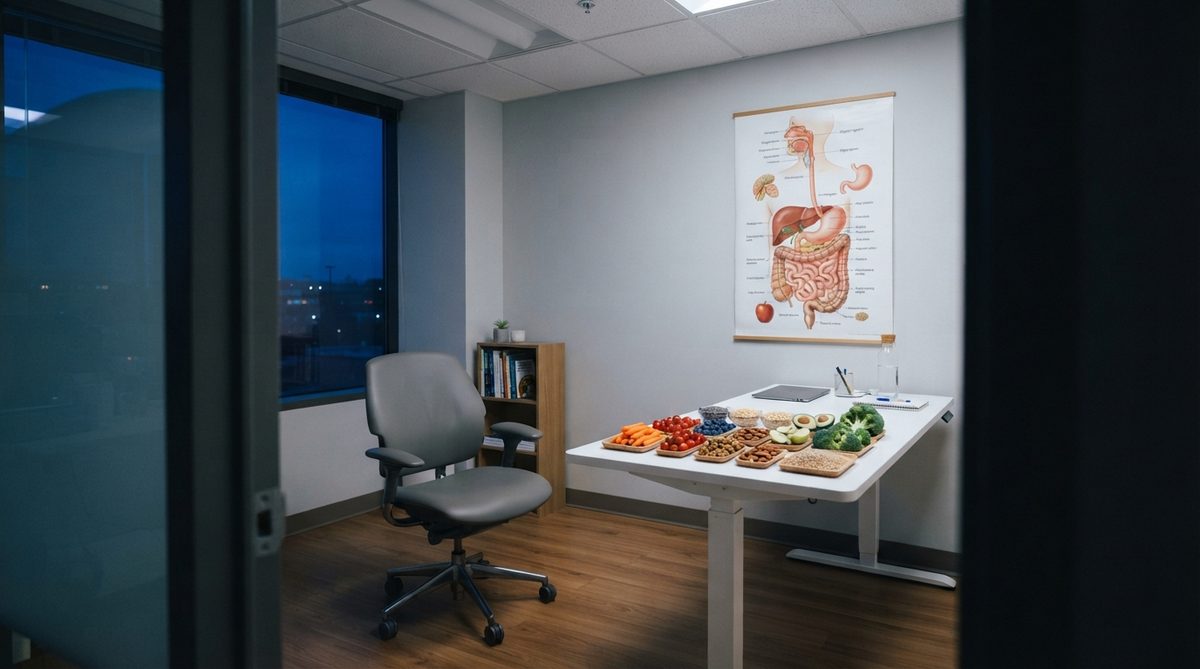
That nutritional support matters enormously, and it’s where I spend much of my clinical time. Adults over 50 need approximately 1.0–1.2 grams of protein per kilogram of body weight daily — significantly more than the outdated RDA of 0.8 g/kg. Leucine-rich protein sources like eggs, Greek yogurt, chicken, and whey protein are particularly effective at triggering muscle protein synthesis. If you’re interested in starting a practical routine, check out this guide on daily resistance training for seniors that takes just 4 minutes to see real results.
Myth #3: Your Metabolism Crashes at Midlife
If I had a dollar for every time a client over 50 told me, “My metabolism just stopped,” I could fund my own clinical trial. But a groundbreaking 2021 study published in Science — analyzing metabolic data from over 6,400 people across 29 countries — revealed something surprising.
Total energy expenditure remains remarkably stable from ages 20 to 60. The “midlife metabolic crash” that so many people blame for weight gain simply doesn’t appear in the data. After 60, metabolism does decline — but only by about 0.7% per year, far less dramatically than commonly believed.
So why do people gain weight?
The real culprits are changes in activity levels, loss of muscle mass (which burns more calories at rest than fat), shifts in hormonal signaling that affect appetite and fat distribution, and — frankly — decades of accumulated dietary patterns that finally catch up. These are modifiable factors. That distinction matters profoundly.
What I see most often in my practice is clients who have been eating the same way since their 40s but moving far less. When we restore activity and adjust protein intake upward, metabolic markers improve within weeks — not months.
Myth #4: Heart Disease Is Just Part of Aging
Cardiovascular disease remains the leading cause of death for Americans over 65, according to the CDC. But “leading cause of death” and “inevitable consequence of aging” are two very different statements. The conflation of these ideas has led millions of older adults to adopt a fatalistic attitude toward heart health that actually accelerates the problem.
Consider the data from the Adventist Health Study-2, which tracked over 96,000 participants. Those who followed a plant-forward diet, maintained regular physical activity, didn’t smoke, and managed stress had cardiovascular event rates 40–55% lower than age-matched peers — regardless of family history. The PREDIMED trial, involving adults aged 55–80, showed that a Mediterranean diet supplemented with extra-virgin olive oil or nuts reduced major cardiovascular events by approximately 30%.
What this means for you practically
Your arteries at 65 are not destined to be diseased. They’re responsive to what you feed them, how you move, and how well you sleep. The biological aging of blood vessels is real, but the pathological aging — the plaque buildup, the stiffness, the dysfunction — is dramatically influenced by daily choices.
I recommend every client over 50 know four numbers by heart: resting blood pressure, fasting glucose, LDL cholesterol, and waist circumference. Those four metrics, tracked quarterly, give you a real-time dashboard of cardiovascular trajectory that no generic age-based assumption can match.
Myth #5: Depression in Older Adults Is Normal — “Just Part of Getting Old”
This myth is not just wrong — it’s dangerous. Late-life depression affects approximately 7 million American adults over 65, yet fewer than half receive treatment. A major reason? Both patients and their families dismiss the symptoms as natural consequences of aging, grief, or loneliness.
Depression is a medical condition with neurobiological underpinnings, and it is highly treatable at any age. A 2024 analysis from the American Journal of Geriatric Psychiatry found that combined treatment (medication plus talk therapy) had remission rates of 45–55% in adults over 70 — nearly identical to rates in younger populations.
“Nearly 7 million older Americans live with depression, and more than half go untreated — not because treatments don’t work, but because we’ve normalized suffering in old age. That normalization is itself a public health crisis.”
As a dietitian, I also see the nutritional dimension that many providers overlook. Deficiencies in B12, folate, vitamin D, and omega-3 fatty acids are significantly more common in adults over 60 and are independently associated with higher depression risk. A thorough nutritional workup should be part of any depression evaluation in an older adult. Period.
Myth #6: Frailty Is Irreversible Once It Sets In
The clinical syndrome of frailty — characterized by unintentional weight loss, exhaustion, weak grip strength, slow walking speed, and low physical activity — affects roughly 10–15% of adults over 65. For years, frailty was treated as a one-way street: once you crossed the threshold, the best you could hope for was slowing the slide.
That paradigm is shifting rapidly. Researchers at the University of Adelaide recently deployed an innovative online screening and intervention tool designed to reverse frailty markers in community-dwelling seniors. The program combined targeted resistance exercises, protein optimization, and fall-risk management — and early results showed measurable improvement in grip strength and gait speed within 12 weeks.
The nutrition piece most people miss
Frailty is, at its core, a problem of reserves — muscular reserves, nutritional reserves, physiological reserves. And the single most underappreciated driver of frailty in my experience is chronic protein undernutrition. Many older adults eat less overall as appetite declines, and what they do eat skews heavily toward carbohydrates. The result is a slow, invisible erosion of muscle and bone.
I work with clients to distribute protein evenly across three meals — aiming for 25–30 grams per meal — rather than loading it all at dinner. Research from the University of Texas Medical Branch shows that this distribution strategy maximizes muscle protein synthesis throughout the day, which is especially critical for older adults whose anabolic response is somewhat blunted.
Myth #7: It’s Too Late to Make a Difference After 70
This is the myth that ties all the others together — and it’s the one I fight hardest against. The belief that the window for meaningful health improvement closes at some arbitrary age is contradicted by virtually every major longitudinal study published in the last decade.
Consider these findings:
- Adults who began regular walking programs at age 72 reduced their all-cause mortality risk by 35% over five years (JAMA Internal Medicine, 2019).
- Dietary pattern changes adopted after age 60 were associated with a 20% reduction in cardiovascular events over a 10-year follow-up (New England Journal of Medicine, 2018).
- Older adults who increased social engagement after retirement showed slower rates of hippocampal atrophy — the brain region most associated with memory — compared to socially isolated peers (Neurology, 2022).
The biology of human aging is far more plastic than the mythology suggests. New research funded by the NIH is even exploring how artificial intelligence could personalize aging interventions at the molecular level, identifying which specific dietary, exercise, and pharmacological strategies work best for an individual’s genetic and metabolic profile. And in the world of basic science, researchers have already demonstrated that boosting one protein reversed aging markers in mice — pointing toward a future where targeted biological interventions may complement lifestyle strategies.
A 7-Step Action Plan to Age on Your Own Terms
Knowing the myths is empowering. But knowledge without action stays theoretical. Here’s the evidence-based action plan I give to clients over 50 who want to take control of how they age.
- Get a comprehensive blood panel annually. Include B12, vitamin D, fasting insulin, hemoglobin A1c, complete metabolic panel, and inflammatory markers like CRP. Know your numbers — don’t assume them.
- Hit 1.0–1.2 grams of protein per kilogram of body weight daily. Spread it across three meals. Prioritize leucine-rich sources: eggs, dairy, poultry, fish, and legumes.
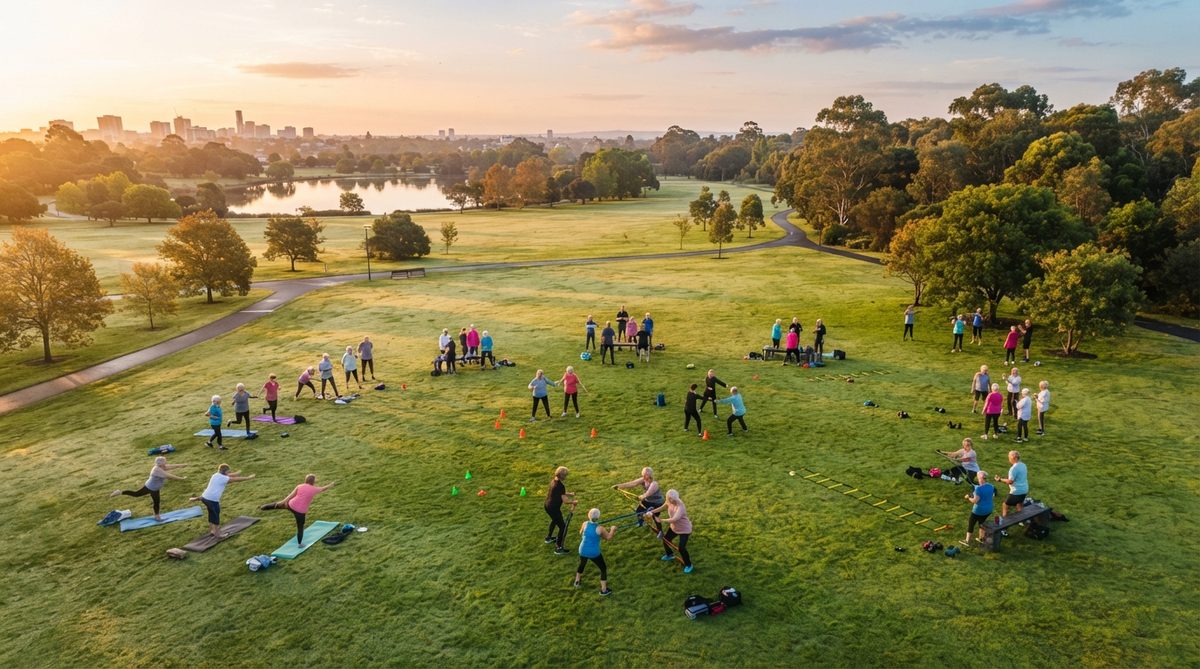
- Resistance train at least twice per week. It doesn’t need to be intense. Bodyweight squats, wall push-ups, seated rows with bands — progressive overload is the principle, not CrossFit-level intensity.
- Walk 7,000+ steps daily. The Mayo Clinic notes that for adults over 60, the mortality benefits of daily steps plateau around 7,000–8,000 — not the often-cited 10,000. This is achievable for most people.
- Screen for depression and nutritional deficiencies together. If you’re experiencing persistent low mood, fatigue, or withdrawal, ask your doctor to evaluate both mental health and micronutrient status simultaneously.
- Build and protect social connections deliberately. Join a walking group, volunteer, take a class. Social isolation carries a mortality risk equivalent to smoking 15 cigarettes a day — a statistic from the U.S. Surgeon General’s 2023 advisory on loneliness.
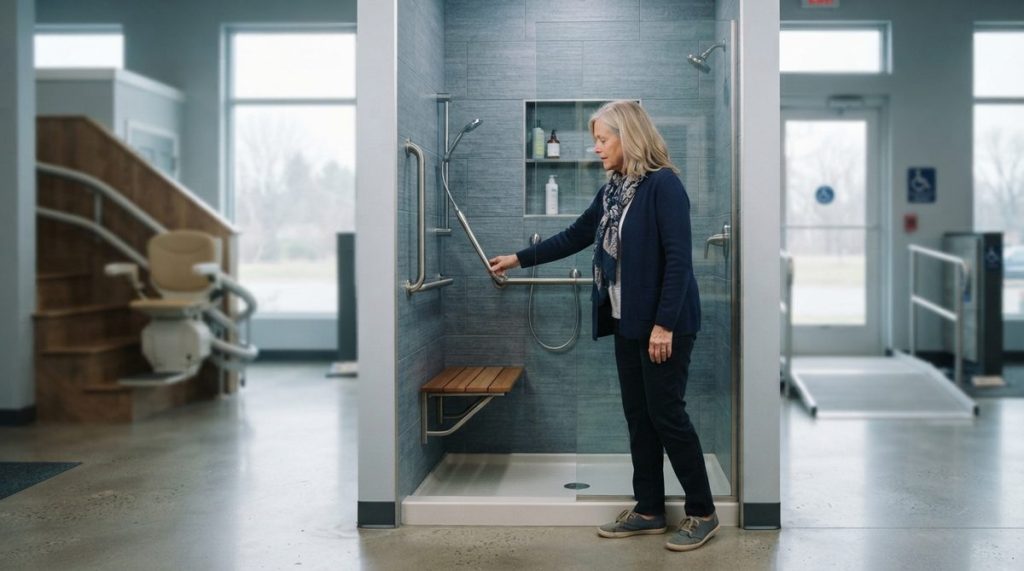
- Audit your living environment for safety. Falls remain the leading cause of injury death in adults over 65. If you’re planning to stay in your home long-term, understanding the real cost and strategy of age-proofing your home is a crucial investment.
The Mindset Shift That Changes Everything
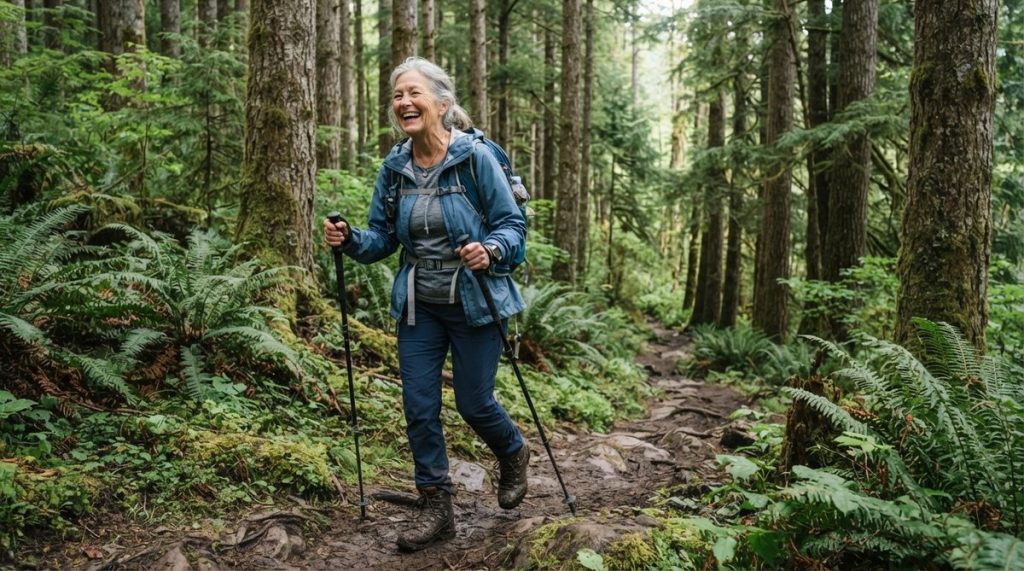
After working with thousands of adults navigating their 50s, 60s, 70s, and beyond, I’ve noticed a pattern. The people who age best aren’t the ones with the best genetics or the most money. They’re the ones who rejected the mythology of inevitable decline and replaced it with a question: What can I do today?
That question, asked honestly and answered with evidence, is more powerful than any supplement, any drug, any surgical intervention. Because it shifts your identity from passive patient to active participant. And that shift — psychological, behavioral, nutritional — is where real change lives.
The myths about aging and decline persist because they’re comfortable. They give us permission to stop trying. But the science tells a different story — one where your next decade can genuinely be better than your last, if you’re willing to challenge what you’ve been told and act on what the evidence actually shows.
You’re not too old. You’re not too far gone. And the research has never been more clearly on your side.
About Dr. Linda Park, PhD, RD (Registered Dietitian)
Dr. Linda Park is a Registered Dietitian with a PhD in Nutritional Science and 15 years of clinical and research experience focused on older adults. She has published peer-reviewed research on the role of nutrition in managing diabetes, cardiovascular health, and cognitive decline in seniors. At Daily Trends Now, Dr. Park writes evidence-based articles on senior nutrition, supplement safety, meal planning, and the foods that truly make a difference for aging well.